

We may earn a commission when you buy through links on this page, at no extra cost to you. Learn more.
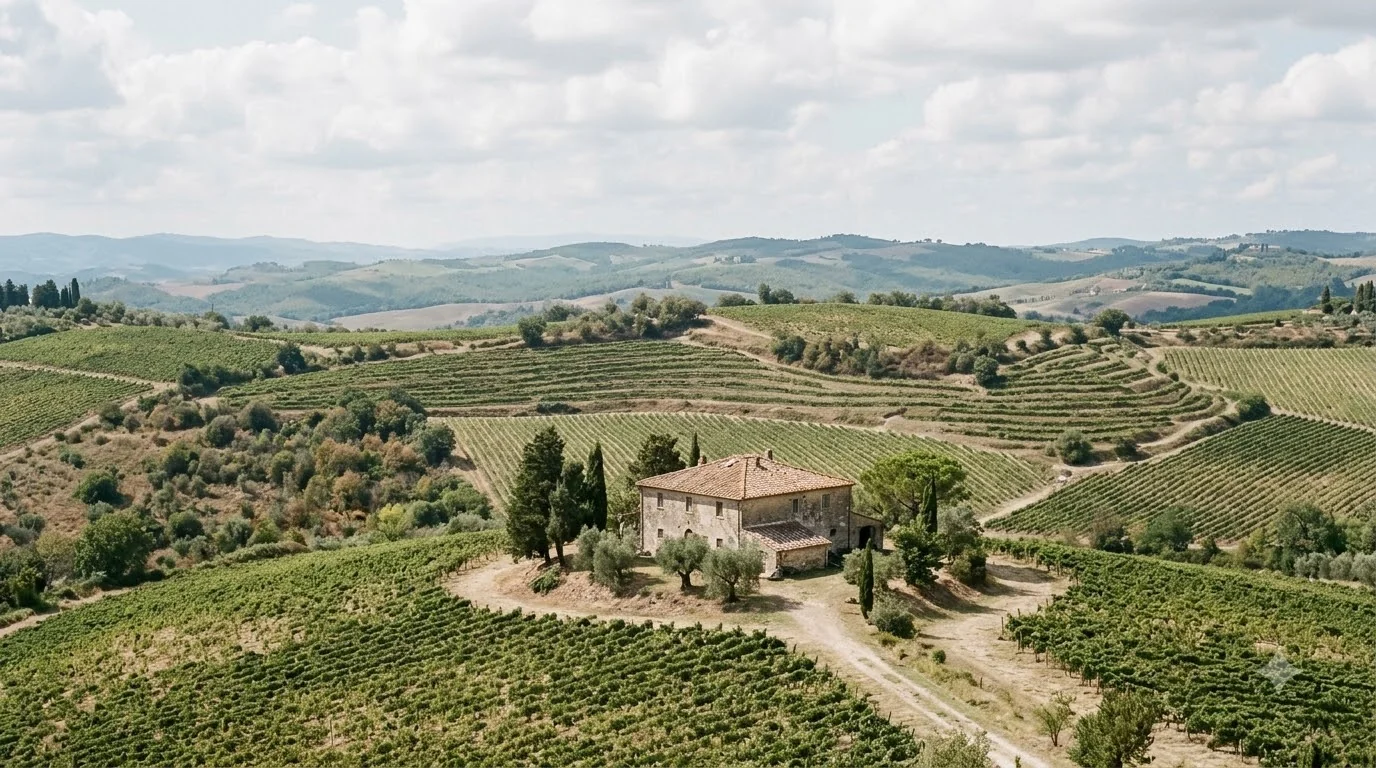
If you have ever wondered where is cabernet sauvignon from, the short answer is Bordeaux in southwestern France, where the grape emerged in the 1600s as an accidental natural cross between Cabernet Franc and Sauvignon Blanc. Today, it ranks as the world’s most widely planted red wine grape, thriving across classic European appellations and sun-drenched New World valleys from Napa to Chile. Despite its global reach, every modern vine traces its genetic roots back to that original Bordeaux crossbreeding event.
Walking down any wine aisle in the United States, Cabernet Sauvignon dominates the red shelves with its reputation for dark fruit, firm structure, and longevity. Yet its origin story is surprisingly humble—a chance encounter in a French vineyard rather than a deliberate royal breeding program—that reshaped global winemaking.
What Is Cabernet Sauvignon?
Cabernet Sauvignon is a late-ripening, thick-skinned black wine grape native to Bordeaux, France, created when red Cabernet Franc naturally pollinated white Sauvignon Blanc during the 17th century. That thick skin gives the resulting wine its deep ruby-purple color, concentrated dark fruit flavors, and assertive tannins.
For centuries, growers and historians debated the exact lineage of this prestigious grape, with theories ranging from ancient Roman imports to medieval monastic selections. That mystery ended in 1996, when researchers Dr. Carole Meredith and John Bowers at the University of California, Davis used DNA fingerprinting to prove that Cabernet Sauvignon is the direct offspring of Cabernet Franc and Sauvignon Blanc. While learning where is sauvignon blanc from reveals a crisp white grape celebrated for herbal acidity, its genetic contribution to Cabernet Sauvignon explains the red grape’s bright natural acidity and remarkable ability to express different vineyard soils.
Because grapevines are propagated commercially through cuttings rather than seeds, every Cabernet Sauvignon vine planted around the globe is essentially a genetic clone of that original 17th-century Bordeaux plant. Its small, spherical berries pack a high skin-to-juice ratio, which protects the fruit against vineyard rot and yields intensely structured wines. According to Wine Folly’s grape guide, the variety now spans more than 720,000 acres worldwide, making it a cornerstone across the broader spectrum of Wine by Type.
Flavor and Styles
Cabernet Sauvignon is a dry, full-bodied red wine defined by medium-high tannins, medium-high acidity, and alcohol levels typically ranging from 13.5% to 15.5% ABV. Its core flavor profile centers on black cherry, black currant, and blackberry, layered with savory notes of cedar, graphite, and baking spices.
Winemakers frequently age Cabernet Sauvignon in oak barrels—commonly French, American, or Hungarian oak—for 9 to 18 months to soften its naturally grippy tannins and introduce secondary aromas of vanilla, tobacco leaf, and espresso. In cooler climates or less fully ripened vintages, the grape also exhibits a signature herbaceous streak reminiscent of green bell pepper or bay leaf. Scientists attribute this savory green aroma to natural chemical compounds called methoxypyrazines, a genetic trait inherited directly from its Bordeaux parent varieties.
Stylistically, Cabernet Sauvignon divides cleanly between Old World restraint and New World richness. Old World bottlings, particularly from France, tend to feel slightly leaner on the palate with pronounced earthy, mineral, and tobacco notes backed by firm acidity. New World expressions from warmer regions lean more plush and fruit-forward, showcasing ripe blackberry jam, sweet vanilla oak, and slightly higher alcohol. Unlike lighter, frizzante-style reds you discover when exploring where is lambrusco from, Cabernet Sauvignon is built for weight, concentration, and multi-decade cellar aging.
Where It Grows
Although born in southwestern France, Cabernet Sauvignon adapts remarkably well to diverse climates and now anchors major wine regions across Europe, North America, South America, Australia, and South Africa. Each region imparts a distinct regional signature shaped by local soils, elevation, and ocean or mountain breezes.
In its ancestral home of Bordeaux, Cabernet Sauvignon rules the Left Bank of the Gironde estuary, particularly in the Médoc and Graves sub-regions. Here, well-draining gravel soils absorb daytime warmth and radiate it back to the vines at night, helping this late-ripening grape reach full maturity in a maritime climate. Because Bordeaux weather can be unpredictable, French winemakers traditionally blend Cabernet Sauvignon with Merlot, Cabernet Franc, Petit Verdot, and Malbec to achieve balance and complexity. In Tuscany, Italy, rebellious winemakers also famously paired Cabernet Sauvignon with local Sangiovese to pioneer the acclaimed Super Tuscan category.
Across the Atlantic, Napa Valley in California cemented its international reputation after besting top French châteaux in the 1976 Judgment of Paris blind tasting. Warm valley floors and rocky hillside appellations produce opulent, velvety Cabernets bursting with ripe black fruit. Further south, Chile’s Maipo, Colchagua, and Aconcagua Valleys sit wedged between cooling Pacific breezes and the Andes Mountains, yielding structured, aromatic wines often marked by subtle mint or eucalyptus notes. Meanwhile, Australia’s Coonawarra region relies on iron-rich red terra rossa soil over limestone to craft deeply structured bottles with distinct bay leaf and white pepper accents.
| Region | Climate & Key Soils | Signature Flavor Profile | Typical Style |
|---|---|---|---|
| Bordeaux (Left Bank), France | Maritime; well-draining gravel | Black currant, graphite, cedar, tobacco, green bell pepper | Savory, structured blends with firm tannins and high aging potential |
| Napa Valley, California | Mediterranean; volcanic hillside and alluvial valley soils | Ripe black cherry, cassis, vanilla, mocha, baking spice | Full-bodied, plush, fruit-forward with polished oak |
| Maipo & Colchagua Valleys, Chile | Mediterranean with Pacific and Andean cooling; rocky slopes | Blackberry, fig paste, green peppercorn, subtle eucalyptus | Balanced, medium-to-full-bodied with firm structure |
| Coonawarra, South Australia | Maritime-influenced; iron-rich terra rossa over limestone | Black currant, bay leaf, white pepper, dark chocolate | Concentrated, aromatic with fine-grained tannins |
How to Serve Cabernet Sauvignon
Serve Cabernet Sauvignon slightly below modern room temperature, ideally between 60°F and 68°F (15°C to 20°C), in a large-bowled red wine glass. Chilling the bottle briefly before pouring keeps the alcohol balanced while allowing complex dark fruit and oak aromatics to open up.
The old rule of serving red wine at “room temperature” dates back to drafty European stone castles without central heating, where ambient temperatures hovered closer to 60°F. In a modern American home heated to 70°F or warmer, pouring Cabernet straight from the kitchen counter makes the alcohol feel hot and overwhelms subtle aromas. Placing the bottle in the refrigerator for 15 to 20 minutes before opening brings it right into the sweet spot.
Glassware and aeration also play a major role in how the wine tastes. An oversized Bordeaux-style glass provides ample surface area for oxygen to interact with the wine and directs the pour toward the center of the palate, softening astringent tannins. For young, tightly wound bottles under five years old, decanting for 30 to 60 minutes helps blow off tight reduction and unlocks richer fruit notes. Older vintage bottles need far less air—usually 15 to 20 minutes is plenty—and should be decanted gently to leave natural sediment behind in the bottle.
Tip: Put your room-temperature bottle of Cabernet Sauvignon in the refrigerator for 20 minutes before dinner so the fruit shines without tasting overly alcoholic.
Food Pairing
Cabernet Sauvignon pairs best with rich, high-protein, and umami-heavy dishes whose fat and salt naturally soften the wine’s firm tannins. Classic matches include ribeye steak, braised beef short ribs, herb-crusted rack of lamb, and aged hard cheeses.
The science behind this pairing comes down to how fats and proteins interact with phenolic tannins on your tongue. When you eat a marbled ribeye or slow-cooked short ribs, the meat’s fat coats your palate and binds with the wine’s astringent tannins, making the Cabernet taste smoother, rounder, and noticeably fruitier. Savory umami flavors from seared mushrooms, roasted garlic, and caramelized crusts further tame the wine’s earthy edge and bring out its hidden black cherry sweetness.
At the same time, Cabernet Sauvignon’s heavy structure can easily overwhelm delicate ingredients or clash with certain seasonings. Avoid pairing it with spicy chili-driven dishes, as high alcohol amplifies capsaicin heat and makes tannins taste harsh and bitter. Delicate white fish, citrus-heavy salads, and sugary desserts also clash with dry, tannic reds; for sweet or spicy occasions, a low-alcohol, aromatic white like the ones covered in where is moscato from makes a far more harmonious companion.
How to Choose a Bottle
When shopping for Cabernet Sauvignon, look at the region, vintage, and grape composition on the label to match the bottle to your palate and occasion. Understanding labeling laws and regional cues helps you predict whether a bottle will taste plush and modern or savory and traditional.
In the United States, federal labeling laws require a varietal Cabernet Sauvignon to contain at least 75% Cabernet Sauvignon grapes, allowing winemakers to blend in up to 25% of other varieties like Merlot or Petit Verdot for extra color and mid-palate softness. In France, by contrast, bottles are labeled by geographic appellation rather than grape name. If you want a Cabernet-dominant French bottle, look for Left Bank Bordeaux appellations such as Pauillac, Margaux, Saint-Julien, or Haut-Médoc rather than Right Bank regions like Saint-Émilion, which rely primarily on Merlot.
As VinePair’s Cabernet Sauvignon guide points out, climate and oak treatment also steer the style you bring home. Check the back label or shelf talker for alcohol percentage as a quick ripeness clue: bottles around 13.5% ABV typically signal cooler-climate restraint and crisp acidity, while bottles pushing 14.5% to 15.5% ABV promise riper, jammy dark fruit and fuller body. If you plan to open the bottle the same evening, look for regions known for supple fruit like Napa Valley or Chile’s Colchagua Valley, or choose a bottle that already has five to eight years of bottle age.
Frequently Asked Questions
Where is Cabernet Sauvignon originally from?
Cabernet Sauvignon originated in the Bordeaux region of southwestern France during the 17th century. DNA research conducted at UC Davis in 1996 confirmed that it is a natural cross between red Cabernet Franc and white Sauvignon Blanc.
Is Cabernet Sauvignon always a dry red wine?
Yes, almost all Cabernet Sauvignon is fermented completely dry, meaning virtually no residual sugar remains in the finished wine. Ripe New World styles from warm climates can give a sweet impression of jammy black fruit, even though the wine itself is technically dry.
Why does Cabernet Sauvignon sometimes smell like green bell pepper?
That subtle herbaceous aroma comes from natural organic compounds called methoxypyrazines, which Cabernet Sauvignon inherited from its parent grapes. Cooler growing climates and slightly earlier harvests preserve higher levels of these compounds, adding savory bell pepper or bay leaf notes to the wine.
Does Cabernet Sauvignon need to be aged before drinking?
Most everyday Cabernet Sauvignons are crafted to be enjoyed within two to five years of release, especially if decanted for 30 to 60 minutes before serving. Top-tier bottlings from regions like Bordeaux and Napa Valley have the high tannins and acidity required to age and improve for 10 to 20 years or more.
From an accidental 17th-century cross in a Bordeaux vineyard to the undisputed flagship red of wine regions across six continents, Cabernet Sauvignon owes its success to genetic resilience and unmistakable structure. Whether you prefer a savory, gravel-driven Left Bank blend or a plush, sun-ripened bottle from California or Chile, knowing its roots makes every pour easier to appreciate.
More in Wine Types & Grapes
 Zinfandel Sugar Content: Dry Red vs. White Zinfandel GramsUpdated Nov 21, 2026
 Best Zinfandel Substitute Options for Sipping and CookingUpdated Nov 21, 2026
 Zweigelt Food Pairing: Best Dishes, Cheeses, and Serving TipsUpdated Nov 21, 2026
 Zinfandel Tannins Explained: How Structure Shapes Every BottleUpdated Nov 21, 2026
 Zinfandel Sweetness Level: Dry Red vs. Sweet White Zin ExplainedUpdated Nov 21, 2026
 Xinomavro Food Pairing: Best Dishes, Styles, and Serving TipsUpdated Nov 21, 2026