

We may earn a commission when you buy through links on this page, at no extra cost to you. Learn more.
An orange wine tasting evaluates white grapes fermented in extended contact with their skins and seeds, producing an amber-hued, dry wine with red-wine tannins and white-wine acidity. Unlike standard white wines where juice is pressed off the skins immediately, maceration lasts anywhere from a few days to several months. The resulting glass delivers savory flavors of bruised apple, dried apricot, toasted nuts, and citrus pith, best served slightly chilled between 50°F and 60°F.
Walking into a wine bar or opening a bottle of skin-contact white at home requires shifting how you evaluate what is in the glass. Because these bottles bridge the structural gap between crisp whites and light reds, approaching them with the right expectations turns an unfamiliar pour into an eye-opening sensory experience.
What Is Orange Wine?
Orange wine is made from white wine grapes whose juice remains in contact with the grape skins, seeds, and sometimes stems during fermentation, extracting color, flavor compounds, and gripping tannins.
Despite the name, citrus fruit never enters the fermentation vessel. Standard white winemaking presses the juice off the skins right after crushing, keeping the liquid pale and crisp. Red winemaking ferments crushed dark grapes on their skins to extract pigment and structure. Orange winemaking applies that red-wine maceration technique to white varieties, a process Wine Folly notes often involves minimal additives and dates back thousands of years.
The length of skin contact dictates everything you perceive during a tasting. A brief soak of just a few days yields a pale copper tint and a gentle textural nudge, whereas macerations lasting weeks or months create deep amber tones and firm, mouth-drying astringency. Winemakers also choose different aging vessels—such as neutral stainless steel, large oak casks, or buried clay amphorae—which influence how much oxygen interacts with the wine and shape its final nutty or mineral character.
Flavor Profile and Styles
Most orange wines are completely dry and deliver a bold combination of savory, oxidative aromatics, dried stone fruit, and a distinct tea-like grip across the palate.

When you swirl the glass, leave behind expectations of fresh green apple or bright tropical fruit. Aromas typically lean toward dried apricot, candied orange peel, bruised orchard fruit, chamomile, sourdough, and roasted hazelnuts. Some longer-macerated examples develop earthy, resinous, or honeyed undertones alongside a refreshing sour-beer tang driven by natural grape acidity.
On the palate, texture takes center stage. The phenolic compounds pulled from the grape skins create a tactile, slightly chalky or sandy sensation similar to steeping black tea too long. Because white grapes generally carry higher natural acidity than red grapes, that bright backbone keeps the wine feeling lively rather than heavy, even when the tannic structure feels substantial.
| Style Tier | Skin Contact Time | Visual Color | Tannin & Flavor Profile |
|---|---|---|---|
| Light / Gateway | 1 to 7 days | Pale gold to light copper | Subtle grip; fresh citrus pith, white flowers, and stone fruit |
| Medium Maceration | 2 to 6 weeks | Deep gold to bright amber | Noticeable tea-like tannin; dried apricot, quince, honey, and herbs |
| Extended Maceration | 2 to 7+ months | Burnished amber to burnt orange | Firm, chewy structure; roasted nuts, bruised apple, spice, and earthy depth |
Reviewers at Wine Enthusiast highlight how different grape varieties respond uniquely to skin contact. Aromatic grapes like Pinot Gris, Gewürztraminer, and Muscat retain pronounced floral and tangerine notes even after maceration, while neutral varieties like Chardonnay or Ribolla Gialla lean heavily into savory, chalky, and nutty dimensions.
Where Orange Wine Grows
While winemakers around the globe now craft skin-contact whites, the style is rooted in the ancient traditions of the Caucasus and northern Adriatic before spreading to modern cool-climate regions.
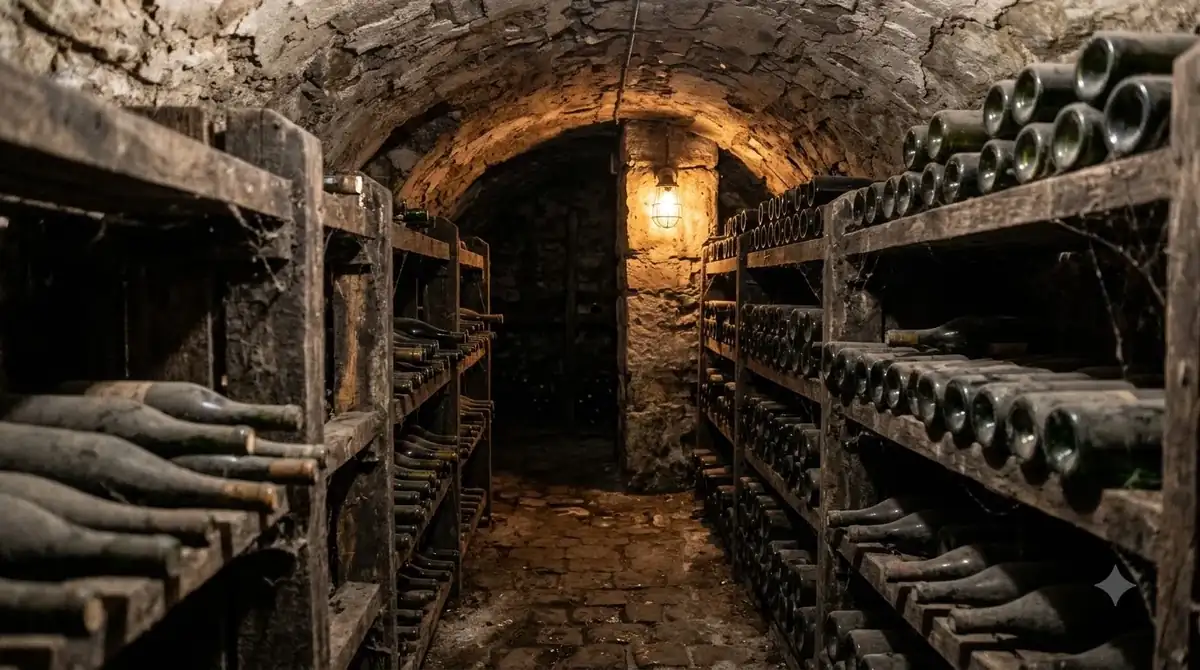
The ancestral birthplace of skin-contact wine is the Republic of Georgia, where vintners have fermented white grapes like Rkatsiteli and Kisi in buried, beeswax-lined clay vessels called qvevri for millennia. Exploring a traditional georgia wine tasting reveals how clay fermentation imparts an unmistakable earthy minerality and structured tannin profile that modern winemakers worldwide still use as their benchmark.
In the late twentieth century, producers in northeastern Italy’s Friuli-Venezia Giulia and neighboring Slovenia revived the method using native varieties such as Ribolla Gialla, Friulano, and Malvasia. Today, innovative growers across diverse Wine Regions—from California’s Sonoma Coast and Oregon’s Willamette Valley to Austria, France, and Spain—experiment with skin contact on everything from Sauvignon Blanc to Chenin Blanc.
How to Serve and Taste
Serving orange wine slightly warmer than a crisp white—specifically between 50°F and 60°F—prevents the tannins from tasting bitter while allowing complex aromatics to open up.
Pulling a bottle straight from a standard kitchen refrigerator at 38°F is the fastest way to flatten the tasting experience. Extreme cold clamps down on volatile aromas and makes skin-derived tannins feel harsh and astringent. Letting the bottle rest on the counter for 20 to 30 minutes brings it into the ideal cellar-cool window where texture and fruit stay in balance.
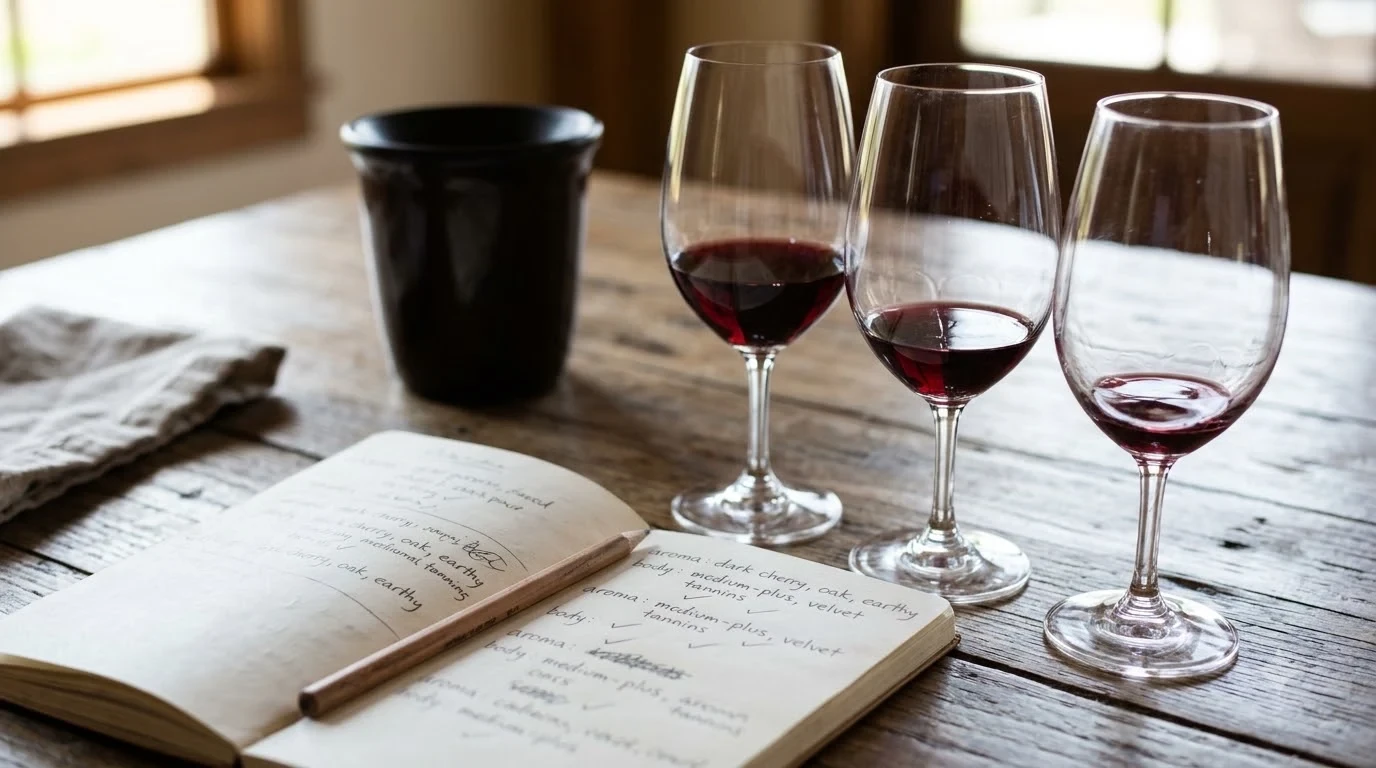
Glassware and aeration also play a major role during an orange wine tasting. Pour the wine into a medium-to-large bowl—similar to a universal glass or a white Burgundy stem—rather than a narrow flute or small white wine glass. Swirling a young, deeply amber bottle in a wider bowl softens its edges, and particularly dense, extended-maceration wines benefit from 15 to 30 minutes in a decanter before serving.
Tip: Taste orange wine at two temperatures during the same meal—start around 52°F and let the glass warm naturally over 20 minutes to watch the savory, nutty aromatics unfold.
Food Pairing
Thanks to the rare combination of white-wine acidity and red-wine tannin, orange wine pairs effortlessly with bold, heavily spiced, and richly textured foods that overwhelm conventional wines.
Dishes loaded with warming spices like turmeric, cumin, saffron, and coriander often clash with standard reds or get lost next to delicate whites. Skin-contact wines bridge that divide, standing up to Moroccan tagines, Indian curries, and roasted root vegetables. The gripping tannins cut cleanly through rich fats, making roasted pork, crispy-skinned duck, and cured charcuterie natural companions at the table.
Cheese boards are another standout match. Aged, nutty cheeses such as Comté, Gruyère, Manchego, and aged Gouda echo the oxidative, almond-like flavors already present in the wine. Conversely, avoid pairing deeply tannic orange wines with very delicate raw shellfish like oysters or sweet, sugary desserts, as the astringency can overwhelm subtle seafood and taste bitter alongside sugar.
How to Choose a Bottle
Choosing the right bottle comes down to matching the winemaker’s maceration time and aging vessel to your personal tolerance for tannin and savory funk.
If you are newer to skin-contact wines, look for bottles labeled with short macerations of three to ten days, particularly those aged in stainless steel. These gateway styles preserve bright citrus and stone-fruit aromatics while offering just a hint of textural grip. Grape varieties with natural floral lift, such as Pinot Gris or skin-fermented Sauvignon Blanc, also make approachable entry points.
Once you know you enjoy that tactile mouthfeel, seek out longer-macerated bottlings aged in neutral oak or clay amphorae. Many artisan producers print the exact number of days on the skins right on the back label. Checking whether a wine was bottled unfiltered will also tell you to expect a slightly hazy appearance, which signals minimal intervention and a fuller, more rustic palate.
Frequently Asked Questions
Does orange wine actually contain oranges?
No, orange wine contains zero oranges or citrus additives. The amber or burnt-orange hue comes entirely from fermenting white wine grapes together with their skins and seeds, which releases natural pigments called anthocyanins and phenols into the juice.
Should orange wine be served chilled or at room temperature?
Orange wine should be served cool, ideally between 50°F and 60°F, rather than at warm room temperature or ice-cold straight from the fridge. Serving it too cold makes the skin tannins taste overly bitter, while serving it above 65°F can make the alcohol feel heavy and mute the fresh acidity.
Is orange wine sweet or dry?
The vast majority of orange wines are fermented completely dry with virtually no residual sugar. Even though aromas of dried apricot, honey, and candied orange peel can trick your brain into expecting sweetness, the palate finishes crisp, savory, and pleasantly gripping.
How is orange wine different from rosé?
Rosé is made from red wine grapes that spend only a few hours on their skins before pressing, resulting in a pink wine with minimal tannin. Orange wine is made from white wine grapes left on their skins for days, weeks, or months, creating an amber wine with much firmer tannic structure and savory depth.
Approaching an orange wine tasting with attention to temperature, glassware, and skin-contact duration unlocks one of the most food-versatile categories in the wine world. Whether you start with a lightly macerated Pinot Gris or jump straight into an amphora-aged Georgian amber wine, paying attention to texture will guide you straight to the styles you enjoy most.
More in Wine Regions
 Willcox Wine Trail: Discover Arizona’s High-Elevation Wine CountryUpdated Nov 20, 2026
 Yakima Valley Wine Region: Find the Best Styles to TryUpdated Nov 20, 2026
 Vosne Romanee Wine Tasting: Identify Aromas and Choose Better PairingsUpdated Nov 20, 2026
 Yakima Valley Wine Festival: Find the Best Seasonal Wine EventsUpdated Nov 20, 2026
 Wales Vineyards: Discover Cool-Climate Wines and Where to VisitUpdated Nov 20, 2026
 Yountville Wine Festival: Discover Napa Wines and Local FoodUpdated Nov 20, 2026