

We may earn a commission when you buy through links on this page, at no extra cost to you. Learn more.
The grapevine wine trail, officially recognized as Grapevine’s Urban Wine Trail, is a walkable collection of winery tasting rooms concentrated along Historic Main Street in Grapevine, Texas. Situated directly between Dallas and Fort Worth, the trail brings together nine distinct tasting rooms within strolling distance, letting visitors sample Texas-grown varietals and regional blends without driving between rural vineyards. Most participating rooms pour wines made from fruit harvested in the Texas High Plains and Texas Hill Country, alongside select out-of-state cellar releases.
While many rural wine regions require a designated driver and long highway stretches between estate vineyards, Grapevine offers a compact downtown tasting corridor. Named after the wild mustang grapes that covered the surrounding prairie when settlers arrived in 1844, the city serves as a convenient hub for exploring Wine Regions across the Lone Star State.
Overview of the Grapevine Wine Trail
Grapevine’s Urban Wine Trail links nine winery tasting rooms clustered along or just off Historic Main Street, giving visitors a self-paced tasting itinerary in a historic downtown setting. According to the Grapevine Convention and Visitors Bureau, the city established the original Urban Wine Trail concept in North Texas to showcase Texas winemaking inside restored nineteenth-century buildings and modern tasting lounges.
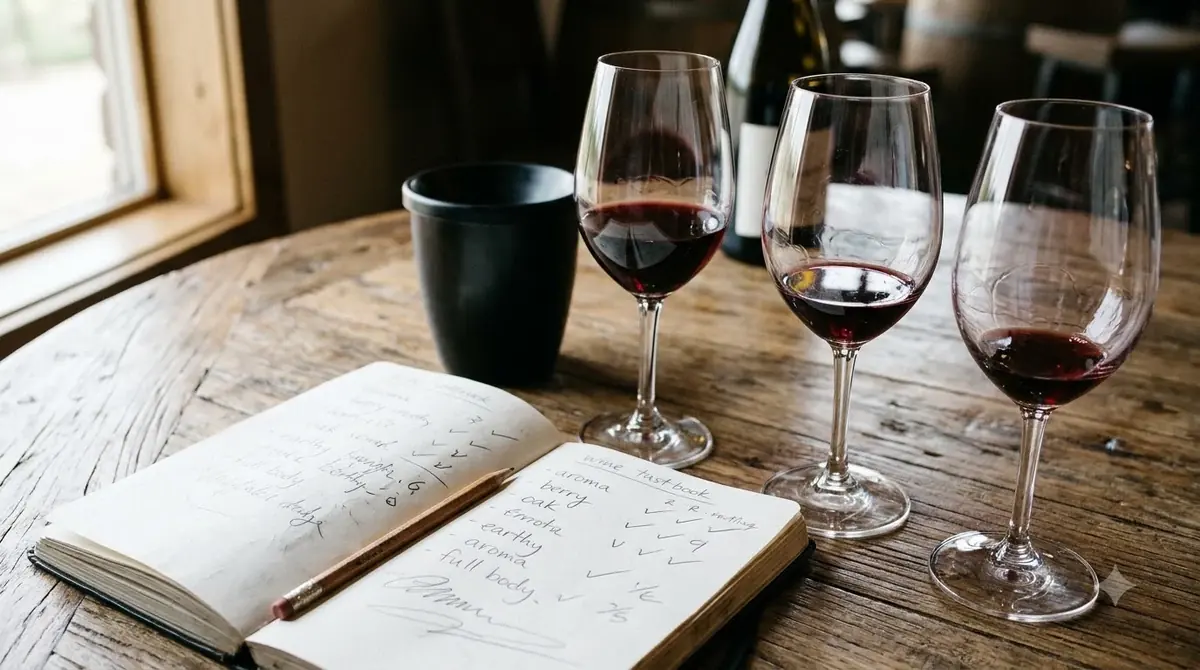
Rather than functioning as an estate vineyard corridor, the trail operates primarily through satellite tasting rooms and urban cellars. Because North Texas experiences high humidity and fungal pressure that challenge many European grape varieties, most wineries on the trail source their fruit from drier, higher-elevation regions such as the Texas High Plains AVA around Lubbock or the Texas Hill Country AVA. Visitors step into climate-controlled tasting rooms to sample single-vineyard bottlings, barrel reserves, and small-batch blends sourced across the state.
The layout makes the trail accessible for both casual afternoon visitors and dedicated wine travelers flying into nearby Dallas Fort Worth International Airport. Sidewalks connect nearly every tasting room along South and North Main Street, interspersed with independent restaurants, chocolatiers, art galleries, and boutique hotels. Unlike rural routes such as the fredericksburg wine trail, where miles of country roads separate estates, visitors here can park once and explore on foot.
Trail Layout and Key Stops Along Main Street
The tasting rooms divide naturally into a dense central core along South Main Street and a slightly quieter northern stretch anchored by a historic homestead. Planning your walk from south to north—or tackling the central blocks first—keeps walking distances short and pacing manageable.
The southern and central blocks between Peace Plaza and College Street hold the highest concentration of tasting rooms. Within a few blocks of one another sit Bingham Family Vineyards, Wine Fusion Winery, Landon Winery, Grape Vine Springs Winery, Red Dirt Cellars, Messina Hof Grapevine Winery, and Bull Lion Ranch Winery. Because these doors are steps apart, visitors can easily compare different winemaking styles across two or three stops before breaking for lunch or dinner.
Heading north across Northwest Highway leads to Winestein’s Tasting Room and Cross Timbers Winery, which sits in the historic Dorris/Brock house at 805 North Main Street. Built in the 1870s, the Cross Timbers property includes an outdoor patio shaded by mature trees and a reconstructed event barn, offering a quieter, garden-like contrast to the storefront tasting rooms downtown.
| Tasting Room | Street Address | Notable Focus and Style |
|---|---|---|
| Bingham Family Vineyards | 620 S. Main St. | Estate-grown Texas High Plains varietals including Vermentino, Roussanne, and Viognier |
| Wine Fusion Winery | 603 S. Main St., Suite 304 | Contemporary lounge offering custom blending experiences and approachable Texas blends |
| Bull Lion Ranch Winery | 150 W. College St. | 100% Texas-grown fruit crafted in traditional Italian and Spanish styles |
| Landon Winery | 415 S. Main St. | Wide range of dry reds, crisp whites, and sweet selections from a major Texas producer |
| Grape Vine Springs Winery | 409 S. Main St. | Over 30 wines spanning dry varietals, fruit-infused bottles, and dessert styles |
| Red Dirt Cellars | 401 S. Main St. | Industrial-chic tasting room pouring Texas and California AVA bottlings |
| Messina Hof Grapevine Winery | 201 S. Main St. | Historic Wallis Hotel replica pouring Texas Chenin Blanc, Cabernet Franc, and Ports |
| Winestein’s Tasting Room | 280 N. Main St. | Educational tasting format highlighting off-the-beaten-path reds and fortified flights |
| Cross Timbers Winery | 805 N. Main St. | 1870s historic farmhouse pouring High Plains Sangiovese, Tempranillo, and Viognier |
Key Grapes and Wine Styles on the Trail
Wineries along the trail specialize in warm-climate Mediterranean and Iberian grape varieties that thrive in Texas’s sunny, arid growing regions, alongside approachable sweet and sparkling styles. As noted by the Texas Wine and Grape Growers Association, regional trails across the state highlight how adaptable European grapes perform in Texas soils.
On the white wine side, Viognier, Roussanne, Vermentino, Trebbiano, and Chenin Blanc appear frequently on tasting menus. Growers in the Texas High Plains harvest these varieties with bright natural acidity and stone-fruit aromatics. Bingham Family Vineyards is particularly known for pioneering Vermentino plantings in Texas and producing expressive Roussanne, while Messina Hof produces a crisp Sparkling Brut made from 100% Texas Chenin Blanc.
Red wine drinkers encounter bold, structured pours built around Tempranillo, Sangiovese, Cabernet Franc, Mourvèdre, and Lenoir (also known as Black Spanish). Tempranillo and Sangiovese have become signature red grapes for Texas vintners, delivering savory leather, dried cherry, and firm tannins that pair naturally with local barbecue and grilled meats. For those who prefer sweeter or fortified wines, several tasting rooms pour late-harvest Riesling, semi-sweet blush blends, and barrel-aged Ports.
Notable Producers on the Grapevine Wine Trail
Several long-standing Texas wine families operate tasting rooms in Grapevine, giving visitors direct access to benchmark producers without traveling across the state. Each house brings a distinct vineyard background and cellar philosophy to Historic Main Street.
Messina Hof Grapevine Winery represents one of Texas’s oldest family-owned wineries, originally founded in Bryan in 1977 by Paul and Merrill Bonarrigo. Located inside a replica of the 1891 Wallis Hotel, the Grapevine outpost pours more than 50 wines across dozens of varietals, including Private Reserve Cabernet Franc, Solera Sherry, and Papa Paulo Port made from Lenoir grapes. Visitors can sample flights at the tasting bar, use self-serve wine dispensers, or relax on the second-floor balcony overlooking Main Street.
Bingham Family Vineyards brings a true grower-producer perspective to the trail. Farming over 200 acres of wine grapes in the Texas High Plains AVA, Cliff and Betty Bingham and their family focus on organic farming practices and 100% Texas-grown fruit. Across town, Landon Winery—founded by winemaker Bob Landon—anchors the center of Main Street with a broad portfolio of award-winning Texas reds and whites, and also operates the neighboring Red Dirt Cellars tasting room at 401 South Main Street.
Visiting Tips and Seasonal Trail Events
Planning ahead helps you pace your tastings and take advantage of local transit, especially on busy weekends and during major seasonal festivals. While most tasting rooms welcome walk-ins during weekday afternoons, Saturday afternoons draw large crowds along Main Street.
Because tasting flights typically include four to five pours per stop, pacing is essential. Aim for two to three tasting rooms in a single afternoon rather than trying to visit all nine in one day, and alternate flights with water and food stops along Main Street. If you are visiting on a Saturday with a group of four or more, booking a reservation at popular stops like Bingham Family Vineyards or Messina Hof ensures seating without a long wait. Those looking for a broader rural road trip after Grapevine might also enjoy comparing regional tasting styles on the indiana wine trail or the north fork wine trail.
Tip: Park once at the free public lots near Historic Main Street or ride the complimentary Grapevine Visitors Shuttle from local hotels, and save Cross Timbers Winery at the north end of Main Street for a relaxed morning or early afternoon patio session.
Grapevine also hosts marquee wine events throughout the year that turn the trail into a citywide celebration. Every April, the Annual Spring Wine Trail pairs new vintage releases with local art galleries and food tastings using a commemorative passport ticket. In September, GrapeFest brings four days of wine tastings, Texas wine competitions, and live music to Historic Main Street, while November and December feature themed wine excursions aboard the Grapevine Vintage Railroad.
How to Buy Bottles and Ship Wine Home
Every tasting room on the trail sells bottles directly over the counter, and most offer flexible options for travelers who are flying or building a mixed case. Tasting fees are frequently waived or discounted when you purchase bottles to take home.
If you are visiting from out of state and flying out of DFW Airport, ask the tasting room staff about wine shipping or airline-approved travel boxes. Most Grapevine wineries participate in direct-to-consumer shipping programs to eligible states, allowing you to have bottles delivered directly to your doorstep rather than packing heavy glass in checked luggage. For local shoppers or road-trippers, purchasing a mixed six-pack or twelve-bottle case typically unlocks volume discounts of ten to twenty percent, depending on the winery’s club and retail policies.
Joining a winery’s wine club is another practical way to stay connected to Texas producers after your trip. Clubs at Messina Hof, Bingham Family Vineyards, and Landon Winery provide quarterly or biannual shipments of small-lot releases alongside complimentary tastings during future visits to Grapevine.
Frequently Asked Questions
How many wineries are on the Grapevine Wine Trail?
Grapevine’s Urban Wine Trail features nine official winery tasting rooms located along or just off Historic Main Street. All nine stops sit within walking distance of one another, though Cross Timbers Winery is positioned slightly farther north at 805 North Main Street.
Can you walk between all the wineries on the Grapevine Wine Trail?
Yes, the entire trail is pedestrian-friendly with continuous sidewalks connecting South and North Main Street. Most tasting rooms are clustered within a few blocks of each other in the historic downtown core, while walking to the northernmost stop takes about ten to fifteen minutes from the center of town.
Are the wines on the Grapevine Wine Trail made from locally grown grapes?
Most wines poured on the trail are made from grapes grown in premier Texas appellations such as the Texas High Plains AVA and Texas Hill Country AVA. Because North Texas humidity makes growing classic European wine grapes difficult locally, Grapevine’s tasting rooms showcase fruit harvested elsewhere in Texas along with occasional California or international selections.
Do you need reservations to visit the Grapevine Wine Trail?
Walk-ins are welcome at every tasting room on the trail, especially on weekdays and Sundays. However, reservations are strongly recommended on Saturdays and for groups of four or more, as well as during special events like the Spring Wine Trail and GrapeFest.
Whether you have a free afternoon between flights or an entire weekend dedicated to Texas wine, the grapevine wine trail delivers an easy, walkable introduction to the state’s top growers and winemakers. Start with a flight of High Plains whites or bold Tempranillo along Historic Main Street, and take your time exploring the tasting rooms at your own pace.
More in Wine Regions
 Willcox Wine Trail: Discover Arizona’s High-Elevation Wine CountryUpdated Nov 20, 2026
 Yakima Valley Wine Region: Find the Best Styles to TryUpdated Nov 20, 2026
 Vosne Romanee Wine Tasting: Identify Aromas and Choose Better PairingsUpdated Nov 20, 2026
 Yakima Valley Wine Festival: Find the Best Seasonal Wine EventsUpdated Nov 20, 2026
 Wales Vineyards: Discover Cool-Climate Wines and Where to VisitUpdated Nov 20, 2026
 Yountville Wine Festival: Discover Napa Wines and Local FoodUpdated Nov 20, 2026