

We may earn a commission when you buy through links on this page, at no extra cost to you. Learn more.
Canary Islands vineyards grow on volcanic slopes and ash fields off the coast of northwest Africa, producing high-acid, mineral-driven wines from rare, ungrafted grapes. Spread across a Spanish archipelago roughly 60 miles west of Morocco, these Atlantic-cooled sites rely on ancient training methods and hand harvesting to tame extreme winds and steep terrain. The resulting whites and reds carry unmistakable notes of smoke, sea salt, and bright fruit rather than heavy oak.
Most travelers picture beach resorts when they hear about this sun-drenched Spanish archipelago, yet wine has been made here since Spanish colonizers arrived in the 15th century. Because the root-eating louse phylloxera spared the islands during the 19th-century epidemic that devastated mainland Europe, growers still tend original, own-rooted vines that can reach 100 to 200 years of age. That combination of pre-phylloxera genetics, porous volcanic rock, and constant trade winds sets these bottles apart from anything else in Wine Regions across Europe.
Overview of Canary Islands Viticulture
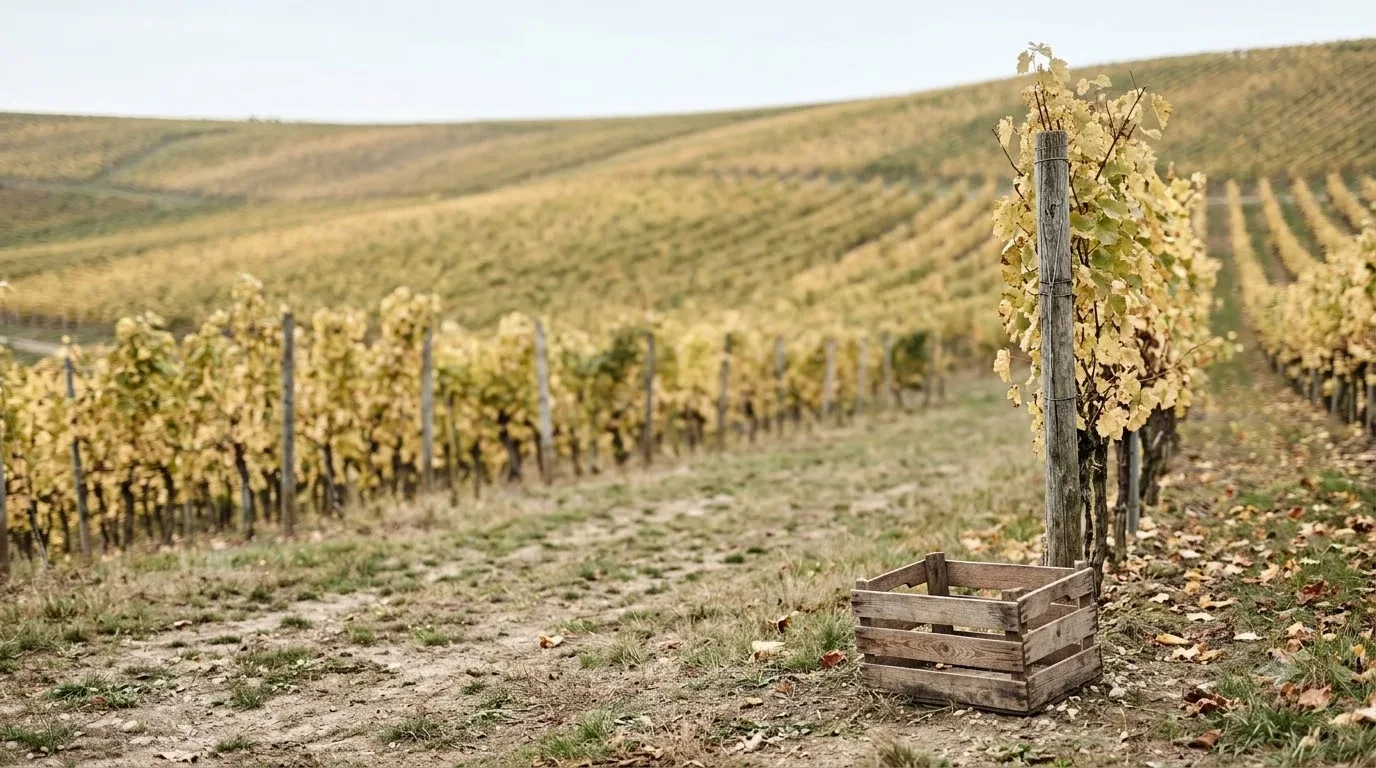
Winemaking across the Canary Islands operates under extreme volcanic and maritime conditions, creating an agricultural landscape unlike mainland Spain. Vineyards climb from near sea level up to 4,920 feet (1,500 meters) on active and dormant volcanic peaks, capturing cool Atlantic breezes that preserve crisp natural acidity despite the subtropical latitude.
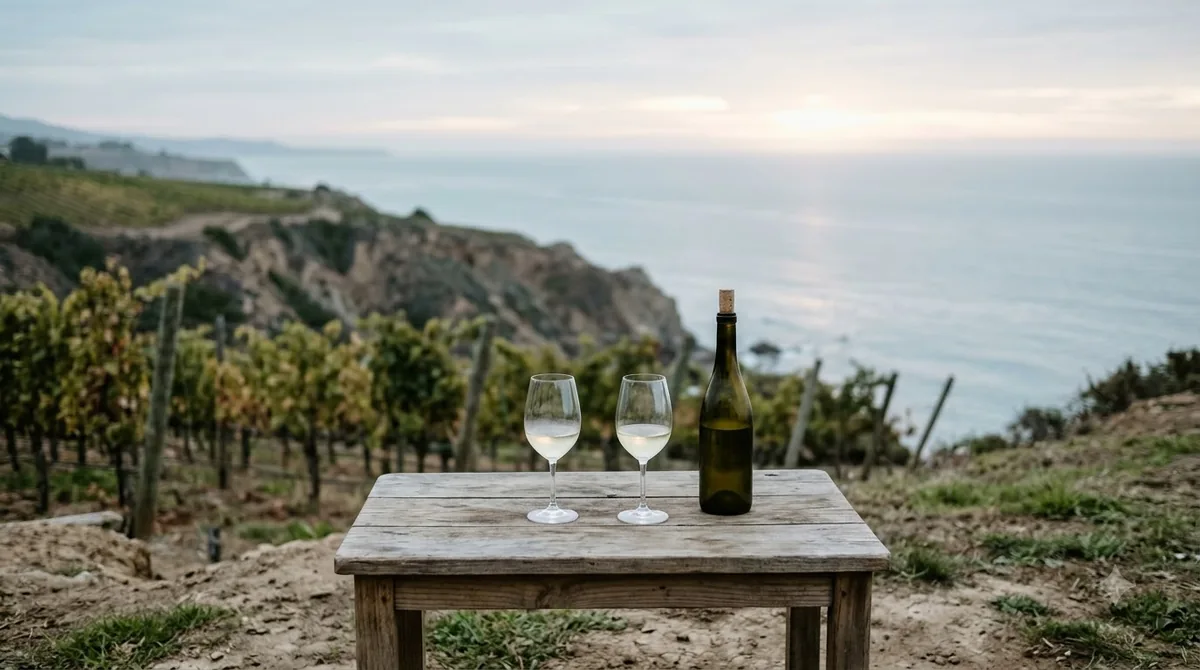
Geographically isolated in the Atlantic Ocean, the archipelago spans seven primary winegrowing islands—Tenerife, Lanzarote, Gran Canaria, La Palma, La Gomera, El Hierro, and Fuerteventura—alongside tiny La Graciosa. According to Wine Enthusiast’s guide to Canary Island wine, production is split almost evenly between red and white styles, with dry, crisp bottles dominating modern output after centuries of fame for sweet fortified Malvasia.
Because volcanic ash and basalt slopes are too steep or fragile for tractors, nearly every step of vineyard work happens by hand. On Lanzarote, growers dig funnel-shaped pits called hoyos into black volcanic gravel (picón) to trap nighttime moisture and shield single vines behind low semicircular stone walls called zocos. In northern Tenerife, farmers weave long, flexible vine canes into horizontal ropes known as cordón trenzado, allowing workers to lift the braided vines aside to plant potatoes or vegetables underneath.
Key Sub-Regions and Island Denominations
The archipelago encompasses 10 official Denominaciones de Origen (DOs) alongside the region-wide Islas Canarias DOP established in 2012, with each island offering distinct soils and microclimates. Tenerife accounts for half of those appellations and supplies the vast majority of bottles exported to the United States.
Tenerife is anchored by Pico del Teide, Spain’s tallest mountain and an active volcano, which divides the island into humid, lush northern slopes and arid, sun-baked southern plains. Its five distinct appellations—Tacoronte-Acentejo, Valle de la Orotava, Ycoden-Daute-Isora, Abona, and Valle de Güímar—span dramatically different exposures. In Valle de la Orotava, trade winds push cool cloud cover against the mountain slopes, slowing ripening and sharpening acidity, whereas southern Abona relies on moisture-retaining white volcanic ash known as jable to sustain vines through hot, dry summers.
Beyond Tenerife, each island expresses a sharply different volcanic character. Lanzarote looks almost lunar, covered in dark ash from 18th-century eruptions, particularly around the famed La Geria zone. La Palma features small, high-elevation plots tucked between banana plantations across three subzones, while La Gomera relies on steep, stone-walled terraces cut into dramatic ravines. Gran Canaria divides into tiny family-owned parcels—nearly half measuring less than 1,000 square meters—while Fuerteventura bottles its emerging wines under the overarching DO Islas Canarias.
| Island / Appellation | Key Soil & Climate Traits | Signature Grapes | Primary Wine Styles |
|---|---|---|---|
| Tenerife (5 DOs) | Volcanic basalt, red clay, and white jable ash; humid north vs. arid south | Listán Negro, Listán Blanco, Baboso Negro, Vijariego | Savory, medium-bodied reds; smoky, saline dry whites |
| Lanzarote (DO Lanzarote) | Black volcanic gravel (picón) and ash; constant, strong Atlantic winds | Malvasía Volcánica, Listán Negro, Negramoll | Zesty, volcanic dry whites; lees-aged and sweet whites |
| Gran Canaria (DO Gran Canaria) | Steep volcanic ravines and tiny terraced family plots | Listán Blanco, Marmajuelo, Listán Negro | Crisp, aromatic whites; light, earthy reds |
| La Palma (DO La Palma) | High-altitude volcanic slopes mixed with tropical orchards | Malvasía, Listán Blanco, Negramoll, Vijariego | Fresh whites, young reds, sweet Malvasía, and pine-aged Vino de Tea |
| La Gomera (DO La Gomera) | Dramatic, wind-protected stone terraces | Forastera Blanca | Bright, mineral-driven dry white wines |
Native Grapes and Signature Wine Styles
Spain’s agricultural export agency ICEX counts more than 80 identified grape varieties across the archipelago, including rare survivors that vanished from mainland Europe centuries ago. Many carry local island names even when DNA testing links them to historic Spanish, Portuguese, or French varieties.
On the red side, Listán Negro is the undisputed workhorse of Tenerife and neighboring islands. Reviewers at Wine Folly note that Listán Negro typically delivers medium-bodied wines with low tannins, medium-high acidity, and flavors of red cherry, strawberry, black pepper, and volcanic smoke, often hovering between 10% and 12.6% ABV. Other standout reds include Negramoll (known as Tinta Negra Mole in Madeira), Baboso Negro (genetically identical to Portugal’s Alfrocheiro), Tintilla (the Canary name for Jura’s Trousseau), and Listán Prieto—the exact grape Spanish missionaries carried to the Americas, where it became known as Mission in California and País in Chile.
White grapes thrive equally well in the porous volcanic ash. Malvasía Volcánica dominates Lanzarote, occupying more than three-quarters of the island’s vineyard land and yielding both bone-dry, citrus-laced whites and luscious sweet styles. Listán Blanco—the island name for Sherry’s Palomino Fino—produces surprisingly linear, chalky, and salty table wines when grown at high altitudes in Tenerife and Gran Canaria. Rare whites like Marmajuelo, Gual (Boal), Vijariego Blanco, and La Gomera’s native Forastera Blanca add exotic stone fruit, herbal tension, and electric acidity to single-varietal bottlings and field blends.
While modern producers favor crisp, un-oaked or neutral-barrel dry wines, La Palma still preserves a historical curiosity called Vino de Tea. Winemakers ferment and briefly age this wine in casks hewn from the resinous heartwood of old Canary Island pines, imparting an unmistakable herbal, pine-resin aroma alongside bright red and white fruit.
Notable Producers Shaping the Region
A mix of centuries-old estates and young, terroir-focused winemakers has put Canary Islands bottles onto sommelier lists across North America and Europe. Because steep terrain prevents large-scale industrial farming, almost every acclaimed producer works with tiny, scattered parcels.
On Tenerife, Suertes del Marqués has become a benchmark name in Valle de la Orotava, farming high-altitude, braided Listán Negro and Listán Blanco vines up to 2,400 feet. Nearby, the four-winemaker collective Envínate crafts sought-after field blends and single-parcel bottlings—such as Táganan from steep coastal cliffs in the northeast and Palo Blanco from old-vine plots in Los Realejos—that highlight raw volcanic minerality. Growers like Borja Pérez (Ignios Orígenes), Viñátigo, and Bodegas Monje also play major roles in championing indigenous varieties like Baboso Negro and Vijariego.
Lanzarote’s wine history centers on Bodegas El Grifo, founded in 1775 and recognized as the oldest operating winery in the Canary Islands. Alongside El Grifo, Los Bermejos and Bodegas Vega de Yuco have earned international acclaim for pure, lees-aged Malvasía Volcánica and vibrant rosés grown in black volcanic ash. On Gran Canaria, estates such as Frontón de Oro, Señorío de Cabrera, and Bodega Vega de Gáldar preserve tiny mountain vineyards that rarely make it off the island in large quantities.
Tip: Look for the word Parcela or municipal village names on Canary Island labels—single-plot bottlings showcase the sharpest differences between coastal salt spray and high-altitude volcanic ash.
Tips for Visiting Canary Islands Vineyards
Planning a wine-focused trip to the archipelago requires mapping out ferry rides or short inter-island flights, as vineyards are separated by open ocean and rugged mountain passes. Spring and autumn offer the mildest weather for walking steep terraces, while late August through September brings harvest activity across lower and mid-elevation slopes.
On Tenerife, travelers can start at the Casa del Vino in El Sauzal, a regional wine museum featuring an educational vine garden, tasting room, and restaurant before booking appointments at estates in Valle de la Orotava. As Wine Folly’s coverage of Tenerife vineyards highlights, coastal plots around Táganan pitch downward at angles exceeding 60 degrees, so sturdy walking shoes are mandatory if you plan to tour the vines.
Lanzarote offers far easier driving through the surreal ash craters of La Geria, where Bodegas El Grifo maintains a historic wine museum and visitor center alongside modern tasting bars at Los Bermejos. Because most estates are small family operations without drop-in retail hours, always reserve tastings several days in advance. Travelers exploring domestic volcanic and coastal wine destinations back home will find a similar small-lot tasting culture when visiting orange vineyards in Virginia or historic augusta vineyards in Missouri.
How to Buy and Serve Canary Islands Wines
Finding Canary Islands bottles in the United States takes a bit of hunting, because small parcel sizes and drought-driven harvest drops keep export allocations tight. Independent wine shops with strong Spanish or natural-wine sections, along with specialty online retailers, are your best bets for tracking down bottles from Tenerife and Lanzarote.
When shopping, check the back label for the specific island DO—such as Valle de la Orotava, Tacoronte-Acentejo, or Lanzarote—or the broader DO Islas Canarias seal. Dry whites made from Malvasía Volcánica or Listán Blanco drink beautifully within two to four years of vintage for peak citrus and saline snap, though top single-parcel whites from Tenerife can age gracefully for five to eight years. Light-bodied Listán Negro reds are meant to be enjoyed young for their crunchy red fruit and peppery lift, while structured Baboso Negro or barrel-aged blends reward a few years in the cellar.
Serve Canary whites well chilled at 45°F to 50°F alongside grilled shellfish, goat cheese, or salted Canary potatoes (papas arrugadas) with green herb mojo sauce. Give Listán Negro and Listán Prieto reds a light cellar chill—around 55°F to 60°F—to highlight their bright acidity and smoky mineral finish rather than masking their delicate fruit. Much like high-desert bottles from nevada vineyards, these volcanic island wines shine brightest when paired with simple, savory dishes that let their natural acidity do the heavy lifting.
Frequently Asked Questions
Why are Canary Islands vineyards planted on ungrafted roots?
The root-destroying aphid phylloxera never established itself in the archipelago during the 19th-century blight that forced mainland European growers to graft vines onto American rootstocks. Isolated by the Atlantic Ocean and protected by porous volcanic soils, many Canary Islands vineyards still grow on their original, own-rooted trunks, with some surviving vines reaching 100 to 200 years old.
What do wines from Canary Islands vineyards taste like?
Canary Islands wines are known for vibrant, mouthwatering acidity, moderate alcohol, and a distinct smoky, salty minerality shaped by volcanic ash and Atlantic sea spray. Dry whites deliver crisp citrus, white peach, and wet stone notes, while reds made from Listán Negro resemble light Pinot Noir or Etna Rosso with flavors of red cherry, crushed strawberry, white pepper, and iron.
Which Canary Island produces the most wine?
Tenerife is the largest wine-producing island in the archipelago and the only island divided into five separate Denominaciones de Origen. Because of its scale and concentration of export-focused bodegas, Tenerife accounts for the majority of Canary Islands bottles shipped to the United States and Europe.
How do growers protect vines from wind on Lanzarote?
On Lanzarote, farmers dig wide, bowl-shaped pits called hoyos into layers of black volcanic gravel (picón) so the vine’s roots can reach underlying soil and capture overnight condensation. Each vine is further sheltered from fierce Atlantic trade winds by a semicircular wall of stacked volcanic stones known as a zoco.
From braided centenarian vines clinging to Tenerife’s cloud-wrapped cliffs to single Malvasía bushes tucked inside Lanzarote’s black lava craters, Canary Islands vineyards prove that extreme farming yields unforgettable character in the glass. Whether you track down a smoky Listán Negro for a weeknight dinner or plan an island-hopping tasting itinerary, these Atlantic bottles offer a direct taste of volcanic history.
More in Wine Regions
 Willcox Wine Trail: Discover Arizona’s High-Elevation Wine CountryUpdated Nov 20, 2026
 Yakima Valley Wine Region: Find the Best Styles to TryUpdated Nov 20, 2026
 Vosne Romanee Wine Tasting: Identify Aromas and Choose Better PairingsUpdated Nov 20, 2026
 Yakima Valley Wine Festival: Find the Best Seasonal Wine EventsUpdated Nov 20, 2026
 Wales Vineyards: Discover Cool-Climate Wines and Where to VisitUpdated Nov 20, 2026
 Yountville Wine Festival: Discover Napa Wines and Local FoodUpdated Nov 20, 2026