

We may earn a commission when you buy through links on this page, at no extra cost to you. Learn more.
If you have ever wondered why is champagne so expensive, the short answer comes down to strict regional boundaries, mandatory hand-harvesting, and years of mandatory cellar aging. Unlike sparkling wines made in large pressurized tanks over a few weeks, authentic Champagne can only come from a tightly regulated region in northern France where every bottle undergoes a secondary fermentation inside the glass. Producers must legally age non-vintage bottles for at least 15 months and vintage bottles for at least three years, tying up millions of bottles in underground chalk cellars before a single cork is popped.
Walking down the sparkling wine aisle at a local shop can feel like a study in price extremes. On one shelf sit approachable bottles of Prosecco or Cava, and right next to them are bottles of French Champagne commanding multiples of the cost. Understanding what goes into each bottle—from the chilly vineyards northeast of Paris to the heavy glass holding roughly five atmospheres of pressure—makes it much easier to see where that money actually goes.
Geographic Scarcity and Strict Appellation Laws
True Champagne is a protected geographic designation rather than a generic style of bubbly, meaning only sparkling wine grown and produced inside France’s delimited Champagne appellation can legally carry the name. Because the boundaries of the region are fixed by French and European law, vineyard supply cannot simply expand to meet rising global demand.
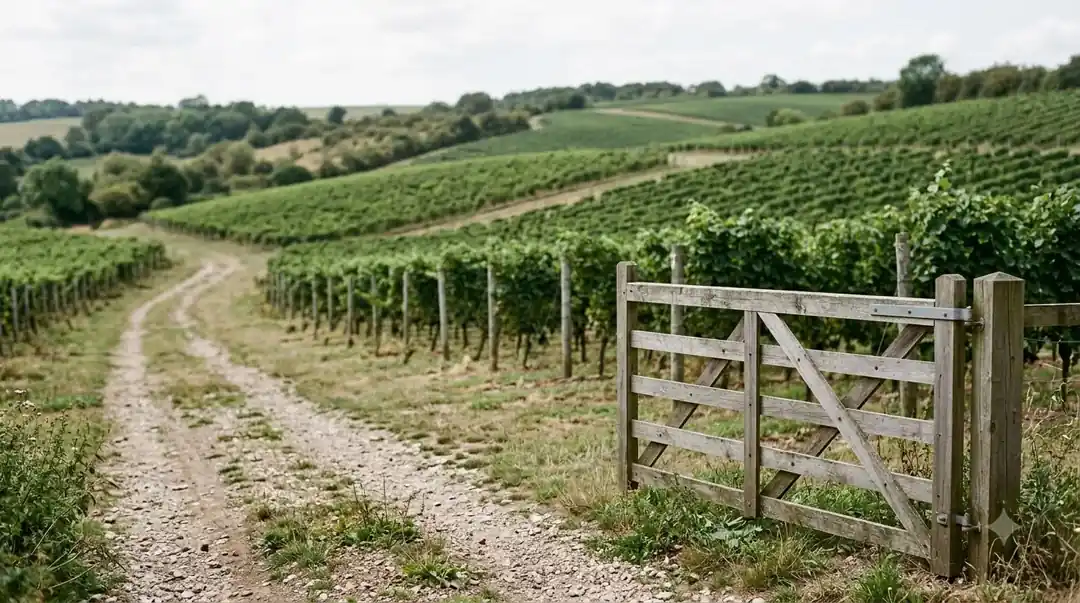
Located roughly 90 miles northeast of Paris, Champagne sits at the northern edge of viable viticulture. The region’s signature chalk soils and cool climate give the three primary grapes—Chardonnay, Pinot Noir, and Pinot Meunier—the razor-sharp natural acidity required for age-worthy sparkling wine. However, that marginal climate also brings frequent spring frosts, hailstorms, and autumn rains that threaten annual crop sizes.
Because the land is finite and strictly regulated by the Comité Champagne, vineyard acreage in top villages carries some of the highest agricultural real estate values in the world. Many famous Champagne houses do not own enough vines to supply all of their production, forcing them to buy fruit from independent growers at steep, tightly negotiated prices every autumn.
Labor-Intensive Farming and Mandatory Hand-Harvesting
Every grape used in Champagne production must be picked by hand rather than by mechanical harvesters, a legal requirement that dramatically increases seasonal labor expenses. Mechanical picking shakes vines aggressively, which can split grape skins and release unwanted color or bitter tannins into the juice.
Since roughly two-thirds of Champagne’s plantings are red-skinned grapes—Pinot Noir and Pinot Meunier—used to make white sparkling wine, keeping the fruit completely intact until it reaches the press is essential. During the brief harvest window, wineries hire tens of thousands of seasonal workers to clip whole clusters gently into shallow crates and transport them quickly to pressing centers.
The pressing itself is also capped by appellation rules. Winemakers are legally restricted on how much juice they can extract from a given weight of grapes, separating the purest first pressing (the cuvée) from the coarser second pressing (the taille). Sacrificing juice volume for purity reduces yield per acre and raises the base cost of every liter of wine.
The Traditional Method and Extended Cellar Aging
Champagne gets its signature fine bubbles from the traditional method (méthode champenoise), a multi-year process in which secondary fermentation happens individually inside every single bottle rather than in bulk steel tanks. After the base still wines are blended, winemakers add a precise mixture of yeast and sugar—known as the liqueur de tirage—and seal the bottle with a temporary crown cap.
As the yeast consumes the sugar inside the sealed bottle, it traps carbon dioxide and builds roughly five to six atmospheres of pressure, which translates to around 75 to 90 pounds per square inch. Once fermentation finishes, the spent yeast cells settle as sediment, called lees, beginning a slow chemical breakdown known as autolysis that creates classic aromas of toasted brioche, roasted hazelnuts, and pastry cream.
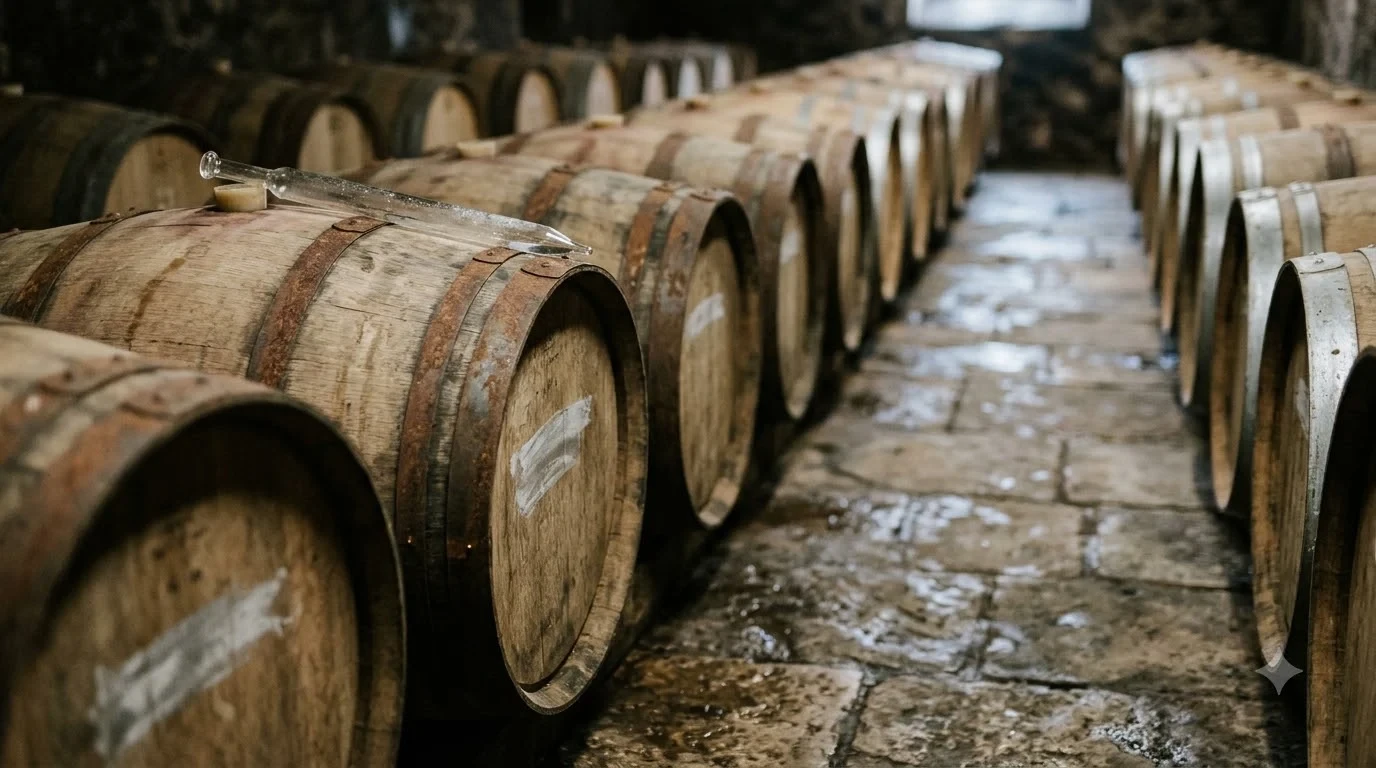
According to Wine Folly, appellation rules mandate at least 15 months of aging for non-vintage Champagne (including at least 12 months on the lees) and a minimum of 36 months for vintage releases. Top houses frequently age their wines well beyond those minimums—often five to ten years for prestige bottlings—requiring vast subterranean chalk cellars, climate management, and years of tied-up capital before any revenue returns.
Champagne vs. Other Sparkling Wines
Comparing Champagne’s production rules with those of Prosecco and Cava highlights why their retail prices sit in completely different tiers. While other sparkling regions streamline fermentation or rely on less costly agricultural land, Champagne’s regulations enforce the slowest and most resource-heavy timeline in the sparkling wine world.
| Feature | Champagne (France) | Cava (Spain) | Prosecco (Italy) |
|---|---|---|---|
| Production Method | Traditional method (in-bottle second fermentation) | Traditional method (in-bottle second fermentation) | Tank / Charmat method (pressurized steel tanks) |
| Minimum Aging | 15 months (non-vintage); 36 months (vintage) | 9 months (entry); 15 months (Reserva); 30 months (Gran Reserva) | Typically 30 days in tank before bottling |
| Harvesting Rules | 100% hand-harvested by law | Mechanical and hand-harvesting permitted | Mechanical and hand-harvesting permitted |
| Primary Grapes | Chardonnay, Pinot Noir, Pinot Meunier | Macabeo, Xarel-lo, Parellada | Glera |
| Typical Pressure | 5 to 6 atmospheres (75–90 psi) | 5 to 6 atmospheres (75–90 psi) | 2 to 4 atmospheres (30–60 psi) |
Notice that Cava shares Champagne’s in-bottle fermentation method, yet entry-level Cava requires only nine months of aging and allows mechanical harvesting across warmer, less expensive vineyard land. Prosecco bypasses bottle aging altogether by conducting secondary fermentation in large stainless-steel autoclaves, allowing producers to move wine from harvest to retail shelves in a matter of months.
Reserve Wines, Packaging, and Global Prestige
Beyond farming and cellar time, maintaining a house’s signature flavor profile year after year requires holding back massive libraries of older reserve wines. Because Champagne’s northern weather fluctuates wildly from cool, rainy summers to warm, sunny ones, non-vintage blends rely on wines from previous harvests to ensure consistency and depth.
Keeping millions of liters of reserve wine in temperature-controlled tanks or oak casks requires significant storage infrastructure and ongoing cellar labor. At the same time, Champagne requires heavy-duty glass bottles thick enough to withstand high internal pressure without shattering, along with natural cork stoppers, wire muselets, and reinforced shipping cartons that drive up freight and packaging expenses.
Global brand equity and marketing also play an undeniable role, particularly among famous grandes marques and luxury prestige cuvées. Centuries of royal patronage, celebratory traditions, and worldwide distribution mean demand consistently outpaces the region’s fixed annual production cap, keeping baseline prices firm across international markets.
Tip: Look for bottles labeled “RM” (Récoltant-Manipulant) in tiny print near the bottom of the label to find independent grower Champagnes, which often deliver exceptional vineyard character without the global marketing markups of major houses.
How to Get the Most Value From Every Bottle
Once you bring a bottle home, treating it properly ensures you experience the complex aromatics and fine mousse you paid for. Serving sparkling wine too warm causes the carbon dioxide to escape rapidly in large, frothy bubbles, whereas serving it icy cold mutes the toasted brioche and orchard fruit notes developed during years on the lees.
Before opening a bottle, check our guide on how long to chill champagne so it lands right in the ideal serving window of 45 to 50 degrees Fahrenheit. If you pour a glass and notice the wine feels tight or overly austere at first, give it a few minutes in a tulip-shaped wine glass rather than a narrow flute; as we explain in our look at why do you let wine breathe, gentle oxygen exposure helps complex aged wines open up aromatically.
If you cannot finish the entire bottle in one sitting, avoid tossing it out or stuffing a paper towel into the neck. Learning how to reseal champagne with an airtight sparkling wine stopper will preserve its carbonation and crisp acidity for up to two or three days in the refrigerator, and you can explore more storage and serving fundamentals in our Wine Q&A hub.
Frequently Asked Questions
Is Champagne always better than Prosecco or Cava?
Not necessarily—it depends on the occasion and the flavor profile you enjoy. Champagne offers richer, toastier complexity and finer bubbles due to extended lees aging, while Prosecco shines when you want bright, fresh green apple and floral notes for casual sipping or spritzes.
Why is vintage Champagne more expensive than non-vintage Champagne?
Vintage Champagne is made exclusively from grapes harvested in a single exceptional year rather than blended across multiple harvests. By law, vintage bottles must age for at least 36 months before release—more than double the 15-month minimum for non-vintage—which increases cellar storage and labor costs.
What is the difference between Grower Champagne and a Champagne House?
Large Champagne houses (maisons) buy grapes from growers across the region to blend a consistent house style at scale. Grower Champagnes are produced and bottled by the same family estate that owns and farms the vineyards, often highlighting single villages and unique soil expressions.
What are the best affordable alternatives to French Champagne?
Look for French Crémant—such as Crémant de Loire, Crémant d’Alsace, or Crémant de Bourgogne—which uses the exact same traditional bottle-fermentation method outside the Champagne borders. Spanish Cava Reserva, Italian Franciacorta, and traditional-method sparkling wines from California or Oregon also offer similar toasty depth at lower price points.
Ultimately, Champagne’s price tag reflects a rare combination of geography, strict agricultural rules, and years of patient cellar work that cannot be rushed. Whether you save a bottle for a milestone toast or explore traditional-method alternatives for a weeknight dinner, knowing how those bubbles are built helps you buy with far more confidence.
More in Wine Basics
 Which Rose Is Best for Your Taste, Budget, and Food PairingsUpdated Nov 21, 2026
 Is Cheap Wine Bad? How to Find Bottles Worth DrinkingUpdated Nov 21, 2026
 What To Write On A Wine Gift Tag: Thoughtful Messages For Every OccasionUpdated Nov 21, 2026
 Which Wine Is Best For Weight Loss? Compare Lower-Calorie ChoicesUpdated Nov 21, 2026
 What Is The Best Wine For Mimosas? Choose Bubbly That Balances Orange JuiceUpdated Nov 20, 2026
 Which Prosecco Is Best for Your Taste and OccasionUpdated Nov 20, 2026