


We may earn a commission when you buy through links on this page, at no extra cost to you. Learn more.
The best wine with mediterranean food is usually a crisp, high-acid white or dry rosé for seafood, vegetables, and mezze, with a balanced red for grilled meat. Assyrtiko, Vermentino, Albariño, and Sauvignon Blanc are reliable white choices, while dry rosé can bridge a table of mixed dishes. For lamb, kebabs, and tomato-rich braises, choose a medium-bodied red with enough freshness to keep the food in focus.
Mediterranean food is not one fixed flavor profile. A meal might bring together lemon, olive oil, ripe tomatoes, fresh herbs, briny olives, salty cheese, grilled seafood, and smoky meat. The best match depends on the ingredients that have the strongest effect on the plate, not simply whether the recipe is Greek, Italian, Spanish, or coastal French.
The Best Wine Styles for a Mediterranean Table
Start with freshness: high-acid whites and dry rosé cover many Mediterranean dishes, while medium-bodied reds work better with roasted or grilled meat. Assyrtiko from Santorini, Vermentino from Sardinia, and a dry rosé from Provence give you three useful starting points.
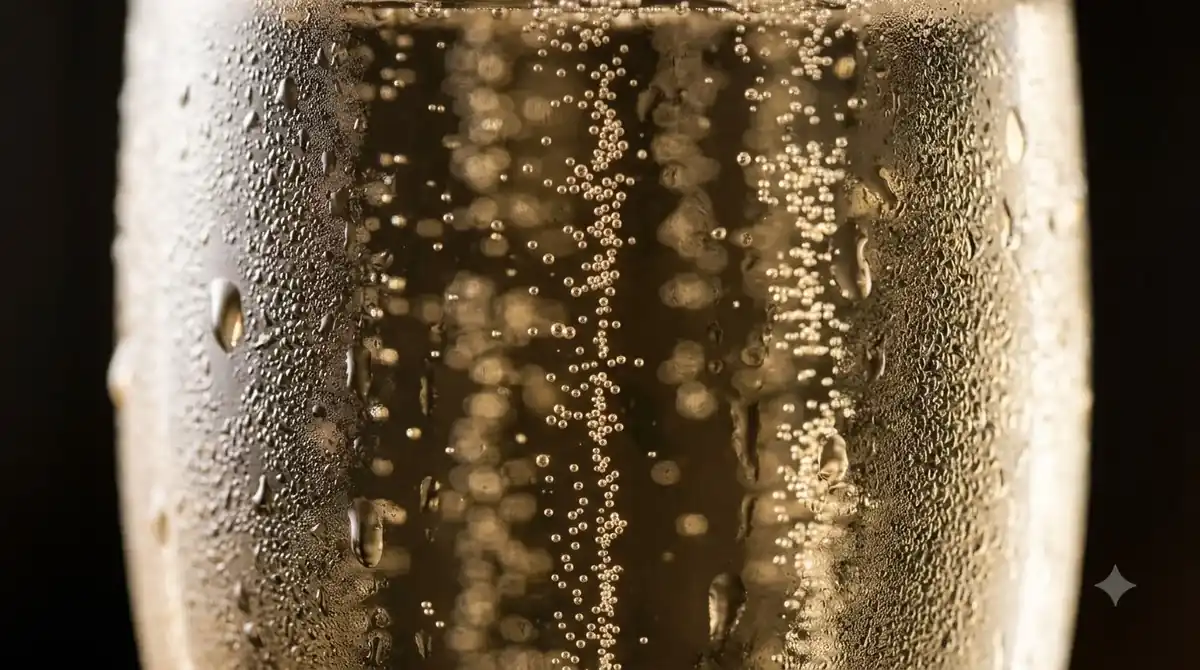
These wines suit the cuisine because they can handle olive oil, lemon, herbs, and salt without overwhelming lighter ingredients. The Wine & Spirit Education Trust’s pairing guidance groups Mediterranean antipasti, falafel, and stuffed grape leaves as salty, oily foods, and recommends structured whites with natural acidity such as Assyrtiko, Carricante, Falanghina, Pinot Grigio, and Vermentino. Their acidity stays lively beside oil, while salt can make the wines’ fruit seem more expressive.
A useful way to think about the table is by weight and intensity. A delicate white fish with parsley and lemon needs less body than lamb shoulder cooked slowly with tomato, garlic, and oregano. If a meal includes several small plates, select a flexible bottle that will not dominate the first dish or disappear beside the last. A mineral white, a dry rosé, or a refreshing sparkling wine usually has more range than a heavily oaked white or a powerful tannic red.
Regional matching is a sensible shortcut, not a rule. Greek food with Greek wine, Spanish tapas with Cava or Albariño, and southern Italian seafood with Vermentino or Campanian whites can all feel natural because the local food and wine traditions developed alongside each other. Still, the dominant flavors on the plate matter more than the passport of the bottle.
Bright Whites for Seafood, Lemon, and Olive Oil
Choose a fresh white with pronounced acidity for grilled fish, shrimp, scallops, calamari, and shellfish served with lemon or olive oil. Assyrtiko, Albariño, Vermentino, and Sauvignon Blanc are particularly dependable because their citrus, herbal, or saline character complements the sea and keeps rich sauces from feeling heavy.

Assyrtiko from Santorini is a strong choice when seafood has char, butter, or a substantial texture. VinePair notes that the grape can produce mineral, high-acid, full-bodied wines, making it a match for grilled scallops, fried soft-shell crab, and buttery lobster. That combination of body and acidity is useful: a very delicate wine may fade next to grilled or buttered seafood, while an overripe, low-acid white can feel soft beside lemon.
For oysters, shrimp, and simply grilled white fish, look for Albariño from Rías Baixas or a crisp Sauvignon Blanc. Albariño brings citrus and a coastal impression; Sauvignon Blanc adds sharper acidity and often green-herb notes that suit parsley, dill, and fresh oregano. Vermentino from Sardinia is another good option for mussels, seafood risotto, or fish with fennel. Fiano, Falanghina, and Greco from Campania offer a little more breadth for grilled fish or linguine with clams.
Preparation changes the choice. A raw or lightly steamed fish with lemon needs a leaner, more incisive white than a grilled sea bass with browned skin and an olive-oil dressing. Fried calamari can also work with a dry sparkling wine because bubbles and acidity refresh the palate after each crisp bite. Oily fish such as sardines and mackerel are better with bright whites or rosé than with tannic red wine, which can leave an unpleasant metallic impression.
Dry Rosé and Sparkling Wine for Mezze and Shared Plates
Dry rosé is one of the most practical choices for a spread that mixes hummus, olives, feta, grilled vegetables, chicken skewers, and cured foods. A crisp Provence-style rosé or a fruitier Garnacha rosado can move from salty appetizers to grilled mains without the weight of a full red.
Rosé style matters more than color alone. Pale, light-bodied examples suit cucumber, tomato, fresh herbs, and seafood, while deeper, fuller rosés can stand up to grilled peppers, lamb, or dishes with paprika. For Greek village salad, a restrained skin-contact white can also work: the wine’s texture and gentle tannin echo feta, oregano, olive oil, and the earthy notes of tomato without requiring one wine to match every ingredient.
Sparkling wine is especially useful when the table includes fried or salty foods. Brut Cava, made with a second fermentation in the bottle, brings freshness and bubbles to olives, anchovies, croquetas, and fried calamari. Dry sparkling wines also suit salty cured meats because salt can soften the impression of tannin and make a dry white or sparkling wine feel rounder. A fino or manzanilla Sherry is another classic match for jamón, Manchego, and briny tapas when you want a savory, dry style rather than fruit-forward wine.
Tip: For a mixed mezze spread, pour one dry rosé or Brut sparkling wine first, then add a more specific white or red only when the main course arrives. This keeps the opening plates flexible without asking one bold bottle to match every flavor.
For a Greek spread with taramasalata, stuffed grape leaves, olives, and grilled skewers, compare the recommendations in our best wine with greek food guide. Orange wine is another option for adventurous guests: choose a fresher, less heavily extracted style so its texture supports the food rather than covering delicate dips and herbs.
Balanced Reds for Lamb, Kebabs, and Grilled Meat
Pair lamb, beef kebabs, grilled pork, and tomato-rich meat dishes with reds that have enough body for the protein but not so much tannin that they overwhelm herbs or sauces. Grenache, Agiorgitiko, Tempranillo, and softer styles of Syrah are useful choices, with the exact match depending on fat, char, and seasoning.
For lamb souvlaki or gyros with tomato, onion, pita, and tzatziki, a lightly chilled, fruit-driven Agiorgitiko can be more successful than a heavy red. Wine Enthusiast’s Greek food pairing guide points to lighter-bodied Agiorgitiko for lamb gyros because its red-fruit character, acidity, and gentle peppery notes work with the meat, marinade, and yogurt sauce. A similar Grenache can fit grilled lamb chops, herb-roasted chicken, and kebabs when the dish has rosemary, oregano, or smoked paprika.
For a richer lamb shoulder or slow-cooked beef stew, move toward Tempranillo or a fuller Grenache blend. Their fruit and structure can meet the depth of browned meat, tomato, and long cooking. Syrah has more pronounced tannin and savory intensity, so it is better with deeply charred meat than with delicate chicken or a plate dominated by lemon and raw vegetables. Cabernet Sauvignon is generally high in tannin and can dominate lighter Mediterranean dishes; save it for substantial grilled beef or lamb rather than seafood or fresh mezze.
Salt and fat soften the perception of tannin, which is why a richer cut of lamb or a salty grilled sausage can make a structured red taste less severe. Merlot is medium in tannin and typically softer than Cabernet Sauvignon, while Pinot Noir has low-to-medium tannin and higher acidity. Pinot Noir can be a better red option for roast chicken, grilled tuna, or lighter meat dishes where a firm, extracted red would be too forceful. For more grape-by-grape options, see our grenache food pairing recommendations.
Vegetables, Tomatoes, Herbs, and Mediterranean Vegetarian Dishes
Vegetable-focused Mediterranean cooking usually benefits from wines with freshness, moderate body, and enough flavor to meet garlic, herbs, legumes, or roasted vegetables. Vermentino, Sauvignon Blanc, Chenin Blanc, dry rosé, and lighter reds can all work, depending on whether the dish is lemony, tomato-based, creamy, or charred.
Tomatoes need a wine with acidity to match their own sharpness. A low-acid wine can taste flat beside tomato salad, pan con tomate, ratatouille, or pasta with fresh tomato sauce. Choose Sauvignon Blanc, Vermentino, Albariño, or a bright red such as Sangiovese. WSET lists Barbera, Corvina, Lambrusco, Nebbiolo, and Sangiovese as options for acidic, salty tomato-based dishes because their freshness meets the tomato while herbal and earthy notes complement basil, oregano, and mushrooms.
For chickpeas, white beans, lentils, and hummus, focus on texture and the strongest seasoning. Lemon and parsley point toward a crisp white; tahini, roasted eggplant, or toasted nuts can welcome a fuller white or a textured skin-contact wine. A dry Chenin Blanc is especially adaptable, with acidity for lemon and enough body for chickpeas or a tahini dressing. Our chenin blanc food pairing guide has more ideas for using this grape beyond seafood.
Grilled zucchini, eggplant, peppers, and mushrooms can take a dry rosé or a light red, especially when the vegetables have smoky edges from the grill. If the plate is dressed with balsamic vinegar or a sharp lemon vinaigrette, make sure the wine is at least as bright as the dressing. Strong bitterness from char or greens can make a very delicate wine seem muted, so choose a wine with clear fruit and enough body to stay present.
Serving Temperatures and a Simple Pairing Method
Serve Mediterranean wines cool enough to feel refreshing, but not so cold that their aromas disappear. Light whites and rosé are best around 45–50°F, full-bodied whites around 50–55°F, light reds around 55–60°F, and full-bodied reds around 60–65°F.
Use the table as a quick starting point when planning a meal. These are practical serving ranges rather than rigid rules; a bottle can warm slightly in the glass, especially outdoors or beside a hot grill.
| Wine style | Useful Mediterranean matches | Serving temperature |
|---|---|---|
| Sparkling wine | Olives, fried calamari, anchovies, croquetas | 40–50°F |
| Light white | Oysters, grilled sea bass, lemony salads | 45–50°F |
| Fuller white | Grilled scallops, lobster, seafood risotto | 50–55°F |
| Dry rosé | Mezze, feta, grilled vegetables, chicken skewers | 45–50°F |
| Light red | Gyros, roast chicken, grilled tuna | 55–60°F |
| Full red | Lamb shoulder, beef kebabs, slow-cooked stew | 60–65°F |
| Sweet white | Fruit desserts, honey pastries, sweet cheese dishes | 43–50°F |
Next, identify the leading flavor rather than trying to account for every ingredient equally. Lemon, vinegar, and tomatoes call for matching acidity. Salt and fat can soften tannin, which helps explain why a structured red can work with grilled lamb or aged cheese. Chili heat is amplified by alcohol and tannin, so if a dish contains harissa or hot pepper, choose a lower-alcohol, fruitier wine with little tannin or a slightly off-dry white rather than a high-proof, powerful red. Sweetness needs the same care: a wine served with dessert should be at least as sweet as the dessert, or the wine may seem sour and thin by comparison. Moscato has low-to-medium acidity and a gentle, aromatic profile that can suit fruit, honey, and lightly sweet pastries; a richer nut or syrup dessert may need a sweeter wine with more concentration. For broader fundamentals, our Wine Pairing resource explains how acidity, sweetness, body, and tannin change the match.
For a relaxed dinner, open one bottle for the first plates and another for the main course rather than forcing one pairing across every course. A 750 ml bottle gives about five standard 5-ounce pours, which is a helpful planning estimate for a small gathering. Keep bottles away from direct sun and heat, and chill them before serving; a red served too warm can feel more alcoholic and heavy than intended.
Frequently Asked Questions
These quick answers cover a few useful distinctions, from Greek island growing conditions to sparkling-wine methods and how long a bottle stays fresh after opening.
What makes Santorini Assyrtiko distinctive?
Santorini is an arid, windy island, and its volcanic soils are part of the setting for Assyrtiko’s intense, mineral character. The grape can combine high acidity with substantial body and alcohol, so it is not limited to delicate seafood.
What is the difference between Cava and Prosecco?
Cava undergoes its second fermentation in the bottle, while Prosecco is generally made from Glera using the tank method. Prosecco is commonly around 11–12% alcohol by volume and often has a softer, fruitier impression, while Cava can show more bottle-fermented texture.
What is fino or manzanilla Sherry?
These are dry styles of Sherry from the Jerez area of southern Spain, matured under a protective layer of yeast known as flor. That biological aging gives them a distinctive savory, sometimes almond-like character and keeps them markedly different from richer, oxidatively aged Sherry styles.
Is orange wine made from oranges?
No. It is usually made from white grapes fermented with their skins rather than from orange fruit. The extended skin contact extracts color and phenolic compounds, which can give the wine a faint grip more commonly associated with red wine.
How long can I keep an opened bottle?
Most opened still wines keep for about 3–5 days in the refrigerator when recorked, while sparkling wine is usually best within 1–3 days with a proper stopper. Fortified wines can last several weeks after opening because their higher alcohol content slows deterioration.
The most reliable Mediterranean pairings begin with acidity, weight, and the dish’s strongest seasoning: crisp whites for seafood and lemon, dry rosé for mixed plates, and balanced reds for grilled or slow-cooked meat. Keep the wine fresh, serve it at the right temperature, and let the food lead the choice rather than following a rigid regional rule.
More in Food & Wine Pairing
 Risotto With White Wine Recipe: Make a Creamy Dinner at HomeUpdated Nov 20, 2026
 Wassail With Wine Recipe for a Festive Spiced Holiday DrinkUpdated Nov 20, 2026
 Spritz Veneziano Recipe: Make a Classic Venetian Aperitivo at HomeUpdated Nov 20, 2026
 Summer Wine Punch Recipe for Easy Homemade EntertainingUpdated Nov 20, 2026
 Bishop Recipe: How to Make a Bright, Citrus-Forward Red Wine CocktailUpdated Nov 20, 2026
 Wine Cupcakes Recipe: Bake Rich Chocolate Cupcakes at HomeUpdated Nov 20, 2026