

We may earn a commission when you buy through links on this page, at no extra cost to you. Learn more.
Whispering Angel wine is a dry rosé made by Château d’Esclans in Provence, France, under the Côtes de Provence appellation. It became one of the best-known rosés sold in the United States after Sacha Lichine bought the estate in 2005 and aimed its marketing at North America. This guide covers who makes the wine, what it tastes like, how to serve it, and which foods pair well with it.
Whispering Angel shows up on many American wine lists and shop shelves, so it is a common first pick for people who want to try Provence rosé. Knowing where the wine comes from helps you decide whether it suits a warm afternoon, a casual dinner, or a more formal table.
Who makes Whispering Angel
Whispering Angel is produced by Château d’Esclans, a rosé estate in the Côtes de Provence AOC. The estate’s own history says the property was once a residence of the Counts of Provence and later passed through several owners before it came to Sacha Lichine. He bought the château in 2005 from a Swedish pension fund.
Lichine spent roughly the next decade expanding output and hired Patrick Léon, a former Mouton Rothschild winemaker, to make the wine. Those changes turned a small estate into a brand with wide distribution, which is why the name is easy to find today.
How the brand reached American shelves
From the start, Lichine’s strategy was aimed at the North American market. Rather than treating rosé as a niche bottle for a few specialists, the estate promoted it as an everyday wine for warm weather and social meals. The estate’s history credits this approach with helping revive wider interest in rosé.
In 2019, LVMH acquired a 55 percent stake in the château. Lichine kept the remaining 45 percent, according to the estate’s account. The purchase price was not disclosed publicly, so the ownership change is best understood as a sign of how large the brand had become, not as a detail that changes what is in the bottle.
What the wine is made from
The grape list for each bottle is on the label, and the producer’s materials do not give a single fixed blend for every vintage. That makes the label the most reliable source for the grapes in the bottle you are holding.
Grenache is one of the grapes that shows up in many rosés, and Wine Folly’s grenache profile explains that the grape can make richly colored, ruby-hued rosé. Grenache grows across the Mediterranean, and the grape’s origin is usually traced to northeastern Spain, where it is called Garnacha. Knowing this helps when you read a label and try to link a flavor to a grape.
Whispering Angel is a pale, dry rosé, so its color and body are lighter than the deeper rosés made with more skin contact. Expect a clean, fresh style rather than a heavy one.
What Whispering Angel tastes like
Provence rosé is usually pale, dry, and light in body. Drinkers often describe red berry, citrus, and a fresh, herbal edge, though the exact profile depends on the blend and the vintage. The style is built to be easy to drink, with bright acidity and a clean finish rather than a heavy texture.
If you are used to sweet blush wines, the difference will be clear. Dry rosé has very little leftover sugar, so the fruit tastes brighter and less syrupy. Wine Folly’s grenache profile describes that grape’s typical flavors as strawberry, plum, and dried herbs, which can help you recognize similar notes in a rosé blend.
| Topic | What to know |
|---|---|
| Region | Provence, France, Côtes de Provence AOC |
| Producer | Château d’Esclans |
| Style | Dry, pale rosé with a light body |
| Ownership | LVMH holds 55 percent, Sacha Lichine keeps 45 percent |
How to serve Whispering Angel
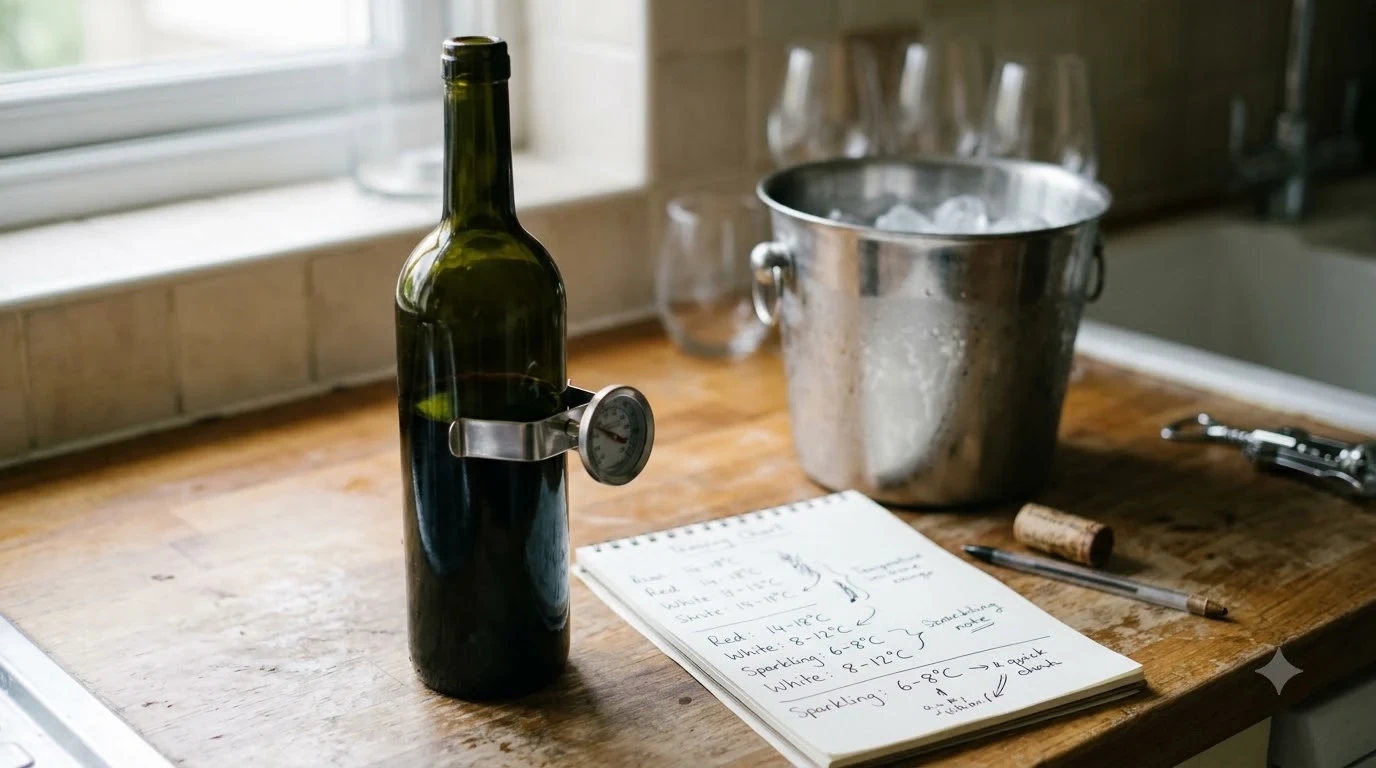
Serve rosé well chilled but not ice cold, so the aromas have room to show. A standard wine glass works well, and a slightly larger bowl lets the scent open up when you swirl. Drink the bottle while it is fresh, since rosé is meant to be enjoyed young.
Keep the bottle in the refrigerator until you pour. Rosé that is too warm tastes flatter and loses the bright acidity that makes it refreshing, so it is worth chilling the bottle for a few hours before a gathering.
Tip: Keep a second bottle cold in a bucket of ice on the table if the afternoon runs long. The wine stays crisp that way without the first bottle warming up.
Food pairings for Provence rosé
Dry rosé is a good match for seafood, salads with fresh herbs, and light Mediterranean dishes. Its acidity cuts through olive oil and lemon, so grilled fish or a plate of roasted vegetables with olive oil feels balanced rather than heavy.
It also works with soft cheeses, fresh fruit, and simple cured meats. Keep the plate bright and uncomplicated, and let the wine carry the flavor. Heavy cream sauces and very rich, smoky dishes tend to overpower a light rosé.
Who Whispering Angel suits
Whispering Angel suits people who want a dry, easy-drinking rosé for warm weather, lunches on a patio, or an outdoor evening. It is a practical choice for guests who are new to dry wine, because the style is clean and not demanding.
If you prefer a bold red or a rich, oaky white, this style may feel too light for the main course. It works better as an aperitif or a companion to lighter food than as a replacement for a full-bodied dinner wine.
Dry rosé and blush: what the difference is
Many people first meet rosé through sweet pink wines, so the dry style can surprise them. Dry rosé is made to taste fresh rather than sugary, and that is the main difference in the glass. A pale color is a helpful clue, but color alone does not guarantee a style, so reading the label and checking a current review is the most reliable way to know what you are buying.
The vintage printed on the label also matters. Rosé is usually at its best within a year or two of the harvest, so a recent bottle tends to show the fruit and acidity the style is known for.
Storing and buying Whispering Angel
Keep unopened bottles cool and out of direct sun, and chill them well before serving. Once opened, rosé keeps for only a day or two in the refrigerator, so plan to finish the bottle or share it soon after pouring.
Because the wine is popular, it can sell out quickly in some stores. If you find it on a shelf you trust, buying a single bottle to try before committing to a case is a sensible way to learn whether the style suits your table. Wine lists in restaurants are another good place to try it by the glass.
Read the producer’s history
The estate’s history gives useful background on how the brand grew from a small château into a widely sold label. The summary of the château, its owners, and its North American strategy is on the Château d’Esclans page on Wikipedia. Treat it as background, and check the label for the current vintage and details.
Frequently Asked Questions
Is Whispering Angel a dry wine?
Yes. It is a dry rosé from Provence, so it tastes fresher and less sweet than many pink wines sold as blush.
Where is Whispering Angel made?
It is produced by Château d’Esclans in Provence, France, under the Côtes de Provence appellation.
Who owns Château d’Esclans?
Sacha Lichine bought the château in 2005. In 2019, LVMH acquired a 55 percent stake, and Lichine kept the remaining 45 percent.
What food goes with Whispering Angel?
Seafood, fresh salads, and light Mediterranean dishes are good matches. The wine’s acidity suits lemon, olive oil, and herbs.
If you want to see how other pink and red styles compare, browse our wine brands guide. For a richer red to set beside a rosé at the same dinner, our Spottswoode wine page shows how a Napa Cabernet differs in body and structure.
More in Wine Brands
 Underwood Wine Price: Compare Bottles, Cans, and Pack SizesUpdated Nov 21, 2026
 Zenato Wine Price: Compare Styles and Choose the Right BottleUpdated Nov 21, 2026
 Zuccardi Wine Price: Compare Bottles and Find the Right RangeUpdated Nov 21, 2026
 Yellow Tail Moscato Review: Taste, Sweetness and Serving TipsUpdated Nov 21, 2026
 Wolf Blass Yellow Label Review: Choose Your Best StyleUpdated Nov 21, 2026
 Wolffer Estate Rose Review: Choose the Right Bottle for Your TableUpdated Nov 21, 2026