

We may earn a commission when you buy through links on this page, at no extra cost to you. Learn more.
Carignan wine is a red wine made from the Carignan grape, widely grown in southern France and Spain. Wine Folly lists dried cranberry, raspberry, tobacco leaf, baking spices and cured meat as its main flavors, with medium body and medium-high acidity. It is often a blending wine, and its bright acidity makes it a good match for spiced and smoky dishes.
Carignan has a mixed reputation. For decades it was a workhorse grape, valued for volume and used in cheap bulk wine, but producers have since shown that old vines can make wines with real depth. This guide covers what Carignan tastes like, where it grows, how it is used in blends and single-variety wines, and how to serve and pair it.
What Carignan Wine Is
Carignan is a red grape that goes by several names. Wikipedia lists Cariñena, Mazuelo, Samsó in Catalonia, Carignano in Italy and Carignane in California. The name Samsó can be confusing, since it is also used for Cinsault in some areas, so check the producer’s description when you buy.
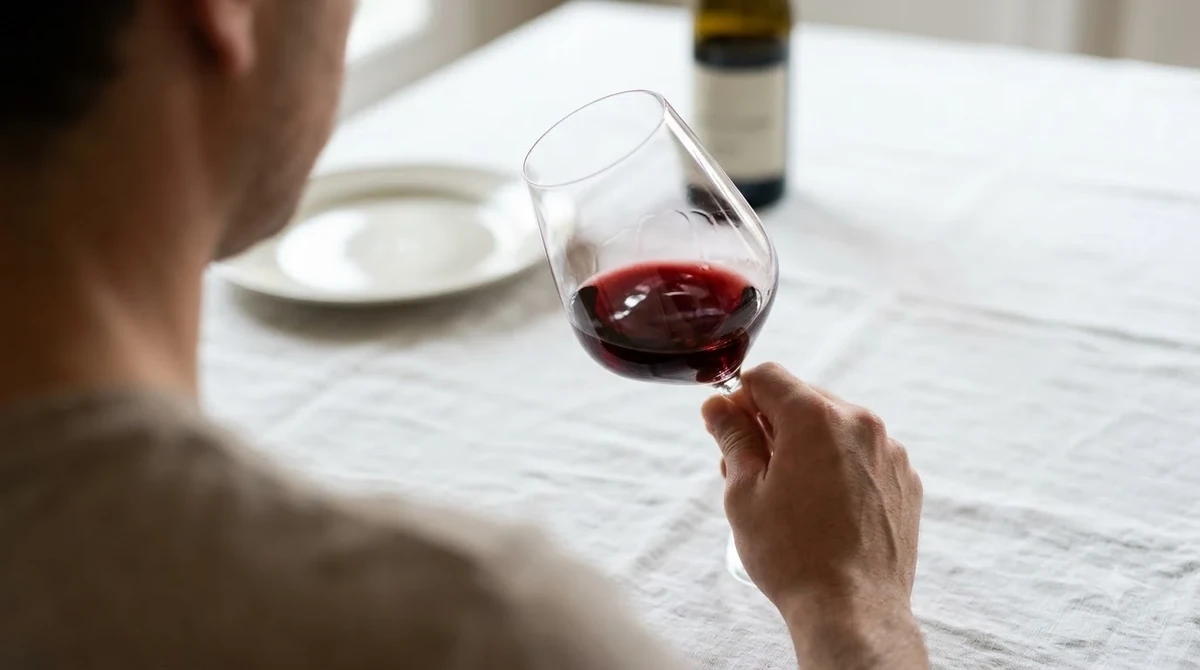
Carignan has long been a deep-coloring component in red blends. Wikipedia notes that it was a historical part of Rioja’s red blends, and that it has been widely used in everyday wines in France. Today, many producers use it in blends to add color and structure, and a smaller number make it as a varietal wine from old vines.
Flavor Profile and Structure
Carignan tastes savory and bright. Wine Folly’s Carignan grape guide lists dried cranberry, raspberry, tobacco leaf, baking spices and cured meat as the main flavors, which gives the wine a fruit-forward but earthy character.
Structure varies by source. Wine Folly rates Carignan’s tannin as medium and its acidity as medium-high. Wikipedia describes the red wine as naturally high in acidity and tannin, which can make it hard to produce a wine with finesse unless the grapes are well managed or the wine is blended.
| Trait | What to expect |
|---|---|
| Style | Dry red, often blended |
| Body | Medium |
| Tannin | Medium (Wine Folly), higher in some styles (Wikipedia) |
| Acidity | Medium-high |
| Alcohol | About 13.5% to 15% ABV |
| Main flavors | Dried cranberry, raspberry, tobacco leaf, baking spices |
Tip: If a bottle is labeled as a blend, check whether Carignan is a small share or the main grape. Blends with Syrah or Grenache, which Wikipedia names as the grape’s best partners, usually feel softer and more fruit-forward.
Where Carignan Grows
Where the grape is grown matters for the final wine. Languedoc’s warm, dry climate suits the vine, and the region’s wines range from everyday bottles to more serious blends. In Spain, old bushvines in Priorat show how the grape can produce concentrated, structured wines when yields are kept low.
Carignan is most widely planted in France, particularly in the Languedoc region across the Aude, Gard and Hérault départements. Spain is the next largest home for the grape, with old bushvines in Priorat in Catalonia, according to Wikipedia.

Wikipedia also notes plantings in Sardinia, which holds more than 97 percent of Italy’s Carignano vines, and in North Africa, Israel and parts of the Americas and Australia. Plantings in France peaked in 1988 at about 167,000 hectares, then fell sharply after an EU vine-pull scheme. By 2009, French plantings had dropped to about 53,155 hectares, which shows how much the grape’s role has changed.
Carignan in Blends and Single-Variety Wines
When you read a blend label, the proportion of Carignan matters. A small share can add color and a savory note to a wine built mostly on Syrah or Grenache, while a higher share gives the blend more acidity and backbone. Reading the producer’s notes or the back label is the simplest way to see which role the grape plays in your bottle.
Carignan is often blended, and Wikipedia names Syrah and Grenache as its best partners.
Those grapes soften Carignan’s acidity and tannin and add rustic fruit and perfume. In a blend, Carignan contributes color, backbone and a savory edge.
Single-variety Carignan is less common but can be serious wine. Wikipedia mentions old-vine Priorat wines and a Ridge Vineyards wine made from vines planted in the 1880s. Carignan has also been used in inexpensive jug and box wines, which helps explain why its reputation changed over time.
How to Serve Carignan Wine
Serving temperature and glassware are simple habits that make a noticeable difference with a savory red. A universal glass gives the wine room to show its spice without flattening the fruit, and a wine that has warmed too much can taste heavier than it is.
Carignan is best served slightly cooler than many reds. Wine Folly recommends serving it at 60 to 68 °F (15 to 20 °C), and suggests a universal wine glass that works for medium-bodied reds.
Wine Folly also suggests decanting for about 30 minutes, which lets the spice and fruit open up. Its cellaring window is about five to ten years, so most bottles are ready to drink within a few years of release, while older bottles can be more complex.
- Chill the bottle lightly if it sits above 68 °F in a warm room.
- Decant for about 30 minutes before pouring, especially for a young or tannic bottle.
- Pour into a universal wine glass and serve with food.
Food Pairings for Carignan
Carignan is also a sensible choice for a casual gathering. Its acidity and spice make it easy to share with a range of guests, from people who want a fruit-forward red to those who prefer something savory. Pour it with a platter of cured meats, roasted nuts and aged cheese if you are serving it before the main meal.
Carignan suits spiced and smoky food. Wine Folly suggests cinnamon-spiced dishes, berry-based sauces and smoky meats, and notes that it fits Thanksgiving and other holiday meals well. The wine’s acidity cuts through rich food, and its savory edge matches roasted meat and autumn vegetables.
For a simple dinner, try roast turkey with a cranberry sauce, grilled sausages with paprika, or a slow-cooked beef dish with root vegetables. The cranberry and spice notes in the wine tie naturally to holiday flavors. If you are also comparing reds with a similar fruit-and-acid profile, our guide to cabernet franc wine is a good next step, and wine by type groups other red styles together. For a different red with a bold character, see our pinotage grape guide.
Carignan also pairs well with dishes that bring out its earthy side, such as lentils with smoked sausage, mushroom risotto and roasted root vegetables. Dishes with a little sweetness, like a braise with dried fruit, can echo the wine’s cranberry and raspberry notes. Keep sauces lighter than the wine so the grape’s character stays in focus.
Frequently Asked Questions
What does Carignan wine taste like?
Wine Folly lists dried cranberry, raspberry, tobacco leaf and baking spices as the main flavors, with a savory, earthy finish. The wine has medium body and medium-high acidity.
Is Carignan a good wine to age?
Wine Folly suggests a cellaring window of about five to ten years. Young bottles are fruity and bright, while older ones can show more earth and spice.
Should Carignan be decanted?
Wine Folly suggests decanting for about 30 minutes. This lets the spice and fruit show more clearly.
Where is Carignan grown?
Most Carignan is grown in France, especially the Languedoc, with Spain as the next largest home. Sardinia, North Africa and parts of the Americas and Australia also have plantings.
Carignan is a red worth trying if you want something savory and bright. Start with a blend or a bottle from an old-vine producer, decant it briefly and serve it with a holiday roast or a spiced dish. Compare it with a fruitier red to see how its earthy, acidic character changes the meal.
More in Wine Types & Grapes
 Zinfandel Sugar Content: Dry Red vs. White Zinfandel GramsUpdated Nov 21, 2026
 Best Zinfandel Substitute Options for Sipping and CookingUpdated Nov 21, 2026
 Zweigelt Food Pairing: Best Dishes, Cheeses, and Serving TipsUpdated Nov 21, 2026
 Zinfandel Tannins Explained: How Structure Shapes Every BottleUpdated Nov 21, 2026
 Zinfandel Sweetness Level: Dry Red vs. Sweet White Zin ExplainedUpdated Nov 21, 2026
 Xinomavro Food Pairing: Best Dishes, Styles, and Serving TipsUpdated Nov 21, 2026