

We may earn a commission when you buy through links on this page, at no extra cost to you. Learn more.
Santa Cristina Chianti is a Tuscan red wine sold under the Chianti Superiore DOCG designation, known for its Sangiovese-led character, fresh acidity, cherry aromas, and soft tannins. The producer’s published 2020 technical sheet describes a ruby-red wine with purplish highlights, notes of morello cherry and aromatic herbs, and a long, savory finish. It is a versatile choice for pasta, tomato-based dishes, roasted meats, and traditional Italian meals.
Santa Cristina has a long association with Tuscan winemaking, beginning with its first vintage in 1946. Its Chianti Superiore bottling connects that history with a familiar regional style: a dry red that puts fruit, freshness, and food compatibility ahead of heavy oak or unusually firm tannins. Understanding the label, the grape traditions, and the producer’s approach makes it easier to decide whether this wine matches your taste and dinner plans.
Santa Cristina Chianti and the Label to Look For
Santa Cristina Chianti is most accurately identified by its full product designation, Santa Cristina Chianti Superiore DOCG. It is a Tuscan red from the Chianti appellation, made in a category with its own production requirements and a style intended to retain the character of the region’s traditional grapes.
The Santa Cristina wine story began in 1946, when the first vintage was produced. The producer’s technical information places its winery near Cortona, a historic town in Tuscany, and explains that a dedicated winery was established there in 2006. This distinction matters because the wine’s history predates the modern winery building. Santa Cristina developed from an established wine label into a broader family of wines, while retaining a recognizable connection to Tuscan grapes and winemaking.
It is also important to distinguish Santa Cristina Chianti Superiore from other wines carrying the Santa Cristina name. The producer makes a wider collection, and the Santa Cristina name alone does not mean every red in that collection is a Chianti. A bottle labeled Toscana IGT, for example, belongs to a different classification from one specifically labeled Chianti Superiore DOCG. The two categories have different geographic and production rules. Looking for the full Chianti Superiore wording is the clearest way to identify the wine discussed here.
The distinction is useful for shoppers comparing Italian reds. A regional designation tells you more than the producer’s name alone: it identifies the wine’s appellation and indicates that it must meet the applicable production standards. Santa Cristina Chianti Superiore is therefore a more specific choice than simply selecting a Santa Cristina red. Readers comparing Italian producers can also explore Zenato wine for another perspective on regional Italian winemaking.
The producer’s published 2020 technical information lists the wine at 13% alcohol by volume. That provides a useful reference point for the bottling documented in the technical sheet, although alcohol levels and sensory details can differ between vintages. The wine is best approached as a dry, medium-bodied Tuscan red rather than as a heavy, highly extracted red intended to dominate a meal.
Sangiovese, Structure, and Flavor
Sangiovese is the central grape behind Chianti’s identity, giving the wine its characteristic combination of red-fruit flavor, freshness, and moderate tannin. Santa Cristina’s documented Chianti Superiore expresses that regional profile through cherry aromas, herbal notes, a soft palate, and a savory finish.
Sangiovese is known for naturally high acidity, which is one reason it works so well with tomato-based sauces and dishes containing rich or savory ingredients. Its fruit profile commonly includes red cherry and black cherry, while floral and earthy details can add complexity. Depending on the site, ripeness, and winemaking approach, the grape can also show violet, dried herb, spice, and subtle earthy characteristics. These qualities make Sangiovese different from a red built around the softer fruit and lower acidity of Merlot or the more pronounced tannin of Cabernet Sauvignon.
The producer’s tasting description for the 2020 Santa Cristina Chianti Superiore identifies morello cherry as a leading aroma. Morello cherry is a darker, slightly tart cherry impression rather than the sweet, candy-like character associated with some fruit-forward red wines. Aromatic herbs and hay add a savory dimension. Those notes help explain why the wine can work with both simple tomato pasta and meals featuring roasted meat or herbs.
On the palate, the producer describes the wine as soft and mouth-filling, with velvety tannins and a long, flavorful finish. Tannin creates a drying sensation in the mouth, particularly around the gums and cheeks. In a wine with a softer tannic impression, that sensation is present without becoming aggressively grippy. Fresh acidity balances the fruit and helps keep each sip lively. The result is a red that can feel generous without becoming excessively heavy.
For a general comparison, Wine Enthusiast describes classic Chianti through its ruby appearance, cherry fruit, fresh acidity, and moderate tannins. Its explanation of Sangiovese and Chianti’s regional style is useful for understanding why those characteristics are associated with the appellation rather than being unique to one producer.
Do not expect every vintage to show exactly the same balance of cherry, herbs, and savory notes. Harvest conditions, grape ripeness, fermentation, and aging can change how prominent each element becomes. A warmer season may bring riper fruit impressions, while a cooler season may emphasize acidity and sharper red-fruit flavors. The published 2020 description offers a specific reference, not a guarantee that every later vintage will reproduce the same aroma and texture.
Chianti Superiore DOCG and Tuscany’s Wine Geography
Chianti Superiore belongs to the broader Chianti DOCG, a large Tuscan appellation that is distinct from Chianti Classico DOCG. Knowing the difference helps explain the Santa Cristina label and prevents confusion between two names that often appear together in wine shops.
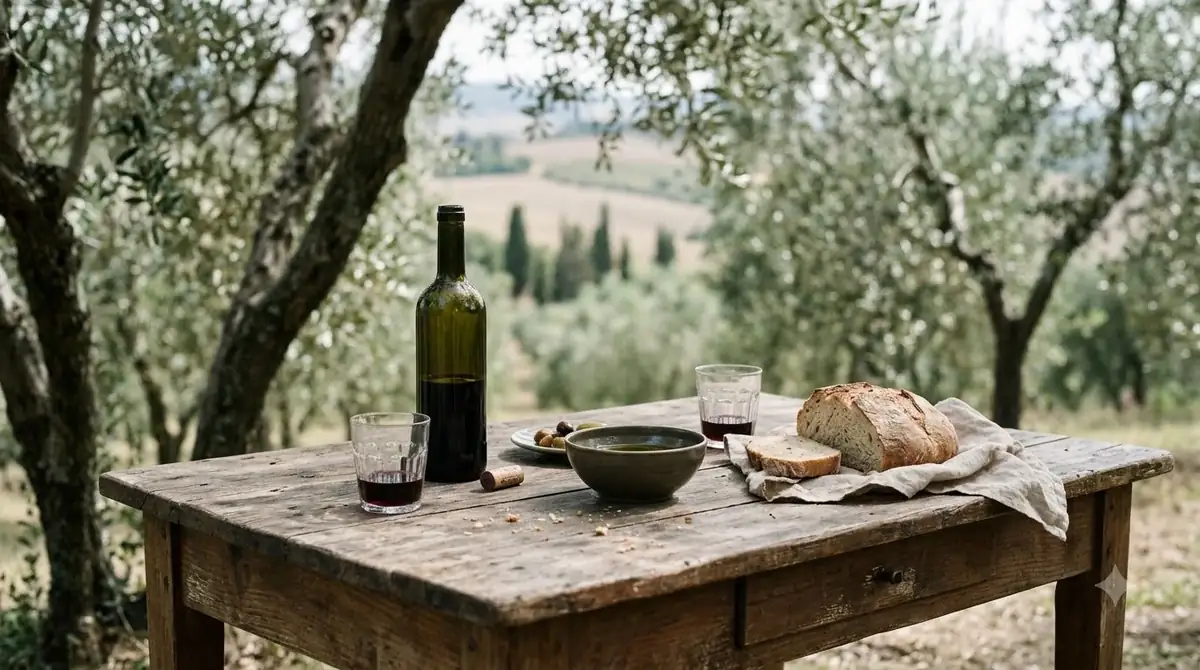
The broader Chianti DOCG covers an extensive area of Tuscany, including vineyards around provinces such as Florence, Siena, Arezzo, and Pisa. It contains several geographical subzones, including Chianti Rufina, Colli Senesi, Colli Fiorentini, and Montalbano. The range of locations means that Chianti is not one uniform wine style. Elevation, soil composition, temperature differences, grape selection, and producer decisions can all influence the final wine.
Chianti Classico is a separate DOCG for the historic core between Florence and Siena. Its name refers to a more geographically concentrated production area, with its own blending and aging rules. The larger Chianti DOCG covers a much broader territory, and wines may be labeled with the name of a specific subzone or simply as Chianti. Santa Cristina’s product sheet identifies its wine as Chianti Superiore DOCG, so it should not be described as Chianti Classico.
Sangiovese is the principal grape in the broader Chianti tradition. WSET describes Chianti DOCG as requiring at least 70% Sangiovese, with permitted complementary varieties that can include Canaiolo Nero, Colorino, Merlot, Cabernet Sauvignon, and Syrah. The precise permitted composition depends on the applicable classification rules. The remaining portion can contribute additional fruit, softness, structure, or aromatic detail while keeping Sangiovese at the center of the wine.
The Superiore designation also carries additional production requirements. It is not simply decorative wording or an alternative spelling of standard Chianti. According to WSET, Chianti Superiore must age for at least nine months, including at least three months in bottle. These requirements distinguish it from the basic Chianti category. They also help explain why a bottle carrying the Superiore wording should be considered within its own classification rather than treated as interchangeable with every Chianti DOCG wine.
The regional name carries a long history. Tuscany’s official tourism information dates the first delimitation of the Chianti production area to 1932, followed by DOC status in 1967 and DOCG recognition in 1984. The history and geography are important because the name Chianti represents a regulated wine origin, not simply a flavor description. For more detail on the broader area and its production traditions, consult the official Tuscany overview of Chianti DOCG.
How the 2020 Santa Cristina Wine Was Made
The producer’s 2020 technical sheet describes a two-part fermentation and maceration process designed to develop fruit expression while building a more substantial flavor profile. The two portions received different skin-contact periods and temperatures before the wine completed malolactic fermentation and aged in stainless steel.
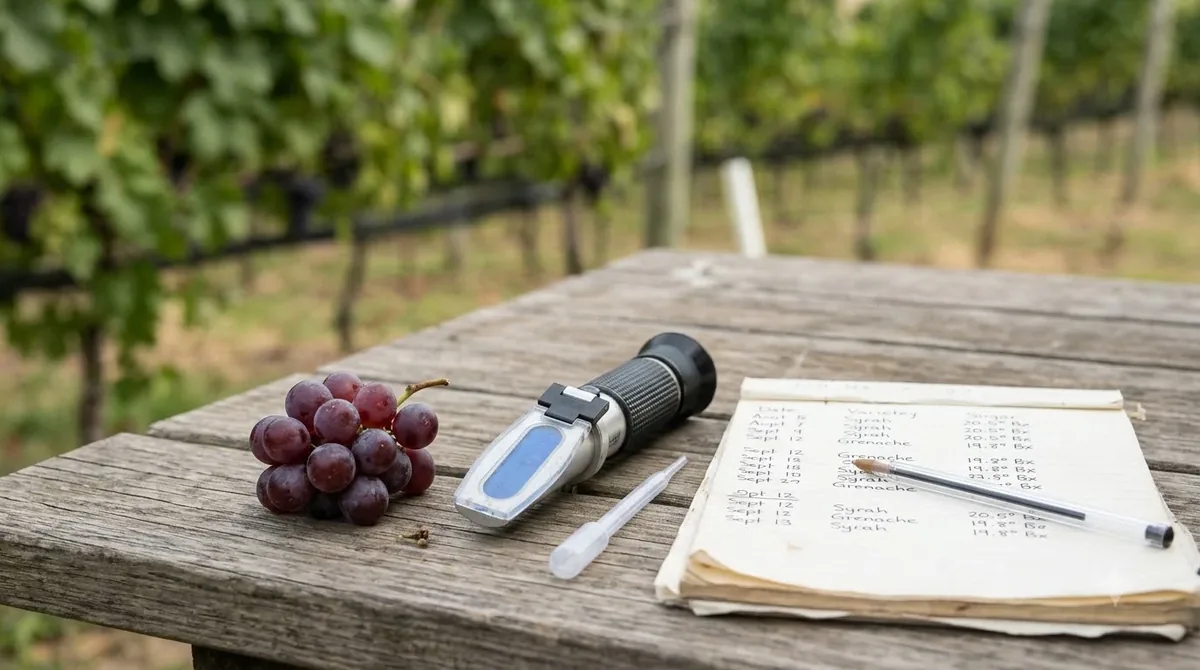
The harvest began in the second week of September and continued until mid-October. The international varieties were harvested earlier in the season, while Sangiovese was collected toward the end. This staggered schedule reflects differences in grape-ripening patterns: varieties do not necessarily reach the desired balance of sugar, acidity, and flavor at the same time. Picking individual grape varieties at different points allows the winemaking team to handle them according to their condition rather than forcing one harvest date on the entire blend.
The producer divided the grapes into two lots for maceration. One portion spent seven to eight days on the skins at a maximum temperature of 25°C (77°F). The purpose described in the technical sheet was to encourage soft tannin extraction while preserving fruit aromas. The larger portion underwent a longer maceration of 10 to 12 days at 30°C (86°F), with gentle pump-overs intended to increase flavor intensity. Skin contact affects a red wine’s color, tannin, and flavor development, while fermentation temperature influences how the wine develops during this stage.
The following table summarizes the specific production details published for the 2020 bottling. These figures describe that vintage rather than a guaranteed recipe for every subsequent release.
| Production detail | 2020 Santa Cristina Chianti Superiore |
|---|---|
| Harvest period | Second week of September to mid-October |
| First maceration | 7–8 days, maximum 25°C (77°F) |
| Second maceration | 10–12 days at 30°C (86°F) |
| Malolactic fermentation | November |
| Aging vessel | Stainless-steel vats |
| Alcohol content | 13% ABV |
| Bottling began | Early June 2022 |
After the two fermentation paths, malolactic fermentation took place in November. This secondary process converts sharper malic acid into softer lactic acid, helping shape the wine’s overall texture and balance. The wine was then aged in stainless-steel vats. Stainless steel does not add the vanilla, toast, or spice aromas associated with oak barrels, so it allows the grape and fermentation characteristics to remain more prominent. For the 2020 Santa Cristina bottling, the producer’s tasting notes focus on cherry, herbs, hay, and velvety tannins rather than pronounced oak flavors.
The technical sheet records bottling from the beginning of June 2022. The producer also describes the wine as having a long and flavorful finish. Those details provide context for the finished style: a Tuscan red with a clear fruit profile, supportive structure, and a finish suited to food. For other vintages, the balance may shift because harvest conditions and cellar decisions are not identical from one year to the next.
Serving Temperature, Glassware, and Storage
Santa Cristina Chianti Superiore is best served slightly cool rather than warm, with a practical target of about 60–62°F. This temperature helps preserve the wine’s cherry aromas and fresh acidity while allowing its savory notes and soft tannins to show clearly.
A bottle served too warm can seem more alcoholic and less defined, especially as it sits in a dining room. Serving it a little cooler helps maintain freshness. If the wine has been stored at a typical room temperature, a short period in the refrigerator can bring it closer to the desired range. Avoid serving it very cold, since excessive chilling can mute aromas and make the tannins seem firmer than they are.
A standard red-wine glass with a bowl wide enough to allow gentle swirling is suitable. There is no need for a highly specialized glass to appreciate the fruit and herbal details. Pour a moderate serving rather than filling the glass to the rim; leaving space makes it easier to swirl the wine and smell its aromas. The wine can be enjoyed soon after opening, and the 2020 technical sheet does not identify a requirement for extended decanting.
Tip: Start at approximately 60°F and let the wine warm gradually in the glass. If the morello cherry and herbal aromas seem muted straight from the refrigerator, give it a few minutes before serving another pour.
For storage, keep unopened bottles away from sunlight, strong temperature changes, and heat sources. A consistent environment near 55°F is a useful target. Bottles with natural cork closures are generally stored on their sides so the cork remains in contact with the wine. A cool, dark cabinet or wine refrigerator is preferable to a warm kitchen shelf, especially if the bottle will be kept for more than a short period.
Once opened, reseal the bottle and keep it in the refrigerator. Cooler storage slows the oxidation process and helps preserve the wine’s fruit and freshness. Before serving again, allow the wine to move closer to its preferred drinking temperature. A young Chianti Superiore is generally approached as a wine for enjoying while its fruit remains fresh, rather than as a bottle that needs years of cellar development. Good storage protects its character, but it cannot reverse the gradual changes that occur after opening.
Food Pairings for Santa Cristina Chianti
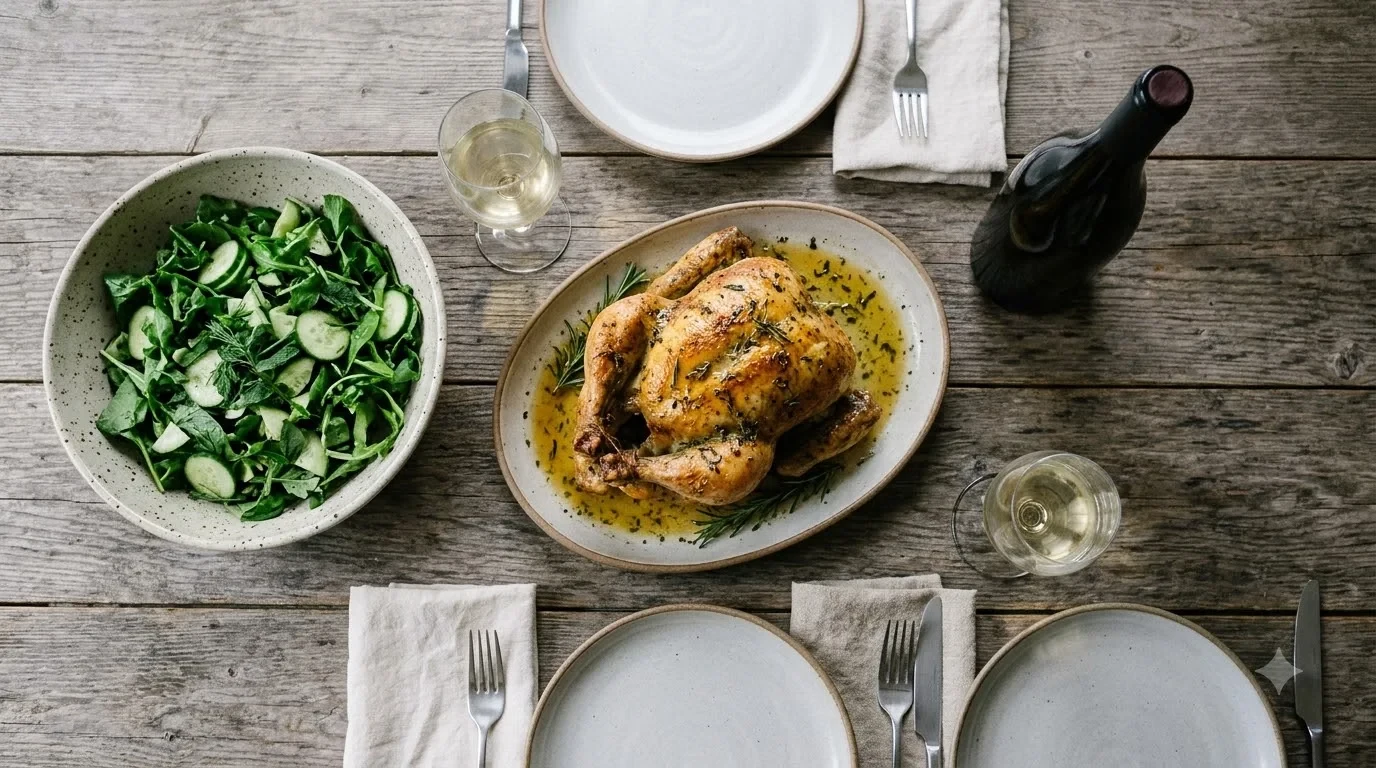
Santa Cristina Chianti is especially well suited to savory food with enough flavor to meet its acidity and moderate tannin. Tomato pasta, pizza, grilled sausages, roasted chicken, and beef dishes are natural matches because their seasoning, fat, and savory ingredients complement the wine’s cherry fruit and herbal character.
Tomato-based pasta is one of the most dependable pairings. The acidity in tomato sauce can make a low-acid wine seem flat, but Sangiovese’s naturally fresh profile gives it a better chance of staying balanced alongside the sauce. Try the wine with spaghetti al pomodoro, baked pasta, or a meat ragù. The cherry notes work well with ripe tomatoes, while herbs such as oregano, rosemary, and basil echo the wine’s savory character.
Pizza is another practical choice. A classic Margherita, a sausage pizza, or a version topped with mushrooms can all work well. Tomato sauce supplies acidity, cheese adds fat and salt, and a browned crust contributes roasted flavors. Salt and fat also soften the perception of tannin, making the wine seem smoother alongside the food. A heavily sweetened barbecue sauce is less suitable because sweetness can make a dry wine taste sharper and more sour.
For a meat-focused meal, consider grilled steak, pork chops, Italian sausages, or roast chicken with herbs. The wine’s acidity helps cut through richer textures, while its fruit can complement the browned exterior of grilled meat. Roasted vegetables such as eggplant, peppers, and mushrooms also fit the wine’s savory profile. A plate of cured meats and moderately aged cheeses is another straightforward option, particularly when the wine is served as part of a relaxed dinner rather than as a formal tasting.
Fish requires more care. Delicate white fish can be overwhelmed by a red wine’s tannin and flavor intensity, while oily fish can clash with tannic reds. If fish is on the menu, a tomato-rich preparation or a strongly seasoned dish is more promising than a simple piece of oily fish. For a lighter meal, grilled vegetables, mushroom pasta, and savory bean dishes offer alternatives that do not depend on red meat.
Spice is another consideration. Chili heat can seem stronger alongside alcohol and tannin, so a dish dominated by hot peppers may overwhelm the wine’s fruit and make the finish feel hotter. Choose moderate seasoning instead of intense chili heat. A tomato-based sauce with garlic and herbs, for example, is more likely to complement the wine than a very hot pepper sauce.
For a broader menu of wine styles, compare this Tuscan red with the very different character of Apothic Brew. The wines have different regional and stylistic identities, and that comparison can help clarify whether you prefer fresh acidity and savory food compatibility or a fruit-forward alternative. More producer profiles are available in our Wine Brands section.
Chianti is traditionally a meal-friendly wine, not a red that must be reserved for a special occasion. Its balance of fruit and acidity lets it accompany several courses, from cured meats and pasta to roasted poultry. The most reliable approach is to match the wine’s dryness with savory dishes and choose foods whose acidity does not greatly exceed the wine’s own. When the food and wine have similar intensity, the pairing feels more balanced.
Frequently Asked Questions
What does DOCG mean on Santa Cristina Chianti?
DOCG stands for Denominazione di Origine Controllata e Garantita, Italy’s designation of controlled and guaranteed origin. It identifies wines produced under a regulated appellation system, with requirements for origin and production. Chianti received DOCG recognition in 1984.
How is Chianti Superiore different from standard Chianti?
Chianti Superiore has additional aging requirements. WSET describes a minimum of nine months, including at least three months in bottle, whereas basic Chianti DOCG can be released much earlier. Tuscany’s official tourism information also lists a lower maximum grape yield for Superiore than for basic Chianti.
How many glasses can you pour from a 750 ml bottle?
A standard 750 ml bottle provides approximately five servings when each pour is 5 ounces. Smaller tasting pours produce more servings, while generous restaurant-style pours produce fewer. The number of glasses depends on the serving size rather than the wine’s alcohol content.
How long does Santa Cristina Chianti last after opening?
Most opened still wines keep for about three to five days in the refrigerator when properly resealed. The fruit character may gradually become less lively as the wine meets oxygen. Bring the bottle back toward its preferred serving temperature before pouring another glass.
Is Santa Cristina Chianti the same as Chianti Classico?
No. Chianti and Chianti Classico are separate DOCG designations. Chianti Classico comes from the historic area between Florence and Siena and requires at least 80% Sangiovese. Its traditional black-rooster emblem, known as Gallo Nero, is a useful visual clue when identifying that separate designation.
Santa Cristina Chianti Superiore is a useful introduction to the fresh, food-friendly side of Tuscan red wine. Its cherry and herbal character, moderate tannins, and lively acidity make it a natural match for pasta, pizza, roasted dishes, and savory cheeses. Serve it slightly cool with a well-seasoned meal, and the wine’s regional character has room to show.
More in Wine Brands
 Underwood Wine Price: Compare Bottles, Cans, and Pack SizesUpdated Nov 21, 2026
 Zenato Wine Price: Compare Styles and Choose the Right BottleUpdated Nov 21, 2026
 Zuccardi Wine Price: Compare Bottles and Find the Right RangeUpdated Nov 21, 2026
 Yellow Tail Moscato Review: Taste, Sweetness and Serving TipsUpdated Nov 21, 2026
 Wolf Blass Yellow Label Review: Choose Your Best StyleUpdated Nov 21, 2026
 Wolffer Estate Rose Review: Choose the Right Bottle for Your TableUpdated Nov 21, 2026