

We may earn a commission when you buy through links on this page, at no extra cost to you. Learn more.
apothic red alcohol content is 13.5% ABV, according to the producer’s product page and Wine Enthusiast’s listing for a California bottling. That figure places the wine in the familiar range for many table reds, rather than among lighter, low-alcohol wines. The percentage describes the share of the wine’s volume that is alcohol, so the amount in a glass depends on both the bottle’s strength and the size of the pour.
Apothic Red is a California red blend built around Zinfandel, Merlot, Syrah, and Cabernet Sauvignon. Its dark-fruit profile, vanilla-and-mocha notes, and smooth texture can make it seem sweeter or softer than a more tannic red, but those flavor impressions are separate from the alcohol percentage. The details below explain the number, the serving math, and the style choices that help the wine show at its best.
Apothic Red ABV at a Glance
Apothic Red is listed at 13.5% alcohol by volume, or ABV, and the standard bottle size shown in Wine Enthusiast’s California review is 750 milliliters. Those two numbers answer the central question: the bottle is not a low-alcohol red, and each pour contains an amount of alcohol that changes in direct proportion to serving size.
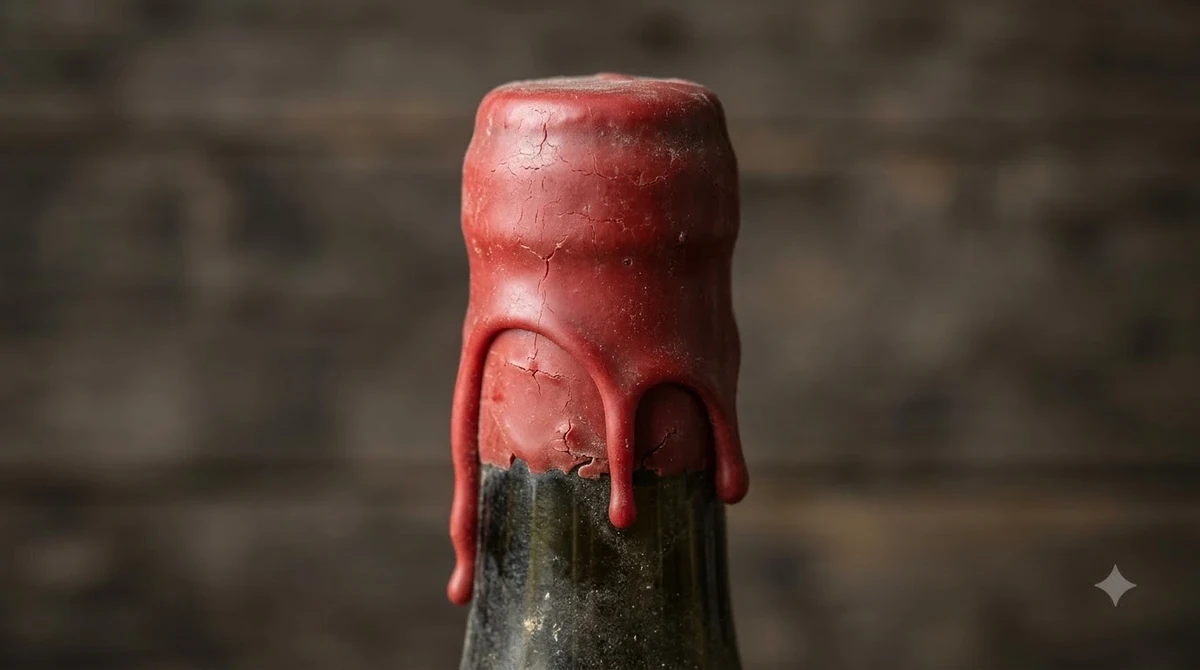
The producer’s product page identifies the wine’s origin as California and gives its alcohol level as 13.5%. Wine Enthusiast independently lists the same strength for a California Red Blend and identifies the bottle as 750 ml. The agreement between those references makes 13.5% a useful reference point, although the label remains the best source for the exact bottle in hand because product details can vary across markets and releases.
ABV is not a score for quality, richness, sweetness, or how strongly a wine tastes. It is a concentration measurement: the share of liquid volume represented by ethanol. A red wine at 13.5% can feel soft and fruit-forward, while another wine at the same percentage can seem firmer or warmer because acidity, tannin, sweetness, temperature, and serving conditions also shape its texture. Apothic Red’s smooth style does not make its alcohol percentage lower.
| Measure | Apothic Red reference | What it tells you |
|---|---|---|
| Alcohol by volume | 13.5% | 13.5 ml of ethanol per 100 ml of wine |
| Bottle volume | 750 ml | About five 5 oz pours |
| Pure alcohol in a full bottle | 101.25 ml | 750 ml multiplied by 0.135 |
| Pure alcohol in a 5 oz pour | About 20 ml | About 0.68 U.S. fluid ounces |
The table applies the 13.5% figure mathematically: 750 ml multiplied by 0.135 equals 101.25 ml of pure alcohol. A 5 U.S. fluid ounce pour is about 148 ml, which contains roughly 20 ml of pure alcohol. Treat these figures as estimates because glass size and fill level vary.
What 13.5% ABV Means in Each Pour
ABV expresses alcohol as a percentage of the wine’s total volume, so a 13.5% wine contains 13.5 parts alcohol in every 100 parts of liquid by volume. Decanter uses the same definition in its wine terminology explanation: a wine marked 12% vol contains 120 ml of alcohol per liter. Applying that method to Apothic Red gives 135 ml per liter, or 101.25 ml in a 750 ml bottle.
Pour size matters as much as percentage. A 4 oz pour contains about 16 ml of pure alcohol, a 5 oz pour about 20 ml, and a 6 oz pour about 24 ml. The wine has not become stronger in a larger glass; the glass simply holds more wine and therefore more alcohol overall.
A 750 ml bottle holds just over five 5 oz pours. Actual servings vary: a tasting pour, a measured serving, and a generously filled home glass can be quite different amounts. A wineglass’s capacity is not its serving size, and the bowl’s shape can make a pour look larger or smaller than it is.
It can also help to compare the percentage rather than relying on terms such as light, smooth, or bold. At the same 5 oz pour size, a 13.5% wine contains 12.5% more alcohol by volume than a 12% wine, because 13.5 is one-eighth higher than 12. The difference may not be obvious from a single sip, especially in a fruit-forward blend, but it is clear in the arithmetic. ABV tells you concentration; pour size tells you how much wine is in the glass.
Tip: To estimate pure alcohol in any pour, convert the wine volume and multiply by the ABV as a decimal. For Apothic Red, use 0.135; for a 5 oz pour, 5 × 0.135 = 0.675 U.S. fluid ounces of pure alcohol.
The Four Grapes in the Blend
Apothic describes Red as a California blend of Zinfandel, Merlot, Syrah, and Cabernet Sauvignon, presenting them as contributors to one combined profile rather than four separate varietal wines. The producer does not publish their exact proportions, and the 13.5% ABV belongs to the finished blend rather than to any one grape in isolation.
In the producer’s description, Zinfandel leads with dark-fruit character and a subtle suggestion of spice. Syrah contributes blueberry and blackberry notes, while Merlot gives the blend structure. Cabernet Sauvignon is associated with blackcurrant, and the producer also describes black-cherry and plum aromas. The finished wine brings those elements together, rather than presenting a simple one-grape flavor profile.
The varieties also have different structural reputations. Cabernet Sauvignon is generally high in tannin, Merlot is medium and often softer, and Syrah can range from medium-plus to high tannin. These are broad grape tendencies, not a guarantee for a finished blend: proportions, growing conditions, ripeness, and winemaking all affect the result. The grape list alone cannot establish Apothic Red’s precise tannin level.
American red blends do not follow one universal grape recipe. VinePair explains that the term does not specify a fixed combination, unlike geographically defined styles such as Chianti or Bordeaux. A producer can combine varieties for a house style; in Apothic Red, fruit, structure, spice, and dark-berry character are brought together, and the final ABV applies to the finished wine.
Flavor, Sweetness, and Alcohol Perception
Apothic Red’s published tasting profile helps explain why 13.5% ABV may not be the first thing a drinker notices. The producer highlights dark red fruit, vanilla, and mocha, while Wine Enthusiast’s review of the California bottling describes dark berries, coriander, bittersweet chocolate, blackberries, dark cherry, and clove. The reviewer also notes grippy tannins on the finish, adding structure to the ripe fruit impression.
Vanilla, mocha, chocolate, and ripe berry aromas can suggest sweetness even when the wine is not being described in exact sugar terms. Aroma and flavor impressions do not provide a reliable measurement of residual sugar. A wine may smell like blackberry jam or chocolate yet finish dry, slightly sweet, or somewhere between those impressions. The available producer description and independent tasting note focus on flavor and texture rather than giving a precise residual-sugar figure, so it is better not to infer a gram-per-liter value from the tasting language.
Alcohol can contribute warmth and body, but it is only one part of the wine’s balance. Decanter notes that alcohol influences a wine’s weight and sensation, while temperature can make warmth more noticeable. Tannin can create a drying or gripping sensation, acidity can make the wine feel fresher, and fruit concentration can make the palate seem rounder. Apothic Red’s smooth reputation describes texture and style, not low alcohol. Notice where the warmth appears: a gentle sensation can sit behind dark fruit, while an overly warm serving may make alcohol seem more prominent. A small sip followed by a moment in the glass can reveal how fruit, tannin, acidity, and warmth change through the finish.
Serving Temperature and Food Pairings
Serving temperature can change how clearly Apothic Red’s fruit, tannin, and alcohol register. For a medium-bodied red, Decanter suggests 57–61°F, and for a fuller red 61–64°F, making around 60°F a sensible starting point for Apothic Red.
A bottle kept at typical room temperature may be warmer than the ideal range, especially in a heated room or warm climate. A short chill in the refrigerator can bring it down without making the wine cold; check after about 15 minutes rather than leaving it unattended for a long period. The aim is not to serve it icy, but to prevent excess warmth from exaggerating alcohol and flattening the wine’s fresher elements. Decanter specifically warns that serving red wine too warm can accentuate alcohol and diminish acidity.
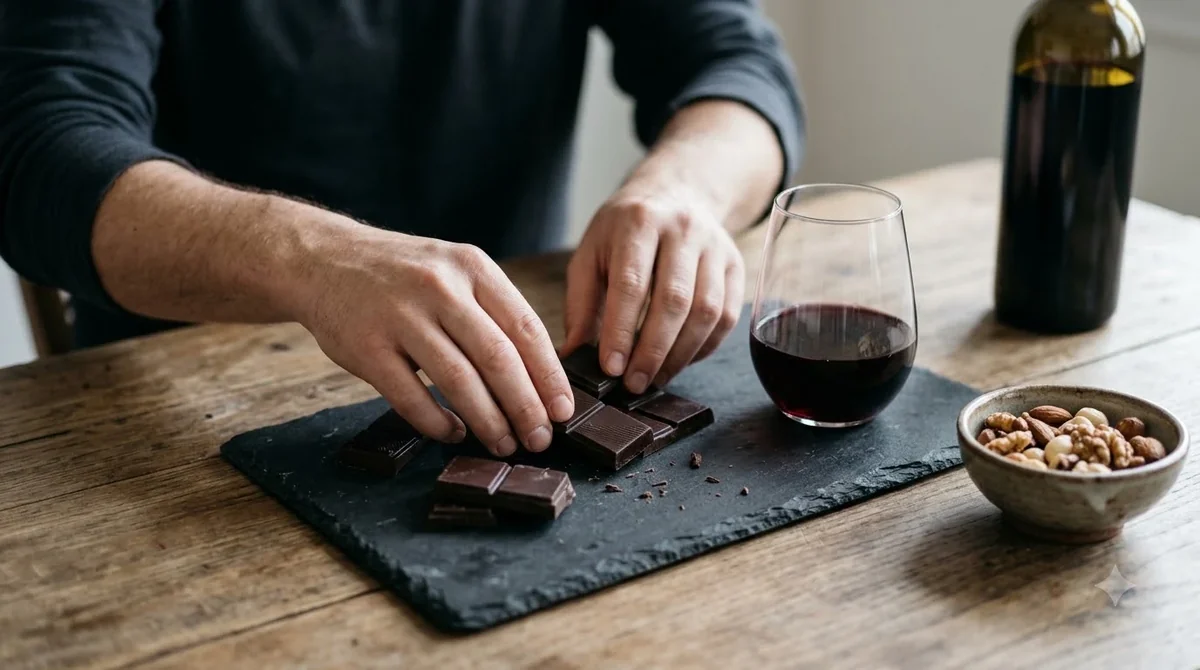
For food, the producer suggests dark chocolate tart or chocolate-dipped strawberries, as well as honey-glazed baked Camembert with figs and pizza topped with caramelized onions and goat cheese. Wine Enthusiast points to a burger as another pairing for its reviewed bottling. These choices make sense with the wine’s dark-fruit and spice profile: browned or roasted flavors can meet the wine’s ripe character, while a little salt and fat can soften the impression of tannin.
Think about sweetness, acidity, and seasoning with other dishes. A dessert should generally be no sweeter than the wine; dark chocolate is a more natural match than very sugary frosting. Acidic foods need equal or higher wine acidity, so very tart vinaigrettes and citrus-heavy sauces can make this red taste flat. Chili heat can make alcohol and tannin seem stronger, while oily fish can clash with tannic reds. Salt and fat soften tannin, making a cheeseburger, mushroom pizza, roasted sausages, or firm salty cheese a more comfortable match.
Comparing Apothic Red With Other Wine Styles
Apothic Red is best compared by both alcohol percentage and structure, not by color alone. It is a California red blend at 13.5% ABV, with four varieties contributing fruit and structure. A Pinot Noir, a chillable red, and a White Zinfandel may look similar on a store shelf as everyday wine choices, but they can differ in body, acidity, tannin, sweetness, and the way their alcohol feels.
For a lighter red comparison, see our Franzia Chillable Red alcohol content explainer. A chillable red is generally served cooler and is designed for a fresher, more casual profile; that makes serving temperature and body useful comparison points alongside the printed ABV. If you prefer a single-variety red, our Meiomi Pinot Noir alcohol content article gives a separate reference. Pinot Noir typically has low-to-medium tannin and high acidity, so its structure can feel noticeably different from a blend featuring Cabernet Sauvignon and Syrah.
White Zinfandel offers a different contrast because it is a rosé-style wine rather than a dark-fruited red blend. The Beringer White Zinfandel alcohol content page is useful for comparing a pink wine’s strength with Apothic Red’s. For a broader look at bottles from different producers and styles, browse our Wine Brands resource. These comparisons are most useful when the ABV values are read alongside the wine’s sweetness, acidity, tannin, body, and serving temperature.
Two wines with the same ABV can feel different. Residual sugar may seem rounder, acidity brisker, and tannin firmer; warm serving temperature can also make alcohol stand out. Apothic Red may seem softer than a more austere Cabernet Sauvignon, even though the 13.5% figure does not change with texture.
Frequently Asked Questions
The main reference point is 13.5% ABV, but a few related details help put that number in context. These answers cover how the figure compares with table wine, how proof works, and why a blend’s alcohol level should not be confused with its sweetness or grape makeup.
Is 13.5% ABV high for a red wine?
Decanter places most table wines in a broad range of 9% to 15% ABV, so 13.5% sits within that range but toward its upper half. It is stronger by volume than a 12% table wine, although it is not unusual for a California red blend.
Does 13.5% ABV mean 13.5 proof?
No. In the U.S. proof scale, proof is twice the alcohol-by-volume percentage, making 13.5% ABV equivalent to 27 proof. Wine labels and wine reviews generally communicate strength using ABV rather than proof.
How long can an opened bottle of Apothic Red keep?
For still wine, a practical refrigerator window is about 3–5 days after opening when the bottle is recorked or otherwise sealed. Flavor usually fades gradually as air enters the bottle, so keep it cold between pours and avoid leaving it open on the counter.
Should you decant Apothic Red before serving?
Decanting is optional for a smooth, fruit-forward red. Young, more structured reds can benefit from 30–60 minutes of aeration, but start by pouring a glass; decant only if the tannins seem tight or the aromas feel restrained.
How should an unopened bottle be stored?
For a cork-finished bottle intended for storage, keep it on its side in a cool, steady place near 55°F, away from direct light and major temperature swings. A short-term bottle does not need elaborate equipment, but a warm kitchen shelf is less suitable than a consistently cool cupboard or cellar.
Apothic Red’s 13.5% ABV gives a clear starting point for understanding its strength: a 750 ml bottle contains about 101 ml of pure alcohol, and a 5 oz pour contains about 20 ml. Its California blend of Zinfandel, Merlot, Syrah, and Cabernet Sauvignon brings dark fruit, spice, and soft vanilla-mocha notes, so serving it near 60°F with savory or chocolate-friendly food helps keep the profile balanced. Use the ABV for the number, and the wine’s structure and temperature to understand how it feels in the glass. For a useful comparison, repeat the same pour calculation with the ABV printed on another bottle.
More in Wine Brands
 Underwood Wine Price: Compare Bottles, Cans, and Pack SizesUpdated Nov 21, 2026
 Zenato Wine Price: Compare Styles and Choose the Right BottleUpdated Nov 21, 2026
 Zuccardi Wine Price: Compare Bottles and Find the Right RangeUpdated Nov 21, 2026
 Yellow Tail Moscato Review: Taste, Sweetness and Serving TipsUpdated Nov 21, 2026
 Wolf Blass Yellow Label Review: Choose Your Best StyleUpdated Nov 21, 2026
 Wolffer Estate Rose Review: Choose the Right Bottle for Your TableUpdated Nov 21, 2026