

We may earn a commission when you buy through links on this page, at no extra cost to you. Learn more.
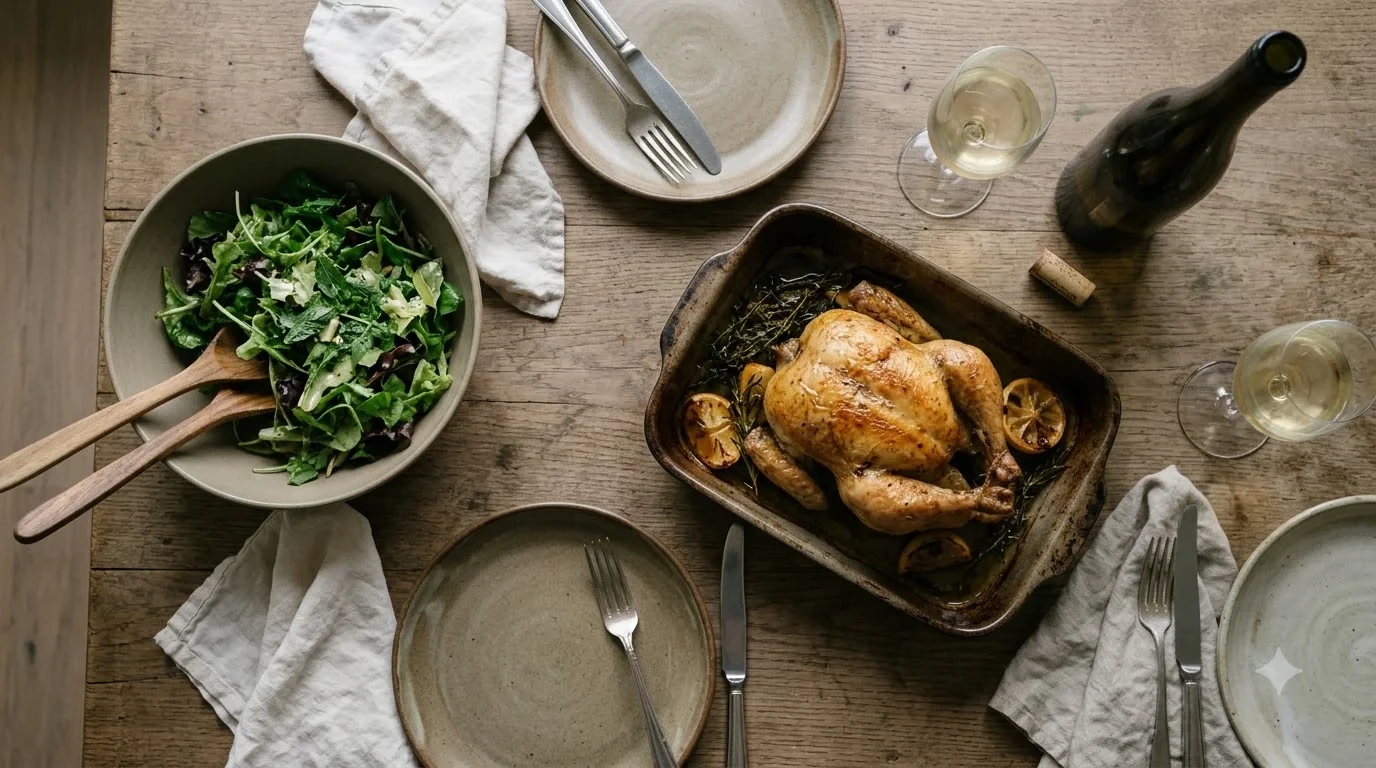
The best wine with christmas dinner is usually Pinot Noir or Chardonnay for roast turkey, Riesling or Beaujolais for glazed ham, and Cabernet Sauvignon for prime rib. Dry sparkling wine is an excellent choice for appetizers and mixed holiday menus, while Sauvignon Blanc and Albariño complement seafood. The right bottle depends on the main dish, its sauce, and the sweetness or richness of the accompanying sides.
Christmas dinner often brings several different flavors to the same table. Roast meat, buttery potatoes, cranberry sauce, glazed vegetables, savory stuffing, and rich desserts each create different wine-pairing challenges. Rather than searching for one expensive bottle that supposedly matches everything, choose wines that complement the main dishes and remain enjoyable alongside the sides. These recommendations cover traditional American Christmas dinners, seafood celebrations, vegetarian menus, and the practical details of serving wine to a group.
Choose a Flexible Wine Strategy for the Christmas Table
The easiest approach is to choose one versatile wine for the main meal and add a second option for guests who prefer a different style. Pinot Noir and dry sparkling wine are particularly useful because their acidity and moderate structure allow them to accompany several dishes without overpowering delicate flavors.
Christmas dinner rarely consists of one ingredient. A plate might contain roast turkey, savory stuffing, buttery mashed potatoes, cranberry sauce, roasted carrots, and Brussels sprouts. These ingredients have different levels of sweetness, richness, acidity, and seasoning. A wine selected exclusively for the turkey might taste less successful alongside the cranberry sauce or sweet vegetables.
Pinot Noir is a practical red wine choice because it generally offers high acidity, red-fruit character, and low-to-medium tannin. It can accompany turkey, roasted mushrooms, herb stuffing, and moderately rich vegetable dishes. Look for bottles from Oregon’s Willamette Valley, California’s Sonoma County, or Burgundy in France. These regions offer different expressions of Pinot Noir, but a balanced example from any of them can work well with the holiday menu.
Dry sparkling wine is another versatile option. Champagne, Cava, and Brut sparkling wines bring freshness that complements salty appetizers, fried foods, seafood, and rich starters. Their bubbles also make them appropriate for serving before the main course. A dry bottle can remain on the table while guests move from appetizers to roast turkey, especially when the menu includes seafood or salty snacks.
Think about the strongest flavors rather than trying to match every ingredient independently. A sweet cranberry relish, smoky glaze, or creamy sauce can have more influence on the pairing than the meat itself. A good understanding of wine pairing fundamentals makes it easier to select bottles that work with the complete plate.
For larger celebrations, offer both a red and a white wine rather than expecting every guest to enjoy the same style. One bottle of Pinot Noir, one Chardonnay, and one sparkling wine provide useful variety without creating an unnecessarily complicated selection. Guests can choose according to their preferences and the dishes they serve themselves.
Pair Roast Turkey With Pinot Noir, Chardonnay, or Riesling
Roast turkey pairs especially well with Pinot Noir, Chardonnay, and Riesling because these wines complement the meat without overwhelming its relatively delicate flavor. The best choice depends on whether the plate emphasizes savory gravy, creamy sides, or sweet cranberry sauce.
Turkey is generally leaner and milder than beef or lamb. A heavily tannic Cabernet Sauvignon can dominate its texture, especially when served alongside lightly seasoned breast meat. Decanter’s roast-turkey pairing guide similarly identifies medium-bodied reds with restrained tannins and fuller-bodied whites with fresh acidity as promising choices.
Pinot Noir: This is an excellent option for traditional roast turkey with herbs, stuffing, and mushroom-based gravy. Its red-cherry, raspberry, and earthy notes complement roasted poultry and savory ingredients. The grape’s naturally high acidity also refreshes the palate between bites of buttery potatoes and rich gravy.
A California Pinot Noir may offer generous ripe-fruit flavors, while an Oregon example can emphasize freshness and earthy complexity. Burgundy provides another excellent alternative, particularly for a traditional holiday meal with relatively simple seasoning. Avoid extremely delicate bottles if the turkey is accompanied by strongly flavored stuffing, smoky bacon, or concentrated gravy.
Chardonnay: Choose a medium- to full-bodied Chardonnay when the turkey is served with cream-based sauces, bread stuffing, mashed potatoes, or roasted root vegetables. The wine’s texture complements the richness of these preparations, while its medium acidity provides balance. A lightly oaked Chardonnay can introduce vanilla and subtle baking-spice character that works particularly well with herb-roasted poultry.
For a more restrained pairing, consider Chablis or another unoaked Chardonnay. These wines emphasize citrus and mineral character rather than prominent oak. A richer California Chardonnay is more appropriate when the turkey is accompanied by creamy gravy, butter-rich sides, or a substantial bread sauce.
Riesling: Off-dry Riesling is particularly useful when the dinner includes cranberry sauce, honey-roasted carrots, candied sweet potatoes, or other sweet accompaniments. Its acidity keeps the wine refreshing, while a small amount of residual sugar helps it remain balanced beside sweet ingredients. German Riesling and examples from New York’s Finger Lakes region are two worthwhile starting points.
A turkey dinner with several contrasting sides may benefit from opening two different wines. Pinot Noir suits the meat and savory stuffing, while Riesling accommodates the sweeter vegetables and cranberry sauce. Guests can switch between them according to each bite rather than expecting one wine to perform perfectly across the entire plate.
Match Christmas Ham to Its Glaze and Seasoning
Christmas ham is often sweeter and saltier than turkey, especially when prepared with honey, brown sugar, maple syrup, mustard, pineapple, or fruit-based glazes. Off-dry Riesling, Zinfandel, Grenache blends, and fruity Beaujolais are useful choices, depending on the glaze and cooking method.
The glaze matters because it changes the flavor of the meat considerably. A honey-and-orange preparation creates a different pairing opportunity from a mustard-coated ham or one cooked with cola. Before choosing a wine, consider whether the finished dish will taste predominantly sweet, smoky, spicy, or savory.
For honey-glazed ham, off-dry Riesling is a strong option. Its acidity balances the richness of the meat, while its slight sweetness complements the glaze. Gewürztraminer is another possibility, especially when the seasoning includes aromatic spices, cloves, or ginger. Both wines offer enough personality to stand alongside a strongly flavored holiday centerpiece.
Zinfandel and Syrah: These reds suit more assertive preparations. California Zinfandel often delivers ripe berry and plum flavors that complement brown-sugar glazes, smoky notes, and slightly spicy seasoning. Syrah can work particularly well with ham that has been roasted with black pepper, mustard, or aromatic herbs.
Grenache blends: Grenache, Syrah, and Mourvèdre combinations are excellent possibilities when the ham includes orange or marmalade. Their ripe fruit and savory character can match the sweetness of the glaze without making the entire meal seem like dessert. Australian Shiraz from Barossa or McLaren Vale is another interesting alternative for fruit-forward preparations.
For a more traditional red wine choice, consider Cru Beaujolais made from Gamay. Its bright fruit and relatively restrained tannins make it approachable alongside roasted pork. It is especially useful when ham is served with turkey because it can accommodate both meats reasonably well.
White wine drinkers have good options, too. Sémillon offers a fuller texture that complements rich ham, particularly when pineapple is part of the preparation. Viognier contributes floral and ripe-fruit aromas, while Gewürztraminer suits fragrant spice combinations. Old-vine Chenin Blanc from South Africa can also work, particularly when the ham is served with fruit chutney or lightly sweet vegetables.
For a more detailed white-wine comparison, explore Chenin Blanc food pairing ideas. Chenin Blanc is especially interesting because its acidity can balance richness while its fruit character accommodates a range of savory and sweet accompaniments.
Cold ham leftovers can work with lighter red wines that might seem less convincing beside the hot, glazed version. A fresh Beaujolais or village Burgundy can complement sandwiches, cold turkey, and leftover roasted vegetables the following day.
Serve Cabernet Sauvignon With Prime Rib, Beef, and Lamb
Prime rib and roast beef are among the strongest arguments for serving a structured red wine at Christmas. Cabernet Sauvignon, Merlot, Syrah, and Bordeaux blends provide different levels of tannin, body, and fruit intensity to match the richness of the meat.
Prime rib contains more fat and has a richer texture than roast turkey. This gives Cabernet Sauvignon a particularly good opportunity to show its strengths. Cabernet is naturally high in tannin, and the fat in well-marbled beef helps soften the wine’s firm structure. Its dark-fruit flavors, acidity, and savory character also complement browned meat and concentrated pan juices.
Napa Valley Cabernet Sauvignon is a familiar choice for American Christmas prime rib, especially when the roast is seasoned with rosemary, thyme, garlic, and black pepper. Washington State Cabernet Sauvignon is another excellent option. These wines can have considerable structure, so serve them alongside the beef rather than relying on them for delicate appetizers or lightly seasoned seafood.
Merlot: Choose Merlot when guests prefer a softer red wine. Its medium tannin and rounded fruit make it approachable with roast beef, beef tenderloin, and moderately rich gravies. Merlot-based Bordeaux blends can also be suitable when the dish has generous herb seasoning but is less fatty than a traditional prime rib.
Merlot is particularly helpful for a mixed group of red wine drinkers. It provides enough body for beef without the pronounced tannin of some young Cabernet Sauvignons. Look toward Washington, California, or Bordeaux for different styles.
Syrah: Syrah generally offers medium-plus to high tannin, savory spice, dark fruit, and enough intensity for richer roast meats. Northern Rhône Syrah provides a more restrained, peppery profile, while Australian Shiraz tends toward a fuller, riper style. Both can work with beef, although the latter is especially suitable for heavily seasoned or smoky preparations.
Lamb is another excellent Christmas centerpiece for structured reds. Roast leg of lamb with rosemary and garlic pairs well with Syrah, Rioja, and Grenache-based blends. Lamb’s savory flavor and herbs complement the earthy and spicy character of these wines.
Grenache is particularly useful when the lamb includes Mediterranean seasoning, roasted tomatoes, olives, or herbs. It generally offers generous fruit and less aggressive tannin than Cabernet Sauvignon. Explore Grenache food pairing for additional ideas involving roasted meats, herbs, and vegetable dishes.
One practical distinction is the sauce. A fatty beef roast with rich jus can take a powerful red, while lamb served with a bright lemon-and-herb dressing may require more acidity and less aggressive oak. Pairing the sauce as well as the meat helps keep the wine balanced throughout dinner.
Choose Bright Whites and Bubbles for Christmas Seafood
Christmas seafood menus generally favor wines with high acidity, freshness, and restrained tannin. Sauvignon Blanc, Albariño, Chablis, Champagne, and other dry sparkling wines are especially useful for oysters, shrimp, crab, scallops, and lightly prepared fish.
For a seafood appetizer course, begin with dry sparkling wine. Champagne and Cava are traditional options because their acidity and bubbles work alongside the salty character of oysters, shellfish, and fried appetizers. Brut sparkling wine is particularly versatile because it does not introduce enough sweetness to distract from the natural flavor of the seafood.
Oysters are particularly good with crisp, mineral-driven whites. Muscadet, Albariño, and Chablis all offer refreshing acidity that complements their briny character. Champagne is another excellent choice, especially for a celebratory first course with oysters, shrimp cocktail, or smoked salmon.
Sauvignon Blanc: This grape has high acidity and often displays citrus, green apple, and herbal flavors. It works well with shrimp, scallops, grilled white fish, and seafood salads. New Zealand Sauvignon Blanc is known for expressive citrus and herbal aromas, while Loire Valley examples can be more restrained and mineral in character.
Albariño: This Spanish white wine is particularly suitable for shellfish. Its lively acidity and citrus fruit work with crab, lobster, oysters, and grilled shrimp. It can also accompany fish dishes prepared with lemon, parsley, or other fresh herbs.
Chardonnay: Richer seafood dishes sometimes benefit from a more substantial white wine. A medium-bodied Chardonnay works with lobster, creamy seafood pasta, scallops in butter sauce, and salmon prepared with a rich accompaniment. Choose a more restrained oak profile if the fish itself is delicate.
Salmon is especially flexible because its natural richness can accommodate both fuller Chardonnay and lighter Pinot Noir. Preparation determines the better choice: grilled or roasted salmon may work with Pinot Noir, while salmon in a creamy butter sauce usually favors Chardonnay.
Avoid pairing oily fish with heavily tannic reds. Strong tannin can produce an unpleasant metallic or bitter impression beside the fish. If the Christmas menu includes several types of seafood, keep the red wines for a separate meat course and use sparkling wine or high-acid whites for the fish.
For a traditional Feast of the Seven Fishes, provide at least two styles. A dry sparkling wine can cover oysters, shrimp, and fried calamari, while Albariño or Sauvignon Blanc can accompany grilled fish and seafood salads. A richer Chardonnay can be opened for lobster or creamy pasta.
Give Vegetarian Mains and Christmas Side Dishes Their Own Wines
Vegetarian Christmas dinners deserve the same attention as meat-centered menus. Nut roast, roasted vegetables, mushroom dishes, cheese boards, and vegetable-based starters each have their own textures and seasoning, making Pinot Noir, Chenin Blanc, Sauvignon Blanc, and selected Mediterranean reds useful options.
Nut roast is usually rich, earthy, and sometimes smoky. Orange wine is an interesting partner because its texture and savory character can complement roasted nuts and herbs. Southern Rhône reds and Xinomavro from Naoussa in Greece offer alternative combinations, particularly when the dish includes mushrooms, dried fruit, or concentrated seasoning.
Roasted vegetable platters can support more substantial wines than lightly steamed vegetables. Caramelization creates sweetness, while olive oil adds richness and herbs introduce savory complexity. Chianti Classico and Douro red wines are particularly suitable for roasted carrots, squash, aubergine, mushrooms, and other browned vegetables.
For a lighter vegetarian plate, Pinot Noir offers an attractive alternative. Its acidity and moderate tannin complement mushrooms, lentils, walnuts, red cabbage, and earthy stuffing. A bottle from Oregon or Burgundy can accompany a mushroom Wellington or roasted mushroom tart without overwhelming the meal.
White wine is often the stronger match for vegetables with green or citrus-driven flavors. Sauvignon Blanc works with asparagus, green beans, chard, cauliflower, and herb-based salads. A crisp Loire Valley Sauvignon Blanc is particularly suitable when lemon, parsley, or vinaigrette provides the dominant flavor.
Chenin Blanc offers more flexibility when the dish includes both richness and acidity. Dry Chenin Blanc works with roasted squash, creamy vegetable gratins, and mushroom dishes. A fuller-bodied example can also complement vegetarian mains that feature roasted nuts or caramelized onions.
Cheese boards require some thought because different cheeses create different pairing opportunities. Aged hard cheeses, salty feta, and creamy soft cheeses do not necessarily suit the same wine. Chardonnay and White Rioja can work with richer cheeses, while Riesling provides acidity for salty examples and Pinot Noir can complement milder washed-rind or mushroom-influenced cheeses.
For a mixed appetizer platter with olives, roasted peppers, marinated aubergines, feta, and nuts, dry sparkling wine is a useful starting point. These salty ingredients often benefit from wines with refreshing acidity. A lighter Pinot Noir or Mencía can also work when mushrooms, roasted red peppers, and earthy ingredients dominate.
These combinations also provide an easy solution for households serving both vegetarian and meat-based mains. A bottle of Pinot Noir can move from a mushroom Wellington to turkey, while Chardonnay can accompany both creamy vegetable gratin and roast poultry. Guests can choose their own combination without requiring a separate wine for every plate.
Serve Christmas Wines at the Right Temperature and Pour Sensibly
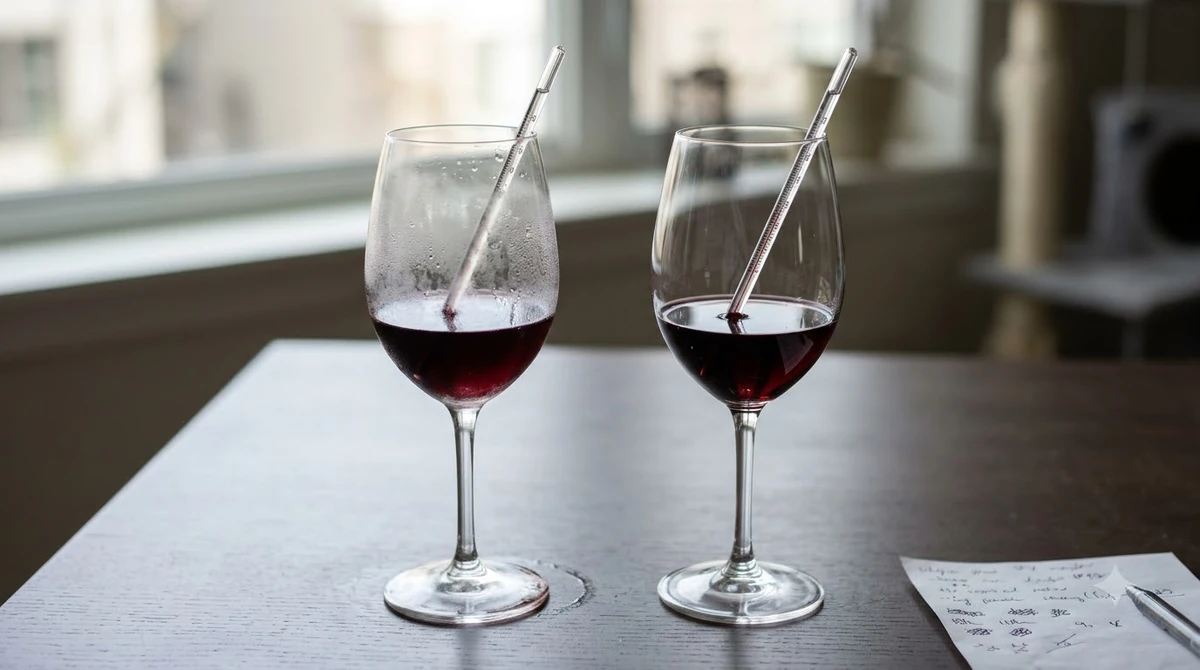
Serving temperature makes a meaningful difference to the balance and aroma of a wine. Aim for approximately 40–50°F for sparkling wine, 45–50°F for light whites and rosé, and 60–65°F for full-bodied reds.
White wine should generally be cooler than red, but serving every white straight from a very cold refrigerator can hide its aromas. A chilled Chardonnay or Riesling will become more expressive as it warms slightly in the glass. Sparkling wine benefits from a colder serving temperature because it keeps the bubbles refreshing and lively.
| Wine style | Serving temperature | Christmas examples |
|---|---|---|
| Sparkling wine | 40–50°F | Champagne, Cava, Brut sparkling wine |
| Light white and rosé | 45–50°F | Sauvignon Blanc, Albariño, dry rosé |
| Full-bodied white | 50–55°F | Chardonnay, fuller-bodied Chenin Blanc |
| Light red | 55–60°F | Pinot Noir, Gamay, Beaujolais |
| Full-bodied red | 60–65°F | Cabernet Sauvignon, Syrah, Bordeaux blends |
| Sweet white | 43–50°F | Late-harvest Riesling, sweet dessert wines |
For red wines, avoid leaving bottles beside a hot oven, fireplace, or radiator. A room that feels comfortable to people can still be too warm for serving wine. Slightly cooling a full-bodied red before dinner can help preserve its freshness and prevent the alcohol from becoming too prominent.
Decanting is useful for certain young reds, particularly full-bodied Cabernet Sauvignon and Syrah. Their structure and concentration can benefit from exposure to air before serving. It also gives guests an opportunity to appreciate the wine as it opens while the main course is being prepared.
Tip: Organize the wine service before the food reaches the table. Chill sparkling wine and whites ahead of time, keep reds away from the kitchen heat, and place the bottles you plan to serve first where guests can reach them easily.
Plan the number of bottles according to the size of the gathering and the number of courses. A Christmas dinner with a sparkling aperitif, seafood starter, roast centerpiece, and dessert may benefit from several different styles. Smaller pours allow guests to compare wines without filling their glasses unnecessarily or committing to one bottle throughout the evening.
Storage is important, particularly if you purchase wine well before Christmas. Store unopened bottles away from direct sunlight, heat, and temperature fluctuations. Bottles with cork closures are generally best stored on their sides in a cool environment near 55°F. Keep sparkling wine chilled before serving rather than storing it in an ordinary refrigerator for unnecessarily long periods.
Frequently Asked Questions
Does Prosecco work with Christmas dinner?
Yes. Prosecco is made primarily from the Glera grape and uses the tank method for its secondary fermentation. It typically contains 11–12% alcohol by volume, making it a refreshing choice for Christmas appetizers, shrimp, salty snacks, and lighter starters. It can also accompany the beginning of a mixed holiday meal before guests move to their preferred red or white wine.
Is Extra Dry sparkling wine sweeter than Brut?
Yes. Despite the name, Extra Dry is sweeter than Brut in the traditional sparkling-wine sweetness classification. From driest to sweetest, the common order is Brut Nature, Extra Brut, Brut, Extra Dry, Dry, Demi-Sec, and Doux. This distinction is useful when choosing sparkling wine for salty appetizers or sweeter desserts.
How long does wine last after opening on Christmas Day?
Refrigerated sparkling wine generally keeps for approximately one to three days after opening, while most still wines keep for three to five days. Fortified wines can last several weeks, and opened bag-in-box wines can remain enjoyable for approximately four to six weeks. A proper sparkling-wine stopper helps preserve bubbles, while tightly resealing still wine and refrigerating it slows oxidation.
Should I decant Cabernet Sauvignon before Christmas dinner?
A young, full-bodied Cabernet Sauvignon often benefits from approximately 30–60 minutes of decanting. This allows oxygen to interact with the wine and can make its aromatic profile more expressive. Older bottles require more care because prolonged exposure to air can diminish delicate aromas and flavors.
How many glasses of wine are in a standard bottle?
A standard 750 ml wine bottle provides approximately five servings when poured in 5 oz glasses. For a dinner with multiple courses, smaller pours can allow guests to enjoy different wines from the aperitif through the main meal. A larger gathering should plan its bottles according to the number of guests, their preferences, and whether several wine styles will be served.
The best Christmas wine selection combines a versatile bottle for the main course with a few alternatives for distinctive dishes and personal preferences. Pinot Noir, Chardonnay, Riesling, and sparkling wine provide an excellent starting point for a traditional holiday table, while Cabernet Sauvignon and Syrah shine alongside richer roasts. Match the wine to the food, serve it at the right temperature, and let everyone enjoy the celebration with a glass that suits their plate.
More in Food & Wine Pairing
 Risotto With White Wine Recipe: Make a Creamy Dinner at HomeUpdated Nov 20, 2026
 Wassail With Wine Recipe for a Festive Spiced Holiday DrinkUpdated Nov 20, 2026
 Spritz Veneziano Recipe: Make a Classic Venetian Aperitivo at HomeUpdated Nov 20, 2026
 Summer Wine Punch Recipe for Easy Homemade EntertainingUpdated Nov 20, 2026
 Bishop Recipe: How to Make a Bright, Citrus-Forward Red Wine CocktailUpdated Nov 20, 2026
 Wine Cupcakes Recipe: Bake Rich Chocolate Cupcakes at HomeUpdated Nov 20, 2026