

We may earn a commission when you buy through links on this page, at no extra cost to you. Learn more.
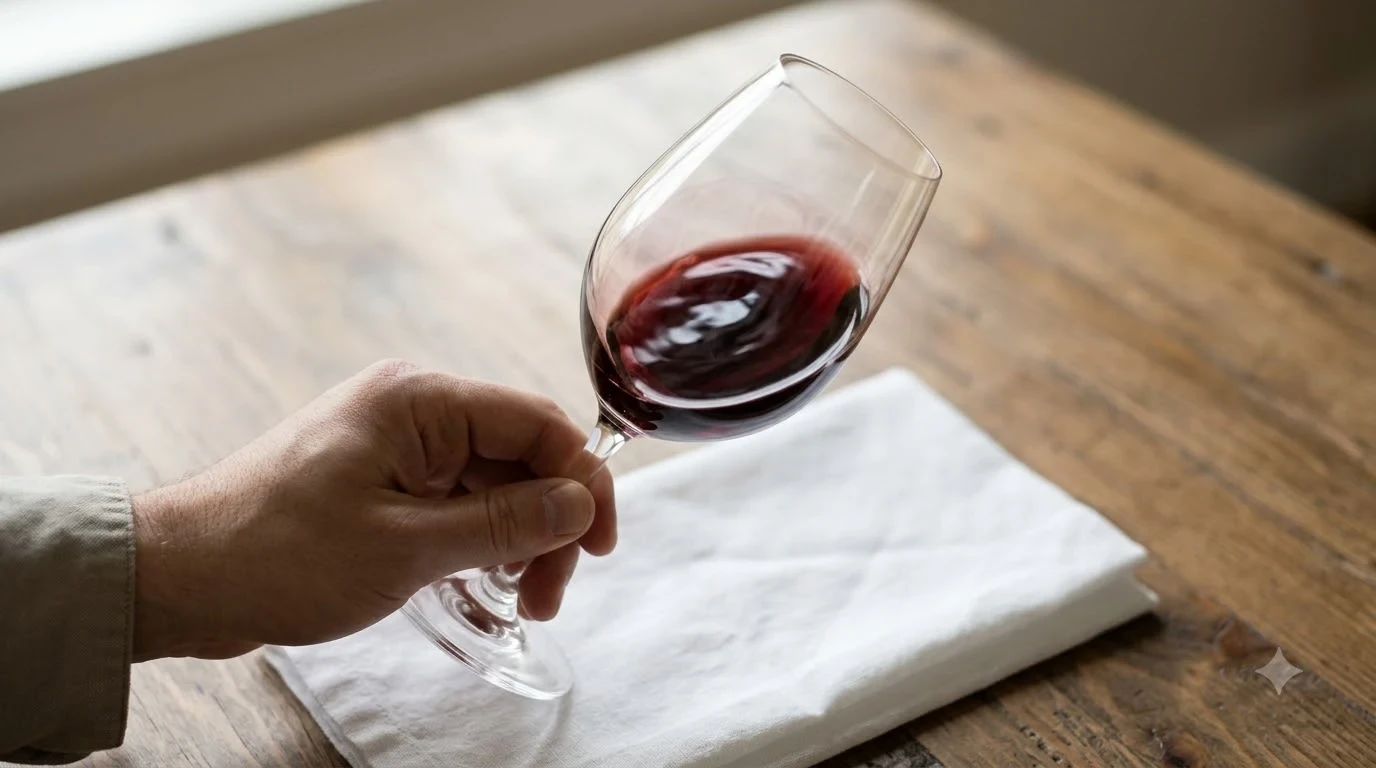
If you are wondering what is vino tinto, it is simply the Spanish and Portuguese term for red wine. Rather than referring to a single grape variety, brand, or vineyard, the phrase applies to any red wine made from dark-skinned grapes that impart color and tannins to the juice during fermentation. In Spain, the term covers everything from bright, unoaked table reds to richly structured, oak-aged bottles from regions like Rioja and Ribera del Duero.
When browsing a wine shop aisle or reading a tapas menu, seeing “vino tinto” on a label can feel mysterious if you expect a familiar grape name like Cabernet Sauvignon or Merlot. Understanding how Spain classifies, ages, and names its red wines makes it much easier to pick a bottle that fits your palate and dinner plans, whether you want something light and fruity or bold and savory.
What it is
Vino tinto translates literally to “dyed wine” or “tinted wine,” a name rooted in the Latin word tinctus that describes the winemaking process rather than a single style. While Spanish uses rojo for the color red in everyday speech, wine traditions across the Iberian Peninsula adopted tinto to describe how dark grape skins stain the fermenting must.
Because the term acts as a broad umbrella category, two bottles labeled vino tinto can taste completely different from one another. According to Wine Folly, wine was likely introduced to Spain by the Phoenicians around 800 BC, giving rise to a distinct roster of native Iberian grapes rather than the French varieties most common in the United States. If you are still building your baseline vocabulary for Wine by Type, thinking of vino tinto as the Spanish equivalent of “red wine” is the clearest starting point.
In Spain, producers often label bottles by region and aging tier rather than listing the grape variety on the front. A bottle from Rioja or Toro might never print the word “Tempranillo” on the main label, even though that grape makes up most of the blend. Once you recognize that vino tinto wine encompasses all Spanish red styles—and that the back label or regional designation reveals the grape—shopping the Spanish aisle becomes far less intimidating.
You will also see the phrase used in casual dining and cocktail culture across Spain. Everyday table wines are frequently poured as house vino tinto at local bars, or mixed with lemon soda over ice to make tinto de verano, a refreshing warm-weather spritz that rivals traditional sangria in popularity.
Flavor and styles
Vino tinto spans a wide spectrum of flavors, moving from juicy, tart red berries in unoaked bottles to dried fig, leather, and vanilla in barrel-aged selections. The primary divide in Spanish red wine comes down to grape variety and how much time the wine spends maturing in oak barrels and bottles before release.
Young, unoaked reds—often labeled Joven—skip prolonged barrel aging to preserve bright acidity, floral aromatics, and fresh fruit character. According to Wine Folly, young Tempranillo typically shows notes of sour cherry, plum, spicy black pepper, and bay leaf, while young Garnacha leans toward strawberry, ruby red grapefruit, hibiscus, and black tea. These bottles feel lively on the palate and work well when you want something approachable without heavy oak spice.
Extended oak maturation transforms both texture and flavor, softening firm tannins and introducing savory, tertiary notes. Spanish law establishes strict aging tiers—Crianza, Reserva, and Gran Reserva—that tell you exactly how long a wine rested before leaving the winery. American oak barrels are widely used in regions like Rioja, imparting sweet vanilla, coconut, and dill nuances, while French oak contributes subtler cedar and baking spice notes.
| Spanish Aging Tier | Minimum Total Aging | Minimum Oak Barrel Aging | Typical Flavor Profile |
|---|---|---|---|
| Joven | No minimum (released young) | None or brief (under 6 months) | Fresh red berries, plum, black pepper, lively acidity |
| Crianza | 24 months | 6 to 12 months (varies by region) | Ripe cherry, subtle vanilla, balanced spice and fruit |
| Reserva | 36 months | 12 months | Dried fig, leather, cedar, integrated tannins |
| Gran Reserva | 60 months | 18 to 24 months (varies by region) | Savory tobacco, dried fruit, baking spice, silky texture |
Beyond Tempranillo and Garnacha, several other native grapes define Spain’s red wine lineup. Monastrell—known as Mourvèdre in France—produces deeply colored, full-bodied wines packed with blackberry sauce, cocoa, and black pepper. Meanwhile, Mencía from northwestern Spain offers lighter to medium-bodied elegance with pomegranate, violet, and crushed gravel minerality, and Bobal delivers opaque purple color with black cherry and dried herb notes.
Where it grows
Spain has more vineyard acreage than any other country in the world, with over 160 native grape varieties cultivated across drastically different climates. From cool, misty Atlantic valleys in the northwest to arid, sun-baked plateaus in the interior, geography plays a decisive role in shaping each bottle of vino tinto.
Northern Spain is home to the country’s most famous red wine regions, led by Rioja and Ribera del Duero. Rioja sits along the Ebro River and benefits from moderating mountain and maritime influences, yielding balanced, age-worthy Tempranillo blends. Further west along the Duero River, Ribera del Duero experiences hotter days and colder nights at high elevation, producing darker, more concentrated expressions of Tempranillo—locally called Tinto Fino—with firmer tannins.
Moving toward the Mediterranean coast and southern interior, warmer temperatures and scarce rainfall favor heat-loving grapes. Regions such as Jumilla, Yecla, and Alicante specialize in Monastrell, where intense sunshine ripens thick grape skins into rich, dark-fruited reds. In Catalonia, the steep, slate-covered hills of Priorat produce powerful blends of Garnacha and Cariñena prized for their mineral intensity and concentration.
In the cooler, greener northwest, regions like Bierzo and Ribeira Sacra carve vineyards into steep river gorges. Here, Mencía thrives in slate and clay-sandy soils, yielding aromatic, medium-bodied reds that emphasize freshness and floral complexity rather than heavy alcohol or oak.
How to serve
Serving vino tinto slightly below typical American room temperature keeps its fruit vibrant and prevents alcohol from overpowering the aroma. Most living rooms sit around 70°F, which is too warm for any red wine and can make full-bodied Spanish reds taste heavy or overly boozy.
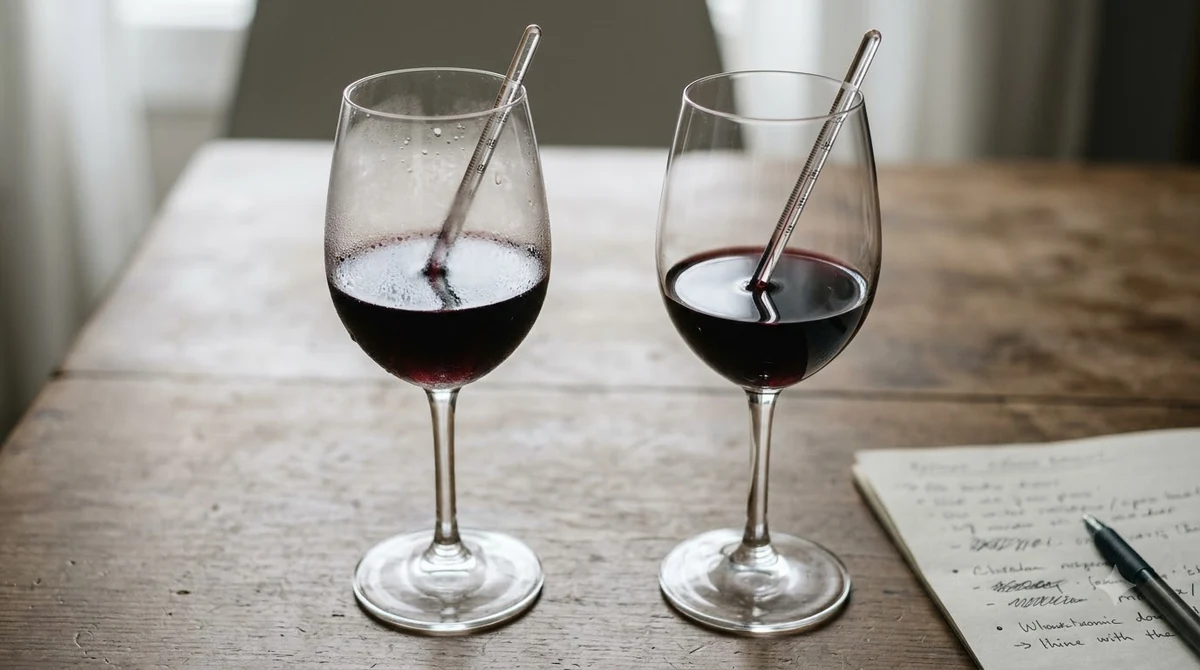
According to Wine Enthusiast, full-bodied red wines show their best mouthfeel, rounded tannins, and balanced acidity when served between 60°F and 65°F. Lighter-bodied styles, such as a young Mencía or an unoaked Garnacha, shine even cooler—around 55°F to 60°F—where a gentle chill highlights their crisp red fruit and floral lift.
Decanting depends largely on the bottle’s age and tannin structure. Young, tightly wound reds like a Ribera del Duero Crianza or a young Monastrell benefit from 30 to 60 minutes in a decanter to soften firm tannins and open up dark fruit aromas. Older Reserva and Gran Reserva bottles have already mellowed over years in the cellar; decant them gently right before serving solely to separate any natural sediment from the clear wine, as prolonged air exposure can cause delicate aged aromatics to fade.
Tip: Put your bottle of vino tinto in the kitchen refrigerator for about 20 to 25 minutes before opening to bring it down from warm room temperature into the ideal 60°F to 65°F serving zone.
Food pairing
Vino tinto is built for the dinner table, thanks to natural acidity and savory tannins that cut through rich fats, smoky spices, and salty cured meats. In Spanish dining culture, wine is rarely sipped without food, and matching the weight of the bottle to the intensity of your dish makes both taste better.
Young, fruit-forward styles like Joven Garnacha or Mencía pair effortlessly with casual tapas, charcuterie boards, and light poultry dishes. Their bright berry flavors and gentle tannins complement salty jamón serrano, roasted peppers, marinated olives, and grilled pork tenderloin without overwhelming delicate ingredients. If you enjoy experimenting with fruit-driven reds in warm weather, lighter Spanish reds also serve as the traditional base for sangria, offering a bolder alternative to pinot noir sangria.
Medium-bodied Crianza reds hit a sweet spot for everyday weeknight cooking. The balance of red cherry fruit and subtle oak spice stands up to paella, chorizo, roast chicken with paprika, and semi-firm sheep’s milk cheeses like aged Manchego. The wine’s acidity refreshes the palate between bites of rich, olive-oil-laden dishes.
Full-bodied Reserva, Gran Reserva, and Monastrell bottlings call for hearty, slow-cooked, or charred foods. Grilled ribeye, braised lamb shanks, smoky barbecue ribs, and earthy mushroom stews match the deep tannins and savory leather or cocoa notes found in structured Spanish reds.
How to choose a bottle
Choosing the right bottle of vino tinto comes down to reading three clues on the front label: the region, the aging classification, and the grape variety if listed. Once you connect those terms to your preferred flavor profile, you can pick a reliable bottle in seconds.
Start by deciding how much oak and body you want. If you prefer crisp, juicy reds with minimal oak influence, look for words like Joven or Roble on the label, or seek out Mencía from Bierzo and Garnacha from Navarra or Campo de Borja. If you enjoy smooth, medium-bodied reds with warm baking spices and vanilla, reach for a Rioja Crianza or Reserva.
For drinkers who love bold, full-bodied reds with firm tannins and dark fruit, focus on Ribera del Duero, Toro, Priorat, or Monastrell from Jumilla. Checking the back label for the Denominación de Origen (DO) or Denominación de Origen Calificada (DOCa) seal also confirms that the wine met strict regional production and quality standards.
Frequently Asked Questions
Is vino tinto sweet or dry?
The vast majority of vino tinto is dry, meaning yeast ferments nearly all the natural grape sugar into alcohol. While oak aging can impart sweet-smelling notes of vanilla, dried fig, or baking spice, the wine itself contains minimal residual sugar. Sweet Spanish red wines exist, such as fortified Pedro Ximénez or certain regional dessert styles, but standard table vino tinto is dry.
Is vino tinto a specific grape or brand?
Vino tinto is neither a grape nor a brand—it is simply the Spanish and Portuguese phrase for red wine. A bottle labeled vino tinto can be made from any dark-skinned red wine grape, such as Tempranillo, Garnacha, Monastrell, Mencía, or Bobal, or a blend of several varieties.
What is the difference between vino tinto and Rioja?
Vino tinto refers to all red wine across Spain, whereas Rioja is a specific wine-growing region in northern Spain. Most red wine from Rioja is vino tinto made primarily from Tempranillo, so every red Rioja is a vino tinto, but not every vino tinto comes from Rioja.
How many carbs are in a glass of vino tinto?
Because most vino tinto is fermented dry, a standard five-ounce pour typically contains very little residual sugar and around three to four grams of carbohydrates. Dry Spanish reds like Tempranillo and Garnacha fit into the same low-sugar range as other dry reds; for a closer look at how dry red wine nutrition breaks down, check our guide to pinot noir carbs.
Knowing what vino tinto means removes the guesswork from Spanish wine labels and opens up one of the wine world’s most diverse categories. By matching the grape and aging tier—from fresh Joven to savory Gran Reserva—to your meal and serving temperature, you can easily find a bottle that fits any occasion.
More in Wine Types & Grapes
 Zinfandel Sugar Content: Dry Red vs. White Zinfandel GramsUpdated Nov 21, 2026
 Best Zinfandel Substitute Options for Sipping and CookingUpdated Nov 21, 2026
 Zweigelt Food Pairing: Best Dishes, Cheeses, and Serving TipsUpdated Nov 21, 2026
 Zinfandel Tannins Explained: How Structure Shapes Every BottleUpdated Nov 21, 2026
 Zinfandel Sweetness Level: Dry Red vs. Sweet White Zin ExplainedUpdated Nov 21, 2026
 Xinomavro Food Pairing: Best Dishes, Styles, and Serving TipsUpdated Nov 21, 2026