

We may earn a commission when you buy through links on this page, at no extra cost to you. Learn more.
Vino tinto wine is the Spanish term for red wine, literally translating to “dark-colored wine” rather than “red wine” (which would be vino rojo). Spanning everything from crisp, un-oaked young bottles to complex, barrel-aged classics, it represents Spain’s signature winemaking tradition built around native grapes like Tempranillo, Garnacha, and Monastrell. Understanding the phrase helps you decode Spanish wine labels, restaurant lists, and regional aging tiers with confidence.
Walk into a tapas bar in Madrid or browse the Spanish aisle at your local wine shop, and you will see the words vino tinto printed across front labels, menus, and chalkboards. Rather than naming a single grape variety or vineyard region, the phrase acts as a broad umbrella covering all still red wines produced in Spain and across the Spanish-speaking world, encompassing a spectrum of styles, oak treatments, and price points.
What It Is
At its simplest, vino tinto is Spanish for red wine, though the linguistic history behind the words reveals how winemakers have long viewed color in the glass. As Decanter notes in its guide to reading Spanish wine labels, white wine translates directly to vino blanco, yet red wine uses tinto—meaning “tinted” or “dark-colored”—instead of rojo. If you explore what is vino tinto in everyday Spanish dining, you will also hear locals shorten the phrase to simply un tinto when ordering by the glass.
In practical wine terms, a bottle labeled vino tinto is made by fermenting dark-skinned black grapes together with their skins, seeds, and sometimes stems. During maceration, the grape skins release anthocyanins—the natural pigments that turn the juice ruby, garnet, or deep purple—alongside tannins and aromatic compounds that give red wine its structure and grip. Because Spanish winemaking laws regulate aging closely, the term also serves as the starting point for Spain’s famous barrel-and-bottle classification system.
You will occasionally see vino tinto printed on entry-level table wines that do not carry a protected regional designation, as well as on back labels of prestigious Denominación de Origen (DO) bottlings. In both cases, it tells you the color category immediately while leaving the specifics of grape blend, terroir, and oak aging to the rest of the label. Recognizing this distinction prevents the common misconception that vino tinto refers to a single brand or sweet style of wine.
Flavor and Styles
The flavor profile of vino tinto shifts dramatically depending on how long the winemaker ages the wine in oak barrels and glass bottles before release. Youthful bottlings brim with vibrant red berries and floral lift, whereas extended maturation introduces savory layers of leather, dried herbs, cedar, and vanilla spice.
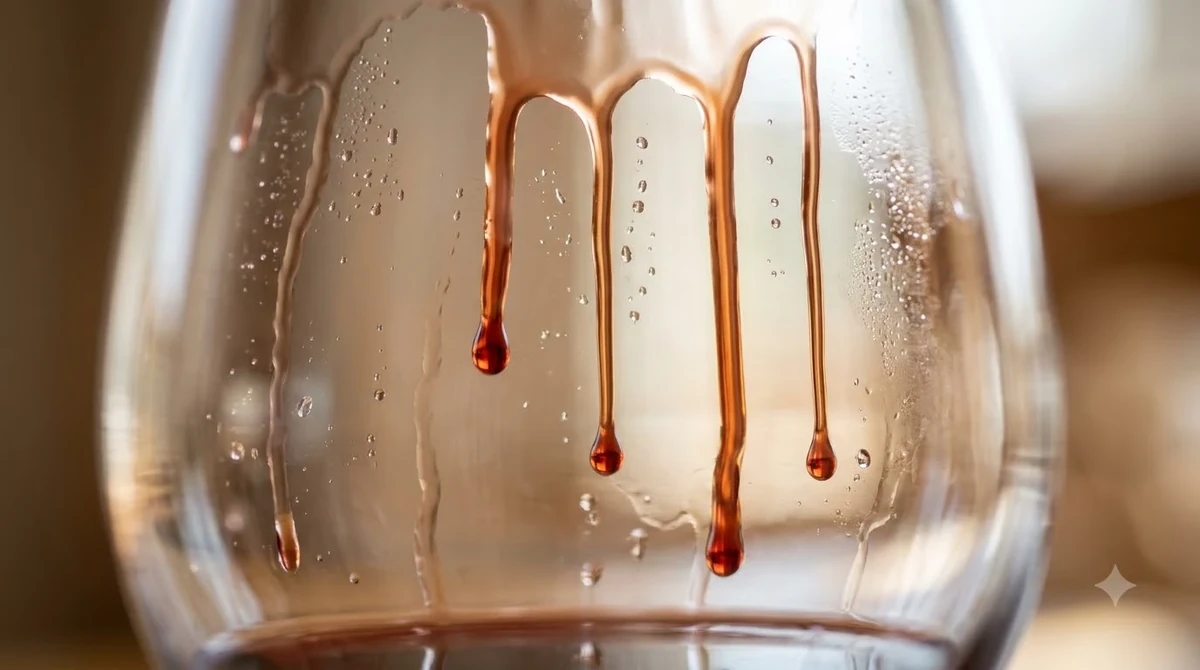
To help buyers know what is inside the bottle before pulling the cork, Spanish wine councils categorize red wines into four primary aging tiers. A Joven (literally “young”) wine sees little to no oak and is bottled shortly after harvest to preserve fresh strawberry, raspberry, and plum flavors. Moving up the ladder, a Crianza red must age for a minimum of two years total, including at least one year in oak casks, which rounds out the fruit with subtle baking spice and gentle tannin.
Higher tiers bring deeper tertiary complexity and firmer structure. According to Wine Folly’s breakdown of Rioja aging classifications, Reserva marks the turning point where primary fruit gives way to earthy, savory nuance after at least three years of aging (with a minimum of one year in oak). At the pinnacle sits Gran Reserva, crafted only in standout vintages and aged for at least five years—including two years in oak barrels and two to three years in bottle—yielding silky textures, dried fig, tobacco leaf, and warm cedar notes.
| Spanish Aging Tier | Minimum Total Aging | Minimum Oak Aging | Core Flavor Profile |
|---|---|---|---|
| Joven (Generic) | None (released year 1–2) | None required | Bright cherry, raspberry, juicy acidity, light tannin |
| Roble / Barrica | Varies by region | Typically 3–6 months | Fresh red and black fruit with a hint of vanilla toast |
| Crianza | 24 months | 12 months (6 in some DOs) | Ripe plum, red currant, sweet spice, balanced structure |
| Reserva | 36 months | 12 months | Dried cherry, leather, cocoa, savory herbs, integrated oak |
| Gran Reserva | 60 months | 18–24 months | Fig, tobacco, cedar box, forest floor, velvety tannins |
Where It Grows
Spain has more vineyard acreage than any other country on earth, and its varied topography produces wildly different expressions of vino tinto from north to south. High-altitude plateaus, Atlantic-cooled valleys, and sun-drenched Mediterranean coastlines shape how grapes ripen, influencing alcohol levels, acidity, and tannin concentration across more than a hundred official appellations.
In northern Spain, Rioja and Ribera del Duero stand as the twin powerhouses of Tempranillo. Rioja’s three subzones—Rioja Alta, Rioja Alavesa, and Rioja Oriental—combine limestone and clay soils with Atlantic and Mediterranean breezes to create aromatic, food-friendly reds known for graceful aging. Further west along the Duero River, Ribera del Duero experiences hotter days and colder nights, producing thicker-skinned Tempranillo (locally called Tinto Fino) with darker blackberry fruit, deeper color, and broader shoulders.
Further south and east, warmth-loving varieties take center stage. Priorat in Catalonia relies on steep slate slopes called llicorella to yield concentrated, mineral-driven blends of Garnacha and Cariñena. Meanwhile, regions like Jumilla and Yecla in Murcia specialize in Monastrell, delivering plush, sun-ripened dark fruit, while northwest Bierzo showcases Mencía, a fragrant, medium-bodied red grape prized for floral aromatics and brisk acidity.
How to Serve
Serving vino tinto at the right temperature opens up its aromatic complexity while keeping alcohol and tannins in harmony. Pouring a red wine straight from a warm kitchen counter dulls its freshness and emphasizes alcoholic heat, whereas over-chilling a heavily oaked bottle clamps down on its bouquet and makes tannins taste bitter.
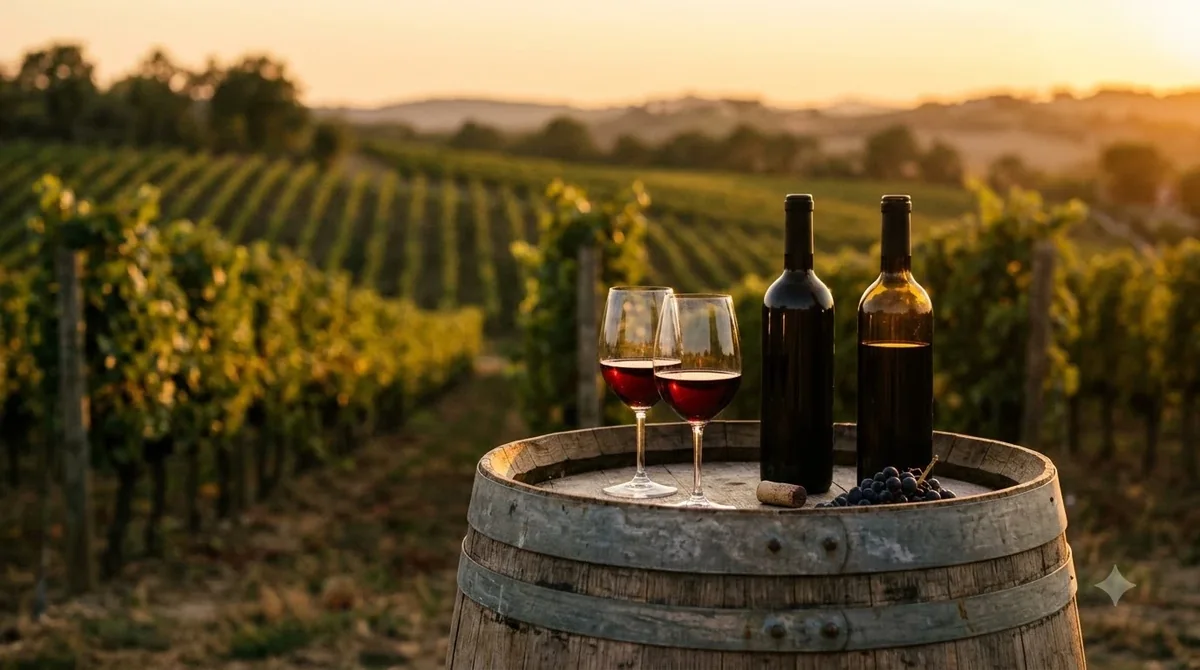
For lighter, younger styles—such as a Joven Rioja, a Bierzo Mencía, or a high-altitude Garnacha—aim for a slight chill between 54°F and 59°F (12°C to 15°C). Putting the bottle in a standard refrigerator for about 25 to 30 minutes before dinner brings room-temperature wine down into this refreshing sweet spot, highlighting crisp red fruit and lively acidity. If you enjoy lighter-bodied reds in general, comparing their serving chill and structure across Wine by Type can help you dial in temperatures across your whole cellar.
Medium- and full-bodied bottles need slightly more warmth so their barrel spices and savory aromas can open up in the glass. Serve Crianza and Ribera del Duero reds around 59°F to 61°F (15°C to 16°C), and reserve 63°F to 65°F (17°C to 18°C) for mature Reserva and Gran Reserva bottlings. Decanting structured Reserva or Priorat wines for 30 to 60 minutes before pouring also softens firm tannins and lets subtle tertiary scents emerge.
Tip: In Spain, chilled red wine is ordered as un tinto fresquito, which differs from tinto de verano—a refreshing summer highball mixing red wine with lemon soda over ice, similar in spirit to pinot noir sangria.
Food Pairing
Because Spanish winemakers build their reds around lively natural acidity and savory earthiness rather than heavy residual sugar, vino tinto ranks among the most versatile dinner companions on the table. Acid cuts cleanly through rich fats, while subtle oak spice mirrors roasted, grilled, and smoked flavors in both Spanish and everyday American cooking.
Younger, fruit-forward styles like Joven Tempranillo, Mencía, and unoaked Garnacha thrive alongside casual fare and classic tapas. Pair them with cured meats like jamón serrano and chorizo, patatas bravas, mushroom croquettes, wood-fired pizza, or herb-roasted chicken. Their brisk acidity refreshes the palate between bites without overwhelming delicate cheeses or vegetable-driven dishes.
Oak-aged Crianza, Reserva, and Gran Reserva bottles call for heartier proteins and slow-cooked comfort foods. A structured Ribera del Duero or Toro red stands up effortlessly to grilled ribeye, charred lamb chops, smoked brisket, and braised short ribs, where meat proteins bind with the wine’s tannins for a smoother finish. Mature Rioja Reserva also shines next to aged sheep’s milk cheeses like Manchego, wild mushroom risotto, and saffron-infused meat paella.
How to Choose a Bottle
Selecting a great bottle of vino tinto starts with matching the label’s regional and aging cues to the occasion. Because Spanish labels prioritize geographic origin and cellar aging over grape names on the front label, scanning a few key terms tells you immediately whether a wine will taste bright and juicy or savory and structured.
First, check the back label for the official Denominación de Origen (DO) or Denominación de Origen Calificada (DOCa) seal, which guarantees regional authenticity and quality standards. If you want an easy-drinking weeknight red, look for words like Joven, Roble, or Crianza from Rioja, Navarra, or Campo de Borja. For special dinners or cellar aging, seek out Reserva or Gran Reserva bottlings, or look for old-vine (viñas viejas) designations from Priorat, Toro, or Ribera del Duero.
Finally, pay attention to the grape variety listed in the fine print and the alcohol by volume (ABV), which typically ranges from 12.5% to 14.5% across Spain. Garnacha and Mencía generally deliver softer tannins and red-berry brightness, whereas Tempranillo, Monastrell, and Cabernet-blended Priorat bring darker fruit and firmer grip. If you are tracking nutrition macros alongside lighter red styles, checking resources like pinot noir carbs can also give you a helpful baseline for dry red wines.
Frequently Asked Questions
Is vino tinto a specific grape or brand of wine?
No, vino tinto is neither a single grape variety nor a brand name. It is simply the standard Spanish phrase for red wine, covering all still red wines made from dark-skinned grapes such as Tempranillo, Garnacha, Monastrell, and Mencía across Spain and Latin America.
Is vino tinto sweet or dry?
The vast majority of vino tinto is fermented completely dry, meaning winemakers allow yeast to convert nearly all natural grape sugars into alcohol. While ripe fruit flavors in Garnacha or Monastrell can give a plush impression of sweetness, traditional Spanish red wines contain minimal residual sugar.
Why is red wine called tinto instead of rojo in Spanish?
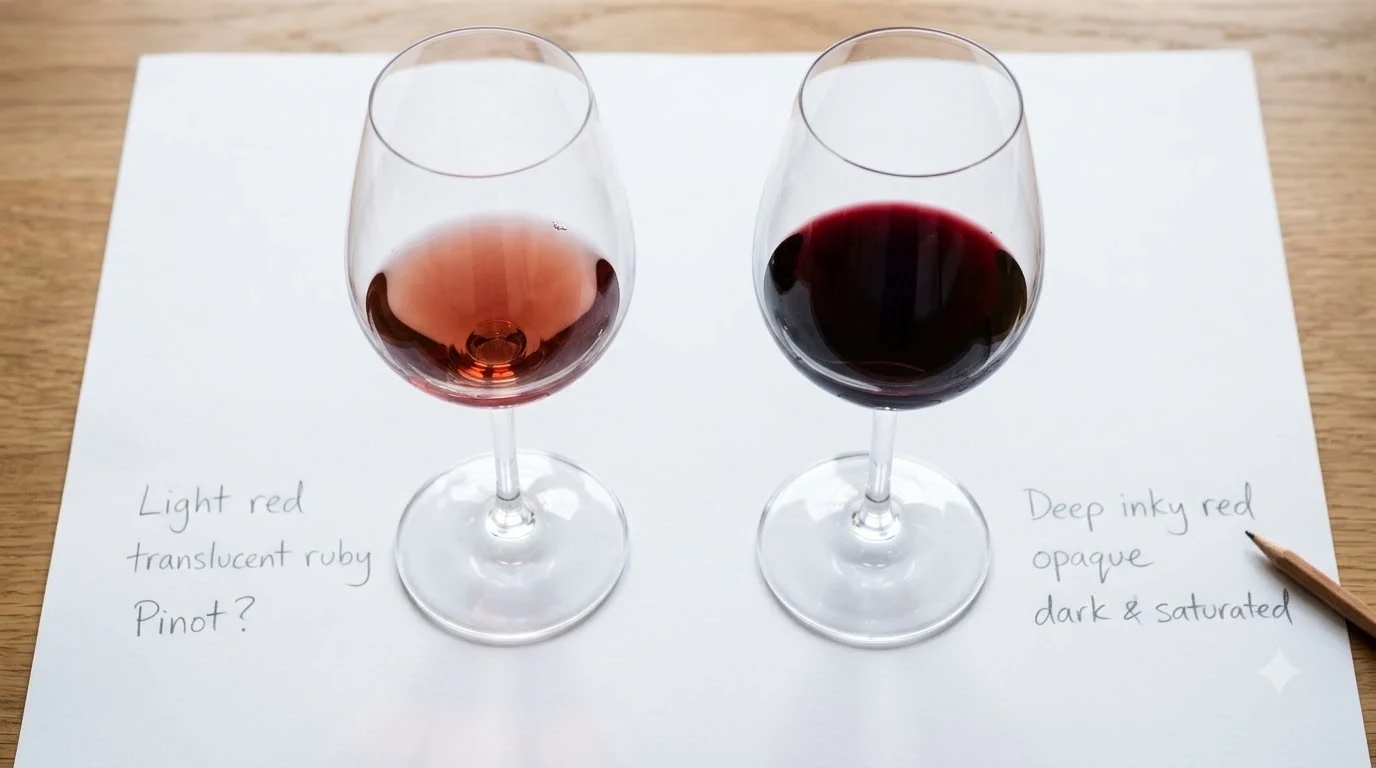
In Spanish winemaking terminology, tinto derives from the word for “tinted” or “dyed,” describing the deep purplish-dark hue extracted from grape skins during fermentation. Because young red wines look closer to dark violet or ink than bright primary red, vino tinto became the traditional term.
What is the difference between Crianza and Reserva vino tinto?
The difference comes down to mandatory aging time in oak barrels and bottles before release. Crianza red wines must age for at least two years total with one year in oak, keeping fruit flavors lively, whereas Reserva reds age for at least three years total, developing deeper leather, cedar, and spice complexity.
Whether you uncork a lively, un-oaked Joven for weeknight tapas or decant a silky Gran Reserva for a celebratory roast, vino tinto rewards curiosity at every tier. Once you know how to read Spain’s aging classifications and match serving temperatures to body weight, exploring Spanish red wine becomes straightforward and endlessly rewarding.
More in Wine Types & Grapes
 Zinfandel Sugar Content: Dry Red vs. White Zinfandel GramsUpdated Nov 21, 2026
 Best Zinfandel Substitute Options for Sipping and CookingUpdated Nov 21, 2026
 Zweigelt Food Pairing: Best Dishes, Cheeses, and Serving TipsUpdated Nov 21, 2026
 Zinfandel Tannins Explained: How Structure Shapes Every BottleUpdated Nov 21, 2026
 Zinfandel Sweetness Level: Dry Red vs. Sweet White Zin ExplainedUpdated Nov 21, 2026
 Xinomavro Food Pairing: Best Dishes, Styles, and Serving TipsUpdated Nov 21, 2026