

We may earn a commission when you buy through links on this page, at no extra cost to you. Learn more.
If you have ever wondered what does Sancerre taste like, expect a bone-dry, crisp white wine bursting with zesty citrus, green apple, subtle fresh herbs, and a signature wet-stone minerality. Made from 100 percent Sauvignon Blanc in France’s eastern Loire Valley, white Sancerre skips heavy oak aging and tropical fruit sweetness in favor of bright, mouthwatering acidity. While white wine accounts for roughly 82 percent of the region’s output, Sancerre also produces small amounts of delicate, berry-driven red and rosé wines from Pinot Noir.
Walking up to a restaurant wine list or a retail shelf, it is easy to get confused because “Sancerre” is a French place name rather than a grape variety. Yet once you take a sip, the appeal becomes clear: few white wines balance electric refreshment with earthy, savory complexity quite as effortlessly as a well-made bottle from this hilltop appellation.
What It Is
Sancerre is a protected French wine appellation (AOP) situated in the eastern Centre-Loire region, where winemakers craft primarily dry white wines from Sauvignon Blanc alongside limited red and rosé bottlings from Pinot Noir. Rather than naming the grape on the front label, French wine law highlights the village and hillside terroir where the vines grow.
Because Sancerre sits roughly 450 kilometers inland from the Atlantic Ocean, the vineyards experience a cool, continental climate. Warm summer days ripen the grapes enough to develop delicate orchard and citrus flavors, while crisp nights lock in the brisk natural acidity that defines the region’s signature snap. Most winemakers ferment the juice in temperature-controlled stainless steel tanks and avoid new oak barrels, preserving pure fruit and soil character without vanilla or butter notes.
Alcohol levels typically land right around 12.5 to 13.5 percent ABV, keeping the wine light- to medium-bodied and easy to enjoy alongside a multi-course meal. If you are exploring Wine by Type, white Sancerre sits squarely in the crisp, aromatic, unoaked white category—worlds apart from sweet, botanical pours like what does dandelion wine taste like or fortified aperitifs.
Flavor and Styles
White Sancerre leads with tart grapefruit, Meyer lemon zest, and green gooseberry, layered over freshly cut grass, white blossoms, and a dry, chalky finish. Unlike New World versions of the same grape that shout with passion fruit and jalapeño, Sancerre speaks in a quieter, more savory register.
According to tasting compilations published by Wine Folly, young white Sancerre consistently showcases lime peel, green apple, white peach, and subtle culinary herbs such as chervil, tarragon, and chives. Underneath that bright fruit sits an unmistakable mineral backbone—often described as wet river stone, crushed oyster shell, or struck gunflint—that leaves your palate feeling clean and refreshed after every swallow.
Although white wine dominates production at 82 percent, Sancerre also makes two lesser-known styles from Pinot Noir. Sancerre Rouge (roughly 11 percent of production) is a light-bodied, translucent red brimming with sour cherry, wild strawberry, and earthy spice. Sancerre Rosé (around 7 percent) offers a pale, bone-dry profile with crisp red currant, citrus peel, and floral aromatics.
| Wine Style | Grape Variety | Share of Production | Core Flavor Profile | Body and Texture |
|---|---|---|---|---|
| Sancerre Blanc (White) | 100% Sauvignon Blanc | 82% | Grapefruit, lemon zest, gooseberry, white flowers, wet flint | Light- to medium-bodied, high acid, crisp and taut |
| Sancerre Rouge (Red) | 100% Pinot Noir | 11% | Tart red cherry, cranberry, forest floor, subtle pepper | Light-bodied, silky tannins, brisk acidity |
| Sancerre Rosé | 100% Pinot Noir | 7% | Wild strawberry, pink grapefruit, elderflower, crushed stone | Light-bodied, bone-dry, snappy and refreshing |
Compared to a sweet, fruit-forward southern American pour—a contrast immediately obvious if you have read about what does muscadine taste like—every style of Sancerre is fermented completely dry. Any impression of sweetness comes solely from ripe fruit aromatics, never from leftover sugar in the glass.
Where It Grows
Sancerre grows on steep, rolling hills along the left bank of the Loire River in central France, where three distinct soil types shape subtle differences in aroma and texture. Growers across the appellation’s roughly 3,000 hectares frequently bottle single-vineyard wines or blend parcels to capture the full personality of these ancient seabeds.
On the western slopes around villages like Chavignol, vineyards sit on Terres Blanches (“white earth”)—a fossil-rich Kimmeridgian clay-limestone marl left behind when a prehistoric sea covered the region. Wines grown here tend to be broader, slightly rounder on the midpalate, and structured enough to develop honeyed, nutty complexity over five to eight years in the cellar.
Closer to the center of the appellation, shallow, stony limestone gravels known as Caillottes produce the most immediately fragrant, floral, and fruit-forward bottles. Finally, on the eastern slopes nearest the Loire River, siliceous clay packed with flint—called Silex—gives rise to the tightest, smokiest wines with that classic struck-match character.
How to Serve
Serve white Sancerre chilled to between 45 and 50 degrees Fahrenheit (8 to 10 degrees Celsius), using a standard tulip-shaped white wine glass that concentrates its delicate citrus and floral aromas. Serving it too cold dulls the mineral nuance, while letting it warm up too much emphasizes the acidity.
About two hours in a standard kitchen refrigerator brings a room-temperature bottle right into the ideal serving zone. If the bottle has been sitting in the fridge overnight, pull it out 15 to 20 minutes before pouring so the herbaceous and stony notes can open up in the glass. Most young white Sancerres do not require decanting, though an older single-vineyard bottle from flinty or clay-limestone soils benefits from 20 minutes of air.
If you pick up a bottle of Sancerre Rosé, treat it to the exact same chill as the white. For Sancerre Rouge, aim for a light cellar chill around 54 to 57 degrees Fahrenheit (12 to 14 degrees Celsius) to keep its bright red-berry fruit lively and prevent the alcohol from feeling warm.
Tip: Skip the ice bucket once the bottle is open—let white Sancerre warm slightly in your glass over 20 minutes to reveal hidden layers of white peach, wet chalk, and fresh tarragon.
Food Pairing
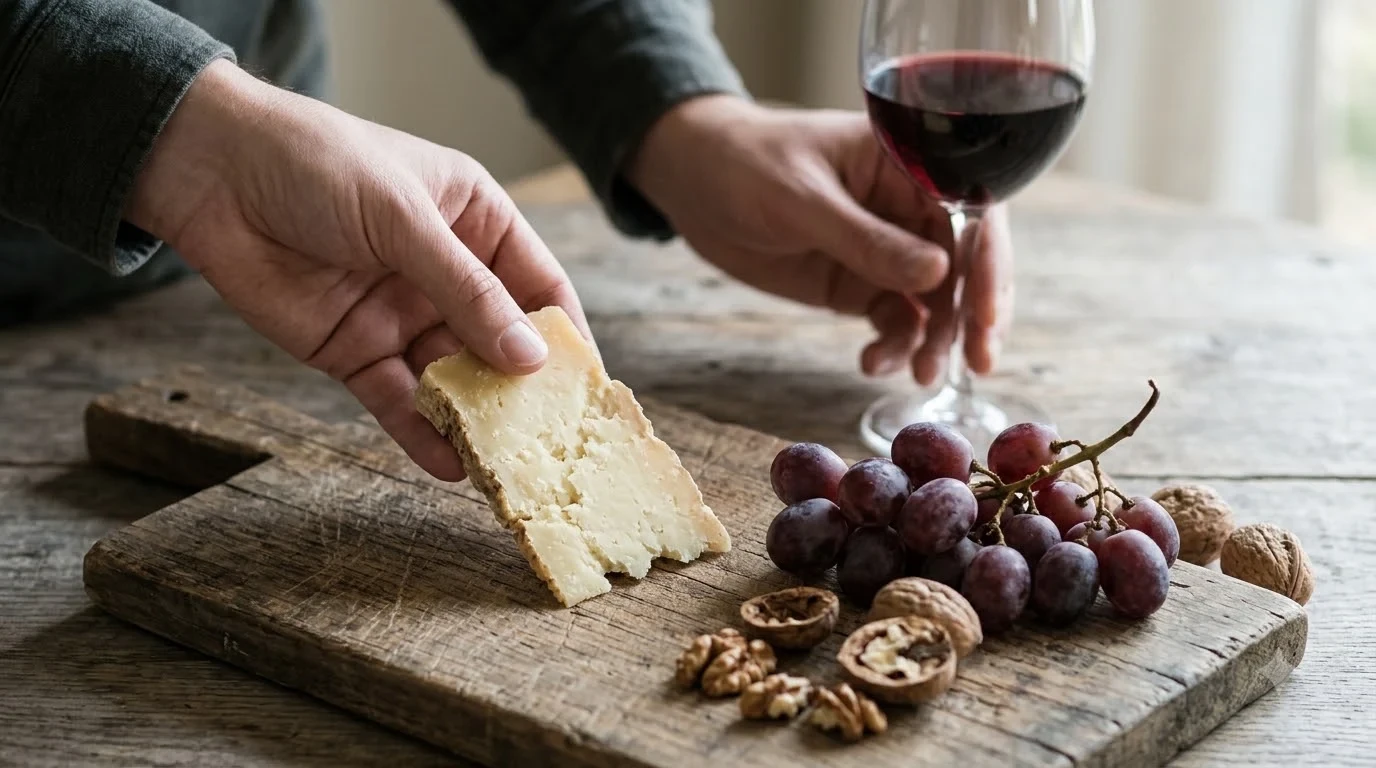
Sancerre’s razor-sharp acidity acts just like a squeeze of fresh lemon over food, cutting through rich, salty, or creamy dishes while refreshing your palate between bites. As editors at Decanter point out, the undisputed regional classic is local goat cheese—specifically Crottin de Chavignol, produced in a village right inside the Sancerre appellation.
The wine’s tangy citrus and herbal snap mirror the creamy, slightly pungent character of fresh chèvre, whether served warm on a baked salad or spread over crusty baguette. Beyond cheese, white Sancerre is a natural partner for raw oysters on the half shell, steamed mussels, grilled sea bass, and delicate sushi or sashimi, where its saline minerality echoes the briny sweetness of the seafood.
It also shines alongside tricky green vegetables that clash with heavier white wines—think roasted asparagus, fresh peas, herb-crusted chicken, or pasta tossed with pesto and green herbs. If you are pouring Sancerre Rouge, reach for roast turkey, grilled salmon, pork tenderloin, or a simple charcuterie board.
How to Choose a Bottle
When shopping for Sancerre, start by checking the vintage date on the label and looking for clues about soil type or village origin. Most entry-level white Sancerres are crafted to drink fresh within one to three years of harvest, when their citrus zest and floral aromatics are at peak vibrancy.
If you enjoy bright, aromatic, easy-drinking whites, look for bottles mentioning limestone gravels or villages like Bué and Verdigny, which often lean toward lively grapefruit and blossom notes. If you prefer leaner, smokier, more mineral-driven wines, seek out labels noting flint (Silex) or steep vineyard sites around Chavignol such as Les Monts Damnés, which offer greater structure and can age gracefully for four to eight years.
Finally, pay attention to the color of the glass and the back label: clear bottles can expose delicate white wine to UV light damage on bright retail shelves, so dark green glass is always a reassuring sign of careful handling. Unlike aromatized wine aperitifs—which you can explore in our guide to what does lillet taste like—true Sancerre contains zero added botanicals or sweeteners, relying entirely on grape, soil, and vintage.
Frequently Asked Questions
Is Sancerre wine sweet or dry?
Sancerre is always fermented completely dry, with virtually no residual sugar. Its lively, mouthwatering impression comes from brisk natural acidity and ripe citrus fruit rather than sweetness. Even Sancerre Rosé and Sancerre Rouge follow the same bone-dry, crisp style.
What is the difference between Sancerre and Sauvignon Blanc?
Sauvignon Blanc is the grape variety, whereas Sancerre is the specific French wine region in the Loire Valley where it grows. While white Sancerre is made entirely from Sauvignon Blanc, its cool climate and chalky, flinty soils make it far more mineral, restrained, and citrus-driven than tropical New Zealand Sauvignon Blanc.
Is Sancerre always a white wine?
No, though white wine accounts for about 82 percent of all Sancerre production. Winemakers in the region also use Pinot Noir grapes to produce small quantities of light, silky red Sancerre (11 percent) and crisp, berry-scented rosé (7 percent).
How long does an opened bottle of Sancerre last?
Once opened, tightly re-corked white Sancerre will stay fresh in the refrigerator for three to five days. Its naturally high acidity helps preserve the citrus and mineral flavors, though the brightest floral aromatics are best within the first 48 hours.
Once you understand how chalk, flint, and cool Loire Valley breezes shape Sauvignon Blanc, Sancerre stops feeling mysterious and starts becoming one of the most reliable bottles you can bring to the table. Whether you pair a young, zesty bottle with fresh goat cheese or uncork an older flint-grown vintage alongside roasted sea bass, every glass delivers unmistakable clarity and refreshment.
More in Wine Types & Grapes
 Zinfandel Sugar Content: Dry Red vs. White Zinfandel GramsUpdated Nov 21, 2026
 Best Zinfandel Substitute Options for Sipping and CookingUpdated Nov 21, 2026
 Zweigelt Food Pairing: Best Dishes, Cheeses, and Serving TipsUpdated Nov 21, 2026
 Zinfandel Tannins Explained: How Structure Shapes Every BottleUpdated Nov 21, 2026
 Zinfandel Sweetness Level: Dry Red vs. Sweet White Zin ExplainedUpdated Nov 21, 2026
 Xinomavro Food Pairing: Best Dishes, Styles, and Serving TipsUpdated Nov 21, 2026