


We may earn a commission when you buy through links on this page, at no extra cost to you. Learn more.
If you are wondering what does rice wine taste like, expect a smooth, lightly sweet, and savory-umami profile with gentle acidity and almost no grape-like tartness or tannin. Depending on the regional style, flavors range from crisp melon, pear, and white blossoms in Japanese sake to toasted nuts and caramel in Chinese Shaoxing wine or creamy, tangy, lightly fizzy sweetness in Korean makgeolli.
Because rice wine is fermented from grain starches rather than fruit sugars, it drinks very differently from grape-based bottles found in standard wine by type guides. Brewers use specialized starter cultures like koji or nuruk to convert rice starch into fermentable sugar, creating high levels of amino acids that give these beverages their signature silky texture and savory backbone.
What Rice Wine Actually Is
Rice wine is an umbrella term for fermented alcoholic beverages made from steamed rice, water, and a microbial starter rather than crushed grapes. While English speakers call these drinks wine because of their strength and table role, their brewing chemistry sits closer to beer.
Grape juice contains natural fructose and glucose that yeast can eat immediately, whereas rice is packed with complex starches. To make alcohol, brewers first introduce mold and yeast starters—such as Aspergillus oryzae (koji) in Japan or wild-fermented wheat cakes (nuruk) in Korea—to break starches down into sugars. In Japanese sake, this conversion and alcohol fermentation happen simultaneously in the same tank, a method known as multiple parallel fermentation.
That grain-based chemistry changes everything on the palate. Instead of sharp tartaric and malic acids or mouth-drying grape tannins, rice wines rely on lactic and succinic acids alongside abundant amino acids. Reviewers at Wine Enthusiast note that this softer acid structure and high amino acid content create a silky mouthfeel and savory umami depth that grape wine rarely replicates. Alcohol levels typically sit between 6 percent and 20 percent ABV depending on whether the bottle is diluted, fortified, or brewed to full strength.
Flavor Profile and Major Styles
Rice wine spans dozens of traditional East and Southeast Asian styles, ranging from bone-dry and crystal clear to milky, effervescent, and syrupy sweet. The exact flavor depends on how heavily the rice grain is polished, how long the brew ages, and whether the liquid is filtered.
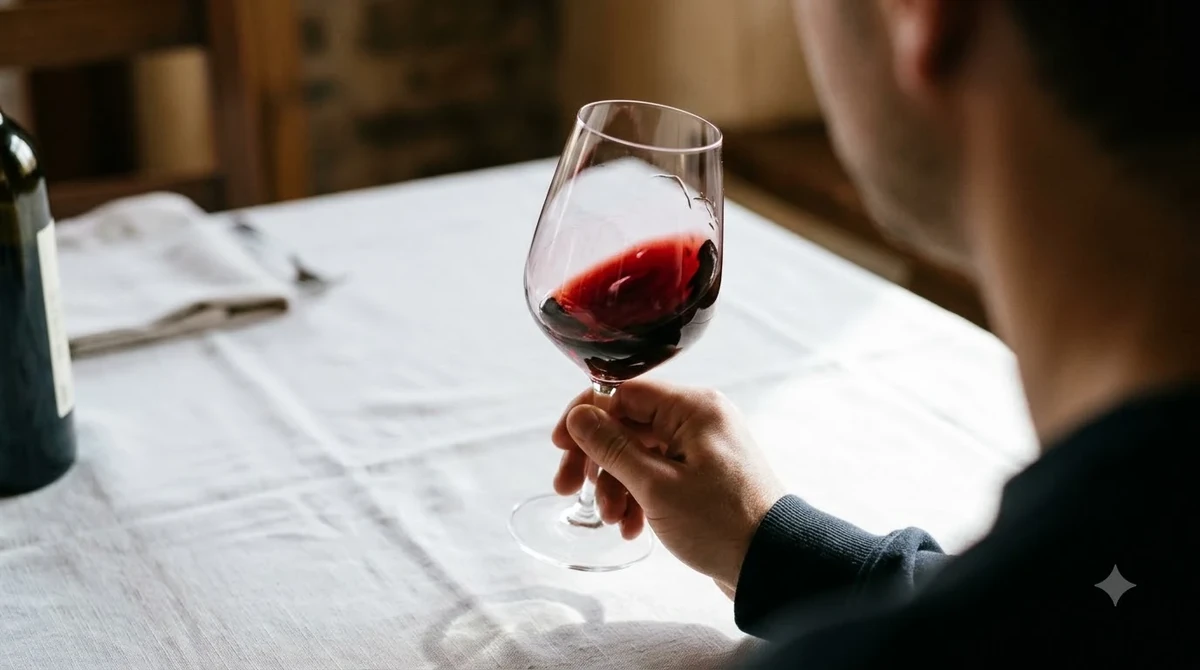
Japanese Sake (Nihonshu): Clean, balanced, and subtle, sake typically ranges from 14 percent to 20 percent ABV. Styles made from heavily polished rice, such as Ginjo and Daiginjo, lean aromatic and delicate with notes of honeydew melon, Asian pear, white peach, and fresh blossoms. Less-polished Junmai bottles retain more outer grain proteins, yielding a fuller, earthier palate loaded with steamed rice, mushroom, and savory umami notes. Unfiltered nigori sake looks cloudy and tastes creamier and sweeter, while unpasteurized namazake offers a vibrant, slightly spritzy freshness.
Chinese Huangjiu and Shaoxing Wine: Amber to deep mahogany in color, Chinese yellow wine is brewed from glutinous rice and wheat-based qu starter, typically landing around 14 percent to 18 percent ABV. Aged Shaoxing from Zhejiang province tastes remarkably similar to dry Amontillado or Oloroso sherry, offering roasted walnuts, dried dates, soy, caramel, and warming spice. Younger, clear Chinese rice wines like mijiu taste lighter, mildly sweet, and gently floral.
Korean Makgeolli and Cheongju: Makgeolli is an unfiltered, milky-white brew with a low 6 percent to 9 percent ABV and natural carbonation. As drinks writers at VinePair explain, traditional versions balance creamy rice sweetness with yogurt-like lactic tang, subtle banana or melon esters, and a refreshing prickle of fizz. When the sediment settles and the clear golden top layer is drawn off, the resulting refined drink is called cheongju—a crisp, subtly sweet, and lightly nutty rice wine used both for sipping and ceremonial toasts.
Japanese Mirin: Unlike table rice wines, hon-mirin (true mirin) is a golden, syrupy cooking rice wine made from steamed glutinous rice, koji, and distilled shochu. At roughly 14 percent ABV, it delivers concentrated honeyed sweetness and deep umami designed to glaze grilled meats and round out salty sauces rather than fill a drinking glass.
| Style | Origin | Typical ABV | Appearance | Core Flavor Notes |
|---|---|---|---|---|
| Japanese Sake (Junmai / Ginjo) | Japan | 14%–20% | Crystal clear to pale straw | Melon, pear, steamed rice, earthy umami |
| Shaoxing (Huangjiu) | China | 14%–18% | Warm amber to mahogany | Toasted nuts, dried fruit, caramel, oxidative spice |
| Korean Makgeolli | South Korea | 6%–9% | Milky white, opaque | Sweet cream, yogurt tang, light fizz, subtle banana |
| Korean Cheongju | South Korea | 13%–16% | Clear pale gold | Crisp grain, subtle sweetness, mild umami |
| Hon-Mirin (Culinary) | Japan | ~14% | Golden, viscous | Rich honeyed sweetness, concentrated umami |
Rice Wine vs. Grape Wine
Compared to conventional grape wines, rice wine feels smoother, rounder, and noticeably lower in sharp acidity. Anyone accustomed to Sauvignon Blanc or Cabernet Sauvignon will immediately notice the absence of mouth-puckering tartness and astringent skin tannins.
Because grape wines carry roughly five times more acidity than sake, grape bottles refresh the palate through bright fruit acid and tannic grip. Rice wine takes the opposite approach, wrapping the tongue in a plush, glycerin-like texture driven by dissolved amino acids and gentle lactic acidity. In flavor terms, aromatic Ginjo sake shares common ground with off-dry Riesling or Pinot Gris, while aged Shaoxing wine mirrors the nutty, oxidative character of dry Sherry or French Vin Jaune. Meanwhile, sweet botanical infusions and fruit wines—like what you encounter when exploring what Lillet tastes like or what dandelion wine tastes like—lean far more heavily on citrus peel, floral aromatics, and crisp fruit acidity than grain-driven rice brews.
You should also avoid confusing rice wine with rice vinegar. Rice vinegar undergoes a second acetic fermentation that converts alcohol into sharp acetic acid, making it a sour pantry condiment rather than a mellow beverage.
How to Serve Rice Wine Properly
Serving temperature dramatically shifts how rice wine tastes, unlocking floral aromatics when chilled or amplifying savory umami when gently warmed. Choosing the right glassware and temperature brings out the best in each regional style.
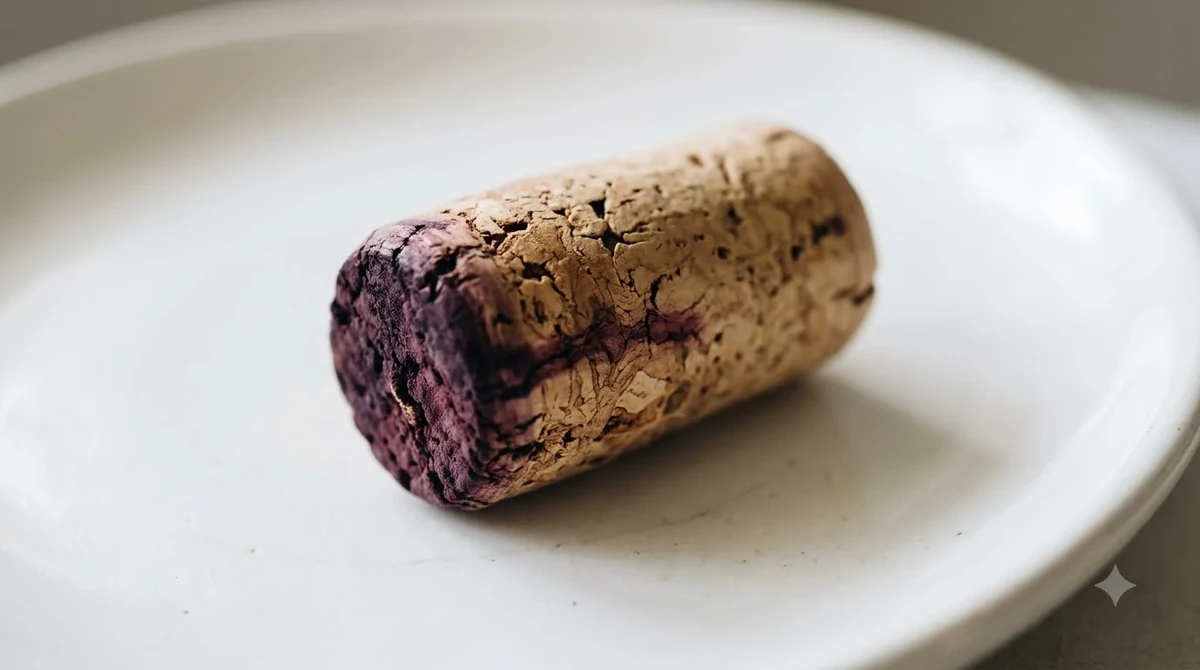
Delicate, fragrant bottles perform best cold. Serve Ginjo, Daiginjo, unpasteurized namazake, and sparkling rice wines chilled to around 40°F to 50°F (5°C to 10°C) in a standard white wine glass. The tulip bowl concentrates subtle melon, peach, and floral aromas that tiny ceramic cups often mute. Korean makgeolli should also be served ice-cold; gently invert or swirl the bottle before pouring so the settled rice sediment blends evenly into a creamy, frothy pour.
Earthier, full-bodied styles shine at room temperature or gently warmed. Junmai sake, kimoto or yamahai brews, and aged Chinese Shaoxing wine open up beautifully between 60°F and 115°F (15°C to 45°C). Gentle warmth softens alcohol edges and draws out toasted grain, caramel, and mushroom notes. Heat these bottles slowly in a water bath rather than microwaving them directly, and avoid overheating delicate aromatic styles, which drives off their fragile fruit esters.
Tip: Never substitute salted grocery-store “cooking sake” or “Shaoxing cooking wine” in a drinking glass—brands add salt so they can be sold outside liquor stores, making them harsh and briny to sip.
Food Pairing Ideas
Because rice wine lacks harsh tannins and aggressive acidity, it rarely clashes with delicate seafood, salty condiments, or spicy dishes that overwhelm grape wine. Its high amino acid content acts as a natural flavor bridge that amplifies savory ingredients.
Chilled, floral Ginjo and Daiginjo sakes pair effortlessly with raw oysters, sushi, sashimi, steamed shellfish, and mild goat cheeses, where their clean finish refreshes the palate without metallic aftertastes. Richer, room-temperature or warm Junmai styles stand up to grilled yakitori, pork belly, mushroom risotto, and aged hard cheeses like Gruyère or Manchego. Aged Shaoxing wine complements soy-braised meats, roasted duck, and nutty stir-fries, while cold, fizzy makgeolli cuts right through spicy Korean fried chicken, kimchi pancakes, and savory barbecue.
How to Choose a Bottle
Reading a rice wine label comes down to checking three practical clues: milling percentage, filtration style, and pasteurization status. Knowing these terms helps you pick a bottle that matches your palate without guesswork.
On Japanese sake labels, look for the rice polishing ratio (seimaibuai). A number like 50 percent or 60 percent indicates that nearly half the outer grain was milled away, signaling a lighter, fruitier, more floral profile. Ratios around 70 percent or higher point toward richer, grain-forward Junmai styles with deeper savory weight. If you enjoy sweet, rustic fruit wines—similar to what muscadine wine tastes like—look for cloudy nigori sake or fruit-infused makgeolli, whereas dry-wine drinkers should reach for bottles labeled Junmai or Karakuchi (dry).
Always check refrigeration and bottling dates when shopping. Unpasteurized nama sakes and live craft makgeolli must stay refrigerated in the store and should be consumed within a few weeks of purchase. Standard pasteurized bottles can sit on a cool shelf, though most are meant to be enjoyed young within a year of their bottling date rather than cellared for decades.
Frequently Asked Questions
Is rice wine sweet or dry?
Rice wine can be either bone-dry or dessert-sweet depending on the style and brewing method. Crisp Junmai and Ginjo sakes often finish clean and dry, whereas unfiltered nigori sake, Korean makgeolli, and culinary mirin carry noticeable residual sweetness.
Does rice wine taste like regular white wine?
No, rice wine tastes much softer, rounder, and more savory than grape-based white wine. Because it lacks tartaric acid and fruit tannins, it trades crisp citrus sharpness for gentle lactic acidity, silky texture, and mild grain or melon notes.
Can you drink Shaoxing rice wine straight?
Yes, authentic aged Shaoxing wine without added salt is traditionally sipped neat at room temperature or gently warmed in small cups. Its nutty, caramel, and dried-fruit profile drinks very much like a dry Spanish sherry.
Is rice wine the same thing as rice vinegar?
No, they are completely different products and cannot be swapped one-for-one. Rice wine is an alcoholic fermented beverage with mild sweetness and umami, while rice vinegar undergoes a second fermentation that turns the alcohol into sharp, sour acetic acid.
Exploring rice wine opens up an entirely different side of fermented drinks, where texture and savory umami take center stage over bright fruit acid. Whether you pour a chilled glass of fragrant Ginjo sake alongside fresh seafood or share a frothy bowl of tangy makgeolli with spicy takeout, matching the regional style and serving temperature to your meal makes every sip feel effortless.
More in Wine Types & Grapes
 Zinfandel Sugar Content: Dry Red vs. White Zinfandel GramsUpdated Nov 21, 2026
 Best Zinfandel Substitute Options for Sipping and CookingUpdated Nov 21, 2026
 Zweigelt Food Pairing: Best Dishes, Cheeses, and Serving TipsUpdated Nov 21, 2026
 Zinfandel Tannins Explained: How Structure Shapes Every BottleUpdated Nov 21, 2026
 Zinfandel Sweetness Level: Dry Red vs. Sweet White Zin ExplainedUpdated Nov 21, 2026
 Xinomavro Food Pairing: Best Dishes, Styles, and Serving TipsUpdated Nov 21, 2026