
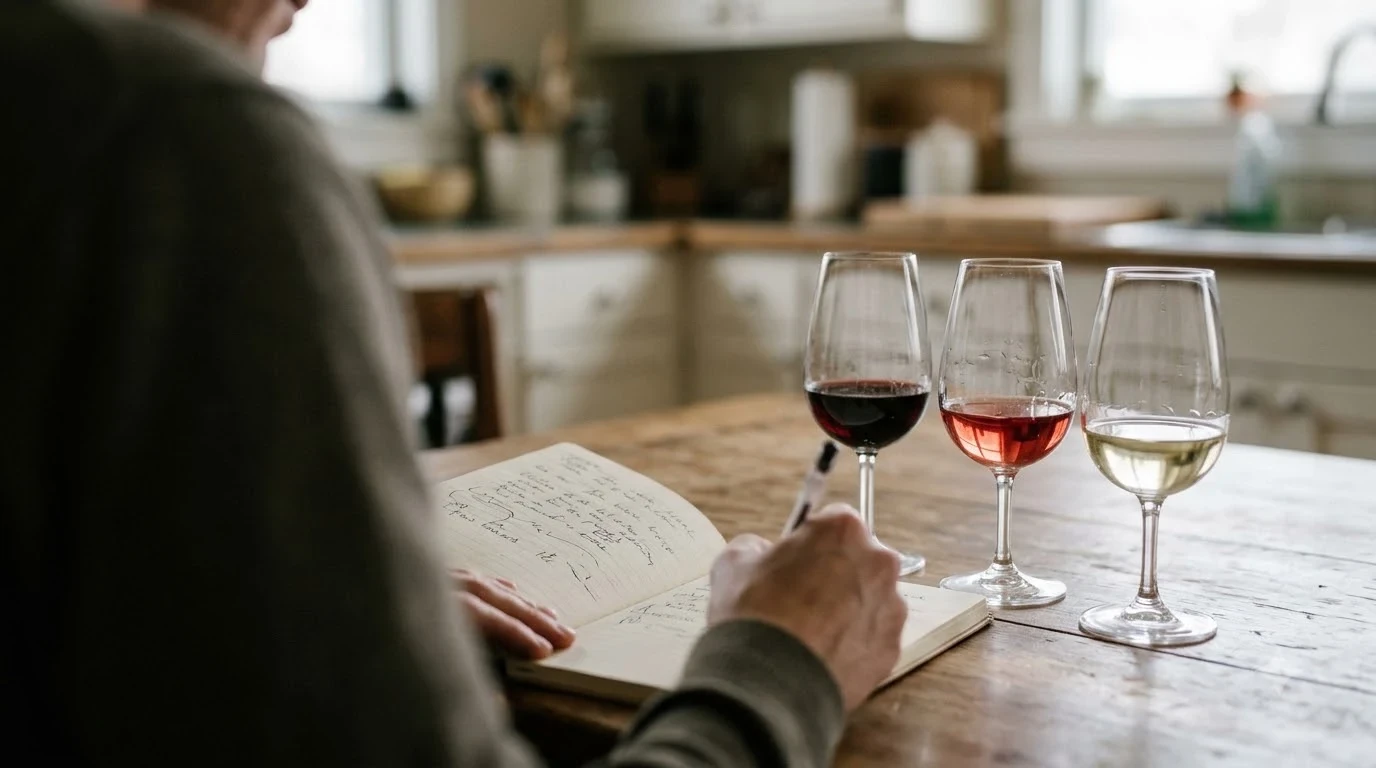

We may earn a commission when you buy through links on this page, at no extra cost to you. Learn more.
Syrah tasting notes center on dark, concentrated fruit—specifically blueberry, blackberry, and black plum—layered over savory tones of black pepper, smoked meat, black olive, tobacco, and milk chocolate. Grown in cooler regions like France’s Northern Rhône, the grape produces structured, earthy wines with herbal and floral lift, while warmer regions in Australia and California yield fuller-bodied, fruit-driven bottles labeled as Syrah or Shiraz. Most bottlings fall between 13.5% and 15% ABV and feature medium-plus tannins paired with medium to medium-plus acidity.
Understanding what sits inside a glass of Syrah starts with recognizing that the same dark-skinned grape wears two different personalities depending on climate and winemaking choices. While drinkers browsing Wine by Type often group it alongside Cabernet Sauvignon for its opaque purple-black color, Syrah brings a distinct peppery, savory edge that sets it apart from almost every other major red variety.
What it is
Syrah is a dark-skinned red wine grape native to southeastern France that is genetically identical to the grape called Shiraz in Australia and South Africa. DNA profiling traced its parentage to two obscure French varieties, Dureza and Mondeuse Blanche, making it a grandchild of Pinot Noir despite sharing none of that grape’s pale color or delicate weight.
The variety produces small, thick-skinned berries that pack extraordinary color pigment into every cluster, giving the finished wine one of the deepest hues in the red wine spectrum. Because those skins also carry high levels of tannins, winemakers frequently use extended maceration—leaving the juice in contact with the grape skins for days or weeks after fermentation—to polymerize and soften the grip before bottling.
Unlike light, crisp whites whose appeal rests on bright citrus snap—as covered in our guides to pinot grigio tasting notes and gruner veltliner tasting notes—Syrah is built around mid-palate richness and a lingering spicy finish. According to Wine Folly’s comprehensive grape profile, global plantings expanded dramatically from roughly 10,000 hectares in the 1980s to more than 180,000 hectares by the mid-2000s as growers across the New World adopted the variety.
Flavor and styles
At its core, Syrah delivers a bold wave of dark berry fruit up front that tapers into an unmistakable cracked-pepper and savory finish. Across nearly all expressions, tasters encounter blueberry, blackberry, boysenberry, and black plum, supported by secondary notes of licorice, clove, vanilla, and cocoa when aged in oak barrels.
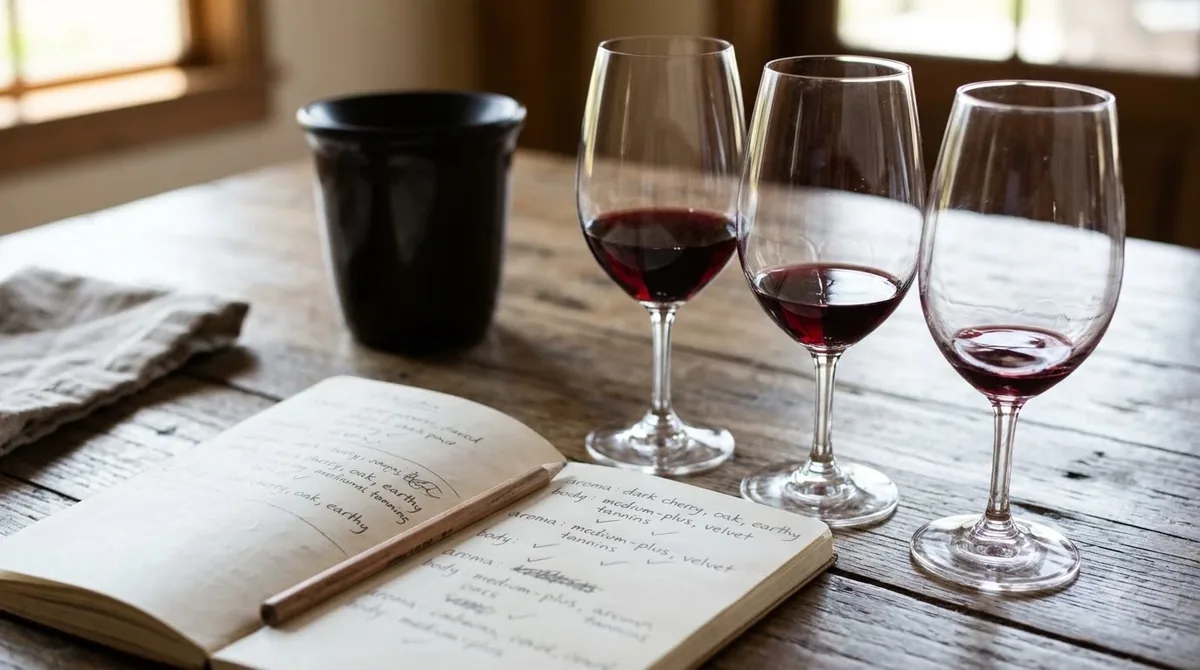
Climate divides Syrah tasting notes into two recognizable camps. Cool-climate bottlings emphasize higher acidity, firmer tannins, and savory aromas that wine writers frequently compare to black olive tapenade, bacon fat, cured meat, dried herbs, smoke, and violet blossoms. A compound called rotundone—naturally concentrated in grapes grown in cooler sites—gives these wines their signature aroma of freshly ground black or green peppercorns.
Warm-climate expressions, often bottled under the name Shiraz, push the fruit spectrum toward blackberry jam, ripe black cherry, and sweet spice while softening the earthy edges. Higher sun exposure increases grape sugar levels, yielding rounder, plush textures and higher alcohol, though lower-yielding hillside vineyards in warm regions can still preserve remarkable herbal tension.
| Style Attribute | Cool-Climate Syrah (Old World Style) | Warm-Climate Syrah / Shiraz (New World Style) |
|---|---|---|
| Primary Fruit | Tart blackberry, blueberry, black plum | Jammy blackberry, boysenberry, black cherry |
| Savory & Spice Notes | Black peppercorn, black olive, smoked meat, violet, garrigue | Milk chocolate, sweet tobacco, vanilla, clove, anise |
| Structure | Medium-plus acidity, firm tannins, savory mid-palate | Medium acidity, plush velvety tannins, fuller body |
| Typical ABV | 13.5%–14.5% | 14.5%–15.5%+ |
Where it grows
France’s Northern Rhône Valley remains the spiritual benchmark for Syrah, where steep granite slopes along the Rhône River produce structured, age-worthy wines. Appellations such as Côte-Rôtie, Hermitage, Crozes-Hermitage, Saint-Joseph, and Cornas showcase the grape’s savory, smoky side, with Côte-Rôtie famously permitting a small co-fermentation with the aromatic white grape Viognier to lift floral aromatics and soften texture.
Further south in France, across the Southern Rhône and Languedoc-Roussillon, Syrah plays a vital blending role alongside Grenache and Mourvèdre. In these warmer Mediterranean zones, Syrah adds dark color, blackberry depth, and backbone to classic GSM blends rather than standing alone as a single-varietal wine.
Outside Europe, Australia turned Shiraz into its signature red grape, particularly across South Australia’s Barossa Valley and McLaren Vale as well as cooler Victorian regions where peppery notes resurface. In the United States, Washington State’s Columbia Valley and Walla Walla Valley have earned acclaim for balancing dark fruit with fresh acidity, while California’s Paso Robles, Santa Barbara County, and Sonoma Coast produce everything from lush, spice-driven bottlings to cool-climate coastal styles. Contributors to VinePair’s Wine 101 overview point out that yield management and sun exposure matter just as much as geography in determining whether a bottle tastes meaty and restrained or opulent and fruit-forward.
How to serve
Serve Syrah slightly below room temperature at 60°F to 68°F (15°C to 20°C) so the alcohol stays integrated and the aromatic complexity shines. Pouring the wine too warm accentuates ethanol heat and flattens the delicate floral and pepper aromatics, whereas serving it in that cool cellar range keeps the dark fruit crisp and focused.
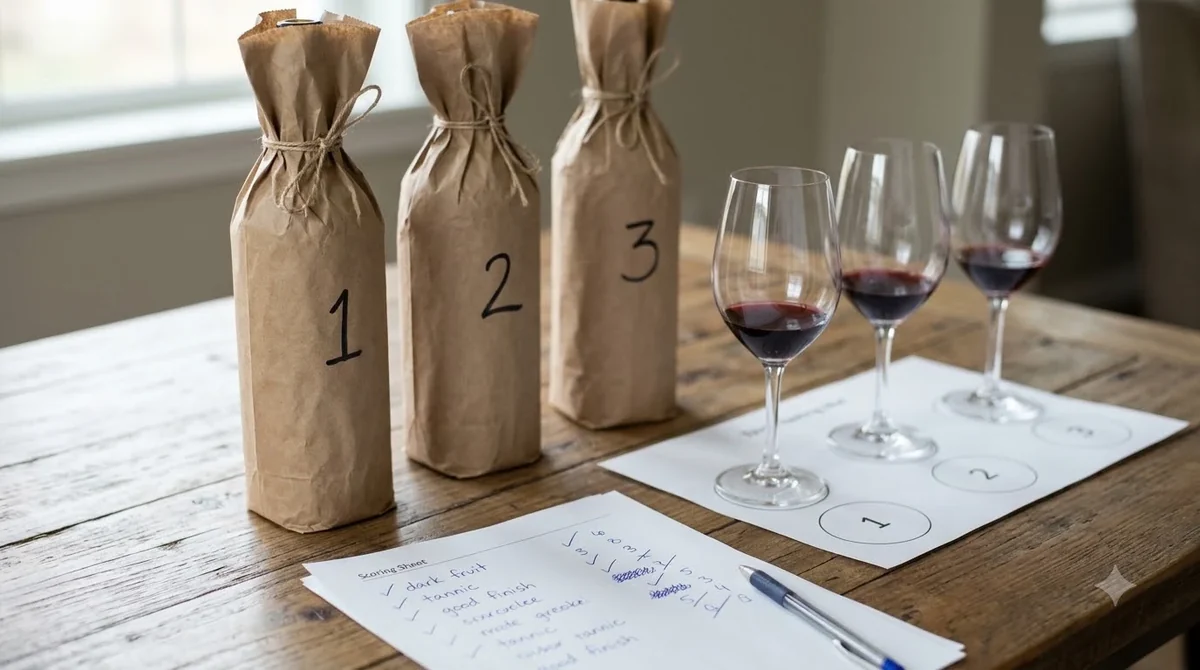
Decanting plays a major role in unlocking Syrah’s layered bouquet, especially for young, tannic bottles from the Northern Rhône or high-elevation New World vineyards. Giving the wine roughly one hour in a wide-bottomed decanter exposes it to oxygen, softening angular tannins and allowing tightly wound smoky, meaty compounds to open up in the glass.
Use a large universal red wine glass or a classic Bordeaux-style bowl with enough volume to swirl vigorously without spilling. While everyday bottles drink well within five to nine years of vintage, top examples from granite hillsides can evolve in a cool, dark cellar for 10 to 25 years, trading primary blueberry fruit for leather, dried fig, and forest floor.
Tip: If a bottle of Syrah smells slightly rubbery or closed right after pulling the cork, pour it into a decanter for 45 to 60 minutes—Syrah is naturally prone to reduction in the bottle, and brief aeration clears those compounds away cleanly.
Food pairing
Syrah’s combination of medium-plus tannins, dark fruit, and savory spice makes it one of the most versatile reds for grilled, roasted, and heavily seasoned dishes. The char and smoke from an open grill mirror the smoky, cured-meat notes naturally present in the wine, creating an immediate bridge on the palate.
Rich meats seasoned with warm spices and Mediterranean herbs are natural partners. Slow-roasted lamb shoulder rubbed with rosemary, garlic, and Herbes de Provence brings out the lavender and thyme nuances in Old World Syrah, while barbecued beef brisket, pork ribs, and spiced dishes like lamb shawarma, gyros, or Chinese five-spice pork match the plush fruit and pepper kick of New World Shiraz.
Vegetarian dishes with deep umami and earthy textures handle Syrah’s structure just as effortlessly. Grilled portobello mushrooms, roasted eggplant, black lentil stews, and aged hard cheeses like Manchego or semi-soft washed-rind cheeses absorb the wine’s tannins without letting the fruit overwhelm the plate, offering a stark contrast to the delicate orchard-fruit pairings suited to chenin blanc tasting notes.
How to choose a bottle
Reading the label carefully gives reliable clues about the style waiting inside the bottle before you pull the cork. Bottles labeled simply as Syrah from France, Washington State, or coastal California generally lean toward higher acidity, savory herbal notes, and black pepper, whereas bottles labeled Shiraz from Australia or warm inland valleys typically signal riper dark fruit, sweeter oak spice, and a fuller body.
Check the alcohol by volume printed on the front or back label as a quick shortcut to ripeness and weight. A bottle sitting around 13.5% to 14% ABV almost always reflects cooler growing conditions and brisker acidity, while bottlings at 14.5% to 15.5% ABV indicate longer hang time on the vine, higher sugar accumulation, and a richer, more mouth-coating texture.
Finally, look at regional sub-appellations rather than broad country or state designations whenever possible. Specific hillside or coastal appellations—such as Crozes-Hermitage, Saint-Joseph, Walla Walla Valley, or Santa Ynez Valley—tend to enforce lower vineyard yields, which concentrates the spicy, savory character that makes Syrah distinctive rather than diluting it into generic red fruit.
Frequently Asked Questions
Are Syrah and Shiraz the exact same grape?
Yes, Syrah and Shiraz are two different names for the exact same dark-skinned grape variety originating in southeastern France. Winemakers choose between the two names on the label to signal style, using Syrah for savory, structured Old World expressions and Shiraz for riper, fruit-forward New World wines.
Why does Syrah often taste like black pepper?
Syrah grapes naturally contain higher concentrations of an aromatic compound called rotundone, which is the exact same molecule responsible for the scent of black and green peppercorns. Vineyards in cooler climates or on breezy hillsides preserve more rotundone in the grape skins, making the peppery note especially pronounced in the finished wine.
Is Syrah considered a dry or sweet red wine?
Nearly all Syrah and Shiraz wines are fermented completely dry, meaning they contain virtually no residual sugar. Warm-climate Shiraz can create an impression of sweetness on the palate because ripe jammy blackberry fruit, vanilla oak aging, and higher alcohol combine to give a lush, rounded mouthfeel.
How does Syrah compare to Cabernet Sauvignon?
Syrah is typically even darker in color than Cabernet Sauvignon and delivers a softer, rounder mid-palate with prominent notes of blueberry, smoked meat, and black pepper. Cabernet Sauvignon leans more toward blackcurrant, cedar, and firm, drying tannins that grip the gums longer on the finish.
Whether you gravitate toward the smoky, pepper-laced elegance of a Northern Rhône bottling or the plush, blackberry-driven warmth of an Australian Shiraz, Syrah rewards anyone looking for depth beyond straightforward fruit. Paying attention to climate cues, ABV, and brief decanting time will help you match the right expression to whatever is coming off the grill or out of the oven.
More in Wine Types & Grapes
 Zinfandel Sugar Content: Dry Red vs. White Zinfandel GramsUpdated Nov 21, 2026
 Best Zinfandel Substitute Options for Sipping and CookingUpdated Nov 21, 2026
 Zweigelt Food Pairing: Best Dishes, Cheeses, and Serving TipsUpdated Nov 21, 2026
 Zinfandel Tannins Explained: How Structure Shapes Every BottleUpdated Nov 21, 2026
 Zinfandel Sweetness Level: Dry Red vs. Sweet White Zin ExplainedUpdated Nov 21, 2026
 Xinomavro Food Pairing: Best Dishes, Styles, and Serving TipsUpdated Nov 21, 2026