

We may earn a commission when you buy through links on this page, at no extra cost to you. Learn more.
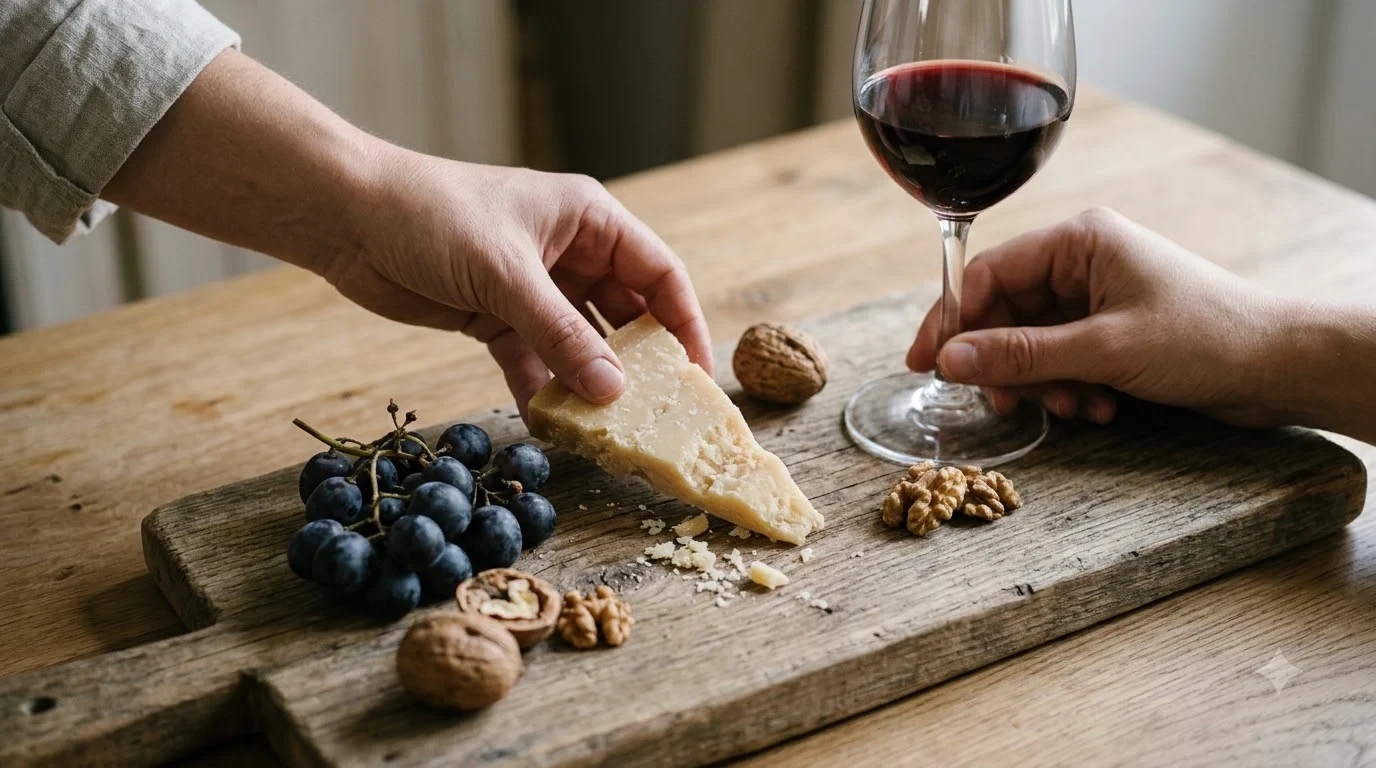
Pairing pinot noir with cheese works reliably because the wine combines bright, mouthwatering acidity with gentle tannins and red-berry fruit that complement creamy, nutty, and earthy cheeses without overwhelming them. Semi-firm Alpine styles like Gruyere and Comté, bloomy-rind classics such as Brie and Camembert, and caramelized aged Gouda are among the strongest matches for a glass of Pinot Noir. Serving the wine slightly cool at 55–60°F (12–15°C) keeps its cranberry and cherry aromas crisp against rich butterfat.
Most bold red wines rely on heavy tannins that can turn metallic or astringent next to delicate dairy proteins, yet Pinot Noir plays by different rules. Its thin skins naturally yield a lighter body, vibrant tart-fruit character, and subtle forest-floor aromatics that bridge the gap between white-wine freshness and red-wine depth. Whether you are assembling an evening grazing board or picking a single wedge to open alongside dinner, matching the weight and flavor profile of your cheese to the style of Pinot Noir in your glass guarantees harmony on the palate.
Why Pinot Noir Works So Well With Cheese
Pinot Noir succeeds alongside cheese because its high natural acidity cuts through rich butterfat while its low-to-medium tannins avoid clashing with milk proteins and salt.
Tannin is the compound in red wine that creates a drying, grippy sensation on the tongue, and high levels of it can react poorly with sharp, salty, or very creamy cheeses. Because Pinot Noir grapes have thinner skins than varieties like Cabernet Sauvignon or Syrah, the resulting wine carries softer, finer tannins that wrap smoothly around dairy textures. Instead of fighting the richness of a wedge of cheese, the wine refreshes your palate after every bite.
Flavor profile plays an equally important role in this partnership. Classic Pinot Noir expresses layers of red cherry, raspberry, cranberry, dried herbs, and damp earth or mushroom. Those savory, umami-driven undertones mirror the exact aromatic compounds found in bloomy-rind cheeses and aged mountain wheels, creating a natural bridge between what is in your glass and what is on your plate.
If you are still exploring how light-bodied reds compare to heavier bottles across different Wine by Type, Pinot Noir is the ideal starting point for red-wine lovers who want versatility at the cheese counter.
Best Cheeses to Pair With Pinot Noir
Semi-firm nutty cheeses, soft bloomy-rind wheels, and moderately aged Gouda consistently deliver the most balanced, crowd-pleasing matches for Pinot Noir.
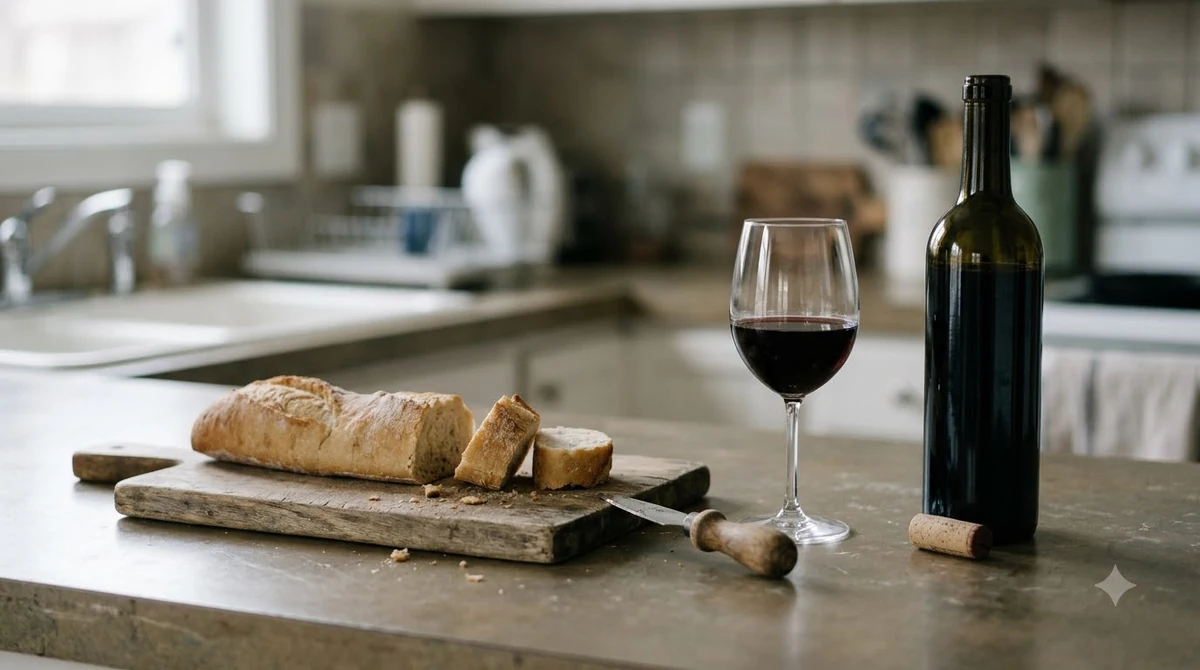
Alpine and mountain cheeses top almost every sommelier list for good reason. As Wine Folly notes in its classic pairing guide, the ever-present red berry fruit of Pinot Noir is an ideal match for the nutty, toasted flavors of Gruyere. Comté offers a similar profile with notes of brown butter, roasted hazelnut, and gentle savory crystals that echo the wine’s earthy side without overpowering its delicate finish.
Soft-ripened bloomy-rind cheeses like Brie and Camembert bring a completely different—yet equally effective—contrast in texture. According to VinePair’s wine and cheese pairing guide, Pinot Noir’s delicate flavors and light-to-medium body complement soft-ripened Brie without burying its subtle sweetness. The edible white rind often carries a distinct button-mushroom aroma that locks right into the savory, forest-floor notes of a classic Burgundy or Willamette Valley bottle.
Aged Gouda rounds out the top tier, especially when you are pouring a slightly riper, fruit-forward bottle from California or New Zealand. As Gouda matures, it develops deep butterscotch and caramel sweetness alongside crunchy tyrosine crystals. Pinot Noir’s lively acidity slices straight through that dense, fudgy richness, keeping each sip bright and balanced.
| Cheese Style | Top Examples | Key Flavor & Texture | Best Pinot Noir Style |
|---|---|---|---|
| Semi-Firm Alpine | Gruyere, Comté, Beaufort | Nutty, slightly sweet, dense, supple | Burgundy, Willamette Valley, Alsace |
| Bloomy-Rind Soft | Brie, Camembert, Chaource | Creamy, buttery, earthy mushroom rind | Cool-climate French, German, or Oregon |
| Aged Hard Gouda | Aged Gouda (18+ months) | Caramelized, crunchy crystals, rich | Russian River Valley, Central Otago |
| Washed-Rind Semi-Soft | Taleggio, Reblochon | Supple, tangy, mild savory funk | Bright, high-acid cool-climate Pinot |
| Fresh & Tangy Goat | Fresh Chèvre, Crottin | Tart, crumbly, citrusy, clean | Light-bodied, unoaked, or rosé-leaning |
Matching Cheese to Regional Pinot Noir Styles
Regional climate shapes Pinot Noir from lean and earthy to plush and dark-fruited, so aligning your cheese choice with where the bottle was grown makes every pairing sharper.
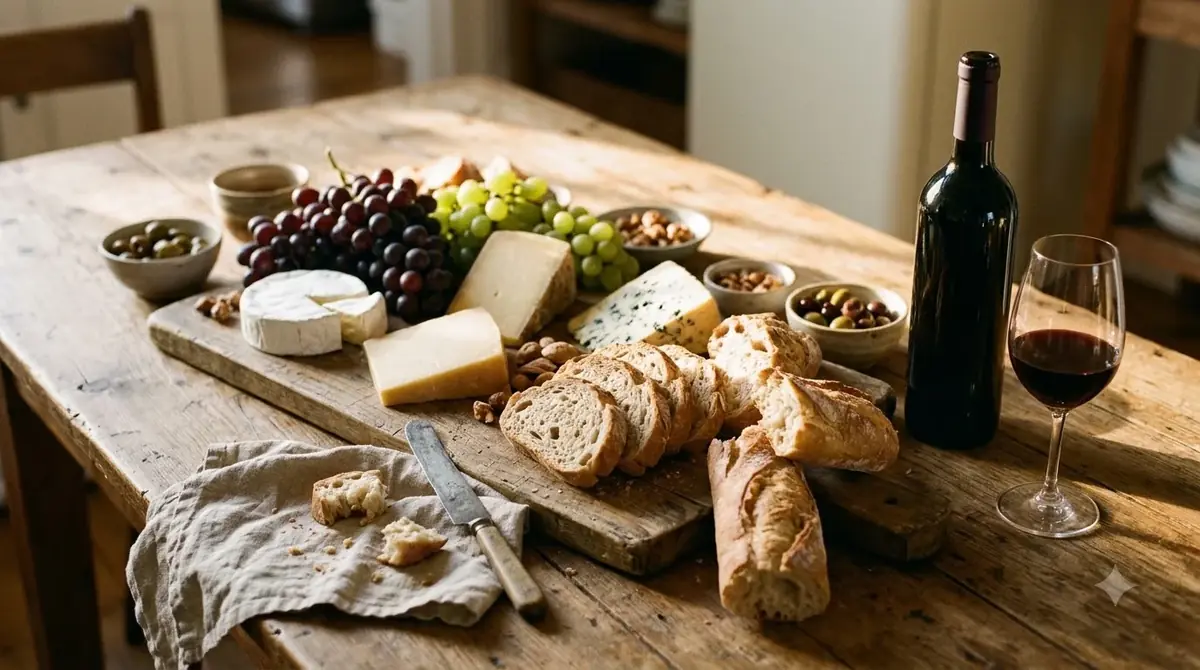
Cool-climate regions such as France’s Burgundy, Oregon’s Willamette Valley, and Germany’s Ahr Valley produce Pinot Noir with higher acidity, lighter body, and pronounced notes of tart cranberry, sour cherry, and forest floor. These bottles shine brightest with delicate, nuanced cheeses like Brie, Camembert, fresh chèvre, and young Comté, where neither the wine nor the cheese dominates the other. Understanding where is pinot noir from helps you predict whether a bottle will lean toward bright herbal elegance or lush dark fruit before you even pull the cork.
Warmer or sunnier growing zones—including California’s Russian River Valley, Santa Barbara County, and New Zealand’s Central Otago—yield Pinot Noir with riper black cherry, raspberry jam, and baking-spice notes from French oak aging. These fuller-bodied styles have enough fruit weight and structure to handle richer, firmer cheeses like 18-month aged Gouda, Manchego, or a moderately sharp white cheddar.
If you are hosting a casual warm-weather gathering and serving a chilled, fruit-driven batch of pinot noir sangria, lean toward milder, crowd-friendly options like young Gouda, Havarti, or a creamy Brie that can stand up to fresh citrus and stone fruit garnishes.
Cheeses to Approach With Caution
Intensely pungent blue cheeses, ultra-sharp aged cheddars, and fiery spiced cheeses tend to overwhelm Pinot Noir’s subtle aromatics and make the wine taste thin.
Strong blue cheeses like Roquefort, Stilton, and Gorgonzola Piccante pack aggressive saltiness and sharp, tangy blue veins that easily steamroll a light-bodied red. Instead of harmonizing, the cheese strips away Pinot Noir’s delicate red-berry fruit and leaves behind a hollow, overly acidic impression. Blue cheeses are far happier alongside sweet fortified wines like Port or Sauternes, where residual sugar balances the intense salt.
Very sharp, crumbly aged cheddar and chili-spiced cheeses like Pepper Jack create similar friction on the palate. Extreme sharpness can make Pinot Noir’s subtle oak and acidity feel disjointed, while capsaicin heat from hot peppers amplifies the sensation of alcohol and masks nuanced floral aromas. If you want cheddar on your board, choose a younger, milder clothbound cheddar rather than an extra-sharp five-year block.
Tip: Pull your cheese out of the refrigerator 30 to 45 minutes before serving, and chill your Pinot Noir in the fridge for about 20 minutes so both land in their ideal flavor zones at the exact same time.
How to Serve Pinot Noir and Cheese Together
Serving temperature, glassware, and board accompaniments determine whether a Pinot Noir and cheese pairing feels flat or effortless.
According to Wine Folly’s grape profile for Pinot Noir, the wine tastes best slightly cooler than standard room temperature, ideally between 55°F and 60°F (12°C to 15°C). Serving Pinot Noir too warm—above 68°F—makes the alcohol feel heavy and dulls the crisp acidity you need to cut through creamy Brie or rich Gouda. Conversely, pouring it straight from a cold refrigerator mutes its floral and berry aromatics.
Pour the wine into a large, wide-bowled Pinot Noir or Burgundy glass so the delicate aromas of cherry, rose petal, and spice have room to collect. On the board itself, surround your cheeses with neutral crackers, sliced baguette, toasted walnuts, and dried cherries or fresh figs. Avoid overly sweet jams or sharp vinegar pickles right next to the wine, as heavy sugar and harsh vinegar can throw Pinot Noir’s balanced acidity off kilter. For guests tracking macros while grazing, reviewing pinot noir carbs makes it easy to plan dry wine pours alongside low-carb cheese selections.
Frequently Asked Questions
Is Pinot Noir good with a cheese board?
Yes, Pinot Noir is widely considered one of the most versatile red wines for a mixed cheese board. Its bright acidity refreshes the palate between bites of rich dairy, while its low-to-medium tannins avoid clashing with mild, nutty, and soft-ripened cheeses.
Does Pinot Noir pair well with Brie?
Pinot Noir pairs exceptionally well with Brie and Camembert. The wine’s crisp red-fruit acidity cuts cleanly through the cheese’s rich, buttery interior, while the earthy, mushroom-like aroma of the bloomy rind echoes Pinot Noir’s natural forest-floor notes.
What temperature should Pinot Noir be served at with cheese?
Serve Pinot Noir slightly cool at 55–60°F (12–15°C), which is roughly 15 to 20 minutes in a standard kitchen refrigerator before opening. Keeping the wine in this range preserves its vibrant berry fruit and prevents the alcohol from feeling heavy next to rich cheeses.
Can you pair Pinot Noir with sharp cheddar or blue cheese?
Mild or medium-aged cheddar works well with a lighter Pinot Noir, but extra-sharp cheddar and pungent blue cheeses like Roquefort usually overpower the wine. Their intense salt and sharpness can flatten Pinot Noir’s subtle fruit, making a bold red or sweet dessert wine a better match for those styles.
Building a memorable pairing comes down to respecting balance—letting Pinot Noir’s bright acidity and silky texture lift creamy, nutty, and gently aged cheeses rather than competing with extremes. Start with a wedge of Gruyere, room-temperature Brie, or aged Gouda alongside a slightly chilled bottle, and adjust toward lighter or richer styles based on what is in your glass.
More in Wine Types & Grapes
 Zinfandel Sugar Content: Dry Red vs. White Zinfandel GramsUpdated Nov 21, 2026
 Best Zinfandel Substitute Options for Sipping and CookingUpdated Nov 21, 2026
 Zweigelt Food Pairing: Best Dishes, Cheeses, and Serving TipsUpdated Nov 21, 2026
 Zinfandel Tannins Explained: How Structure Shapes Every BottleUpdated Nov 21, 2026
 Zinfandel Sweetness Level: Dry Red vs. Sweet White Zin ExplainedUpdated Nov 21, 2026
 Xinomavro Food Pairing: Best Dishes, Styles, and Serving TipsUpdated Nov 21, 2026