


We may earn a commission when you buy through links on this page, at no extra cost to you. Learn more.
The direct answer to “is red wine vegan” is sometimes, though many bottles are not. While wine begins with grapes and yeast, winemakers frequently clarify young red wine using animal-derived fining agents such as egg whites, gelatin, or milk protein. Although these processing aids bind to particles and settle out before bottling, their use during production means the finished bottle is not strictly plant-based.
Walking down the wine aisle as a vegan shopper can feel confusing because back labels rarely list processing ingredients. Unlike packaged foods in the grocery store, wine bottles generally omit winemaking aids, leaving consumers to guess whether a Cabernet Sauvignon or Merlot aligns with a plant-based lifestyle. Understanding what happens inside the cellar makes it much easier to pick a bottle with confidence.
Why Some Red Wines Are Not Vegan
Red wine is not automatically vegan because winemakers often use animal proteins during a clarification step called fining. Even though grapes, water, and yeast are completely plant-friendly, traditional cellar practices rely on animal-based processing aids to polish the texture and appearance of the finished drink.

Freshly fermented red wine is naturally hazy and packed with microscopic suspended solids, including grape skin fragments, dead yeast cells, proteins, and harsh phenolic compounds. If left alone in barrels or tanks, gravity will eventually pull most of these particles to the bottom over many months. Because modern commercial wineries need to bottle wine on a predictable schedule and deliver crystal-clear liquid to retail shelves, cellarmasters speed up this natural settling process by introducing a fining agent.
Fining works like a magnetic net inside the tank or barrel. According to Wine Enthusiast, positively charged proteins in egg whites bind to negatively charged tannins in red wine, causing the combined particles to clump together and sink to the bottom. The winemaker then racks, or siphons, the clear wine off the sediment before bottling. While the fining agent itself is removed from the final liquid, tiny trace amounts can remain, and the reliance on animal products disqualifies the wine from being vegan.
Historically, winemakers even used ox blood to clarify red wines, though that practice has long been abandoned in modern winemaking. Today, the primary culprits in red wine production are egg whites and animal gelatin, both of which help soften aggressive astringency in full-bodied reds. Because these substances are classified as processing aids rather than added ingredients, United States labeling laws do not require wineries to disclose them on the bottle.
Common Animal and Vegan Fining Agents
Cellarmasters choose from a wide toolkit of clarifying agents depending on whether they want to soften harsh tannins, remove haze, or stabilize color. Knowing the difference between animal-derived options and mineral or plant-based alternatives helps clarify why two bottles of the same grape variety can have completely different vegan statuses.
| Fining Agent | Source Material | Primary Role in Winemaking | Vegan Status |
|---|---|---|---|
| Albumen (Egg Whites) | Chicken eggs | Softens harsh tannins and astringency in red wines | No (Vegetarian only) |
| Gelatin | Animal hides, bones, and connective tissue | Reduces bitterness and adjusts texture in red wines | No |
| Casein | Milk protein | Removes oxidative browning and clarifies white or rosé wines | No (Vegetarian only) |
| Isinglass | Fish swim bladders | Creates brilliant clarity, mostly in white wines | No |
| Chitosan | Crustacean shells | Binds excess phenols and removes haze | No |
| Bentonite | Purified volcanic clay | Binds unstable proteins and clarifies wine | Yes |
| Activated Charcoal | Carbonized plant material | Strips off-flavors and excess color | Yes |
| Pea or Potato Protein | Legumes and tubers | Softens tannins in red wine without animal inputs | Yes |
| PVPP | Synthetic polymer | Absorbs bitter phenolics and prevents browning | Yes |
For red wines specifically, egg whites and gelatin are by far the most common non-vegan fining agents. Traditional estates in regions like Bordeaux have relied on fresh or powdered egg whites for generations because albumen gently tames the gripping dryness of young Cabernet Sauvignon without stripping away fruit character. Gelatin, derived from animal collagen, performs a similar role in rounding out rough edges in high-tannin reds, though it is neither vegan nor vegetarian.
Fortunately, mineral and plant-based alternatives perform the exact same job without any animal involvement. Bentonite clay is widely used across the wine world to capture unstable proteins, while pea and potato proteins have gained rapid popularity among red winemakers looking for a direct vegan substitute for egg whites. Synthetic polymers like PVPP and carbon-based activated charcoal also give cellarmasters precise control over clarity and flavor stability while keeping the production process entirely plant-friendly.
How Vegan Red Wine Is Made
Winemakers produce vegan red wine either by skipping the fining step altogether or by using mineral, synthetic, or plant-derived clarifying agents. Beyond the cellar, some producers also avoid animal-based fertilizers and pest control methods in the vineyard to ensure the entire agricultural cycle remains plant-based.
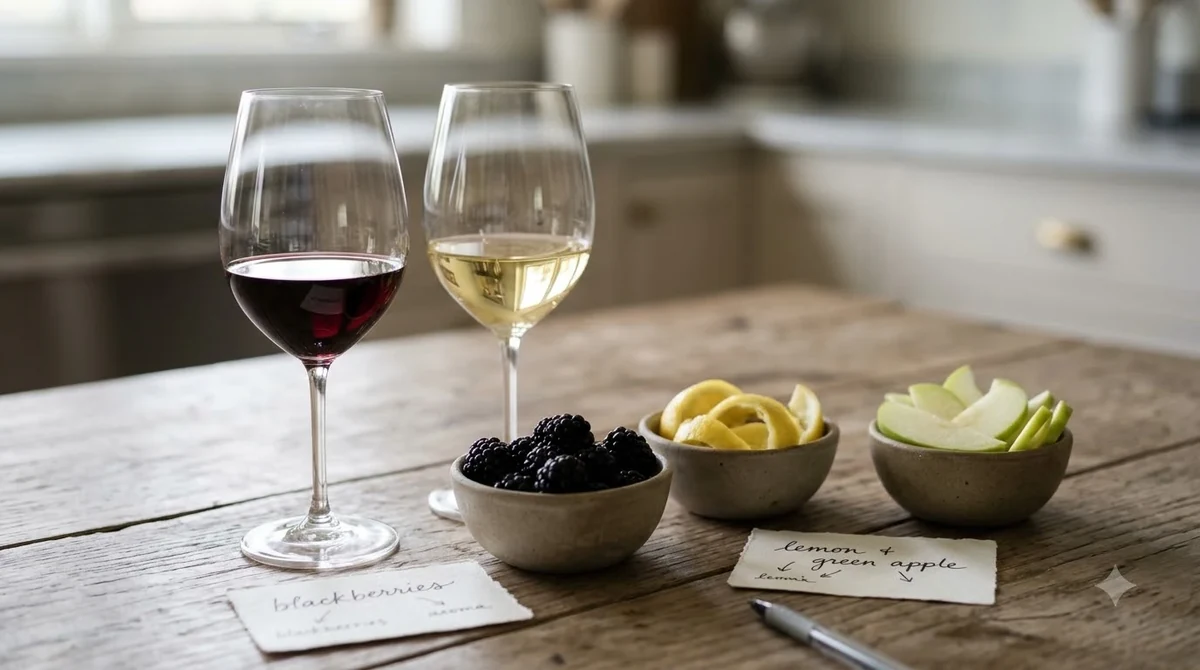
Many artisanal and low-intervention producers choose to leave their red wines unfined and unfiltered. Instead of adding a binding agent, the winemaker gives the wine extended time in oak barrels or stainless steel tanks so suspended solids naturally drift to the bottom through gravity and cold winter temperatures. As Wine Folly notes, wines bottled without fining or filtration are inherently vegan, though they may throw harmless sediment in the bottle over time and appear slightly less brilliant in the glass.
Other wineries achieve crystal-clear results using mechanical filtration rather than chemical or protein fining. By passing the wine through sterile ceramic pads or cross-flow membrane filters, producers physically trap yeast cells and haze-causing particles without introducing any animal derivatives. Many large-scale commercial wineries rely on cross-flow filtration because it is efficient, consistent, and avoids allergen declarations in international export markets.
A subtle distinction arises between cellar practices and vineyard farming. Organic certification prohibits synthetic pesticides and fertilizers, yet organic wineries are still permitted to fine their wines with egg whites or gelatin, meaning an organic label does not guarantee a vegan bottle. Similarly, biodynamic viticulture often relies on preparations buried inside cow horns or compost enriched with animal manure, which strict vegans may prefer to avoid even if the wine itself is unfined.
Does Vegan Red Wine Taste Different?
Vegan red wine does not have a distinct flavor profile or inferior texture compared to traditionally fined red wine. Because fining agents are removed before bottling and serve only to clarify the liquid or soften rough edges, a wine’s taste comes from the grape variety, climate, fermentation, and aging vessel rather than its vegan status.
Whether you are pouring a light-bodied red or a rich, cellar-worthy blend, the sensory experience depends on fruit ripeness, acidity, oak influence, and winemaking skill. For example, if you enjoy comparing different styles across Wine by Type, a vegan Pinot Noir will still showcase bright red cherry, earth, and subtle spice, while a vegan Syrah will deliver dark blackberry and cracked pepper. Plant-based pea protein and gentle cross-flow filtration preserve delicate aromatics just as effectively as traditional egg white fining.
The only visual difference you might occasionally notice occurs with unfined and unfiltered red wines. Because tiny microscopic particles remain suspended in the bottle, an unfined red may look slightly deeper or faintly cloudy compared to a heavily polished commercial wine, and it will often leave a dark crust of sediment at the bottom as it ages. Decanting the bottle off its sediment before dinner keeps every pour clean and smooth.
Tip: When serving an unfined vegan red wine, stand the bottle upright for at least 24 hours before opening so natural sediment settles cleanly to the bottom, then pour slowly into a decanter.
How to Identify Vegan Red Wine When Shopping
Finding a vegan red wine is straightforward once you know where to look on the label and which digital tools check producer records for you. While US front labels rarely advertise vegan winemaking, back-label clues, allergen warnings, and online databases take the guesswork out of shopping.
- Look for certified vegan logos: Many wineries now print official symbols from organizations like The Vegan Society or Certified Vegan on the back label, or include a clear “Suitable for Vegans” statement.
- Check for “unfined and unfiltered” wording: Winemakers proud of minimal-intervention cellar work frequently highlight these terms on the label, indicating that no animal fining agents were added.
- Scan for allergen disclosures: Wines imported from regions with strict allergen labeling rules—or domestic bottles exported globally—sometimes state “Contains: Egg” or “Contains: Milk” on the back label, which immediately rules them out.
- Search a dedicated vegan wine database: Crowd-sourced and producer-verified directories like Barnivore track tens of thousands of wines, beers, and spirits, letting you look up a specific winery and vintage in seconds while standing in the store aisle.
- Check the winery’s tech sheets online: Most producers publish detailed technical sheets on their websites for each vintage, listing exact fermentation methods, oak aging, and fining agents used in the cellar.
Keep in mind that winemaking choices can vary from one vintage to the next, especially if a particular harvest produced unusually high tannins that prompted the cellarmaster to adjust their clarification routine. Checking the specific vintage on the producer’s website ensures complete accuracy before you buy a case or plan a dinner party around pinot noir sangria or a celebratory toast.
Frequently Asked Questions
Are organic red wines always vegan?
No, organic red wines are not automatically vegan. Organic certification governs how the grapes are grown in the vineyard without synthetic pesticides or fertilizers, but organic winemaking rules still allow producers to clarify wine in the cellar using animal-derived agents like egg whites or gelatin. Always look for a separate vegan label or confirm the fining process with the winery.
Is wine yeast considered vegan?
Yes, wine yeast is completely vegan. Yeast is a single-celled fungus rather than an animal, and both wild ambient yeasts on grape skins and cultured commercial wine yeasts are compatible with a plant-based diet. Fermentation itself produces no animal byproducts.
Do vegan red wines contain sulfites?
Yes, almost all vegan red wines contain sulfites. Sulfites are naturally occurring compounds created during fermentation, and most winemakers also add a small amount to prevent oxidation and bacterial spoilage. Because sulfites are mineral-based preservatives rather than animal derivatives, they are entirely vegan-friendly.
Are sweet red wines like Recioto vegan?
Sweet red wines can be vegan, though you still need to verify how each producer clarifies the wine. Traditional dried-grape wines like recioto wine rely on concentrated, sugar-rich grapes rather than animal additives for sweetness, but a winery might still use egg whites or gelatin to polish the finished wine. Checking the producer’s technical sheet or vegan certification confirms whether a specific bottle fits a plant-based diet.
Whether you are browsing for an everyday weeknight pour, tracking macros like pinot noir carbs, or hosting a plant-based dinner party, knowing how fining works puts you in complete control of what goes into your glass. Look for vegan seals, unfined bottles, or producer tech sheets, and you will find plenty of expressive red wines made entirely without animal products.
More in Wine Types & Grapes
 Zinfandel Sugar Content: Dry Red vs. White Zinfandel GramsUpdated Nov 21, 2026
 Best Zinfandel Substitute Options for Sipping and CookingUpdated Nov 21, 2026
 Zweigelt Food Pairing: Best Dishes, Cheeses, and Serving TipsUpdated Nov 21, 2026
 Zinfandel Tannins Explained: How Structure Shapes Every BottleUpdated Nov 21, 2026
 Zinfandel Sweetness Level: Dry Red vs. Sweet White Zin ExplainedUpdated Nov 21, 2026
 Xinomavro Food Pairing: Best Dishes, Styles, and Serving TipsUpdated Nov 21, 2026