

We may earn a commission when you buy through links on this page, at no extra cost to you. Learn more.
Whether the answer to is pinot noir vegan is yes or no depends entirely on the fining agents a winemaker uses before bottling. While the grapes, yeast, and oak barrels are plant-based, traditional wineries frequently clarify red wines using animal proteins such as egg whites, gelatin, or milk casein. Because these processing aids settle out and do not remain as ingredients in the finished bottle, winemakers are not required to list them on standard US labels.
Because Pinot Noir starts as simple crushed red grapes, it appears completely plant-based at first glance. However, what happens in the cellar between fermentation and bottling determines whether a specific bottle aligns with a vegan lifestyle.
Why Some Pinot Noir Is Not Vegan
Pinot Noir becomes non-vegan when winemakers rely on animal-derived fining agents to clarify the wine and soften bitter phenolic compounds. Although these substances are removed before bottling, their use during production disqualifies the wine under strict vegan standards.
During fermentation and barrel aging, young red wine naturally collects microscopic suspended particles, including yeast cells, grape proteins, and harsh tannins. If left untouched, these compounds can leave the finished wine looking slightly hazy or tasting overly astringent on the palate. To create a crystal-clear appearance and a silkier texture, many cellars perform a clarification step known as fining.
Fining works through electrical charges. Winemakers stir a clarifying agent into the tank or barrel, where its molecules bind like magnets to the oppositely charged haze particles. Once clumped together, the combined sediment grows heavy enough to sink to the bottom of the vessel, allowing the winemaker to rack clear wine off the top.
According to educators at Wine Folly, red wines like Pinot Noir most commonly rely on egg whites or casein (a protein derived from milk) to strip out bitter phenolics. Other traditional cellars use gelatin made from animal collagen or isinglass derived from fish swim bladders. Even though the fining agent stays behind with the settled lees and does not end up in your glass, any bottle processed with animal byproducts is not considered vegan.
Common Fining Agents Used in Winemaking
Winemakers choose between animal-based proteins, natural clays, and plant-derived alternatives depending on the texture and clarity they want to achieve. Knowing how each agent functions helps explain why two bottles of Pinot Noir from the same region can have completely different vegan statuses.
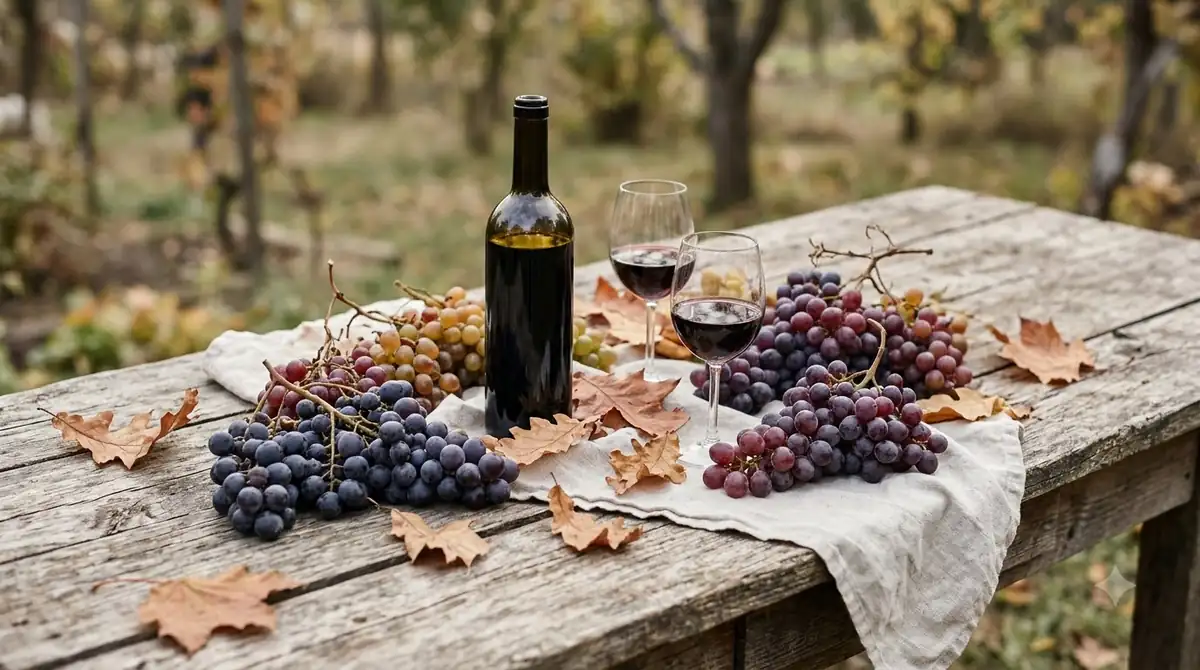
Traditional animal fining agents have remained popular for centuries because they work reliably and gently on delicate red wines. Egg whites, known technically as albumen, are especially favored for Pinot Noir because they bind to harsh, bitter tannins without stripping away the grape’s signature red-berry aromatics or pale ruby color.
Modern winemakers who want to produce vegan-friendly bottles have access to effective mineral and plant-based substitutes. Bentonite, a naturally occurring absorbent clay, pulls positively charged proteins out of suspension without introducing any animal products. Other producers use activated charcoal, silica gel, or plant proteins sourced from peas and potatoes to achieve comparable clarity and mouthfeel.
| Fining Agent | Origin | Primary Purpose in Pinot Noir | Vegan Status |
|---|---|---|---|
| Egg Whites (Albumen) | Chicken eggs | Softens bitter tannins and astringency | Not vegan |
| Gelatin | Animal collagen | Clarifies haze and reduces harshness | Not vegan |
| Casein | Milk protein | Removes unwanted phenolic bitterness | Not vegan |
| Isinglass | Fish swim bladders | Clarifies suspended particles | Not vegan |
| Bentonite | Natural mineral clay | Binds unstable proteins for clarity | Vegan |
| Pea or Potato Protein | Plant legumes and tubers | Softens tannins as a gelatin alternative | Vegan |
| Unfined / Unfiltered | No agents added | Preserves raw texture via natural settling | Vegan |
As specialists at Wine.com note, many prestige producers skip fining altogether and let gravity settle the sediment slowly over time. Bottles labeled as unfined and unfiltered bypass animal processing aids completely, though they may throw harmless sediment as they age in your cellar.
How to Tell If a Bottle of Pinot Noir Is Vegan
Finding a vegan Pinot Noir requires looking beyond the front label, because US wine regulations do not require producers to disclose processing aids. A few reliable visual cues and quick verification habits can confirm whether a bottle fits your standards before you buy.
The fastest way to confirm a wine’s status is to scan the back label for an official third-party certification mark. Logos from organizations such as The Vegan Society, V-Label, and BeVeg verify that an independent auditor reviewed every ingredient and processing aid used from harvest to bottling. Some wineries also print simple text statements like “Vegan Friendly” or “Made with Vegan Fining Agents” near the barcode.
When a bottle carries no vegan certification, look closely at winemaking notes on the back label. Phrases such as “unfined and unfiltered” indicate that the winemaker avoided fining agents entirely, which removes the primary source of animal products in red wine. Keep in mind that words like “organic,” “sustainable,” or “biodynamic” describe vineyard farming practices rather than cellar clarification, meaning an organic Pinot Noir can still be fined with egg whites.
If the label leaves any doubt, you can check the wine on crowd-sourced databases like Barnivore, which catalogs direct responses from thousands of wineries worldwide. You can also send a quick email to the winery’s tasting room or ask a knowledgeable wine shop merchant to check the producer’s technical sheet.
Tip: Don’t assume an organic or biodynamic Pinot Noir is automatically vegan—both farming certifications permit the use of traditional animal fining agents like egg whites and gelatin in the cellar.
Pinot Noir Winemaking Styles and Vegan Compatibility
Different production philosophies directly influence whether a Pinot Noir producer relies on animal fining or leaves the wine untouched. Exploring broader wine styles reveals how cellar traditions shape both the texture in your glass and the ingredients used behind the scenes.
In classic Old World regions like Burgundy, traditional estates have long relied on gentle egg-white fining to polish the structure of single-vineyard Pinot Noir. Many heritage domaines still follow this method, though a growing number of younger Burgundian winemakers now avoid fining to preserve the purest expression of their limestone soils. Because practices vary from cellar to cellar within the same village, checking producer notes remains essential.
In New World regions such as Oregon’s Willamette Valley, California’s Sonoma Coast, and New Zealand’s Central Otago, minimal-intervention winemaking has gained wide traction. Many boutique Pinot Noir producers ferment with native yeasts, age the wine in neutral French oak, and bottle without fining or sterile filtration. Because Pinot Noir is naturally light-to-medium in tannin—a trait explored in our guide on whether Pinot Noir is full-bodied—winemakers often feel less need to strip out harsh astringency with heavy animal proteins.
Natural wine producers take this hands-off approach even further by relying exclusively on cold stabilization, racking, and time to clear the wine. While natural Pinot Noir can appear slightly cloudy in the glass, that gentle haze signals that no clarifying agents were introduced during production.
Ingredients, Additives, and Dietary Considerations
Beyond fining agents, questions about vegan Pinot Noir often overlap with concerns about sulfites, yeast, oak barrels, and common food allergens. Understanding what actually goes into a bottle helps separate genuine animal derivatives from standard plant-based fermentation byproducts.
Every ingredient required to ferment Pinot Noir is inherently vegan. Wine grapes are fruit, cultivated wine yeasts are single-celled fungi, and oak barrels are crafted from toasted wood. Even the sulfur dioxide (sulfites) added to keep wine fresh and prevent oxidation is a purely mineral compound with no animal origin.
Other common dietary questions follow similar rules around cellar additives and trace residues. For example, drinkers watching for wheat or barley proteins often ask if Pinot Noir is gluten-free, since both issues stem from whether winemaking tools or barrel pastes leave trace compounds behind. Similarly, beeswax capsules occasionally used to seal high-end bottles represent one of the few non-vegan packaging details worth checking if you follow a strict plant-based lifestyle.
Once you bring a certified vegan bottle home, storing it properly ensures those delicate red-fruit flavors stay intact until you are ready to pour. Checking how long Pinot Noir lasts unopened will help you keep your bottles in prime condition on the wine rack.
Frequently Asked Questions
Is there actually egg or fish in a glass of Pinot Noir?
No, you will not find pieces of egg white or fish bladder floating in your wine glass. Fining agents act like temporary magnets that bind to hazy particles and sink to the bottom of the tank, allowing the clear wine to be separated before bottling. However, because animal products were used as processing aids, the finished wine is not considered vegan.
Are all natural and unfined Pinot Noirs vegan?
The vast majority of unfined Pinot Noirs are vegan because skipping the fining step eliminates egg whites, gelatin, casein, and isinglass from the cellar. Still, “natural wine” has no strict legal definition, and a few producers might still use beeswax bottle seals or other animal-derived cellar aids. Checking for a vegan certification or confirming with the winery gives complete certainty.
Why do wine labels not list animal fining agents?
In the United States, winemakers are not required to print ingredient lists or processing aids on bottle labels. Because fining agents are removed prior to bottling rather than added as final ingredients, they remain exempt from standard disclosure rules. In the European Union, labels only have to declare milk or egg allergens if detectable trace residues remain in the finished wine.
Does vegan Pinot Noir taste different from traditionally fined Pinot Noir?
No, vegan Pinot Noir tastes just as vibrant, silky, and aromatic as bottles fined with animal proteins. Winemakers who use bentonite clay, plant proteins, or natural gravity settling achieve the same bright cherry notes and smooth texture without relying on animal byproducts.
While Pinot Noir starts with pure grapes and yeast, cellar clarification choices determine whether a specific bottle is vegan. By looking for third-party vegan seals, choosing unfined bottles, or checking producer notes before you buy, you can pour every glass of Pinot Noir with complete confidence.
More in Wine Types & Grapes
 Zinfandel Sugar Content: Dry Red vs. White Zinfandel GramsUpdated Nov 21, 2026
 Best Zinfandel Substitute Options for Sipping and CookingUpdated Nov 21, 2026
 Zweigelt Food Pairing: Best Dishes, Cheeses, and Serving TipsUpdated Nov 21, 2026
 Zinfandel Tannins Explained: How Structure Shapes Every BottleUpdated Nov 21, 2026
 Zinfandel Sweetness Level: Dry Red vs. Sweet White Zin ExplainedUpdated Nov 21, 2026
 Xinomavro Food Pairing: Best Dishes, Styles, and Serving TipsUpdated Nov 21, 2026