

We may earn a commission when you buy through links on this page, at no extra cost to you. Learn more.
If you are wondering is port gluten free, the answer is yes—authentic Port wine is naturally free of gluten because it is made solely from fermented grapes and distilled grape spirit. Under European Union Protected Designation of Origin rules, authentic Port from Portugal’s Douro Valley cannot contain cereal grains, malt, or wheat-based additives. Even the fortifying brandy used to halt fermentation is distilled from wine grapes rather than barley or rye, keeping every traditional style safe from gluten proteins.
For wine drinkers avoiding gluten, fortified wines often raise valid questions because of their higher alcohol levels and added spirits. Unlike flavored wine coolers or grain-based liqueurs, genuine Port relies on centuries-old winemaking laws that restrict ingredients strictly to grape juice and grape-derived aguardente. Understanding how Port is produced, aged, and bottled makes it straightforward to pour a glass with confidence.
What Makes Port Wine Naturally Gluten Free
Authentic Port wine contains zero gluten because both its base wine and its fortifying spirit come exclusively from grapes. Winemakers never introduce wheat, barley, or rye at any stage of fermentation, fortification, or aging.
Port begins with native red and white grape varieties grown in the mountainous Douro Valley of northern Portugal. According to the Instituto dos Vinhos do Douro e Porto, traditional grape cultivars such as Touriga Nacional, Touriga Franca, Tinta Roriz, Tinta Barroca, and Tinto Cão form the backbone of red styles. Because grapes are fruit, they naturally lack the gliadin and glutenin proteins found in cereal grains.
What sets Port apart from standard table wine is fortification, a step that occurs partway through fermentation. Before the yeast converts all the natural grape sugars into alcohol, the winemaker adds a neutral grape spirit called aguardente vínica, typically around 77 percent alcohol by volume. Adding this spirit stops yeast activity, preserves natural sweetness, and raises the final alcohol level of the finished bottle to roughly 19 to 22 percent.
Many people assume that fortifying spirits resemble whiskey or vodka made from fermented wheat or barley. Under strict Portuguese and European Union regulations, however, the spirit used in Port must be distilled from wine grapes. This rule prevents grain-derived alcohol from ever entering an authentic bottle of Douro Port.
Port Styles and Gluten Safety Breakdown
Every recognized category of authentic Port—from vibrant Ruby and nutty Tawny to crisp White and Rosé—follows the exact same grape-only production rules. Differences in color, sweetness, and age do not introduce gluten into the bottle.
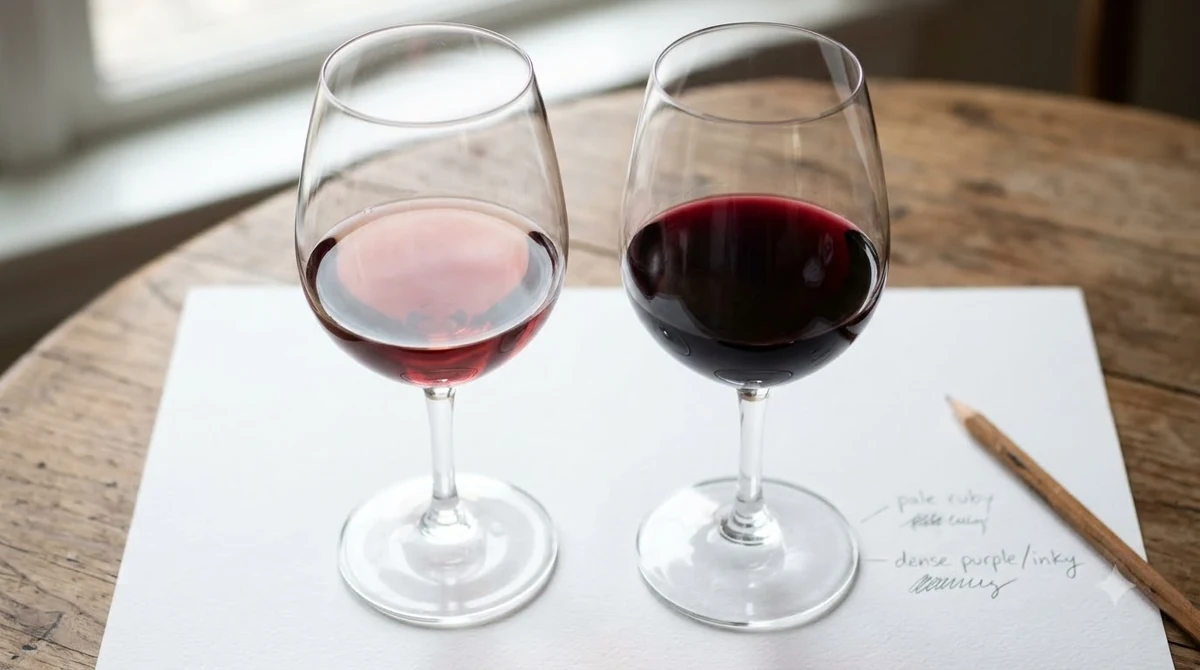
Ruby Ports, including Reserve Ruby, Late Bottled Vintage, and Vintage Port, age primarily in large vats or glass bottles to preserve bright berry fruit and deep color. Tawny Ports spend years maturing in smaller seasoned oak casks, developing caramel, walnut, and dried fig notes through gradual oxidation. Neither oxidative barrel aging nor extended bottle maturation involves any grain-based ingredients.
If you are exploring what is white port, you can expect the same gluten-free assurance. Producers craft White Port from indigenous white grapes such as Malvasia Fina, Gouveio, and Viosinho, fortifying the juice with grape spirit just as they do for red styles. Rosé Port also uses red grapes with brief skin contact and pure grape spirit, keeping the entire spectrum of traditional Port styles aligned with gluten-free standards.
| Port Style | Primary Ingredients | Aging Vessel | Typical ABV | Gluten Status |
|---|---|---|---|---|
| Ruby and Reserve Ruby | Red Douro grapes, grape aguardente | Large oak vats or stainless steel | 19% to 20% | Naturally gluten free |
| Late Bottled Vintage (LBV) | Single-year red grapes, grape aguardente | Large oak vats for 4 to 6 years | 19.5% to 20.5% | Naturally gluten free |
| Vintage Port | Top single-year red grapes, grape aguardente | 2 years in wood, then in glass bottle | 20% | Naturally gluten free |
| Aged Tawny (10, 20, 30, 40 Year) | Red Douro grapes, grape aguardente | Small seasoned oak casks | 19% to 20% | Naturally gluten free |
| White and Rosé Port | White or red Douro grapes, grape aguardente | Stainless steel or neutral oak | 19% to 20% | Naturally gluten free |
Potential Cross-Contact Risks in Winemaking
While the grapes and fortifying spirit in Port are inherently free of gluten, rare theoretical questions occasionally arise around barrel paste and fining agents. In practice, traditional Port production and modern winemaking standards keep actual gluten traces well below federal thresholds.

Historically, some coopers sealed wooden wine barrels with a flour-and-water paste around the barrel heads, though modern cooperages overwhelmingly use paraffin wax or mechanical compression instead. Even when flour paste was used in older European barrel making, testing noted by Beyond Celiac confirms that wine aged in those barrels consistently measures far below the 20 parts per million threshold required for gluten-free labeling in the United States.
Fining agents represent another common question for sensitive wine drinkers. Winemakers clarify wine before bottling by adding substances that bind to suspended tannins or proteins and settle to the bottom of the tank. Traditional fining agents used in Port include bentonite clay, egg whites, and gelatin, none of which contain gluten.
In rare commercial table wine production elsewhere in the world, hydrolyzed wheat protein has occasionally been approved as a fining aid, though it precipitates out during filtration. Port houses in the Douro rely on classic mineral and animal-based fining agents or natural settling in cold cellars, making wheat fining virtually nonexistent in authentic Portuguese Port.
Tip: Look for the official paper seal issued by the Instituto dos Vinhos do Douro e Porto (IVDP) across the neck of the bottle, which guarantees authentic grape-only Douro production.
Port-Style Wines and Flavored Bottlings to Watch
Not every sweet fortified wine labeled with the word port comes from Portugal, and some imitation or flavored products carry different ingredient rules. Checking the origin and label details protects you from unexpected additives.
In the United States and other countries, producers sometimes label domestic fortified wines as American Port, Tawny, or Ruby dessert wine. Traditional domestic producers still ferment grape wine and fortify it with grape brandy, which keeps those bottles free of gluten. However, budget dessert wines outside European Protected Designation of Origin laws have more leeway with flavoring syrups and caramel coloring.
Flavored wine specialties, chocolate-infused dessert wines, and pre-mixed cocktails sold near the Port aisle require careful label inspection. A chocolate or spiced wine beverage may use malt-derived flavorings, cream bases, or thickeners that do not appear in true Douro Port. If a bottle lists natural flavors, added spices, or does not clearly state that it is a product of Portugal, treat it differently from authentic Port.
To browse broader categories of fermented grape beverages and see how fortified bottles compare to standard table wines, explore our overview of Wine by Type. Sticking to single-ingredient fermented grape wines remains the simplest way to avoid hidden grain additives.
How to Serve, Store, and Pair Port Safely
Serving and pairing Port safely at home comes down to choosing gluten-free accompaniments and keeping opened bottles properly sealed. Because Port has higher alcohol and sugar than dry table wine, it holds up well after opening when stored correctly.
Serve Ruby, LBV, and Vintage Ports slightly below room temperature, around 60 to 65 degrees Fahrenheit, in a tulip-shaped dessert wine glass so the dark fruit aromas concentrate without harsh alcohol heat. Aged Tawny and White Ports taste best lightly chilled between 45 and 55 degrees Fahrenheit, which highlights their toasted nut, orange peel, and honeyed notes.
Once you pull the cork, oxidation affects different styles at very different speeds. Vintage Port should be decanted off its sediment and finished within two to three days, whereas an aged Tawny has already spent decades exposed to oxygen in oak casks and stays fresh for several weeks. For exact storage timelines by bottle style, see our guide on how long does tawny port last after opening.
When planning a tasting board, remember that gluten is far more likely to enter through snacks than through the glass. Classic pairings like Stilton, aged Cheddar, roasted walnuts, dried apricots, and dark chocolate are naturally gluten free, provided you swap standard wheat crackers for gluten-free seed crisps or sliced pears. You can find more pairing combinations in our guide to port with cheese.
Frequently Asked Questions
Is Ruby Port gluten free?
Yes, authentic Ruby Port is completely gluten free. It is produced solely from red Douro Valley grapes and fortified with grape-derived spirit, with no wheat, barley, or rye ingredients used during fermentation or vat aging.
Is Tawny Port gluten free?
Yes, Tawny Port is naturally gluten free across all age designations, including 10, 20, 30, and 40 Year Old styles. Its nutty flavor and amber color come from extended aging in seasoned oak casks rather than caramel malt or grain additives.
Does the brandy used to fortify Port contain gluten?
No, the fortifying spirit used in authentic Port is aguardente vínica, which is distilled exclusively from wine grapes. Portuguese and European Union regulations prohibit grain-based spirits from being used in Port production.
Why do Port bottles rarely carry a certified gluten-free label?
Wine regulated by the Alcohol and Tobacco Tax and Trade Bureau in the United States is rarely labeled gluten free because grapes are inherently free of gluten, and producers avoid making what regulators consider redundant ingredient claims. Authentic Douro Port remains naturally compliant with the federal standard of less than 20 parts per million.
Authentic Port wine from Portugal’s Douro Valley relies strictly on fermented grapes and grape spirit, making every classic style naturally free of gluten. By checking for the official Portuguese neck seal and pairing your pour with gluten-free cheeses, nuts, or fruit, you can enjoy a glass without second-guessing what is inside the bottle.
More in Wine Types & Grapes
 Zinfandel Sugar Content: Dry Red vs. White Zinfandel GramsUpdated Nov 21, 2026
 Best Zinfandel Substitute Options for Sipping and CookingUpdated Nov 21, 2026
 Zweigelt Food Pairing: Best Dishes, Cheeses, and Serving TipsUpdated Nov 21, 2026
 Zinfandel Tannins Explained: How Structure Shapes Every BottleUpdated Nov 21, 2026
 Zinfandel Sweetness Level: Dry Red vs. Sweet White Zin ExplainedUpdated Nov 21, 2026
 Xinomavro Food Pairing: Best Dishes, Styles, and Serving TipsUpdated Nov 21, 2026