

We may earn a commission when you buy through links on this page, at no extra cost to you. Learn more.
How long does cooking wine last after opening depends entirely on whether you are using commercial salted cooking wine or a standard bottle of drinking wine for recipes, with grocery-store cooking wine lasting three to four months in the pantry (or several months refrigerated) and regular table wine lasting three to five days in the refrigerator for peak flavor. Fortified wines commonly used in the kitchen, such as dry Marsala, Sherry, and dry vermouth, fall in the middle and stay usable for several weeks to a few months once chilled. Because oxygen immediately starts breaking down alcohol and fruit compounds the moment a seal is cracked, proper temperature control and tight closures are the biggest factors in preventing spoilage.
Standing in front of an open cabinet or refrigerator door and wondering if that half-empty bottle behind the olive oil is still safe for tonight’s pan sauce is a universal kitchen dilemma. Understanding the difference between shelf-stable culinary bottles and standard table wines—along with how oxidation changes their chemistry—makes it easy to know what stays on the shelf, what moves to the fridge, and what belongs down the drain.
Shelf Life by Type of Cooking Wine
Not every bottle used at the stove follows the same clock once the cap or cork comes off. Added salt, sulfur preservatives, sugar levels, and alcohol by volume determine how quickly oxygen turns fresh aromatics into flat, vinegary notes.
Commercial grocery-store cooking wines, such as those produced by Holland House, are formulated specifically as culinary ingredients rather than beverages. Manufacturers add significant amounts of salt and preservatives like potassium metabisulfite or potassium sorbate to stabilize the liquid against microbial spoilage. Because of these additives, a tightly capped bottle of salted white, red, or Marsala cooking wine typically remains stable in a cool, dark pantry for three to four months after opening, and moving it to the refrigerator can stretch its usable life to several months—or right up to the printed best-by date on the neck.
Standard table wine opened for cooking operates on a much shorter timeline because it lacks heavy salt stabilization. According to Wine Folly, most opened table wines hold their best character for only three to five days before oxidation dulls their fruit and acidity. Light white wines and rosés generally stay fresh in the fridge for five to seven days, while full-bodied whites like oaked Chardonnay and most red wines peak within three to five days. Even when a table wine loses the vibrancy you want in a drinking glass, it often remains serviceable for deglazing a pan or simmering a stew for up to two weeks in the refrigerator, provided it has not turned sharply sour.
Fortified wines bring higher alcohol levels—often around 15 to 20 percent ABV—that naturally inhibit bacterial growth and slow oxidation. Dry vermouth and dry Sherry generally last one to three months in the refrigerator when sealed tightly, while dry or sweet Marsala can hold up for four to six months chilled. If you keep dessert-style fortified bottles on hand for reductions or glazes, checking guides on how long does tawny port last after opening will show a similar pattern of extended stability compared to unfortified Wine by Type selections.
| Wine Category | Opened Pantry Life | Opened Fridge Life | Primary Preservation Factor |
|---|---|---|---|
| Salted Grocery Cooking Wine | 3 to 4 months | 4 to 6 months (up to best-by date) | Added salt and chemical preservatives |
| Light White or Rosé Table Wine | 1 to 2 days | 5 to 7 days (up to 2 weeks for cooking) | Acidity and cold storage |
| Red Table Wine | 1 to 2 days | 3 to 5 days (up to 2 weeks for cooking) | Tannins, acidity, and cold storage |
| Dry Vermouth or Dry Sherry | 1 to 2 weeks | 1 to 3 months | Fortified alcohol content |
| Marsala (Drinking Quality) | 3 to 4 weeks | 4 to 6 months | Higher alcohol and oxidative aging |
| Rice Cooking Wine (Shaoxing / Mirin) | 3 to 6 months | 6 to 12 months | Salt (Shaoxing) or sugar and alcohol (Mirin) |
Why Opened Cooking Wine Deteriorates Over Time
Wine does not spoil like raw dairy or poultry, so an older bottle rarely poses a foodborne illness hazard, yet chemical reactions steadily ruin its flavor. Two distinct processes—oxidation and acetic acid conversion—are responsible for turning a bright cooking liquid into something that ruins a dish.
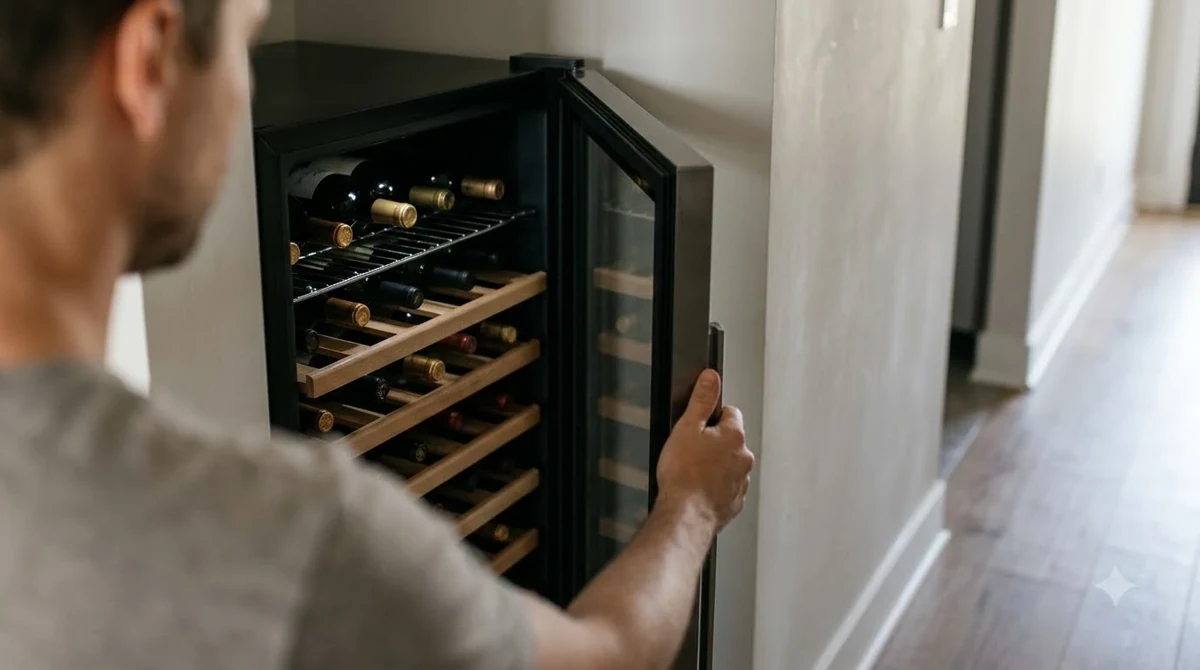
The first culprit is simple exposure to air. Every time you unscrew a cap or pull a cork, oxygen fills the empty headspace inside the bottle and dissolves into the liquid. Oxygen reacts with phenolic compounds, fruit esters, and alcohol, stripping away crisp citrus, berry, or herbal aromas and replacing them with flat, nutty, or bruised-apple flavors. As a bottle empties and the ratio of air to liquid increases, this oxidative staling accelerates noticeably.
The second mechanism involves naturally occurring Acetobacter—acetic acid bacteria—that are harmless to humans but thrive when alcohol meets oxygen at warm room temperatures. These bacteria metabolize ethanol into acetaldehyde and acetic acid, the exact compounds that give household vinegar its sharp bite. While the added salt in commercial cooking wine slows bacterial activity considerably, it does not stop oxygen from gradually flattening the base wine over several months.
How to Tell If Opened Cooking Wine Has Gone Bad
You do not need specialized equipment to evaluate an older bottle in your kitchen; your eyes and nose will catch spoilage long before the wine reaches your skillet. Checking the liquid before pouring it over expensive meats or seafood prevents an entire meal from taking on harsh, metallic, or sour off-flavors.
Start with a visual inspection under bright kitchen light. White cooking wine or dry white table wine that has oxidized heavily will darken from pale straw to deep amber, dull gold, or brownish yellow. Red wines lose their vibrant ruby or purple edge and shift toward brick orange or muddy brown. If you spot cloudy sediment floating through the liquid, a whitish film on the surface, or unexpected tiny bubbles in a still wine, microbial activity has taken over and the bottle should be discarded immediately.
Next, pour a small splash into a spoon or clean glass and smell it before tasting. Fresh cooking wine should smell vinous, clean, and slightly fruity or nutty depending on the style. If the aroma hits your nose like sharp white vinegar, nail polish remover, wet cardboard, or stewed prunes, the wine has turned past the point of culinary usefulness. A quick taste test confirms what your nose detects: if it tastes harshly sour, biting, or completely hollow and watery, pouring it into a reduction will only concentrate those unpleasant flavors as the liquid simmers down.
Tip: Write the opening date directly on the bottle label with a permanent marker so you never have to guess whether an opened bottle has been sitting in the fridge for five days or five months.
Storage Practices That Maximize Freshness
Controlling temperature, oxygen exposure, and light can easily double or triple the usable window of any opened bottle in your kitchen. Treating cooking wine with the same care you give quality olive oil or spices ensures consistent results every time you deglaze a pan.
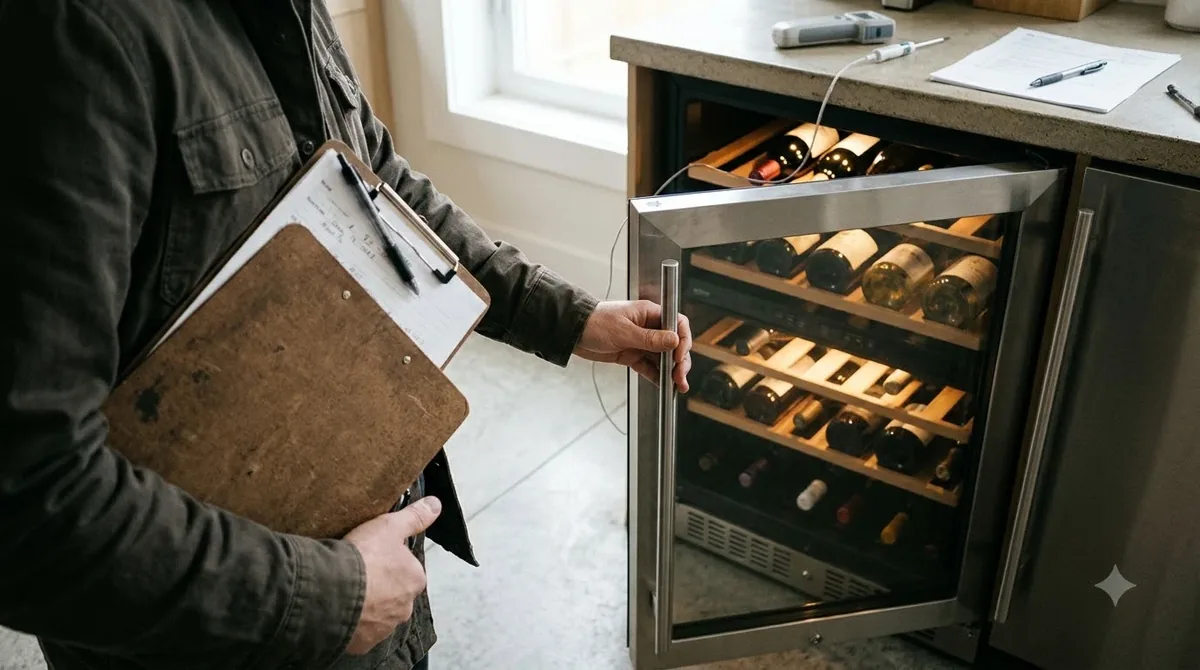
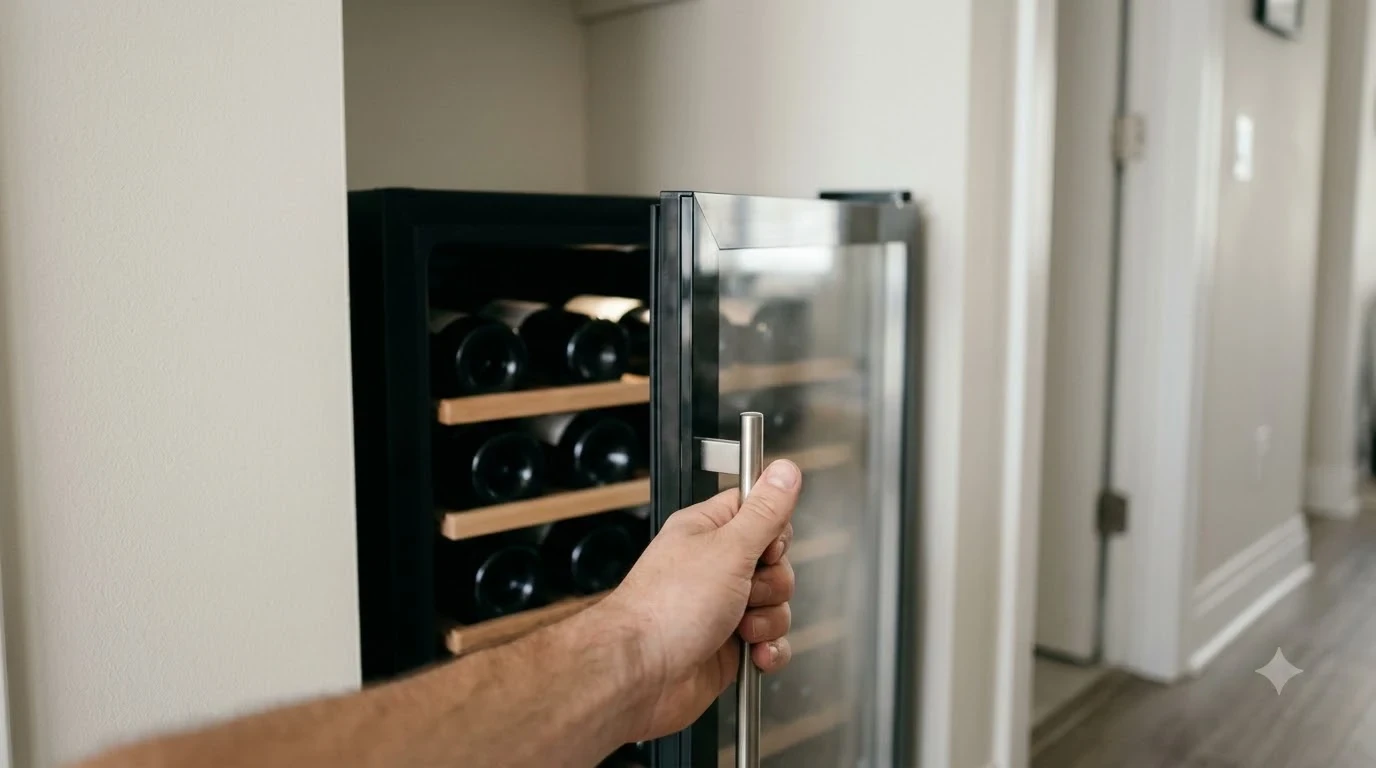
Refrigeration is your strongest ally, even for shelf-stable commercial bottles. Chemical reactions like oxidation and bacterial conversion slow down dramatically at standard refrigerator temperatures around 37 to 40 degrees Fahrenheit. While salted cooking wine does not strictly require chilling for food safety, moving it to the fridge after opening preserves its bright acidity and prevents it from tasting stale three months later. Keep the bottle standing upright rather than on its side so the smallest possible surface area of liquid touches the trapped air inside.
Reducing headspace and blocking light also make a measurable difference. Whenever you finish pouring, wipe the rim clean and twist the screw cap or press the stopper down firmly so air cannot circulate freely. Never store opened bottles on a counter next to the stove or beside a sunny window, where heat spikes and ultraviolet rays break down delicate flavor compounds in days. If you routinely use only a splash of regular drinking wine for recipes, decanting the remainder of a 750-milliliter bottle into a smaller clean glass jar or half-bottle removes excess oxygen and keeps the wine fresh much longer.
Real-Life Kitchen Scenarios and Smart Workarounds
Different cooking habits call for different buying and storage strategies, especially if you only reach for wine once or twice a month. Matching the container format to how often you cook eliminates waste and keeps your pantry clutter-free.
If you rarely drink wine at dinner and only need half a cup for occasional weeknight pan sauces, buying full-sized bottles of table wine almost guarantees wasted leftovers. In that situation, purchasing four-packs of 187-milliliter mini bottles gives you single-recipe portions that stay factory-sealed until the exact minute you heat the skillet. Bag-in-box wines are another practical option for frequent home cooks because the collapsible inner pouch prevents air from contacting the remaining wine as you dispense it, keeping the contents fresh for four to six weeks in the refrigerator.
Freezing leftover drinking wine is another reliable way to preserve flavor without filling your fridge door with half-empty bottles. Pour remaining dry white or red wine into standard silicone ice cube trays, freeze them solid, and transfer the cubes into a labeled freezer bag for up to three months. Because alcohol lowers the freezing point, wine cubes stay slightly soft and can be dropped straight into a hot pan to deglaze browned bits without thawing first. When a recipe calls for aromatic herbal or botanical notes rather than plain table wine, keeping a chilled bottle of dry vermouth or checking what does lillet taste like—or even exploring niche floral bottles like what does dandelion wine taste like—gives you versatile options that hold up well in the fridge.
Frequently Asked Questions
Does opened cooking wine need to be refrigerated?
Salted commercial cooking wine is shelf-stable and safe to store in a cool, dark pantry for three to four months after opening, though refrigerating it preserves its flavor even longer. Regular table wine, Marsala, Sherry, and vermouth used for cooking do not contain added salt preservatives and must be refrigerated immediately after opening to prevent rapid oxidation.
Can old opened cooking wine make you sick?
In almost all cases, expired or oxidized cooking wine will not make you sick because its alcohol, acidity, and added salt prevent harmful pathogens from growing. Over time, harmless bacteria convert the alcohol into acetic acid, turning the wine into weak vinegar that tastes sour and ruins the flavor of your food rather than causing foodborne illness.
Can you cook with regular wine that has been open for two weeks?
If a bottle of regular table wine was tightly recorked and kept in the refrigerator, it is generally still usable for cooking for up to two weeks even after it tastes too flat for drinking. Always smell and taste a small drop first; if it smells sharply like vinegar or nail polish remover, discard it because reducing the wine on the stove will concentrate those harsh flavors.
Why does grocery-store cooking wine last so much longer than regular wine?
Manufacturers add substantial amounts of salt and chemical preservatives such as potassium metabisulfite to commercial cooking wine during bottling. These additives inhibit bacterial growth and slow oxidation, allowing an opened bottle to remain stable at room temperature for months instead of spoiling within a few days like standard beverage wine.
Knowing how long your bottle lasts comes down to checking the label for added salt, sealing the cap tightly after every pour, and letting your refrigerator do the heavy lifting. When in doubt, trust your senses over the printed date on the neck—if the wine still smells clean and bright, it is ready for the pan.
More in Wine Types & Grapes
 Zinfandel Sugar Content: Dry Red vs. White Zinfandel GramsUpdated Nov 21, 2026
 Best Zinfandel Substitute Options for Sipping and CookingUpdated Nov 21, 2026
 Zweigelt Food Pairing: Best Dishes, Cheeses, and Serving TipsUpdated Nov 21, 2026
 Zinfandel Tannins Explained: How Structure Shapes Every BottleUpdated Nov 21, 2026
 Zinfandel Sweetness Level: Dry Red vs. Sweet White Zin ExplainedUpdated Nov 21, 2026
 Xinomavro Food Pairing: Best Dishes, Styles, and Serving TipsUpdated Nov 21, 2026