

We may earn a commission when you buy through links on this page, at no extra cost to you. Learn more.
A texas wine festival brings together regional winemakers, Mediterranean-style varietals, and local culinary traditions across major events like GrapeFest in Grapevine and the Fredericksburg Food & Wine Fest. Held mostly in spring and autumn to avoid extreme summer heat, these gatherings highlight Texas-grown Tempranillo, Viognier, Mourvèdre, and Sangiovese alongside regional barbecue and artisan foods. Whether centered on main-street walks or grand vineyard tastings, each festival offers direct access to producers from the Texas Hill Country and Texas High Plains.
Texas ranks as the fifth-largest wine-producing state in the nation, and its annual calendar reflects a diverse agricultural identity. Across historic town squares, coastal resorts, and hilltop estates, travelers can sample hundreds of bottlings without driving hundreds of miles between remote vineyards.
Overview of the Texas Wine Festival Scene
Unlike single-valley celebrations in coastal states, a texas wine festival often bridges vast geographic distances by uniting growers from West Texas with tasting rooms in Central and North Texas. Because Texas spans eight distinct American Viticultural Areas, festivals serve as central hubs where enthusiasts can compare fruit grown in high-elevation plains against wines vinified near Austin or Dallas.

According to regional wine directories, dozens of sanctioned wine walks, harvest celebrations, and food-and-wine weekends take place across the Lone Star State every year. The most prominent events cluster between March and May and again from September through November, aligning with budbreak and post-harvest releases while dodging peak summer temperatures.
Atmosphere varies widely depending on the host community. In historic railroad towns like Grapevine, Main Street closes to traffic for four days of street-fair energy, live music stages, and amateur grape-stomping contests. Meanwhile, smaller gatherings in Fredericksburg, Johnson City, and Lubbock lean toward intimate winemaker dinners, seated comparative seminars, and cellar tastings.
Major Annual Festivals Across the State
Every major wine-producing and metropolitan pocket in Texas hosts at least one flagship tasting event during the calendar year. From the largest wine celebration in the Southwest to boutique Hill Country harvest parties, the schedule offers distinct formats for casual sippers and dedicated collectors alike.
| Festival Name | Host City | Typical Timing | Signature Format |
|---|---|---|---|
| GrapeFest | Grapevine | Mid-September | Four-day Main Street street festival with People’s Choice tastings and GrapeStomp |
| Fredericksburg Food & Wine Fest | Fredericksburg | Late October | Hill Country showcase pairing local estate wines with regional culinary demos |
| Texas Wine Jam | Johnson City | Mid-October | Outdoor music and wine gathering spotlighting 100% Texas-grown fruit |
| Lubbock Uncorked Wine Festival | Lubbock | Late March | High Plains producer showcase highlighting estate vineyards and growers |
| Galveston Island Wine Festival | Galveston | Early September | Coastal resort tastings held at Moody Gardens over Labor Day weekend |
Flagship events such as GrapeFest in Grapevine draw massive crowds just minutes from Dallas Fort Worth International Airport. Its centerpiece is the People’s Choice Wine Tasting Classic, where attendees receive paper ballots to score non-blind pours across multiple categories, awarding Gold, Silver, and Bronze medals to wines made from at least 75 percent Texas-grown grapes.
Further south, autumn brings visitors to Fredericksburg and Johnson City in the heart of Gillespie and Blanco counties. If you enjoy pairing coastal destinations with regional pours like a florida wine festival, late-summer events on Galveston Island provide a breezy alternative before the autumn Hill Country rush begins.
Regional Terroir and Key Grapes to Taste
Warm daytime temperatures, limestone-rich soils, and brisk diurnal shifts mean that Mediterranean grape varieties dominate festival pouring tables across Texas. Rather than relying heavily on cool-climate Pinot Noir, Texas vintners excel with heat-tolerant Iberian, Italian, and Rhône cultivars that retain natural acidity despite intense sunshine.
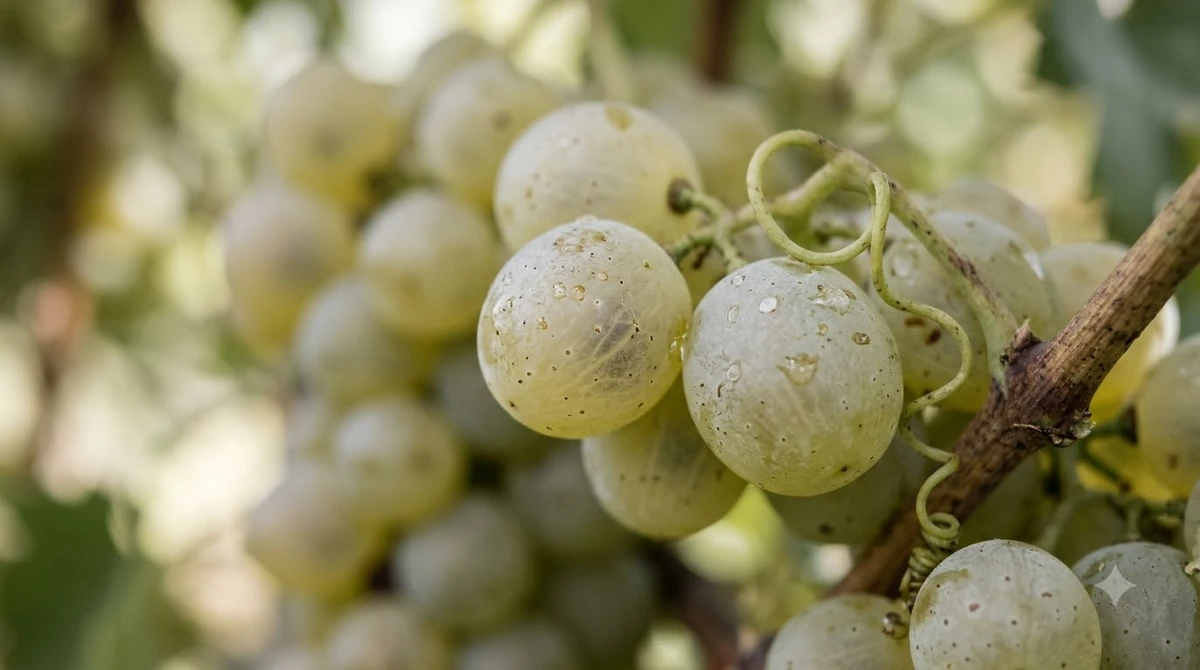
As detailed in the Wine Folly Texas Hill Country guide, rocky limestone and granite soils limit vine vigor and concentrate flavor in varieties such as Tempranillo, Mourvèdre, Sangiovese, Tannat, and Syrah. On the white side of the tasting sheet, Viognier, Chenin Blanc, and Roussanne deliver aromatic stone-fruit notes and crisp mineral finishes.
Understanding the partnership between Texas’s two primary growing areas helps clarify bottle labels at any festival booth. While the Texas Hill Country AVA houses over 100 wineries and tasting rooms at elevations between 800 and 2,200 feet, much of the fruit originates in the Texas High Plains AVA near Lubbock. Producers frequently source High Plains grapes—where higher elevations and sandy clay loams yield structured, vibrant fruit—and vinify them in Hill Country cellars, offering festival guests a true cross-state tasting in a single glass.
Notable Producers Often Seen on Festival Lineups
Walking the tasting tents at major Texas events introduces guests to both pioneering multi-generation estates and newer boutique family operations. Recognizing a few benchmark names makes it easier to map out a tasting route before crowds peak in the afternoon.
In the High Plains and statewide circuits, Llano Estacado—crafting Texas wines since 1976—and McPherson Cellars in Lubbock are frequent fixtures. Messina Hof Winery, which hosts its own estate harvest festivals in Bryan and Fredericksburg, also maintains a strong presence at statewide competitions alongside High Plains growers like Bingham Family Vineyards and Reddy Vineyards.
From the Hill Country corridor, festivalgoers regularly encounter Becker Vineyards, Bending Branch Winery, Farmhouse Vineyards, Inwood Estates Vineyards, and Ab Astris Winery. Many of these producers bring small-lot single-vineyard bottlings to festival VIP sessions that rarely reach out-of-state retail shelves, making festival attendance one of the best ways to sample limited releases. Exploring how these estates compare to other Wine Regions highlights just how quickly Texas winemaking has matured.
Planning Your Trip and Tasting Strategy
Preparing ahead transforms a crowded weekend walk into a relaxed, rewarding tasting itinerary. Because popular weekend sessions frequently sell out in advance, securing timed entry passes online before traveling is essential.
- Book timed tasting sessions early: Events like GrapeFest divide their main wine tents into separate morning, afternoon, and evening sessions. Reserving an early afternoon slot ensures fresher palates and full bottle availability before popular pours run dry.
- Dress for gravel, brick, and shifting weather: Even in October, afternoon sunshine in Central Texas can feel warm, while evening breezes drop quickly after sunset. Breathable layers and flat, sturdy shoes work best for historic brick sidewalks and vineyard lawns.
- Alternate wine pours with water and protein: High-elevation Texas reds carry structured tannins and generous alcohol levels. Carry a refillable water bottle where permitted and sample local smoked meats, artisanal cheeses, or wood-fired flatbreads between booths.
- Extend your stay along local wine trails: Many visitors pair a Saturday festival ticket with Sunday appointments at nearby estates. Planning a dedicated texas hill country wine tasting route along Highway 290 lets you revisit favorite producers in a quieter seated setting.
Tip: Look for “100% Texas Grown” or “Texas High Plains” designations on the back label at festival booths to distinguish estate-grown regional fruit from wines blended with out-of-state grapes.
Transportation logistics also deserve early attention, particularly when festivals center on historic downtown squares. Grapevine connects directly to Dallas Fort Worth International Airport and downtown Fort Worth via the TEXRail commuter line, allowing visitors to skip rental cars altogether. In smaller towns like Fredericksburg or Johnson City, booking local shuttle services or rideshares well ahead of festival weekend prevents long waits at closing time. Much like planning coastal travel around a monterey wine festival, locking in lodging within walking distance of Main Street maximizes convenience.
Frequently Asked Questions
When is the best time of year to attend a texas wine festival?
Spring (March through May) and autumn (September through November) offer the largest concentration of festivals and the most comfortable outdoor weather. Major flagship events like GrapeFest take place in September, while Fredericksburg Food & Wine Fest and Texas Wine Jam anchor the October calendar.
What is the biggest wine festival in Texas?
GrapeFest, held annually each September in historic Downtown Grapevine, is recognized as the largest wine festival in the Southwest. Spanning four days, it features the People’s Choice Wine Tasting Classic, live music stages, culinary workshops, and traditional grape-stomping competitions.
Which grape varieties are most common at Texas wine festivals?
Mediterranean and Iberian varieties suited to warm climates dominate Texas tasting menus. Expect to see numerous expressions of Tempranillo, Mourvèdre, Sangiovese, Tannat, and Syrah for reds, alongside Viognier, Chenin Blanc, and Roussanne for whites.
Do Texas wine festivals require separate tickets for wine tastings?
Many street-style festivals charge a general admission fee for ground entry and live entertainment while selling separate tickets for curated wine tasting tents or VIP pairing sessions. Checking the event schedule beforehand ensures you reserve both general entry and your preferred tasting session.
Attending a texas wine festival offers the fastest way to experience the breadth of Lone Star viticulture in a single weekend. By focusing on heat-loving Mediterranean varietals and reserving tasting sessions early, visitors gain direct insight into the growers and winemakers shaping modern Texas wine.
More in Wine Regions
 Willcox Wine Trail: Discover Arizona’s High-Elevation Wine CountryUpdated Nov 20, 2026
 Yakima Valley Wine Region: Find the Best Styles to TryUpdated Nov 20, 2026
 Vosne Romanee Wine Tasting: Identify Aromas and Choose Better PairingsUpdated Nov 20, 2026
 Yakima Valley Wine Festival: Find the Best Seasonal Wine EventsUpdated Nov 20, 2026
 Wales Vineyards: Discover Cool-Climate Wines and Where to VisitUpdated Nov 20, 2026
 Yountville Wine Festival: Discover Napa Wines and Local FoodUpdated Nov 20, 2026