

We may earn a commission when you buy through links on this page, at no extra cost to you. Learn more.
Roussillon wine comes from France’s southernmost Mediterranean wine region, tucked between the Pyrenees mountains, the Corbières massif, and the Spanish border. Often grouped on retail shelves with neighboring Languedoc, Roussillon is culturally Catalan and produces dry, full-bodied red blends, textured whites, crisp rosés, and roughly 80 percent of France’s fortified sweet wines known as vins doux naturels. With 325 days of sunshine a year and fierce coastal winds, the region yields concentrated, sun-drenched bottles at approachable prices.
For centuries, Roussillon operated as a crossroads between France and Spain before Spain formally ceded the territory to France in 1659. Today, bilingual street signs in Perpignan and traditional grape varieties reflect that Catalonian heritage, giving the roussillon wine region an identity distinct from the rest of southern France.
Overview of Roussillon Wine
Roussillon forms a natural amphitheater facing the Mediterranean Sea, framed by three mountain massifs and carved by three river valleys that create an extraordinary patchwork of microclimates and soils. Across 14 Appellations d’Origine Protégée (AOPs) and two Indications Géographiques Protégées (IGPs), growers cultivate 24 authorized grape varieties ranging from ancient bush-trained vines to modern high-elevation plantings.
Historically, Roussillon built its international reputation from the 14th century through the early 20th century on sweet fortified wines capable of surviving long ocean voyages without spoiling. According to VinePair’s regional guide, the combination of 325 sunny days and relentless mountain and sea winds kept vineyards healthy while concentrating sugars in the fruit. Modern winemakers still honor that sweet-wine heritage, yet dry table wines now lead the region’s critical revival.
Because land prices remained lower than in Bordeaux, Burgundy, or the Rhône Valley, a wave of ambitious growers moved into Roussillon over the past two decades. Instead of chasing international trends, these estates focused on old-vine Grenache and Carignan rooted in poor, rocky soils, turning a once-overlooked bulk-wine zone into one of France’s most compelling sources of terroir-driven bottles among European wine regions.
Sub-Regions and Key Appellations
Rather than operating under a single uniform standard, Roussillon divides its vineyards into broad regional appellations, village-specific zones, and historic fortified wine enclaves. Understanding a handful of label names helps shoppers immediately predict whether a bottle will be dry and savory, mineral-driven, or lusciously sweet.
| Appellation | Primary Wine Styles | Signature Grapes | Distinctive Terroir Trait |
|---|---|---|---|
| Côtes du Roussillon AOP | Dry red, rosé, white | Grenache, Syrah, Mourvèdre, Carignan, Grenache Blanc, Macabeu | Region-wide umbrella requiring at least three grapes in red blends |
| Côtes du Roussillon Villages AOP | Dry red only | Carignan, Grenache Noir, Syrah, Mourvèdre, Lledoner Pelut | Stricter yield and blending rules across rocky hillside communes |
| Collioure AOP | Dry red, rosé, white | Grenache Noir, Mourvèdre, Syrah, Grenache Gris | Steep terraced schist slopes plunging straight into the Mediterranean |
| Banyuls and Banyuls Grand Cru AOP | Sweet fortified red (VDN) | Grenache Noir (minimum 50% to 75%) | Shares terraced coastal vineyards with Collioure; ages oxidatively or youthfully |
| Maury AOP | Sweet fortified (VDN) and dry red | Grenache Noir, Carignan, Syrah | Inland Agly Valley basin defined by dark, heat-retaining black schist |
| Rivesaltes and Muscat de Rivesaltes AOP | Sweet fortified white, amber, tawny | Grenache Blanc, Grenache Gris, Muscat Blanc à Petits Grains, Muscat of Alexandria | Broad alluvial terraces and stony plateaus; Rivesaltes requires extended aging |
| Côtes Catalanes IGP | Dry red, white, rosé, natural wines | Carignan, Grenache, Syrah, Macabeu, Chardonnay | Flexible rules favoring single-varietal bottlings and experimental winemaking |
The sweeping Côtes du Roussillon AOP covers the entire territory and permits red, rosé, and white wines, though red blends dominate production. Under appellation rules, dry reds must blend at least three traditional varieties, ensuring balance between ripe fruit, spice, and firm acidity. Stepping up in specificity, Côtes du Roussillon Villages applies exclusively to dry reds from superior hillside terroirs, including named communes such as Caramany, Latour-de-France, Lesquerde, and Tautavel.
Along the steep southern coast near the Spanish border, terraced schist hillsides produce both dry Collioure and sweet Banyuls from the exact same vineyards. Further north in the Agly Valley around Maury, dark black schist soils absorb daytime heat and radiate it back to the vines at night, yielding deeply colored dry reds alongside traditional fortified wines.
Key Grapes and Wine Styles
Roussillon is predominantly blend country, with winemakers combining Mediterranean varieties to capture wild herb aromas, dark berry fruit, and rocky minerality. The region is especially notable because all three color mutations of Grenache—Grenache Noir, Grenache Gris, and Grenache Blanc—play foundational roles in the vineyards.
For dry reds, Grenache Noir provides plush raspberry and plum warmth, Syrah adds violet and black pepper structure, Mourvèdre brings savory meatiness and firm tannins, and old-vine Carignan contributes bright acidity and dark blackberry grip. Reviewers at Wine Enthusiast point out that these red blends frequently carry the scent of garrigue—the wild rosemary, thyme, and juniper scrub carpeting the surrounding hillsides.
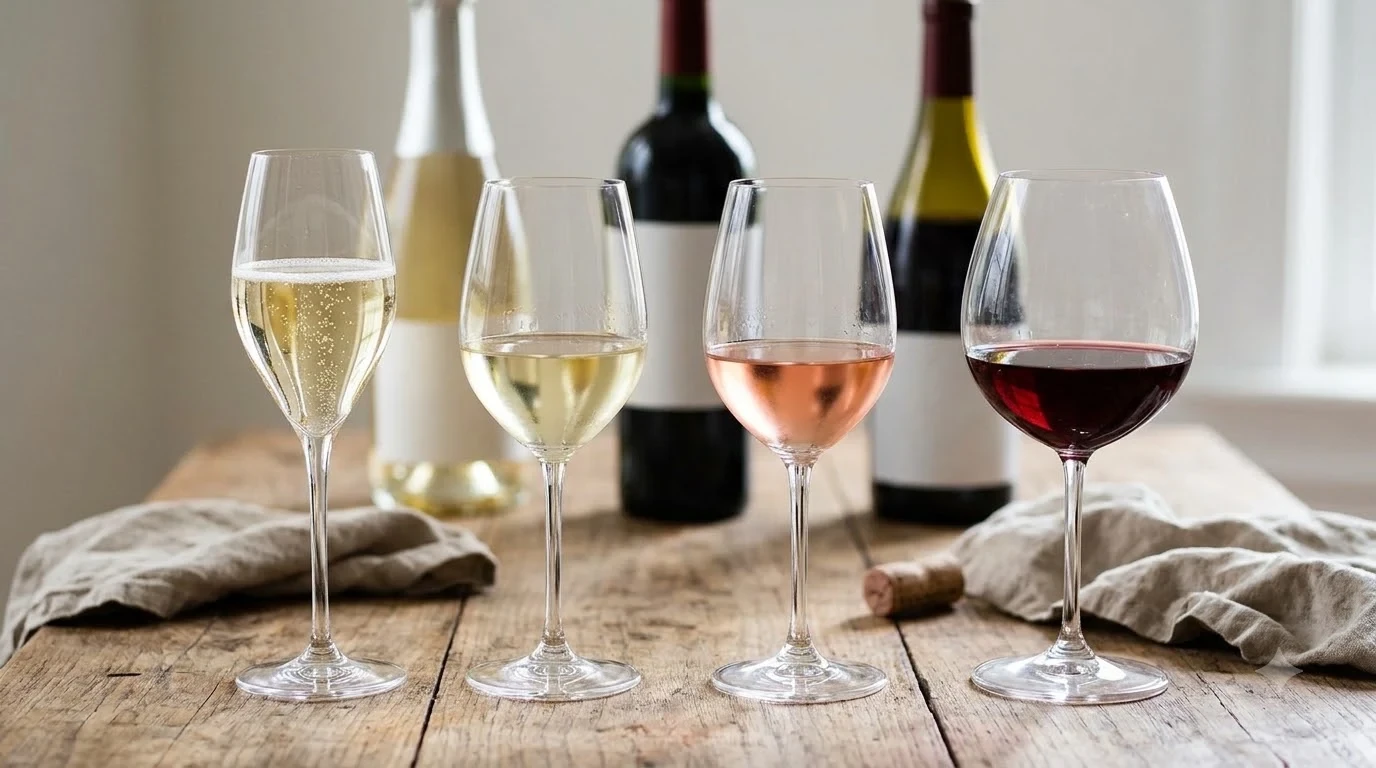
Dry white Roussillon wines deserve far more attention than they usually receive on American wine lists. Crafted from Grenache Blanc, Grenache Gris, Macabeu, Marsanne, Roussanne, and Vermentino, they tend to be full-bodied, waxy, and saline rather than overtly grassy, offering orchard fruit and herbal complexity that stand up to rich seafood and poultry. Meanwhile, Roussillon rosés lean darker and more structured than pale Provençal pinks, making them versatile year-round food wines.
No overview of Roussillon styles is complete without vins doux naturels (VDNs), where grape spirit is added during fermentation to halt yeast activity and preserve natural grape sugar. Young Rimage or Grenat styles burst with fresh black cherry and fig flavors, whereas oxidized Rancio and Hors d’Âge bottlings spend years in barrels or glass demijohns exposed to temperature swings, developing walnut, caramel, dried orange peel, and coffee notes.
Notable Producers to Look For
Because Roussillon lacks the rigid château hierarchy of Bordeaux or the tiny grand cru climats of Burgundy—a sharp contrast to single-village appellations like aloxe corton wine—producer reputation serves as the single most reliable guide to bottle quality. Both historic estates and younger natural-leaning wineries have earned international acclaim for translating Roussillon’s rugged soils into balanced, expressive bottles.
Among established names, Maison Cazes in Rivesaltes is a benchmark biodynamic estate producing everything from crisp dry whites to long-aged fortified wines. Domaine Lafage, based near Perpignan, has become widely available in the United States with polished, fruit-forward cuvées drawn from diverse coastal and mountain parcels. Domaine de Bila-Haut, the Roussillon project of Rhône vintner Michel Chapoutier, showcases how granitic and schistous Agly Valley sites produce focused, mineral-laced reds and whites.
Critics at Decanter and Wine Enthusiast also highlight smaller terroir-driven estates such as Le Soula, Domaine des Soulanes, Domaine Singla, Domaine Treloar, Mas Bécha, Château de Corneilla, Château Nadal Hainaut, and Res Fortes. Whether working with century-old Carignan vines or fermenting aromatic dry Muscat, these producers prioritize freshness and restraint over heavy new oak.
Tip: When shopping for dry Roussillon reds, check the back label for the phrase “Vieilles Vignes” (old vines) alongside schist or granite soil mentions—older, low-yielding bush vines naturally temper high alcohol with deeper concentration and vibrant acidity.
Serving and Food Pairing Guide
Matching Roussillon’s varied wine styles to the right serving temperature and menu turns hearty Mediterranean flavors into effortless dinner companions. While powerful reds benefit from a brief decant and slightly cool cellar temperatures, textured whites and fortified bottles shine when paired with regional dishes that echo their savory, herbal, or nutty profiles.
Serve dry white Roussillon wines lightly chilled around 50 to 54°F (10 to 12°C) so their waxy texture, stone-fruit richness, and saline finish stay open rather than muted by excessive cold. They pair naturally with grilled sea bass, pan-seared scallops, roast chicken with preserved lemon, and aged sheep’s milk cheeses. Dry rosés perform well at a similar temperature alongside niçoise salads, grilled vegetables, and charcuterie.
Dry red blends from Côtes du Roussillon Villages or Collioure show best between 59 and 63°F (15 to 17°C), ideally after 30 to 45 minutes in a decanter to soften youthful tannins. Their peppery dark fruit and wild herb notes complement herb-crusted rack of lamb, braised beef short ribs, duck confit, and smoky eggplant dishes. For vins doux naturels, serve youthful Grenat or Rimage styles slightly cool with dark chocolate desserts or blue cheese, and pour aged amber Rivesaltes or Banyuls alongside walnut tarts, crème brûlée, or toasted almonds.
How to Buy Roussillon Wine in the US
Although Roussillon occupies a smaller footprint on American retail shelves than Bordeaux or the Rhône, specialty wine shops and online merchants carry a rewarding selection across every style. Knowing how to read French regional labels helps you spot standout bottles even when producer names are unfamiliar.
Start by deciding whether you want a dry table wine or a sweet fortified bottle, since a single village name like Maury can appear on both. Dry reds from Maury will state “Maury Sec” on the label, whereas standard Maury AOP and Banyuls AOP indicate sweet fortified wines. If you prefer single-varietal bottlings or minimal-intervention wines, look for the Côtes Catalanes IGP designation, which grants winemakers freedom outside strict AOP blending rules.
Finally, pay attention to vintage warmth and alcohol levels on the front or back label. Because Roussillon enjoys abundant sunshine, dry reds regularly reach 14 to 15 percent ABV; choosing producers who harvest early from high-altitude or wind-swept schist sites ensures that ripe Mediterranean fruit remains balanced by lively acidity and stony freshness.
Frequently Asked Questions
Is Roussillon wine sweet or dry?
Roussillon produces both dry table wines and sweet fortified wines. Historically, the region became famous for sweet vins doux naturels like Banyuls, Maury, and Rivesaltes, which still account for roughly 80 percent of France’s fortified wine output. Today, however, dry red blends, textured whites, and crisp rosés under the Côtes du Roussillon and Côtes Catalanes labels make up a major share of the bottles exported to the United States.
What is the difference between Languedoc and Roussillon wine?
Although wine laws and retailers often group them together as Languedoc-Roussillon, the two areas have distinct geography, history, and cultural roots. Roussillon sits further south against the Spanish border and Pyrenees mountains, retains strong Catalan traditions, and specializes heavily in Grenache and fortified vins doux naturels. Languedoc stretches further north and east along the Mediterranean coast with a broader array of sub-appellations and higher overall production volume.
What grapes are used in red Roussillon wine?
Dry red Roussillon wines are almost always blends anchored by Grenache Noir, Syrah, Mourvèdre, and Carignan, with smaller amounts of Cinsault and Lledoner Pelut permitted. Appellation rules for Côtes du Roussillon require at least three grape varieties in every red blend so no single grape dominates. Grenache brings ripe red fruit warmth, Syrah and Mourvèdre add spice and structure, and old-vine Carignan provides essential acidity.
Can Roussillon wines age in the cellar?
Yes, both top dry reds and fortified Roussillon wines have impressive aging potential. Structured dry reds from Côtes du Roussillon Villages, Collioure, and Maury Sec typically evolve gracefully for five to twelve years, trading primary berry fruit for leather, dried herbs, and earthy complexity. Fortified Banyuls, Maury, and Rivesaltes wines are among the longest-lived wines in the world, easily aging for several decades after bottling.
Whether you are pouring a mineral-driven dry white, a savory old-vine Grenache blend, or an oxidized fortified classic, Roussillon wine delivers remarkable character for the table. Exploring its Catalan appellations offers an accessible gateway into southern France’s wildest, sunniest vineyards.
More in Wine Regions
 Willcox Wine Trail: Discover Arizona’s High-Elevation Wine CountryUpdated Nov 20, 2026
 Yakima Valley Wine Region: Find the Best Styles to TryUpdated Nov 20, 2026
 Vosne Romanee Wine Tasting: Identify Aromas and Choose Better PairingsUpdated Nov 20, 2026
 Yakima Valley Wine Festival: Find the Best Seasonal Wine EventsUpdated Nov 20, 2026
 Wales Vineyards: Discover Cool-Climate Wines and Where to VisitUpdated Nov 20, 2026
 Yountville Wine Festival: Discover Napa Wines and Local FoodUpdated Nov 20, 2026