

We may earn a commission when you buy through links on this page, at no extra cost to you. Learn more.
Clos du Bois wine is a California label built around Chardonnay, with a lineup that also includes Sauvignon Blanc, Pinot Grigio, Pinot Noir, Merlot, and Cabernet Sauvignon. According to the brand’s own website, it is “America’s #1 Premium Chardonnay,” and it describes its style as French winemaking technique applied to California fruit. For most shoppers, that means an approachable, fruit-forward bottle that works at everyday dinners and casual gatherings.
This guide looks at what Clos du Bois wine is known for, how the current lineup breaks down by style, how to serve each wine, and which foods go well with them. The brand’s website gives a clear picture of the range, while the broader wine references fill in serving and pairing basics.
What Clos du Bois is known for
Clos du Bois is best known for Chardonnay. The brand’s site presents several bottlings under that name, from a classic California Chardonnay to a Buttery style and a Tropical style, plus a Reserve Chardonnay at a more serious level. That spread lets a shopper move between a lighter, fruit-first wine and a richer, more textured one without switching brands.
The brand’s wording is also worth noticing. Its site says the wines blend French winemaking techniques with California vineyard character. In practice, that usually means a careful balance between fresh fruit and the creamier notes that barrel aging and lees contact can add to a white wine. The result tends to be familiar and easy to drink, rather than sharply mineral or austere.
| Category | Examples on the brand’s site | General style |
|---|---|---|
| Chardonnay | California Chardonnay, Buttery Chardonnay, Tropical Chardonnay, Reserve Chardonnay | Ripe fruit, creamy texture, a range of oak levels |
| Other whites | California Sauvignon Blanc, Pinot Grigio | Crisp, citrus and orchard fruit, lighter body |
| Reds | Pinot Noir, Merlot, Cabernet Sauvignon | Soft red and dark fruit, approachable tannins |
Choosing between the whites
If you like crisp, clean whites, the Sauvignon Blanc and Pinot Grigio are the lightest choices in the range. Sauvignon Blanc shows grapefruit, lime, and herbal notes, while Pinot Grigio is generally lighter and more neutral. Both are good starting points when you want something refreshing without much weight.
For people who prefer Chardonnay, the choice comes down to how much richness you want. A straightforward California Chardonnay sits in the middle, with apple and stone-fruit flavors and a smooth finish. A Buttery or Tropical style pushes further toward texture and ripe fruit, while the Reserve tier is meant to be the most structured of the group.
How to serve Clos du Bois wine
Serve the whites well chilled, but not ice cold, because very cold temperatures mute aroma and make the wine taste sharper. A Chardonnay with more oak and texture is better a little warmer than a light Pinot Grigio, which benefits from a cooler glass. Give the Chardonnay five or ten minutes after pouring so the aromas can open.
The reds are easiest to enjoy slightly cooler than room temperature. A quick stay in the refrigerator before serving is enough for a Pinot Noir or Merlot. Cabernet Sauvignon can handle a little more warmth, and Wine Folly’s Cabernet Sauvignon guide suggests serving full-bodied reds between 60 and 68°F.
Tip: If a Chardonnay tastes heavy, chill it for an extra 10 minutes. Cooler temperatures bring the acidity forward and balance the richness.
Food pairings that work
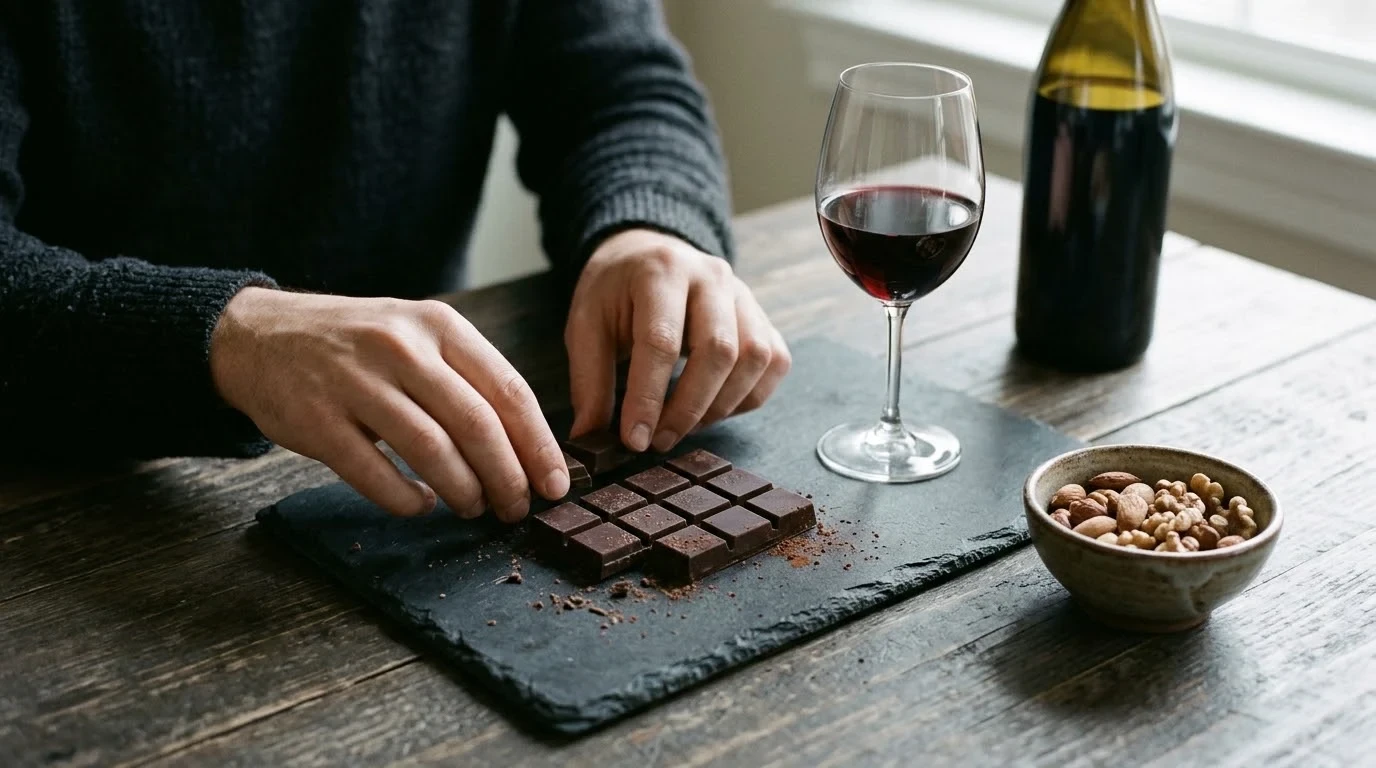
Clos du Bois Chardonnay pairs naturally with roast chicken, pork loin, creamy pasta, and seafood dishes with butter or cream sauces. The wine’s fruit and texture stand up to these richer foods without overwhelming them. Lighter Chardonnay suits salads, grilled fish, and mild cheeses.
Sauvignon Blanc is at home with goat cheese, shellfish, and herb-forward salads. Pinot Noir and Merlot handle roast turkey, burgers, and tomato-based pasta, while Cabernet Sauvignon fits grilled steak and hearty stews. Match the wine’s body to the food’s richness, and you will rarely go wrong.
Who the brand suits
Clos du Bois wine suits people who want a reliable bottle for family dinners, parties, and everyday meals. It is a good fit for drinkers who like Chardonnay with a clear fruit profile and who do not want a very austere or mineral style. Readers who prefer small-production wines from a single vineyard may find the brand more mainstream than they want.
If you enjoy comparing big-brand California bottles, the Black Box Cabernet guide covers another widely sold red, and the wine brands hub sorts more labels by style and price range.
Building a simple wine night around the lineup
Shoppers buying for a crowd often find it easier to choose one white and one red rather than the whole range. A California Chardonnay and a Pinot Noir cover most tastes, and they are approachable enough for guests who do not usually talk about wine. Add a Cabernet Sauvignon if the meal is built around beef or hearty stews. Leftover wine keeps reasonably well when recorked and refrigerated for a day or two, which makes a mixed case easier to finish without waste.
A good way to taste the range is to pour two or three bottles side by side. Start with the Sauvignon Blanc or Pinot Grigio for a clean, crisp opening, then move to the classic California Chardonnay, and finish with the richer Buttery or Reserve style if your guests want more texture. The progression shows how oak and ripeness change a white wine without asking anyone to learn a new vocabulary.
For reds, pour the Pinot Noir first, then the Merlot, and finish with the Cabernet Sauvignon. That order moves from lighter fruit to firmer tannins, so the palate does not get tired early in the evening. Keep a bowl of plain crackers or bread nearby, since a little starch helps reset the palate between bigger bites.
Plan the serving temperatures before guests arrive. Chill the whites in the refrigerator for at least two hours, pull the reds out of the refrigerator about 20 minutes before they are poured, and keep a bucket of ice nearby for the whites on warm evenings. Small details like these matter more for everyday wine than any special equipment. A cooler with ice packs also works well for carrying chilled whites to a picnic or a backyard party, and a separate bag of ice keeps the bottles cold without diluting them.
Frequently Asked Questions
Is Clos du Bois wine a good Chardonnay?
Clos du Bois is known mainly for Chardonnay. Its range runs from a classic California bottling to Buttery, Tropical, and Reserve styles, so you can choose the level of richness you prefer.
What kinds of wine does Clos du Bois make besides Chardonnay?
The brand’s website lists Sauvignon Blanc and Pinot Grigio among its whites, and Pinot Noir, Merlot, and Cabernet Sauvignon among its reds.
How should I serve Clos du Bois Chardonnay?
Serve it well chilled rather than ice cold. Richer styles, such as the Buttery or Reserve bottlings, taste better slightly warmer than a light Chardonnay.
What foods go best with Clos du Bois wine?
Chardonnay pairs well with roast chicken, creamy pasta, and seafood with butter sauces. Pinot Noir suits roast turkey and burgers, and Cabernet Sauvignon fits grilled steak and stews.
Clos du Bois wine is an easy starting point for anyone who wants a dependable California label with a clear focus on Chardonnay. Begin with a classic Chardonnay, then move to a Buttery or Reserve style if you want more richness. Serve the whites cool, the reds slightly below room temperature, and pair them with everyday meals.
More in Wine Brands
 Underwood Wine Price: Compare Bottles, Cans, and Pack SizesUpdated Nov 21, 2026
 Zenato Wine Price: Compare Styles and Choose the Right BottleUpdated Nov 21, 2026
 Zuccardi Wine Price: Compare Bottles and Find the Right RangeUpdated Nov 21, 2026
 Yellow Tail Moscato Review: Taste, Sweetness and Serving TipsUpdated Nov 21, 2026
 Wolf Blass Yellow Label Review: Choose Your Best StyleUpdated Nov 21, 2026
 Wolffer Estate Rose Review: Choose the Right Bottle for Your TableUpdated Nov 21, 2026