

We may earn a commission when you buy through links on this page, at no extra cost to you. Learn more.
If you are wondering what is vermentino, it is a dry, aromatic white wine grape native to the Mediterranean that produces crisp, citrus-driven wines with a signature salty, slightly bitter almond finish. Grown primarily in coastal Italy and southern France—where it is often labeled as Rolle—it thrives in warm climates with cooling sea breezes. Most bottles fall between 12 and 14 percent ABV and offer a medium body with refreshing acidity that bridges the gap between zesty Sauvignon Blanc and richer white varietals.
Despite its centuries-old roots along the Tyrrhenian Sea, Vermentino remains one of the wine world’s best-kept secrets for casual weeknight dinners and warm-weather sipping. Whether you encounter a bright, unoaked bottle from Liguria or a fuller, granite-grown expression from northern Sardinia, understanding how this grape behaves in the glass makes it easy to find a style that fits your palate.
What Is Vermentino?
Vermentino is a light-skinned Mediterranean white wine grape renowned for producing dry, vibrant wines marked by coastal salinity and bright citrus aromatics. The Vitis International Variety Catalogue traces its origins to Italy, though its exact migration across the Mediterranean basin remains a topic of historical debate.
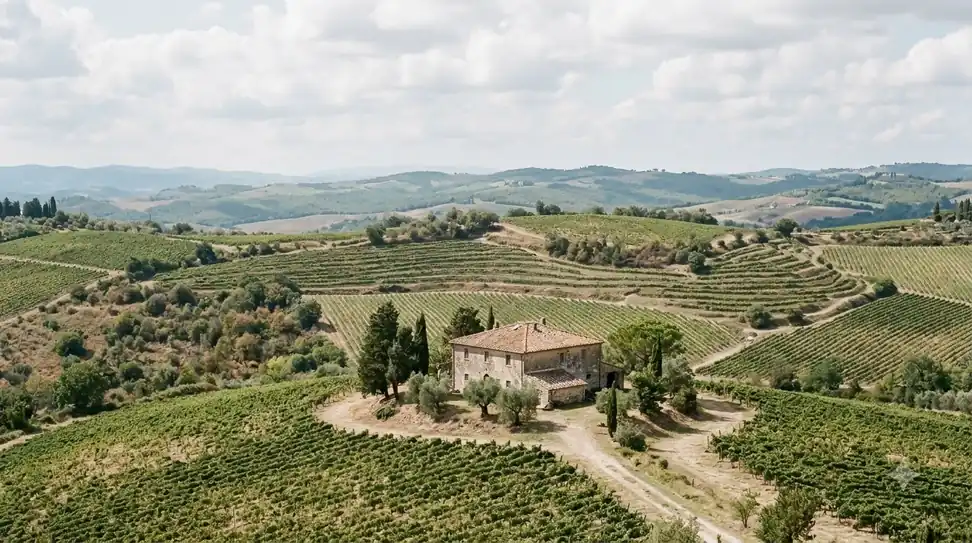
In the vineyard, Vermentino vines produce large, pyramidal bunches of amber-yellow berries that love direct sunlight and reflected heat from the sea. Because the grape is vigorous and naturally late-ripening, it performs best on poorer, less fertile soils at slightly higher elevations, where yields stay moderate and flavors concentrate. Without coastal breezes to cool the canopy at night, the grapes can lose their hallmark freshness, which explains why the finest vineyards sit within sight or smell of saltwater.
Depending on where you buy a bottle, you may see the exact same grape wearing different names on the front label. In Provence and Languedoc-Roussillon, French winemakers call it Rolle, where it serves both as a single-varietal white and as a secret weapon in top-rated Provençal rosés. Across northwestern Italy, genetic testing has shown that Piedmont’s Favorita and Liguria’s Pigato are regional clones or synonyms of Vermentino, while on the French island of Corsica it goes by the local spelling Vermentinu.
Flavor Profile and Winemaking Styles
A typical glass of Vermentino delivers layered aromas of lime, grapefruit, green apple, and white flowers, balanced by a distinct crushed-rock minerality and a snap of fresh almond bitterness on the finish. While the nose feels light and floral, the palate carries a surprisingly supple, slightly oily texture that sets it apart from ultra-lean whites.
Winemakers generally craft Vermentino in two distinct stylistic directions, as Wine Folly’s grape guide notes in its breakdown of Italian expressions. The most common approach uses stainless steel tanks and cool fermentation temperatures to preserve electric citrus zest, daffodil notes, and brisk maritime salinity. These unoaked bottles are meant to be drunk young, capturing the immediate snap of lemon pith and sea spray.
A second, fuller-bodied style relies on lees stirring, oak barrel aging, or malolactic fermentation. By allowing the wine to rest on spent yeast cells or undergo malolactic conversion, producers soften the tart malic acid into a creamier, richer mouthfeel. These structured bottlings lean toward ripe white peach, toasted almond, and subtle spice, giving Chardonnay drinkers an intriguing Mediterranean alternative when browsing Wine by Type.
| Style Category | Winemaking Method | Dominant Flavors | Body and Texture |
|---|---|---|---|
| Crisp Coastal (Unoaked) | Stainless steel fermentation, no oak | Lime, green apple, grapefruit pith, sea salt | Light to medium, zippy, slightly oily |
| Structured / Superiore | Lees contact, occasional oak or malolactic fermentation | White peach, crushed almond, daffodil, warm herbs | Medium to full, creamy, rounded acidity |
| Provençal / Corsican (Rolle) | Cool steel or neutral vessel, high-elevation fruit | Lemon zest, white blossom, wet stone, subtle smoke | Medium, linear, high-acid mineral spine |
Where Vermentino Grows Best
Nearly half of the world’s Vermentino is produced on the Italian island of Sardinia, with major plantings also thriving along the coastlines of Tuscany, Liguria, Corsica, and southern France. Outside Europe, warm-climate regions in California, Oregon, Idaho, and Australia have embraced the grape for its natural heat tolerance.
Sardinia holds the grape’s single highest official classification in Italy: Vermentino di Gallura DOCG. Located in the island’s windswept northeast, Gallura features decomposed granite soils and persistent northerly winds that yield concentrated, aromatic wines. Regulations here require at least 95 percent Vermentino in the blend, and bottles labeled Superiore meet stricter minimum alcohol and quality benchmarks, often showing juicy stone fruit alongside a lingering salty finish.
On the Italian mainland, Liguria produces delicate, herb-scented versions under the Riviera Ligure di Ponente and Colli di Luni appellations, where terraced vineyards cling to steep coastal hills. Just south in Tuscany’s Bolgheri and Maremma zones, warmer sunshine creates riper, fuller-bodied Vermentino packed with grapefruit and tropical hints. Meanwhile, Corsica’s Patrimonio AOC crafts 100 percent Vermentinu whites known for lean minerality and a whisper of smokiness, and California producers in Paso Robles, Santa Ynez Valley, and Lodi have demonstrated how well the variety handles sunny New World summers.
How to Serve and Store Vermentino
Serve Vermentino chilled at 45 to 52 degrees Fahrenheit (7 to 11 degrees Celsius) in a standard medium-bowled white wine glass. Pulling the bottle from a standard kitchen refrigerator roughly ten minutes before pouring lets the aromatics open without dulling its crisp edge.
Temperature control matters more with Vermentino than with simpler patio whites because of its natural phenolic grip. When served ice-cold straight from the bottom of an ice bucket, the expressive citrus blossom and white peach notes clamp down, leaving the wine’s signature almond bitterness overly prominent on the finish. Letting the glass warm slightly toward 50 degrees Fahrenheit brings the fruit, herbs, and briny minerality back into balance.
Most entry-level Vermentino is bottled under screw cap or technical cork for immediate enjoyment within one to three years of the vintage date. However, top-tier examples from Vermentino di Gallura Superiore or old-vine Corsican estates can age gracefully for five to eight years, developing honeyed, nutty complexity while keeping their saline backbone intact. Store unopened bottles on their side in a cool, dark place away from direct kitchen heat.
Tip: Avoid narrow sparkling-wine flutes when pouring Vermentino; a standard tulip-shaped white wine glass gives its floral and herbal aromatics enough room to concentrate toward the rim.
Food Pairings for Vermentino
Vermentino is a natural partner for coastal Mediterranean cooking, excelling alongside fresh seafood, garlic-driven herb sauces, grilled vegetables, and light poultry. Its combination of moderate weight, savory salinity, and herbal lift allows it to handle ingredients that easily overwhelm lighter white wines.
In its native Liguria, the classic regional match is trofie pasta tossed with basil pesto, pine nuts, and Parmigiano-Reggiano. The wine’s herbal undertones mirror the fresh basil, while its bright acidity cuts cleanly through the richness of olive oil and cheese. Roasted halibut, crab cakes, grilled octopus, fried mussels, and spaghetti alle vongole (clams with garlic and white wine) also highlight the grape’s briny character without clashing.
Beyond traditional Italian fare, reviewers at VinePair and Wine Folly point out that Vermentino shines with soft chicken or fish tacos finished with a squeeze of lime, fennel-spiced pork sausages, and prosciutto-wrapped melon. While the wine handles fresh herbs and citrus effortlessly, steer clear of heavy cream reductions, overly sweet glazes, and heavily charred red meats, which can flatten the fruit and accentuate bitter pith notes. If you are planning a warm-weather gathering that also includes red wine drinkers, you can pair a chilled bottle of Vermentino for seafood starters alongside a lighter batch of pinot noir sangria for heartier mains.
How to Choose a Bottle of Vermentino
When shopping for Vermentino, check the region on the label and the vintage year first to match the bottle to your meal. Look for recent vintages within the last two to three years for bright, everyday refreshment, or seek out DOCG and Superiore designations when you want deeper texture.
If you love razor-sharp acidity and mineral tension similar to Sancerre or dry Riesling, look for bottles from Liguria (such as Colli di Luni or Riviera Ligure di Ponente) or Corsican Vermentinu. If you prefer a rounder, slightly richer white wine with ripe citrus and stone fruit, reach for Vermentino di Gallura from Sardinia or coastal Tuscan expressions from Bolgheri and Maremma. French bottles labeled as Rolle from Provence or Languedoc also offer dependable value and dry, crisp structure.
Because Vermentino is fermented completely dry with virtually no residual sugar, it also appeals to drinkers tracking daily macros—much like comparing pinot noir carbs when choosing lighter red wines. Checking the back label for alcohol levels around 12.5 to 13.5 percent ABV is a reliable shortcut for finding balanced, food-friendly bottles that emphasize freshness over heavy oak.
Frequently Asked Questions
Is Vermentino a sweet or dry wine?
Vermentino is almost always fermented completely dry, meaning it contains no noticeable residual sugar. Its ripe aromas of white peach, citrus blossom, and green apple can create an impression of fruitiness on the nose, but the palate finishes crisp, savory, and refreshingly dry.
How does Vermentino compare to Pinot Grigio and Sauvignon Blanc?
Vermentino sits neatly between the two grapes in both weight and flavor. It offers more aromatic complexity, herbal lift, and mid-palate texture than standard Italian Pinot Grigio, while feeling slightly softer, less grassy, and more saline than a piercing New Zealand Sauvignon Blanc.
What is the difference between Vermentino and Rolle?
There is no difference in the grape itself—Rolle is simply the traditional French synonym used for Vermentino in Provence and southern France. Bottles labeled Rolle tend to highlight leaner alpine and Mediterranean herb notes, and the grape is frequently blended into dry Provençal rosé.
Does Vermentino pair well with spicy or heavily seasoned dishes?
Yes, Vermentino’s moderate alcohol, crisp acidity, and citrus-herb profile make it an adaptable match for mildly spicy dishes such as fish tacos, garlic shrimp, and herb-rubbed grilled chicken. Avoid pairing it with intensely fiery chili heat, however, as high capsaicin levels can clash with the wine’s subtle bitter almond finish.
From breezy Sardinian coastlines to sunny California hillsides, Vermentino offers an effortless mix of bright citrus, sea-salt minerality, and versatile food-pairing power. Next time you want a crisp white wine with more character than everyday Pinot Grigio, pick up a chilled bottle of Vermentino or Rolle and serve it alongside fresh seafood, pesto, or roasted vegetables.
More in Wine Types & Grapes
 Zinfandel Sugar Content: Dry Red vs. White Zinfandel GramsUpdated Nov 21, 2026
 Best Zinfandel Substitute Options for Sipping and CookingUpdated Nov 21, 2026
 Zweigelt Food Pairing: Best Dishes, Cheeses, and Serving TipsUpdated Nov 21, 2026
 Zinfandel Tannins Explained: How Structure Shapes Every BottleUpdated Nov 21, 2026
 Zinfandel Sweetness Level: Dry Red vs. Sweet White Zin ExplainedUpdated Nov 21, 2026
 Xinomavro Food Pairing: Best Dishes, Styles, and Serving TipsUpdated Nov 21, 2026