

We may earn a commission when you buy through links on this page, at no extra cost to you. Learn more.
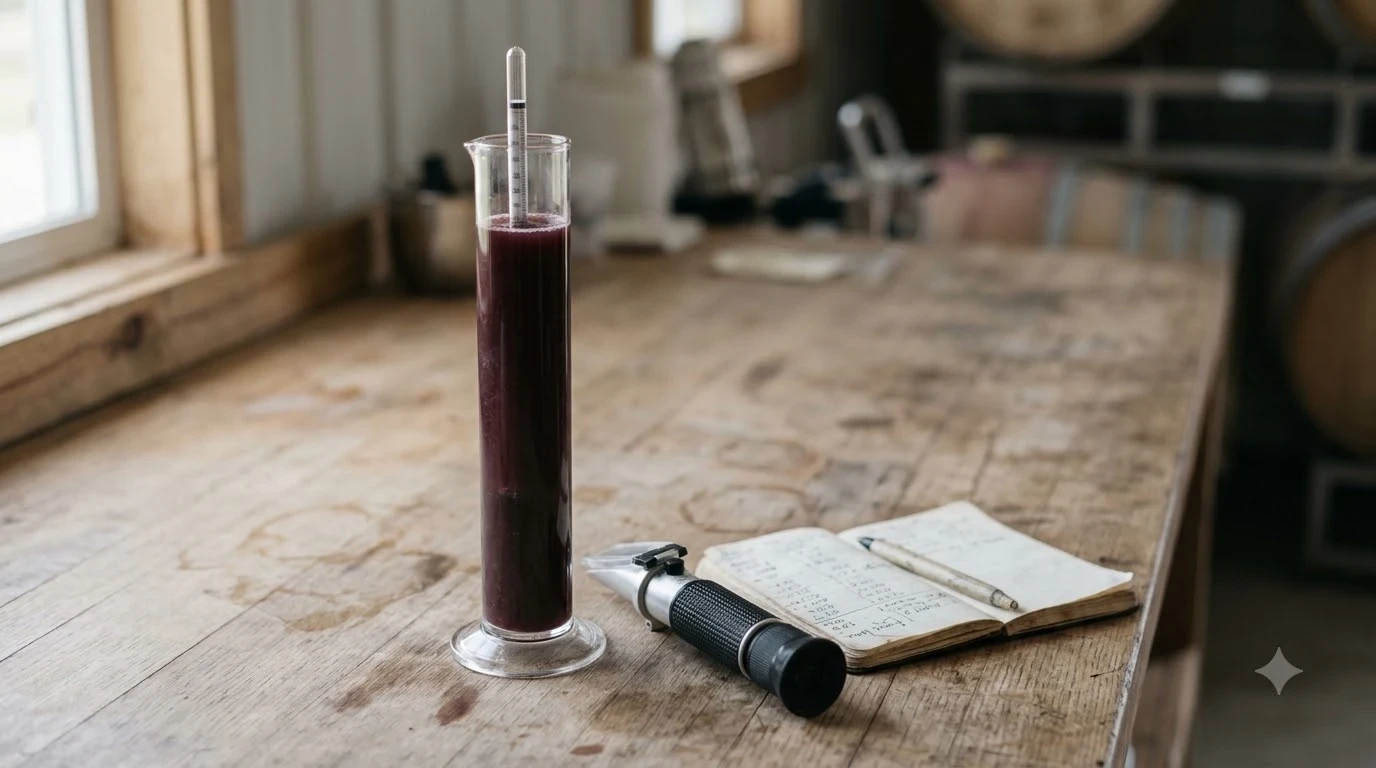
Klinker Brick wine comes from Klinker Brick Winery, a producer at 15887 Alpine Road in Lodi, California, that describes itself as a producer of Old Vine Zinfandel from Lodi. The winery’s website lists red, white, rosé and sparkling wines, along with reserve and library bottlings and half bottles. This guide explains what the winery says about its region and range, how Lodi’s climate shapes the wines, and how to serve and pair them.
If you have seen the Klinker Brick name on a shelf and want to know what the winery is known for, this page sorts out the basics. It relies on the winery’s own description of its wines and on the general character of the Lodi region, and it avoids claims the winery does not make.
Who makes Klinker Brick wine
Klinker Brick Winery is located at 15887 Alpine Road in Lodi, California, according to its official website. The winery calls itself a producer of Old Vine Zinfandel from Lodi, which makes Zinfandel the clearest starting point for understanding its identity.
The homepage links to a separate History section, but the founding year and the founders are not in the text that the page makes available here. This guide therefore makes no claims about when the winery was founded. The winery’s history page or a current wine reference will have that background.
Why Lodi suits the house style
Lodi sits in the Central Valley of California, where warm days and cooler nights support ripe fruit with enough acidity to keep the wines balanced. The winery’s own site says that Lodi’s climate and soil suit warm-weather varieties, including Zinfandel, Cabernet Sauvignon and Syrah. It does not list which varieties the winery grows itself, so that is a question to check on the label or with the producer.
For a drinker, the practical result is a set of wines that tend to be fruit-forward and full in style, especially reds. Zinfandel from a warm region usually shows ripe berry, spice and a plush texture, while Cabernet Sauvignon from the same area tends to be riper and more structured than a cool-climate bottle.
The Klinker Brick range at a glance
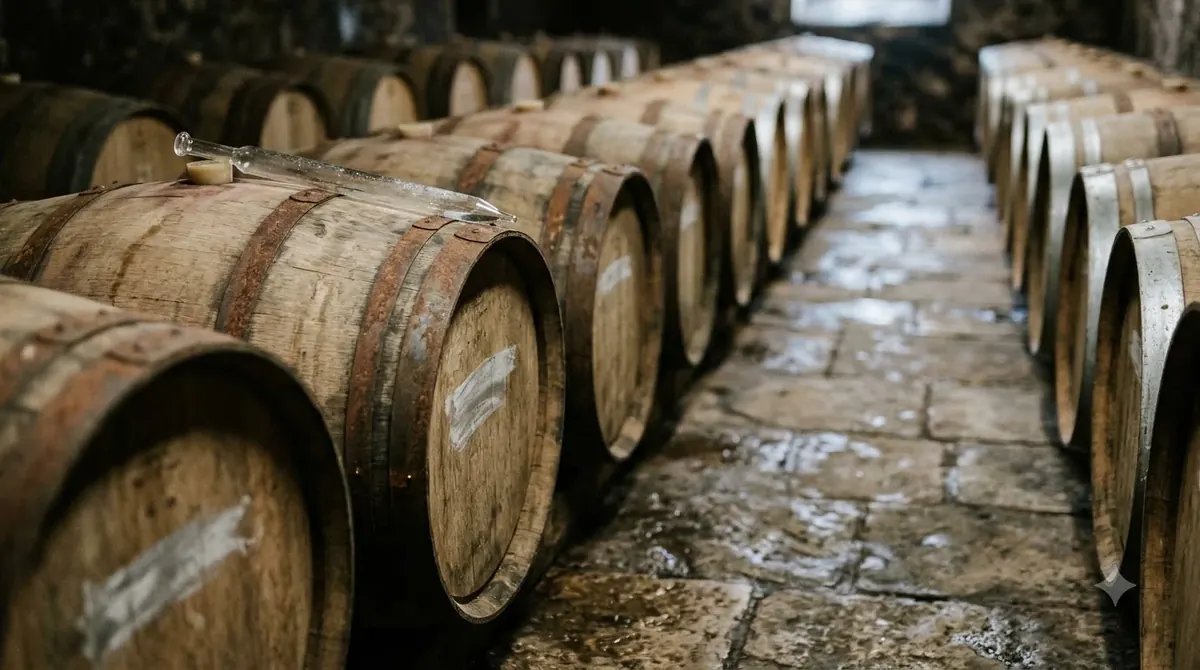
The winery’s website describes a wide lineup. It includes red wines, white wines, rosé and sparkling wines, a reserve and library tier, and half bottles. The site describes its wines as award-winning. Because the range spans several colors and price tiers, it is useful to decide what you want before you choose a bottle.
| Category | What to expect |
|---|---|
| Red wines | Fruit-forward, warm-climate character, often built on Zinfandel |
| White wines | Lighter, fresher styles for everyday drinking |
| Rosé and sparkling | Lighter, more casual options for warm weather and celebrations |
| Reserve and library | Older or more deliberate bottlings from the winery’s top tier |
| Half bottles | Smaller formats for single servings or tastings |
Tip: Check the vintage and the tier on the label. A reserve or library wine is a different purchase from a core red, so the same winery can offer very different styles.
How to serve Klinker Brick wine
Serve red wines at a cool room temperature rather than warm. Warm-climate reds can taste heavy when they are too hot, and a slight chill lets the fruit and structure show. A large red glass gives the wine room to open up.
White wines and rosé should be well chilled. Pour the sparkling wine cold, and keep the glass upright so the bubbles hold. Reserve and library bottles can be served a little warmer than the everyday reds, but they still benefit from a cool room.
Half bottles are handy when you want a single glass or a tasting flight. They also make a good way to try the range before buying a full bottle.
Food pairings for Lodi wines
Zinfandel is a food-friendly red. It works with barbecue, grilled sausages, pizza with tomato sauce, and roasted vegetables. Its ripe fruit and spice match smoky and sweet flavors well.
Cabernet Sauvignon from a warm region pairs with steak, braised beef, and aged cheese. Syrah, if the winery offers one, suits grilled lamb and dark-meat poultry. White wines from the range pair with roast chicken, pasta with cream sauce, and salads with a bright vinaigrette.
How to choose a bottle
Start with the color you want. For a bold red, look for a Zinfandel from the core lineup. For an everyday white, look for a lighter bottle. For a special occasion, the reserve or library tier gives you a more deliberate wine. Then check the label for the vintage, since a warm year tends to produce fuller, riper wines.
Because the winery’s range includes several tiers, the best value often depends on what you plan to drink. A core Zinfandel suits a weeknight dinner, while a reserve bottle makes sense when you want something to share or to age.
Zinfandel and the Lodi style
Zinfandel is the grape that gives Lodi much of its reputation, and the winery’s description puts Old Vine Zinfandel at the center of its identity. Old vines are generally vines that have been growing for many years, and their lower yields are often linked with more concentrated fruit. The winery’s website does not give vine ages or yields, so treat the “old vine” wording as the producer’s description rather than a measured figure.
Zinfandel from a warm region usually shows ripe blackberry, plum and black pepper, with a plush texture and a finish that can carry some spice. It is a grape that rewards food, and its fruit tends to be generous in the glass. If you are new to the style, try a Zinfandel with a simple dinner first, so you can taste the fruit without distraction.
The same warm climate that suits Zinfandel also supports Cabernet Sauvignon and Syrah, which the winery’s site names as suitable for Lodi. Those grapes give the region a second identity, with darker and more structured reds. Comparing a Zinfandel with a Cabernet from the same area is a good way to see how the grape changes the wine.
Buying and storing Klinker Brick wine
Because the range spans several colors and tiers, a little planning helps. Buy the core red for drinking soon after purchase, and keep it in a cool, dark place until you open it. A reserve or library bottle can be kept longer, but check how each wine is meant to be handled, since storage advice varies by style.
Rosé and sparkling wines are best drunk fresh, so buy them for near-term use rather than storing them for years. White wines from the range are also best enjoyed relatively young, while their fruit is bright. Keep the bottle chilled until serving, and close any opened wine with a stopper in the fridge for a short time.
Frequently Asked Questions
What is Klinker Brick known for?
The winery describes itself as a producer of Old Vine Zinfandel from Lodi, so Zinfandel is its clearest signature. Its range also includes white, rosé, sparkling and reserve wines.
Where is Klinker Brick Winery located?
According to its website, Klinker Brick Winery is at 15887 Alpine Road in Lodi, California.
Does Klinker Brick make white and rosé wines?
Yes. The winery’s website lists red, white, rosé and sparkling wines in its range, so you have several choices beyond red.
What should I try first from Klinker Brick?
Start with the Zinfandel, since the winery highlights Old Vine Zinfandel from Lodi. If you prefer lighter wines, a white or rosé from the same range is a good second step.
Klinker Brick wine is an introduction to Lodi, a warm and fruit-forward part of California. Its Zinfandel is the clearest starting point for the house style. For a wider view of how producers present their ranges, read the wine brands guide, or compare with Stella Rosa Red to see a very different style from a different part of the wine world.
More in Wine Brands
 Underwood Wine Price: Compare Bottles, Cans, and Pack SizesUpdated Nov 21, 2026
 Zenato Wine Price: Compare Styles and Choose the Right BottleUpdated Nov 21, 2026
 Zuccardi Wine Price: Compare Bottles and Find the Right RangeUpdated Nov 21, 2026
 Yellow Tail Moscato Review: Taste, Sweetness and Serving TipsUpdated Nov 21, 2026
 Wolf Blass Yellow Label Review: Choose Your Best StyleUpdated Nov 21, 2026
 Wolffer Estate Rose Review: Choose the Right Bottle for Your TableUpdated Nov 21, 2026