

We may earn a commission when you buy through links on this page, at no extra cost to you. Learn more.
Nevada vineyards are small-scale, high-desert winegrowing operations scattered across the Mojave Desert in the south and the Great Basin valleys in the north, producing commercial wine since the early 1990s. Despite having fewer than 40 planted acres statewide and no federally designated American Viticultural Areas, local growers successfully cultivate heat-loving European varieties alongside cold-hardy French-American hybrids. Most production happens in Pahrump Valley near Las Vegas and around Reno, Carson Valley, and Churchill County.
Because Nevada is the driest state in the country, planting wine grapes across its arid valleys requires careful site selection, drip irrigation, and resilient vine genetics. While neighboring California dominates West Coast wine production, Silver State viticulture offers a distinct look at extreme-climate farming and small-batch winemaking.
Overview of Nevada Viticulture
Commercial winegrowing in Nevada is a modern agricultural movement that began in 1990 and relies on high-elevation sunshine, wide diurnal temperature swings, and low humidity to ripen fruit with minimal disease pressure.
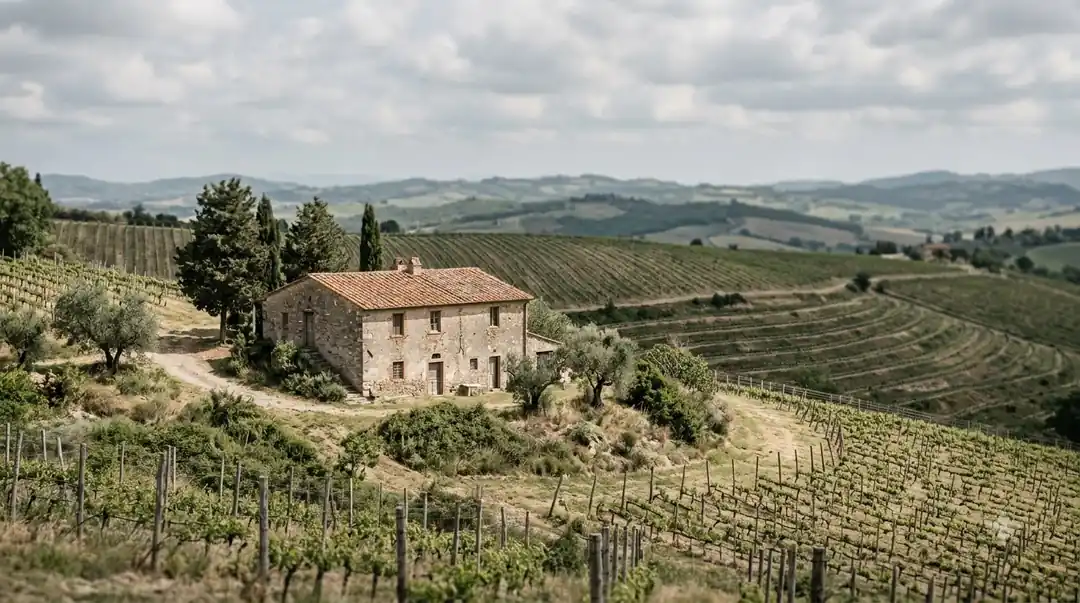
Unlike coastal Wine Regions that contend with morning fog and fungal pressure, Nevada vineyards sit in arid desert basins where dry air naturally suppresses powdery mildew and rot. According to Travel Nevada, this dry climate allows northern growers to farm without routine chemical sprays for mold. However, viticulture across the state faces significant environmental hurdles, including alkaline soils, elevated boron levels, water salinity, and scarce irrigation water.
Because estate acreage remains modest—totaling under 40 acres statewide—many Nevada wineries supplement their estate harvests by partnering with independent local growers or sourcing fruit from California and Washington. At the same time, a dedicated group of pioneer farmers has proven that both classic Vitis vinifera and cold-tolerant hybrids can thrive in desert conditions when matched to the right microclimate.
Key Growing Areas Across the State
Nevada has no official American Viticultural Areas, yet winegrape cultivation clusters into two distinct geographic zones defined by elevation, winter lows, and desert terrain.
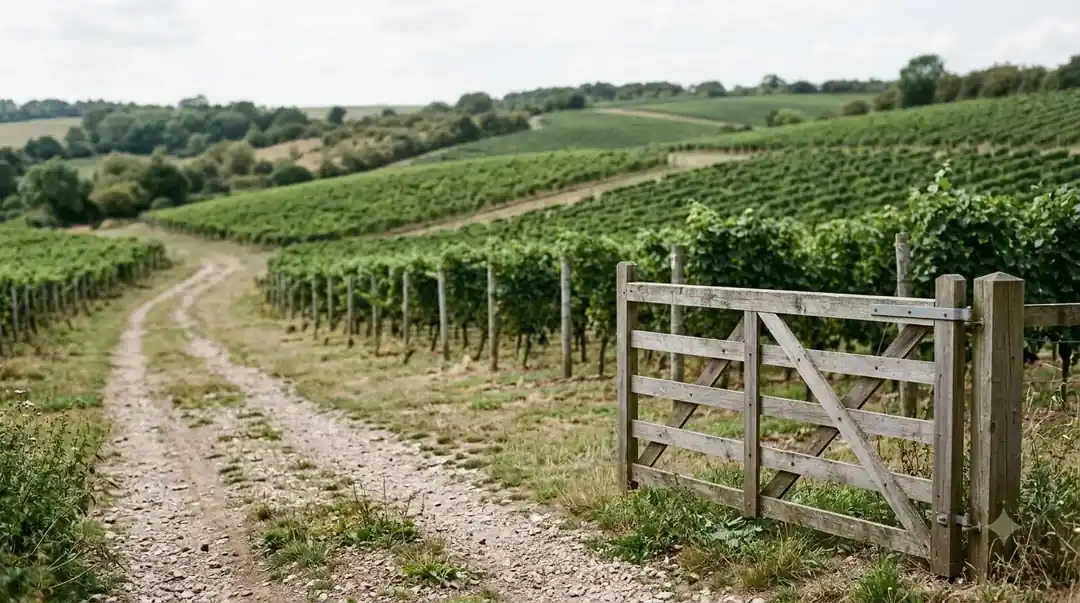
In Southern Nevada, the primary hub is Pahrump Valley, a Mojave Desert basin sitting about 55 minutes west of Las Vegas at the base of the Spring Mountains. Here, intense summer heat and mild winters allow red wine grapes to reach full phenolic ripeness, provided vines receive steady drip irrigation. Nearby Amargosa Valley also supports working Mojave Desert vineyard acreage, taking advantage of sandy alluvial soils and long, sunny growing seasons.
Northern Nevada presents a completely different agricultural profile across the Great Basin, including Reno, Carson Valley, Lovelock, and the Lahontan Valley around Fallon in Churchill County. At higher elevations near the eastern slope of the Sierra Nevada, growers face late spring frosts, short growing seasons, and freezing winter temperatures. These conditions mirror the challenges seen in other continental pockets like augusta vineyards, pushing northern Nevada farmers toward early-ripening whites and winter-hardy hybrid vines.
| Growing Zone | Key Locations | Primary Climate Traits | Representative Grapes |
|---|---|---|---|
| Southern Nevada (Mojave Desert) | Pahrump Valley, Amargosa Valley | Extreme summer heat, mild winters, low rainfall | Zinfandel, Syrah, Cabernet Sauvignon, Barbera, Tempranillo |
| Northern Nevada (Great Basin) | Reno, Carson Valley, Fallon, Lovelock | High altitude, cold winters, late spring frost risk | Frontenac, La Crosse, St. Croix, Brianna, Riesling, Gewurztraminer |
Grapes and Wine Styles
Winemakers in Nevada divide their focus between warm-climate European classics in the south and crisp, cold-hardy French-American hybrids and aromatic whites in the north.
In Pahrump Valley, estate vineyards focus heavily on red Vitis vinifera varieties capable of handling sustained triple-digit summer temperatures while retaining structure through cool desert nights. Zinfandel and Syrah form the backbone of southern red production, often yielding full-bodied, fruit-forward wines with ripe berry notes and firm spice. Growers in the south also cultivate Barbera, Cabernet Sauvignon, Petite Sirah, Ruby Cabernet, Tempranillo, and Merlot, alongside white plantings of Chardonnay, Sauvignon Blanc, Viognier, and Marsanne.
Up north, freezing winter lows make standard European vines risky without winter protection, so growers rely on French-American hybrids developed for cold climates. Varieties such as Frontenac, La Crosse, St. Croix, and Brianna survive harsh Great Basin freezes and ripen quickly before autumn frosts arrive. Winemakers craft these grapes into bright, high-acid white wines, off-dry aromatic styles, and structured, sharp red wines, while select sites in Lahontan Valley also produce estate Riesling, Semillon, and Gewurztraminer.
Notable Vineyards and Wineries
A small network of pioneering estates and urban wineries anchors Nevada’s wine scene, ranging from historic Mojave Desert properties to northern boutique producers.
In Pahrump, Charleston Peak Winery operates on the historic grounds originally established in 1990 as Pahrump Valley Winery, home to Nevada’s oldest commercially producing red grape vineyards. The estate farms Zinfandel and Syrah on site and offers guided tours, barrel tastings, and dining at its on-site restaurant, Symphony’s. Nearby in Pahrump, Sanders Family Winery features Tuscan-inspired architecture flanked by estate vineyards and an outdoor amphitheater, while Artesian Cellars collaborates with multiple Nevada growers across both northern and southern vineyards alongside its own plantings.
In Northern Nevada, Basin and Range Cellars in Reno stands out for farming all of its own fruit and producing wines made exclusively from 100 percent Nevada-grown grapes, including Frontenac, La Crosse, St. Croix, and Brianna. Other notable northern operations include Tahoe Ridge Winery in Minden—which grew out of early 1990s research vineyards in Carson Valley—as well as Churchill Vineyards at Frey Ranch in Fallon, Kruze Rd Winery in Lovelock, and urban tasting rooms like Nevada Sunset Winery and Great Basin Winery in Reno.
Planning a Vineyard Visit
Visiting Nevada wine country requires planning around long driving distances, seasonal weather extremes, and limited tasting room hours at smaller family-owned estates.
For travelers based in Las Vegas, Pahrump Valley makes an easy half-day or full-day excursion located roughly 45 to 55 minutes west over the mountains via Highway 160. Most Pahrump wineries keep regular daily or near-daily tasting hours, though spring and fall offer the most comfortable temperatures for walking the vineyards before summer heat peaks. In the north, tasting rooms in Reno’s arts district are compact and walkable, whereas agricultural properties in Fallon, Lovelock, or Amargosa Valley—such as Tarantula Ranch—often operate on weekend-only schedules or require advance appointments.
Tip: Call ahead or check winery websites before driving to rural northern Nevada vineyards, as several working farms only open their tasting rooms on Saturdays or by private appointment.
How to Find and Buy Nevada Wines
Because total annual production across Nevada remains small, most bottles are sold directly through winery tasting rooms, local wine clubs, and regional restaurants rather than national retail chains.
The most reliable way to purchase wines made from Nevada-grown fruit is directly at the cellar door in Pahrump, Reno, Henderson, or Fallon, where staff can clarify which bottlings are 100 percent estate-grown versus cellar blends made with out-of-state grapes. Several producers—including Artesian Cellars and Charleston Peak Winery—also maintain direct-to-consumer shipping clubs for enthusiasts looking to explore desert-grown vintages from home. If you enjoy discovering emerging domestic terroirs similar to red mountain vineyards or orange vineyards, check the back label for the vineyard designation to confirm the fruit was harvested within the Silver State.
Frequently Asked Questions
Does Nevada have any official wine regions or AVAs?
No, Nevada currently has no federally designated American Viticultural Areas. Winegrowing is concentrated informally in southern valleys like Pahrump and Amargosa Valley and northern Great Basin areas around Reno, Carson Valley, and Fallon.
What types of wine grapes grow best in Nevada vineyards?
Southern Nevada’s hot Mojave Desert climate favors heat-tolerant red grapes like Zinfandel, Syrah, Cabernet Sauvignon, and Barbera. In colder northern Nevada, growers succeed with winter-hardy French-American hybrids such as Frontenac, La Crosse, St. Croix, and Brianna, along with Riesling and Gewurztraminer.
Where is the main wine region near Las Vegas?
Pahrump Valley is the primary winegrowing hub near Las Vegas, located roughly 45 to 55 minutes west across the Spring Mountains. It is home to several established wineries with estate vineyards, tasting rooms, and on-site dining.
Are all wines made at Nevada wineries grown in Nevada?
Not all of them, because total planted vineyard acreage in Nevada is under 40 acres. While producers like Basin and Range Cellars focus on 100 percent Nevada-grown fruit, many wineries also source grapes from California or Washington to round out their tasting menus.
From sun-drenched Mojave Desert rows in Pahrump to cold-hardy hybrid blocks in the Great Basin, Nevada vineyards demonstrate how adaptable viticulture can be in extreme North American climates. Exploring these small-lot wines offers a distinctive taste of Silver State agriculture that rarely reaches shelves outside the region.
More in Wine Regions
 Willcox Wine Trail: Discover Arizona’s High-Elevation Wine CountryUpdated Nov 20, 2026
 Yakima Valley Wine Region: Find the Best Styles to TryUpdated Nov 20, 2026
 Vosne Romanee Wine Tasting: Identify Aromas and Choose Better PairingsUpdated Nov 20, 2026
 Yakima Valley Wine Festival: Find the Best Seasonal Wine EventsUpdated Nov 20, 2026
 Wales Vineyards: Discover Cool-Climate Wines and Where to VisitUpdated Nov 20, 2026
 Yountville Wine Festival: Discover Napa Wines and Local FoodUpdated Nov 20, 2026