

We may earn a commission when you buy through links on this page, at no extra cost to you. Learn more.
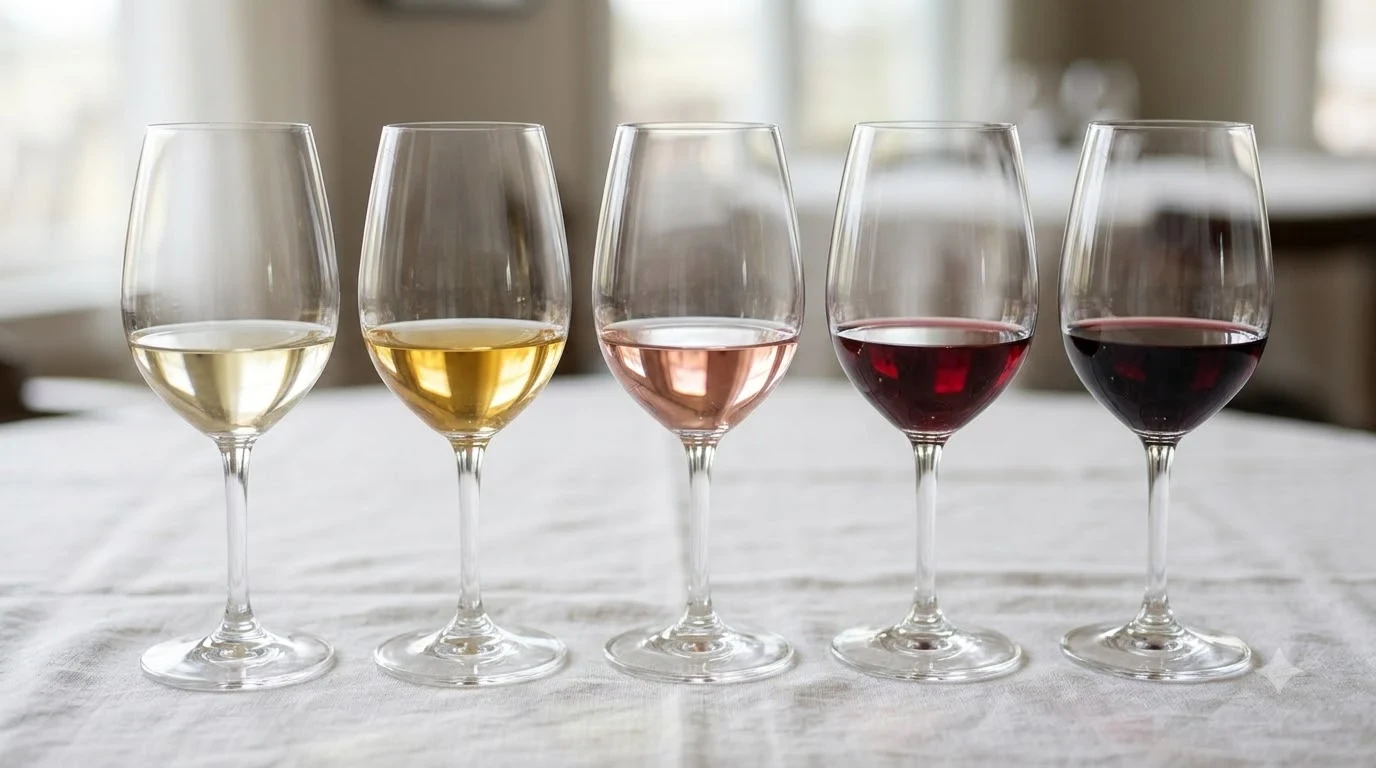
When deciding what wine goes with italian food, match the wine’s acidity and body to the sauce rather than the pasta or protein itself. High-acid reds like Chianti Classico (Sangiovese) and Barbera cut through bright tomato sauces, while crisp whites like Pinot Grigio, Soave, and Vermentino balance seafood, pesto, and olive oil dishes. For slow-braised meats, aged cheeses, and mushroom risottos, structured reds such as Barolo or Brunello di Montalcino provide the necessary tannic backbone.
Italian cooking spans twenty distinct regions, moving from butter-and-truffle dishes in the Alpine north to citrus-bright seafood and olive oil plates along the southern coast. Because regional wines evolved alongside local ingredients over centuries, choosing a bottle becomes straightforward once you focus on sauce weight, fat content, and acidity. Following a few core pairing habits prevents heavy tannins from clashing with tomatoes and keeps delicate shellfish from disappearing behind an oaky glass.
Core Rules for Pairing Wine with Italian Cuisine
Successful Italian wine pairing relies on three practical principles: matching weight to weight, countering acid with acid, and balancing rich fats with bubbles or tannin. Following regional traditions—pairing food and wine grown in the same Italian province—provides a reliable shortcut whenever a menu feels overwhelming.

As Wine Folly’s guide to pairing wine with pasta points out, the sauce dictates the bottle far more than the shape of the noodle. Tomato-based sauces carry sharp natural acidity that makes low-acid, heavily oaked reds taste flat or metallic. High-acid Italian grapes like Sangiovese, Barbera, and Montepulciano match that brightness sip for sip, keeping the fruit flavors lively on your palate. If you enjoy exploring broader Mediterranean tables, similar acid-driven logic applies when choosing the best wine with greek food.
Fat and salt call for a different structural response depending on the dish. Creamy Alfredo sauces, fried arancini, and cured salumi coat the palate, requiring either brisk white wine acidity or sparkling carbonation like Prosecco and Lambrusco to scrub the tongue clean. Conversely, juicy red meats such as Bistecca alla Fiorentina or slow-simmered beef ragù contain proteins that soften grippy tannins, allowing full-bodied reds like Nebbiolo and Aglianico to feel smooth rather than astringent.
Tomato-Based Sauces and Classic Red Pizza
Red sauces—from simple marinara and pizza Margherita to hearty meat ragù—need medium-bodied red wines with high natural acidity and moderate tannins. Sangiovese-based bottles like Chianti Classico and Rosso di Montalcino are the gold standard, while Barbera and Montepulciano d’Abruzzo offer softer, fruit-forward alternatives.
A classic pizza Margherita pairs fresh mozzarella, sweet basil, and crushed San Marzano tomatoes, calling for a wine that refreshes without overpowering the delicate cheese. Reviewers at Wine Folly note that a pure Barbera d’Alba mirrors the freshness of Margherita pizza while offering a crisp backbone of acidity to handle the tomato sauce. If you add spicy pepperoni or fennel sausage, step up to a slightly richer red with savory spice, such as a Montepulciano d’Abruzzo, a southern Italian Primitivo, or a ripe grenache food pairing that echoes the cured meat’s warmth.
Slow-cooked ragù alla Bolognese or baked lasagna introduces beef, pork, and melted béchamel into the tomato base, shifting the weight from light to rich. Here, a Chianti Classico Riserva or a Lagrein from Alto Adige delivers enough structure to stand beside the meat while maintaining the tart cherry acidity needed to cut through the dairy. Avoid heavily oaked Cabernet Sauvignon with red sauce, as wood tannins and tomato acid amplify bitterness.
Cream, Cheese, and Butter-Driven Pasta Dishes
Rich white sauces like Fettuccine Alfredo, Cacio e Pepe, and Carbonara thrive alongside high-acid, mineral-driven white wines or light, low-tannin reds. Bottles such as Soave Classico, Verdicchio dei Castelli di Jesi, and Frascati Superiore cut cleanly through egg yolk, pecorino, and guanciale without adding heavy oak.
Roman classics like Cacio e Pepe and Carbonara pack intense saltiness from aged Pecorino Romano and rich pork fat from cured guanciale. Pairing them with an overly heavy red wine often creates a clash between salt and tannin, whereas a crisp central Italian white like Verdicchio or Frascati refreshes the palate between bites. For a red option with Carbonara, choose a bright, unoaked Barbera or a light-bodied Pinot Nero from northern Italy, both of which keep tannins low and acidity brisk.
Cream-based dishes and baked four-cheese pastas (Quattro Formaggi) welcome slightly rounder white wines that still retain vibrant freshness. A Garganega-based Soave Classico or an unoaked Chardonnay from Collio brings subtle almond and orchard fruit notes that complement melted Parmigiano-Reggiano and fontina. If you prefer crisp, versatile whites outside Italy, an off-dry or dry chenin blanc food pairing offers the exact balance of orchard fruit and mouthwatering acidity that creamy pasta demands.
Seafood, Pesto, and Vegetable-Forward Plates
Coastal Italian seafood dishes, herb-packed pesto, and vegetable antipasti pair best with crisp, aromatic white wines that highlight salinity and citrus. Look for Vermentino, Pinot Grigio from Friuli, Gavi, or Fiano di Avellino to complement clams, grilled branzino, and basil sauces.
Ligurian Trenette al Pesto combines fresh basil, pine nuts, garlic, olive oil, and aged cheese, creating an herbal richness that clashes with red wine tannins. Local Gavi di Gavi (made from the Cortese grape) or a mineral-driven Vermentino from Sardinia or Liguria mirrors the green, herbal aromatics while washing away the richness of the olive oil. Similarly, smoky Fiano di Avellino from Campania brings lemon zest and toasted hazelnut notes that complement kale or basil pestos.
When serving Linguine alle Vongole (clam linguine), fried calamari, or grilled Mediterranean sea bass, salinity and citrus drive the match. Pinot Grigio from Friuli-Venezia Giulia, Sicilian Grillo, and Etna Bianco offer brisk acidity and a subtle salty finish that amplify shellfish sweetness. If a seafood stew like Tuscan Cacciucco includes tomatoes and chili flakes, pivot to a chilled Italian rosato (such as Cerasuolo d’Abruzzo) or a light, young Sangiovese served slightly cool.
Hearty Braised Meats, Truffles, and Aged Cheeses
Hearty secondi courses—including braised short ribs, osso buco, grilled steak, and wild mushroom risottos—require full-bodied, structured red wines with firm tannins and earthy complexity. Barolo, Barbaresco, Brunello di Montalcino, and Amarone della Valpolicella are built for these rich, savory flavors.
Piedmont’s Nebbiolo grape, showcased in Barolo and Barbaresco, develops complex aromas of dried rose petals, leather, and forest floor that mirror shaved white truffles and porcini mushrooms. According to Wine Folly’s grape profile on Nebbiolo, these wines carry high tannins and medium-high acidity with 13.5% to 15% ABV, making them ideal partners for slow-braised meats like Brasato al Barolo. In Tuscany, Brunello di Montalcino offers dense dark cherry and savory herb notes that stand up to a thick-cut Bistecca alla Fiorentina.
For dramatic richness, Amarone della Valpolicella—made in Veneto from partially dried Corvina grapes—delivers concentrated dried-fig, dark chocolate, and spice flavors suited to venison, duck ragù, or aged Parmigiano-Reggiano. If you want an approachable, everyday pairing for cured meats and hard cheeses before dinner, dry sparkling Lambrusco di Sorbara from Emilia-Romagna cuts through prosciutto fat and salty cheese crystals with lively red-berry bubbles.
Quick Reference Guide to Italian Food and Wine Pairings
Use this comparison table to match common Italian dishes with their classic regional wine styles and key flavor profiles. Keeping these core pairings handy simplifies ordering at a trattoria or picking a bottle for dinner at home.
| Italian Dish | Recommended Wine | Grape / Style | Why It Works |
|---|---|---|---|
| Spaghetti al Pomodoro | Chianti Classico | Sangiovese (Medium Red) | High acidity matches bright tomato tang without tasting flat |
| Fettuccine Alfredo | Soave Classico | Garganega (Crisp White) | Almond minerality and brisk acid cut through heavy cream |
| Linguine alle Vongole | Vermentino or Pinot Grigio | Light, Dry White | Citrus and saline notes highlight delicate clam sweetness |
| Trofie al Pesto | Gavi di Gavi or Fiano | Cortese / Fiano (White) | Herbal and nutty aromas mirror basil and toasted pine nuts |
| Bistecca alla Fiorentina | Brunello di Montalcino | Sangiovese (Full Red) | Firm tannins and dark fruit balance charred beef fat |
| Porcini Mushroom Risotto | Barolo or Barbaresco | Nebbiolo (Structured Red) | Earthy, floral aromatics amplify umami-rich mushrooms |
| Prosciutto and Parmigiano | Lambrusco di Sorbara | Sparkling Dry Red | Lively bubbles and tart berry acid cleanse cured fat and salt |
When browsing a wine shop or restaurant list, keep serving temperatures in mind so these pairings perform at their best. Serve light whites and sparkling wines like Prosecco or Lambrusco well chilled at 38–45°F, fuller whites like Fiano or Soave at 44–55°F, and structured reds like Chianti Classico or Brunello at 60–68°F.
Tip: If you are serving multiple Italian courses family-style on one table, open a dry sparkling Franciacorta or a medium-bodied Barbera d’Asti—both offer enough bright acidity to bridge appetizers, red pasta, and roasted meats without clashing.
Frequently Asked Questions
What is the single most versatile wine to serve with an Italian dinner?
A medium-bodied Barbera d’Asti or Chianti Classico is the most versatile bottle for a multi-course Italian meal. Both wines feature high natural acidity and low-to-moderate tannins, allowing them to pair smoothly with tomato pasta, pizza, cured meats, and grilled chicken without overwhelming lighter dishes.
Can you drink white wine with red tomato sauce?
Yes, provided the white wine has crisp, high acidity and zero heavy oak aging. Full-flavored whites like Etna Bianco, Verdicchio, or a dry Italian rosato hold up well against fresh marinara or tomato-seafood stews, whereas buttery, oaked Chardonnay will clash with the tomatoes’ sharpness.
What wine pairs best with Italian desserts like tiramisu or cannoli?
Match dessert sweetness with an equally sweet Italian wine so the bottle never tastes sour or thin. Vin Santo from Tuscany pairs wonderfully with almond cantucci, lightly sparkling Moscato d’Asti complements fruit tarts and cannoli, and sweet Marsala or Recioto della Valpolicella stands up to coffee-and-cocoa tiramisu.
Why do heavy Cabernet Sauvignons sometimes taste metallic with Italian food?
Heavy, heavily oaked Cabernet Sauvignons often combine high tannins with lower acidity, which clashes with the sharp acid in Italian tomato sauces and balsamic glazes. This chemical interaction accentuates astringency on the palate, making high-acid native Italian grapes like Sangiovese or Nebbiolo far smoother choices.
Mastering Italian food and wine pairing comes down to paying attention to the sauce in the pan rather than rigid rules about red versus white. Start with a high-acid Sangiovese for red sauces, reach for crisp mineral whites with seafood and pesto, and save structured Nebbiolo for rich meats and mushrooms. For more everyday strategies on balancing acidity, salt, and weight across any menu, explore our complete guide to Wine Pairing.
More in Food & Wine Pairing
 Risotto With White Wine Recipe: Make a Creamy Dinner at HomeUpdated Nov 20, 2026
 Wassail With Wine Recipe for a Festive Spiced Holiday DrinkUpdated Nov 20, 2026
 Spritz Veneziano Recipe: Make a Classic Venetian Aperitivo at HomeUpdated Nov 20, 2026
 Summer Wine Punch Recipe for Easy Homemade EntertainingUpdated Nov 20, 2026
 Bishop Recipe: How to Make a Bright, Citrus-Forward Red Wine CocktailUpdated Nov 20, 2026
 Wine Cupcakes Recipe: Bake Rich Chocolate Cupcakes at HomeUpdated Nov 20, 2026