

We may earn a commission when you buy through links on this page, at no extra cost to you. Learn more.
New York wine is made in a surprisingly varied set of regions, from the Finger Lakes and Long Island to the Hudson Valley and the Lake Erie shore. The state is known for Riesling, Cabernet Franc and Chardonnay from its best vinifera sites, and for Concord and Catawba in its older vineyards. New York ranks among the top U.S. wine producers, and its cool climates give many wines bright acidity.
If you have seen a bottle from the Finger Lakes on a shelf or a wine list and wondered how it compares to Napa or Bordeaux, this guide explains the state’s regions, grapes and history in plain terms. New York wine offers a different experience from the warmer parts of the country, and knowing what to look for helps you choose and enjoy it.
The Long History Behind New York Wine
New York’s winemaking tradition goes back further than most people expect. According to a summary of New York wine on Wikipedia, Dutch and Huguenot settlers planted vines in the Hudson Valley in the 17th century, and commercial production began in the 19th century. The first commercial Hudson Valley vineyard and winery was established in 1827 at Croton Point.
The modern era took shape after the 1976 New York Farm Winery Act, which encouraged small family-run wineries. Research at Cornell’s Geneva Experiment Station, and the work of Konstantin Frank, helped show that European vinifera grapes could survive the state’s cold winters. That research is one reason Riesling and Cabernet Franc are now signature grapes in New York, and it is why the state’s wine industry looks so different from a few decades ago.
The Main Wine Regions of New York
New York has several American Viticultural Areas, and each one has its own character. The Finger Lakes is the state’s best-known region, with its vineyards arranged around deep glacial lakes that moderate the climate. The Long Island AVA is a separate wine region on the Atlantic coast, with sandy soils and a longer growing season. The Hudson River Region, with the Upper Hudson and Hudson River sub-areas, is one of the oldest wine areas in the state.
The state also includes the Champlain Valley, the Lake Erie region, and the Niagara Escarpment. The New York Wine and Grape Foundation lists these regions on its AVA page, which is a good place to see the full map. Each region draws on different soils, lake effects and growing seasons, so a bottle’s region is one of the best clues to its style.
| Region | Known for | Typical styles |
|---|---|---|
| Finger Lakes | Lake-moderated slopes, glacial soils | Riesling, Cabernet Franc, lean Chardonnay |
| Long Island | Sandy soils, long growing season | Bordeaux-style reds, Merlot blends |
| Hudson River Region | Oldest wine area in the state | Hybrids and cool-climate whites |
| Lake Erie and Niagara | Lakeshore and escarpment sites | Concord, Niagara and fresh whites |
Growing season length explains much of the difference between regions. According to the Wikipedia summary, the Finger Lakes growing season runs roughly 180 to 200 days, and Seneca and Cayuga Lakes help moderate the climate. Long Island’s season extends to around 220 days, with higher humidity and more fall rain than the Finger Lakes. Longer seasons generally give growers more time to ripen red grapes such as Cabernet Franc and Merlot, which is one reason Long Island is known for Bordeaux-style blends.
Grapes and Wine Styles to Know
Concord covers most of the state’s vineyard area, and it is the grape behind many familiar sweet and juice-style wines. Catawba and Niagara are other important American hybrid and native varieties. These grapes are part of the state’s identity, and they are often the best choice for fruit-forward wines and sweeter styles.
The vinifera grapes get most of the attention from serious wine drinkers. Riesling is described as one of the state’s most consistent and highest-quality wines, and it ranges from dry to off-dry. Cabernet Franc has become a signature red in the cooler vineyards, and Chardonnay from the Finger Lakes is often leaner than the richer, oakier styles from warmer states. Vinifera wines still make up a small share of total production, so bottles from good vinifera sites are worth seeking out.
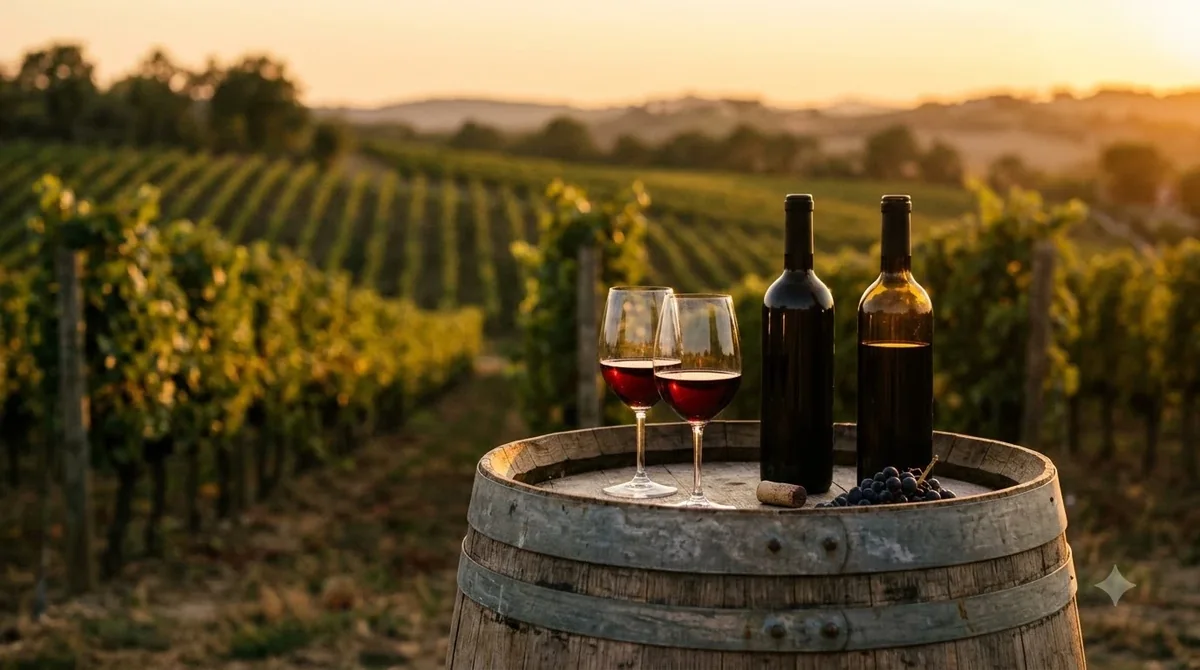
Tip: When you see a dry Finger Lakes Riesling, expect a clean, citrus-leaning white with a crisp finish. It is one of the easiest ways to understand what cool-climate New York wine tastes like.
Serving and Pairing New York Wine
New York whites are best served well chilled, especially the Rieslings and lighter Chardonnays, because the cool temperature keeps the wine fresh. Reds such as Cabernet Franc taste best at a cool room temperature, and a short rest in the refrigerator before serving can help bring out their fruit. Keep sweeter Concord or Catawba wines cold, since their sugar and aroma stand out more when chilled.
Pairing is flexible. Dry Riesling works well with pork, shellfish, spicy Asian dishes and rich cheeses. Cabernet Franc goes with roasted vegetables, grilled sausages and mushrooms, and Long Island Bordeaux-style blends suit steak and hearty stews. Sweeter Concord wines pair naturally with desserts, while a lean Finger Lakes Chardonnay is a good match for roast chicken or fish.
Choosing a Bottle with Confidence
New York labels can look complicated at first, but a few details help. The grape name tells you the flavor family, and the AVA tells you the place. Words such as “dry” or “off-dry” give a direct sense of sweetness, and many wineries describe the style on the back label or the shelf tag. If you are shopping for a gift, a dry Riesling or a lean Finger Lakes Chardonnay is a safe choice, since most people find those styles approachable.
For reds, look for Cabernet Franc or a Long Island blend if you enjoy structured wines with a savory edge. Vintage matters in a cool climate, because weather in a given year can shift the balance between fruit and acidity. A good shop will be able to tell you which years are most recent and how the wine is likely to taste.
Buying and Visiting New York Wineries
New York wine is widely available in its home state and in many other markets, but the best way to explore it is to visit. The Finger Lakes has a well-known wine trail along its lakes, and Long Island’s North Fork and other areas have numerous tasting rooms. Many wineries offer tours, cellar visits and tastings by appointment, so checking each winery’s hours before you travel is a good idea.
When buying at home, look at the AVA name on the label. A wine from the Finger Lakes will taste different from one from Long Island, even if both are Riesling or Chardonnay. If you are curious about how other eastern states compare, the New Jersey vineyards guide covers another cool-climate East Coast region, and the wine regions guide gives a wider view of American appellations.
Frequently Asked Questions
What is New York best known for in wine?
New York is best known for cool-climate Riesling, Cabernet Franc and Chardonnay from the Finger Lakes and Long Island, along with Concord and Catawba in its older vineyards. The state has more than 400 wineries according to the figures cited on Wikipedia.
What is the difference between Finger Lakes and Long Island wine?
The Finger Lakes is a region of lake-moderated slopes and glacial soils, known for Riesling and cool-climate reds and whites. Long Island sits on the Atlantic coast with sandy soils and a longer growing season, and it is known for Bordeaux-style reds.
Is New York wine sweet?
Not always. Many New York wineries make dry Rieslings, Cabernet Francs and Chardonnays, alongside sweeter styles made from Concord and Catawba. Check the label or ask at a tasting room to find the sweetness level you prefer.
Which New York grape should I try first?
Start with a dry Finger Lakes Riesling. It shows the state’s cool climate clearly and pairs well with many foods. Once you know that style, try a Cabernet Franc to see how the state’s red wines compare.
New York wine rewards anyone willing to try a few regions. Begin with a dry Riesling, compare it with a Long Island red, and note how the AVA changes the style. The state’s cool climates and varied geography make it one of the most interesting wine places in the country to explore, and the wine regions guide is a helpful next step.
More in Wine Regions
 Willcox Wine Trail: Discover Arizona’s High-Elevation Wine CountryUpdated Nov 20, 2026
 Yakima Valley Wine Region: Find the Best Styles to TryUpdated Nov 20, 2026
 Vosne Romanee Wine Tasting: Identify Aromas and Choose Better PairingsUpdated Nov 20, 2026
 Yakima Valley Wine Festival: Find the Best Seasonal Wine EventsUpdated Nov 20, 2026
 Wales Vineyards: Discover Cool-Climate Wines and Where to VisitUpdated Nov 20, 2026
 Yountville Wine Festival: Discover Napa Wines and Local FoodUpdated Nov 20, 2026