

We may earn a commission when you buy through links on this page, at no extra cost to you. Learn more.
What is chardonnay? It is a white wine made from the chardonnay grape, one of the most widely planted grapes in the world, and it ranges from lean and crisp to rich and creamy depending on how it is made. The grape originated in Burgundy, France, and it is now grown in nearly every winemaking country. Because the style depends so heavily on climate and oak, two chardonnays can taste almost nothing alike.
Chardonnay is probably the most familiar white wine on restaurant lists and grocery shelves, yet many people are not sure what to expect from a given bottle. Some chardonnays taste sharp and mineral, while others taste buttery and tropical. This guide explains where the grape comes from, what its main flavors are, how winemaking changes the style, and how to serve and pair it well.
Where chardonnay comes from
Chardonnay is grown across a huge range of climates, but its story starts in Burgundy. According to Wine Folly’s chardonnay guide, the grape originated in Burgundy and is also known as Morillon. The name is pronounced “shar-duh-nay,” which is worth knowing if you ever need to order it in a restaurant.
Because the vine adapts to many conditions, chardonnay appears in almost every wine-producing country. That wide reach is part of the reason the wine has so many styles. A chardonnay from one valley can taste entirely different from a chardonnay from another, even when both are made by skilled producers using similar methods.
Main flavors and alcohol level
The primary flavors most people associate with chardonnay are lemon, yellow apple, butter, vanilla, and pineapple. Lean, unoaked styles lean toward the fruit, with bright acidity and a crisp finish. Oaked and richer styles pick up creamy, buttery, and toasty notes that make them feel fuller in the mouth.
Alcohol typically falls between 12 and 15% by volume. Leaner styles often sit around 12 to 13.5%, while richer wines can reach 14.5 to 15%. The higher end of that range tends to come from warm regions, where the grapes ripen more fully. If you prefer a lighter glass, look for a bottle from a cooler area and a lower alcohol number on the label. Readers who track their intake will also find useful numbers in the calories in chardonnay guide.
The simplest way to sort chardonnay is by weight. Light, crisp styles feel like a refreshing glass of white wine. Full, creamy styles feel closer to a dessert course without the sugar. Most people find their own preference after tasting a few of each.
How climate shapes the wine
Climate has a major effect on chardonnay. Cool regions produce wines with sharper acidity and more restrained fruit, while warm regions tend to yield riper, more generous wines. Wine Folly describes the contrast between the two directly, and the examples are a useful guide when you shop.
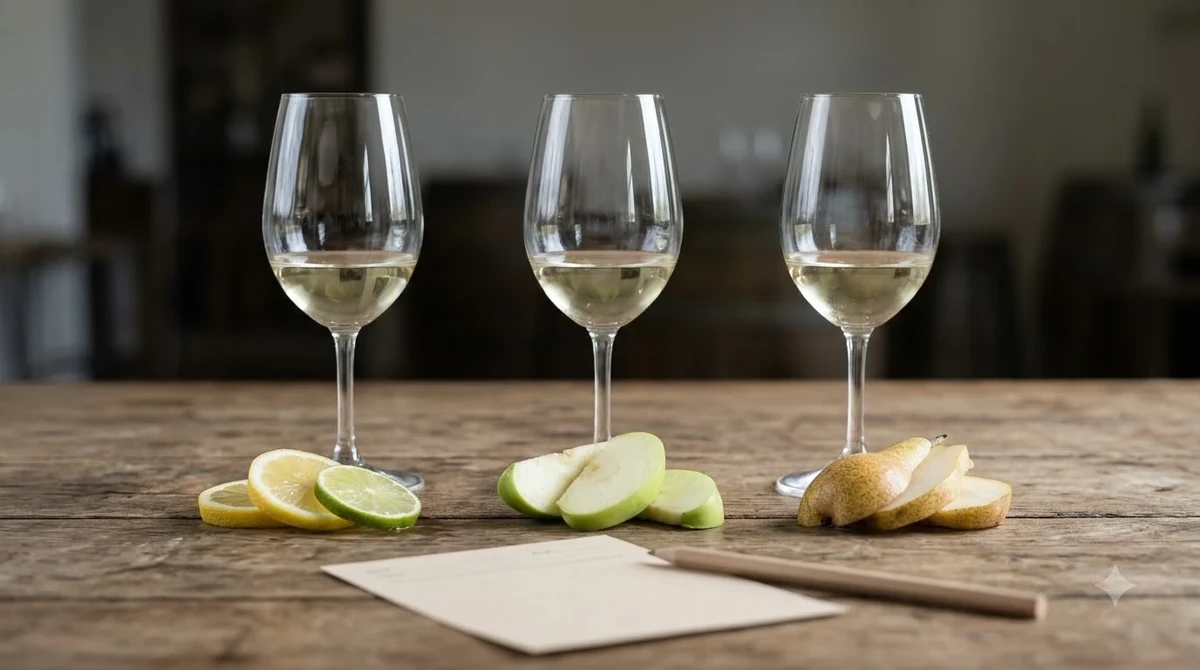
In Chablis, a cool-climate district in Burgundy, chardonnay is lean and mineral-driven, with tart green apple, lemon, and a note of oyster shell. The Sonoma Coast in California shows a similar cool-climate character, with bright citrus, apple, and pear and a fine mineral streak. These wines are often the choice for anyone who wants a crisp, clean chardonnay.
Warm-climate chardonnay is different. The Côte d’Or wines of Burgundy are fuller and more opulent, and Napa Valley chardonnay often leans toward richer stone fruit and tropical tones. These styles fit people who prefer a round, generous white. Neither style is better overall. They simply offer different experiences, and the climate on the label gives you a clue about what is inside.
How oak and winemaking change the taste
Winemaking is where chardonnay gets much of its personality. Oak aging adds flavors of vanilla, spice, and toast, and the exact effect depends on the barrel size, the type of oak, the level of toasting, and how long the wine stays in the barrel. A wine aged in new French oak will taste very different from one aged in older barrels or in steel.
Malolactic fermentation is another key step. During this process, the sharp malic acid in the wine converts into softer lactic acid. The change makes the wine feel creamier and gives it buttery aromas, which is why many richer chardonnays taste rounder than their grapes would suggest on their own.
Some producers also stir the lees, the spent yeast that settles at the bottom of the tank or barrel, a technique called bâtonnage. According to Wine Folly, this can add brioche, dough, or biscuit flavors. If you see a chardonnay described as yeasty or toasty, the lees work may be part of the reason.
How to serve chardonnay
Serving temperature matters a lot with chardonnay. Our guide on whether chardonnay should be chilled covers the basics, and Wine Folly gives a general range of 45 to 55°F, or 7 to 12°C, and it gives more specific ranges for different styles. Sparkling chardonnay is best at about 38 to 45°F, or 3 to 7°C. Leaner styles such as Chablis are best around 45°F, or 7°C, and oaked styles are often served closer to 55°F, or 12°C.
The glass also makes a difference. A white wine glass with a moderate bowl lets you smell the aromas without letting the wine warm too quickly. Richer, oaked chardonnay can handle a slightly larger bowl, while a lean, crisp bottle shows best in a smaller glass.
Tip: If a bottle feels too cold, the fruit and butter notes can seem muted. Let it sit for a few minutes before pouring and taste again. You may find the flavors open up.
Food pairings for every style
Pairing chardonnay starts with the style. Lean, unoaked bottles go well with shellfish, especially oysters, and with sushi, sautéed fish, and pâté. A lean chardonnay also works with lighter dishes such as Chicken Piccata or vegetable risotto, and it is a good choice with moules frites. The wine’s acidity cuts through the richness of these foods and keeps the meal feeling fresh.
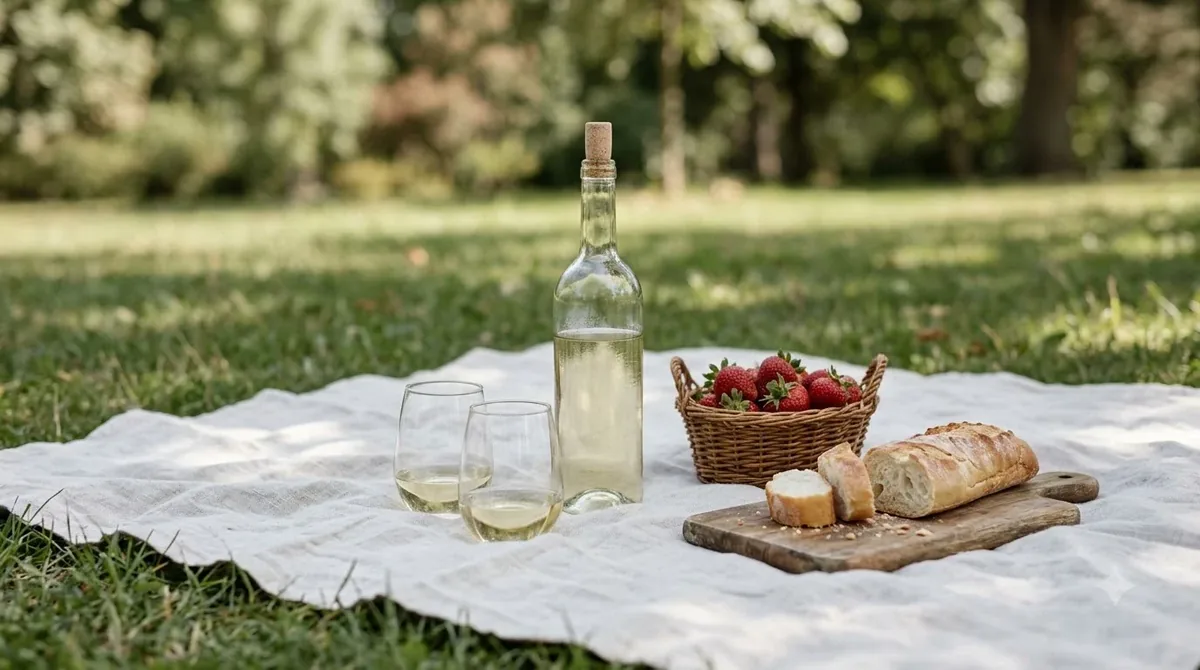
Oaked chardonnay can handle heavier flavors. Crab cakes, linguini with clams, and halibut are classic matches, and pork tenderloin with apples brings out the wine’s fruit and toasty character. The buttery side of the wine pairs well with rich seafood and creamy sauces.
For vegetarian meals, rich or starchy vegetables are a strong choice. Corn, pumpkin, and squash all suit a full-bodied chardonnay, and mushrooms work well too. The wine’s roundness matches the sweetness of roasted vegetables, which is why a creamy chardonnay can make a simple autumn dinner feel special.
Choosing a bottle
When you shop, start with the style you want. If you like crisp whites, look for lean chardonnay from a cool region and check for little or no oak. If you prefer a creamy, rich glass, look for oak aging and a warmer region on the label. Reading the alcohol level is another quick way to estimate the body of the wine.
Price is not always a guide to quality with chardonnay. A well-made inexpensive bottle can be a better match for your taste than an expensive one, so trust your own preference after a few tastings. Keep notes about what you liked, and use them to narrow your choices next time.
Frequently Asked Questions
What is chardonnay made from?
Chardonnay is made from the chardonnay grape, a green-skinned white variety that originated in Burgundy, France. It is also known as Morillon, and it is grown in most winemaking countries.
Is chardonnay sweet or dry?
Most chardonnay is dry. Its perceived richness comes from ripe fruit, oak aging, and malolactic fermentation rather than from sugar, so the wine usually tastes creamy instead of sweet.
Should chardonnay be chilled?
Yes, but the ideal temperature depends on the style. A general range of 45 to 55°F, or 7 to 12°C, works for most bottles, with sparkling chardonnay served colder and oaked styles served a little warmer.
What food goes best with chardonnay?
Lean chardonnay pairs well with oysters, sushi, and light fish dishes. Oaked chardonnay suits crab, halibut, and creamy pasta, while full-bodied styles go well with roasted vegetables such as squash and corn.
Chardonnay is one of the most versatile white wines because its style can be shaped by climate, oak, and winemaking. Once you know whether you prefer a crisp, mineral glass or a rich, buttery one, choosing a bottle becomes much easier. For a broader look at the main white and red styles, the Wine by Type guide is a good next stop.
More in Wine Types & Grapes
 Zinfandel Sugar Content: Dry Red vs. White Zinfandel GramsUpdated Nov 21, 2026
 Best Zinfandel Substitute Options for Sipping and CookingUpdated Nov 21, 2026
 Zweigelt Food Pairing: Best Dishes, Cheeses, and Serving TipsUpdated Nov 21, 2026
 Zinfandel Tannins Explained: How Structure Shapes Every BottleUpdated Nov 21, 2026
 Zinfandel Sweetness Level: Dry Red vs. Sweet White Zin ExplainedUpdated Nov 21, 2026
 Xinomavro Food Pairing: Best Dishes, Styles, and Serving TipsUpdated Nov 21, 2026