

We may earn a commission when you buy through links on this page, at no extra cost to you. Learn more.
Calories in Chardonnay come mainly from alcohol, with residual sugar adding a smaller share in most dry styles. Wine Folly gives Chardonnay an alcohol range of 12 to 15 percent ABV and lists it as a dry wine. Because alcohol carries about seven calories per gram, a richer, higher-alcohol Chardonnay usually has more calories than a lean, crisp one. The exact total for your glass depends on the bottle’s strength and how much you pour.
Many people who count calories still want to enjoy a glass of Chardonnay with dinner. The question is less about the grape itself and more about how the wine is made. This guide explains where the calories in Chardonnay come from, how oak and style change the numbers, and what practical steps help you keep your glass in line with your goals.
Where the calories in Chardonnay come from
Wine gets its calories from two sources: alcohol and sugar that remains after fermentation. According to Wine Folly’s calorie guide, alcohol has seven calories per gram, while carbohydrates from sugar have four. Most dry wines contain very little sugar, so for a dry Chardonnay the alcohol is usually the bigger contributor to the total.
That is why strength matters so much. A Chardonnay at 12 percent ABV carries less alcohol than one at 14.5 or 15 percent, and the difference adds up over a full glass. Wine Folly notes that dry wines at 15 percent alcohol come to about 175 calories in a six-ounce pour, which gives a useful reference point for richer, warmer-climate bottles.
How style changes the number
Chardonnay is made in many styles, and the winemaking choices behind each one shift the calorie count. Wine Folly describes lean, unoaked Chardonnays as typically crisp, with high acidity and a body that feels lighter. Those bottles usually sit at the lower end of the alcohol range, which keeps the calories modest.
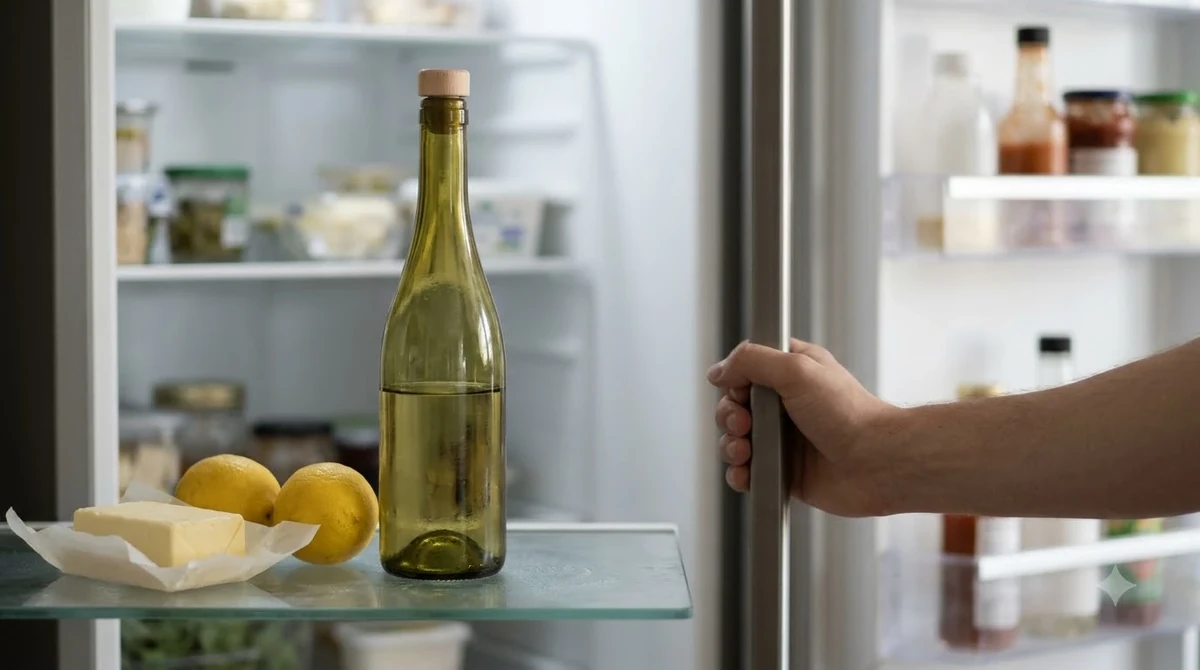
Oaked Chardonnays tend to feel richer and rounder. Wine Folly says they often show a fuller body and a creamy mouthfeel. Riper fruit can mean more alcohol, so an oaked bottle can carry more calories than a crisp one from the same region, even though both are dry.
Calories in Chardonnay compared with other white wines
When you compare styles, look at the full profile rather than the grape name alone. Wine Folly lists Chardonnay as a medium-bodied dry wine with medium acidity and no tannins. That places it in the same general calorie band as other dry white wines, with the final number driven by strength and portion size.
Sweet wines are a different story. Wine Folly points out that sweet wines typically carry between 20 and 150 grams of residual sugar per liter, while dry wines stay under 3 grams per liter. Dessert wines and late-harvest bottles can therefore run noticeably higher in calories than a dry Chardonnay, even when their alcohol is similar.
| Factor | Effect on calories |
|---|---|
| Alcohol content (12 to 15 percent ABV) | Higher alcohol means more calories |
| Residual sugar in dry styles | Usually small, under 3 grams per liter |
| Oak and ripeness | Richer styles often come from riper fruit and higher alcohol |
| Sweet late-harvest styles | More sugar, so generally more calories |
| Pour size | Bigger glasses mean more total calories |
How to keep your Chardonnay glass in check
The simplest step is to read the alcohol percentage on the label. Lean Chardonnays from cooler regions often list lower numbers, and they can be a good match for a weeknight meal. If you prefer a richer style, enjoy it in a smaller pour rather than cutting out the wine entirely.
Serving temperature can also help you enjoy a smaller glass. Wine Folly recommends serving Chardonnay at 45 to 55°F (7 to 12°C), and a properly chilled glass tends to taste brighter and more refreshing. When the wine tastes fresh, many people find they sip more slowly and savor each glass.
Food also changes how a glass feels. A Chardonnay served with a meal tends to be sipped more slowly than one poured before dinner, and a plate of grilled fish, roasted vegetables, or a simple salad gives the wine a role beyond being the whole event. Many people find that a glass with food is easier to stop at a comfortable pour.
Pour size is the other half of the equation, and it is the one you control most directly. Use the same glass each time, so you can see how full it is, and pour before you sit down rather than topping up while you talk. Keeping a bottle out of reach at the table is a simple habit that often makes the biggest difference over an evening.
Choosing a lighter Chardonnay
If your main goal is fewer calories, start with unoaked or lightly oaked Chardonnay. Wine Folly describes unoaked styles as lean and crisp with high acidity, which usually points to a lower alcohol level. Chablis-style bottles are often cited as a leaner option, and Wine Folly notes that they are best served cooler.
Sparkling Chardonnay is another option to consider. Wine Folly recommends serving sparkling Chardonnay at 38 to 45°F (3 to 7°C). Bubbles themselves add no calories, so the total still depends on the liquid, but a dry sparkling style can be a festive choice for a smaller pour. For a related comparison, see calories in Champagne, which covers how sweetness levels in sparkling wine change the numbers.
Keep in mind that calorie labels on wine are not standardized, so an estimate is only a starting point. Two bottles labeled as Chardonnay can differ in alcohol by several percentage points, and that gap changes the total more than the grape name does. Read the label, measure your pour, and let the style guide your choice.
Think about the whole evening, not just one glass. If you plan to enjoy wine at a dinner party, you might choose a lighter white for the first round and save a richer, oaked bottle for a later course. Alternating each glass of wine with a glass of water also slows the pace and keeps the night relaxed. Drink responsibly, know your limits, and plan your ride home ahead of time.
Frequently Asked Questions
Does Chardonnay have more calories than other white wines?
Not always. Dry Chardonnay usually has little residual sugar, so its calories come mainly from alcohol. A higher-alcohol Chardonnay can have more calories than a lighter white with lower strength.
Does oaked Chardonnay have more calories?
It can. Oaked Chardonnays often come from riper fruit and higher alcohol, which raises the calorie count. Lean, unoaked styles usually sit at the lower end of the range.
How many calories are in a glass of wine?
Wine Folly gives a general range of 92 to 300 calories per serving across wine styles. Dry wine at 15 percent alcohol comes to about 175 calories in a six-ounce pour.
Are sparkling Chardonnay bubbles lower in calories?
The bubbles are carbon dioxide, which has no caloric value. The calories come from the alcohol and any sugar in the liquid, so a dry sparkling style is generally lighter than a sweet one.
Chardonnay can fit comfortably into a balanced routine when you know what drives the numbers. Alcohol strength and pour size matter most, followed by sweetness. For more on the grape itself, read what is Chardonnay, compare totals in calories in white wine, or browse the Wine by Type section. The Wine Folly calorie guide explains the math behind these numbers in more detail.
More in Wine Types & Grapes
 Zinfandel Sugar Content: Dry Red vs. White Zinfandel GramsUpdated Nov 21, 2026
 Best Zinfandel Substitute Options for Sipping and CookingUpdated Nov 21, 2026
 Zweigelt Food Pairing: Best Dishes, Cheeses, and Serving TipsUpdated Nov 21, 2026
 Zinfandel Tannins Explained: How Structure Shapes Every BottleUpdated Nov 21, 2026
 Zinfandel Sweetness Level: Dry Red vs. Sweet White Zin ExplainedUpdated Nov 21, 2026
 Xinomavro Food Pairing: Best Dishes, Styles, and Serving TipsUpdated Nov 21, 2026