

We may earn a commission when you buy through links on this page, at no extra cost to you. Learn more.
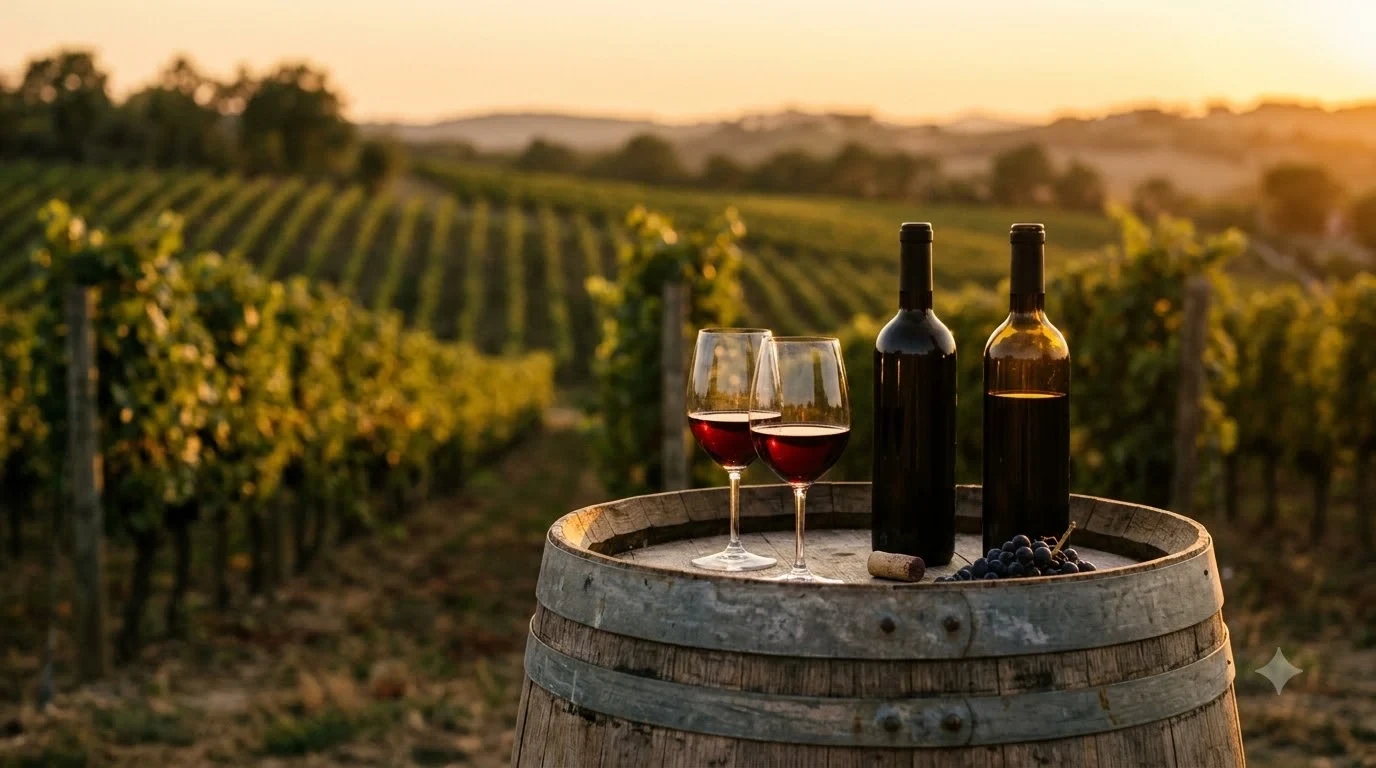
Spottswoode wine is made at a family estate in St. Helena, in the Napa Valley, and the winery is known mainly for its Cabernet Sauvignon and Sauvignon Blanc. According to the winery, the estate has a history dating to 1882 and has been owned by the Novak family since 1972. This guide explains who makes the wine, what the main bottles are, how to serve them, and what to pair them with.
Napa Valley produces a long list of prestige bottles, and it can be hard to know which estates matter beyond the label. Spottswoode is one of the names collectors and restaurant buyers mention often, and it helps to understand the estate behind the bottle before you decide whether it fits your table.
Who makes Spottswoode wine
The wine comes from Spottswoode Estate Vineyard and Winery, located at 1902 Madrona Avenue in St. Helena, California. The winery’s own website places the estate in Napa Valley and does not name a more specific sub-region.
The family has grown grapes on the estate since 1972 and has made its own wine since 1982, according to the winery. That separation between growing and winemaking matters, because it shows the family has worked the vineyard for decades before putting its name on a bottle.
The main wines and what they are made from
The winery’s website names Cabernet Sauvignon and Sauvignon Blanc as its core grape varieties. Its lineup includes an Estate Cabernet Sauvignon and a Lyndenhurst Cabernet Sauvignon, along with an Estate Sauvignon Blanc that the site lists as an allocation wine. Several single-vineyard bottlings also appear in limited quantities.
Because the winery’s site lists some bottlings only by allocation, availability can vary from year to year. Check the current release list before planning a purchase around a specific label.
| Wine style | Grape | What to expect |
|---|---|---|
| Estate Cabernet Sauvignon | Cabernet Sauvignon | Full-bodied red with dark fruit and structure |
| Lyndenhurst Cabernet Sauvignon | Cabernet Sauvignon | Single-site Cabernet from a named property |
| Estate Sauvignon Blanc | Sauvignon Blanc | Dry white, listed as allocation only |
What Napa Cabernet tastes like
Cabernet Sauvignon is the grape most people associate with Napa, and general reference sources describe it with black cherry, black currant, cedar, and baking spice. Those notes are common across the variety, not a promise about any single bottle, but they give you a reliable starting point.
Wine Folly, a reference site on wine styles, gives Cabernet Sauvignon an alcohol range of about 13.5 to 15 percent, with medium-high tannins and medium-high acidity. It also notes that Napa Valley sits within California’s North Coast AVA, alongside Sonoma County. That structure is why Cabernet from this area often feels firm and built to age.
The same reference points to Napa’s reputation, which was shaped by the 1976 blind tasting later known as the Judgment of Paris, where Californian wines beat top French bottles. The result put Napa Cabernet on the international map.
How to serve Spottswoode Cabernet
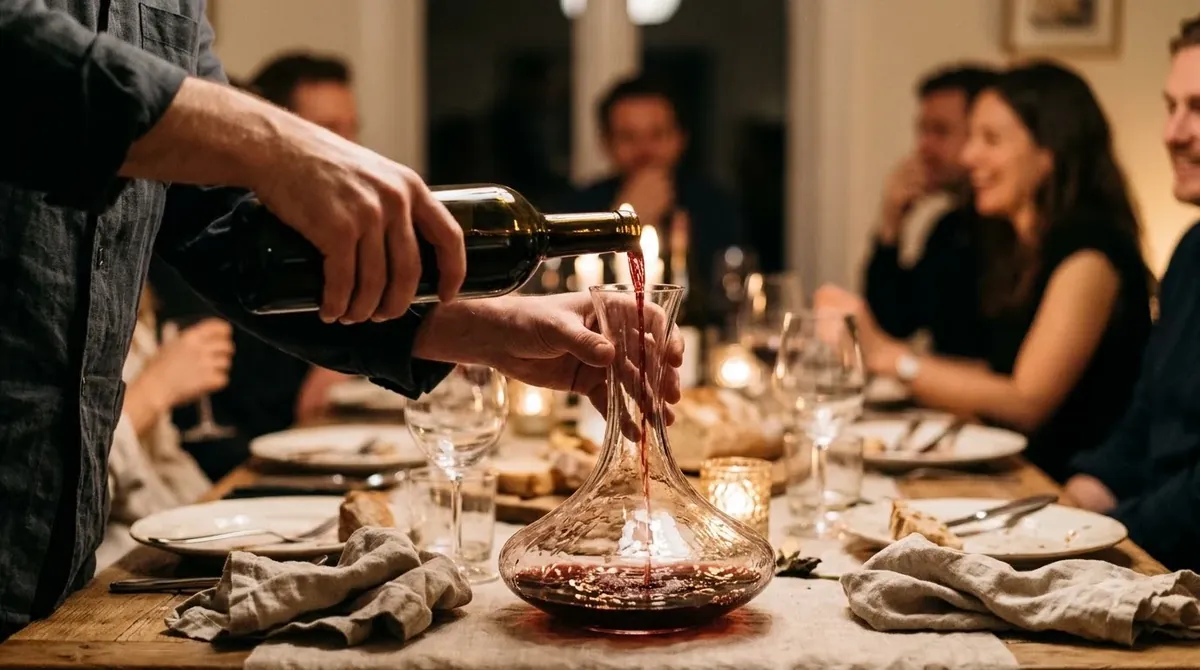
Serve a full-bodied Cabernet a bit cooler than room temperature, in a large glass that gives the wine space to open. Wine Folly suggests a serving range of about 60 to 68 degrees Fahrenheit and recommends decanting for around an hour for many Cabernets, which softens the tannins and lets the aromas develop.
If you are drinking the Sauvignon Blanc, serve it chilled but not icy. A slightly cooler glass helps the wine’s freshness show without masking its aroma.
Tip: Open a Cabernet an hour before dinner, pour a small glass, and check it again before the main course. The change in aroma over that hour is often the easiest way to learn the wine’s style.
Food pairings for Napa Cabernet
Cabernet’s tannins and rich fruit suit grilled steak, lamb, and dishes with a peppery sauce. The wine’s structure needs food with enough fat and flavor to balance it, which is why a lean salad rarely pairs well with a big Napa red.
For the white, think lighter plates. Seafood, goat cheese, and vegetable dishes with fresh herbs usually match the bright character that Sauvignon Blanc is known for.
Organic and biodynamic farming
The winery states that the estate has been certified organic since 1985 and certified biodynamic since 2020. It describes its aim as an elegant, balanced, and age-worthy style that reflects the vintage and the estate vineyard.
Farming methods do not guarantee a particular taste, but they tell you how the estate approaches its vines. If you care about how a wine was grown, these certifications are a useful part of the profile.
Sauvignon Blanc on the same table
A Napa Sauvignon Blanc is a different experience from the red. It is usually lighter in body and brighter in acidity, so it is a natural choice for a meal that starts before the Cabernet arrives. Serving a white first also lets guests reset their palate before a heavier red.
Think about the season when you choose between the two. Sauvignon Blanc suits warm afternoons and lighter dishes, while Cabernet fits colder nights and richer food. Keeping both bottles on the table gives guests a choice and shows how far the estate’s range reaches. Pouring a little of each side by side is a simple way to taste the difference between a bright white and a structured red, and it gives a clear sense of why the estate is known for both.
Cellaring a Napa Cabernet
Napa Cabernet is often built with enough structure to develop over time, and that is one reason collectors keep it for years. The general rule is to store bottles on their sides in a cool, dark place with steady temperatures. A closet away from the kitchen or an insulated cabinet works well for most households.
Not every bottle needs long aging. A young Cabernet with firm tannins can be enjoyable right after release, especially with a hearty meal. If you are unsure, ask the retailer for the recommended drinking window or look for tasting notes that describe how the wine is evolving.
Watch for changes in the bottle over time. Lighter fruit, more earthy aromas, and softer tannins usually signal a maturing wine, while a flat or sharp smell can point to a bottle that has been stored poorly.
Reading the winery’s own account
The winery’s website is the clearest source for the estate’s history, the list of current bottlings, and its farming approach. Those details change as vintages change, so check the site before you plan a purchase. The website is at the Spottswoode Estate website, and a general reference on Cabernet’s flavor and structure is available from Wine Folly’s Cabernet Sauvignon guide.
Frequently Asked Questions
Where is Spottswoode located?
The estate is at 1902 Madrona Avenue in St. Helena, California, in the Napa Valley, according to the winery’s website.
Who owns Spottswoode?
The winery says it has been owned by the Novak family since 1972. The family has grown grapes on the estate since then and has made its own wine since 1982.
Does Spottswoode make only Cabernet Sauvignon?
No. The winery names Sauvignon Blanc alongside Cabernet Sauvignon, and some of its bottlings are available only by allocation.
Should I decant a Napa Cabernet?
Many Cabernets benefit from decanting. Wine Folly suggests about an hour for many Cabernet Sauvignons, which helps soften the tannins and lets the aroma open.
For a broader look at the brands that shape the American wine market, visit our wine brands guide. If you want to compare a Napa red with a Texas Tempranillo, read our guide to Pedernales wine and see how a different climate changes the glass.
More in Wine Brands
 Underwood Wine Price: Compare Bottles, Cans, and Pack SizesUpdated Nov 21, 2026
 Zenato Wine Price: Compare Styles and Choose the Right BottleUpdated Nov 21, 2026
 Zuccardi Wine Price: Compare Bottles and Find the Right RangeUpdated Nov 21, 2026
 Yellow Tail Moscato Review: Taste, Sweetness and Serving TipsUpdated Nov 21, 2026
 Wolf Blass Yellow Label Review: Choose Your Best StyleUpdated Nov 21, 2026
 Wolffer Estate Rose Review: Choose the Right Bottle for Your TableUpdated Nov 21, 2026