

We may earn a commission when you buy through links on this page, at no extra cost to you. Learn more.
The assyrtiko grape is a white variety native to Santorini, Greece, known for high acidity, a dry light body, and a mineral, saline character. Wine Folly describes the grape as rare by vineyard area but expanding across Greece. Its wines are bone-dry with no tannins, and they show flavors of lime, passion fruit, beeswax, and flint.
This guide covers where assyrtiko comes from, what its wines taste like, how to serve them, and which foods pair best. If you are new to Greek whites, assyrtiko is one of the most rewarding grapes to start with, and it is easy to recognize once you have tasted it.
Where Assyrtiko Comes From
Assyrtiko is closely tied to Santorini, the island in the Aegean Sea. Wine Folly describes it as native to Santorini. The grape is rare when measured by vineyard area, but it has been spreading across Greece, so you can find assyrtiko from other parts of the country as well.
For a wine drinker, the link between place and flavor is part of the appeal. Assyrtiko is strongly associated with its home island, so many people see its wines as a way to taste a specific Greek place rather than a generic white.
What Assyrtiko Tastes Like
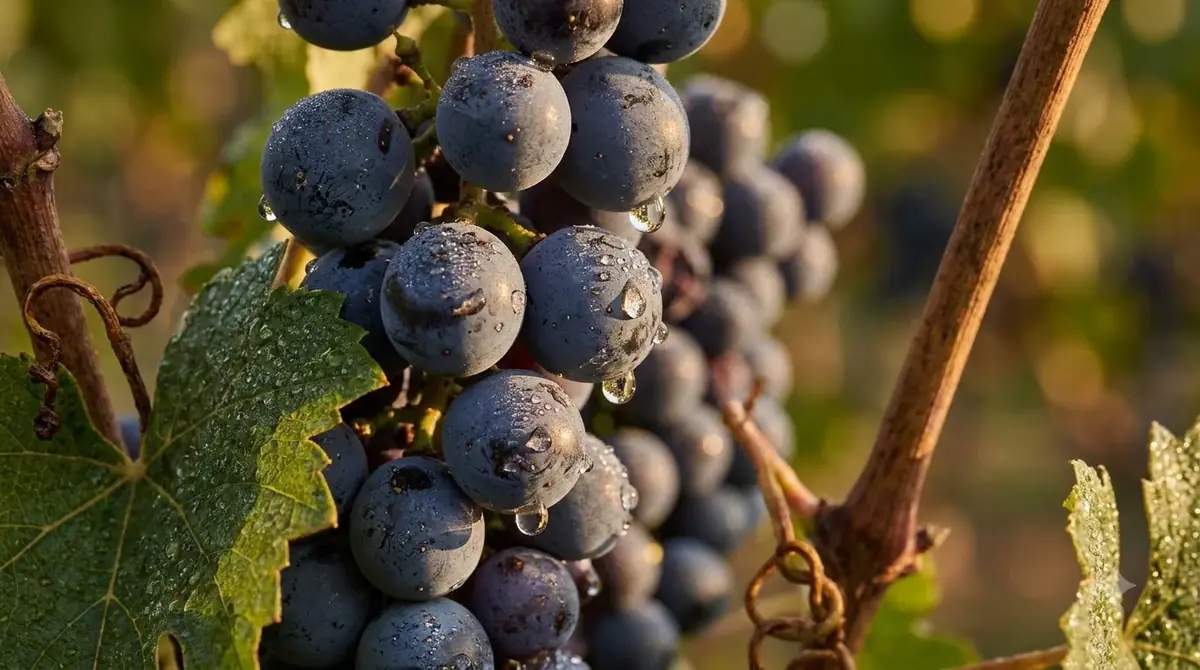
Assyrtiko is a white grape that is best known for its texture, acidity, and minerality. Wine Folly lists its flavors as lime, passion fruit, beeswax, flint, and a saline note. Many people also notice a stony or chalky edge, which fits the grape’s reputation for minerality.
The style is bone-dry, which means there is no residual sugar left in the wine. The body is light, and the wine has no tannins, so it feels clean and crisp on the palate rather than heavy or grippy. The acidity is high, which gives the wine a sharp, refreshing line from start to finish.
That combination makes assyrtiko easy to enjoy on a warm day. Its brightness keeps the wine lively, and its salty, mineral character gives it depth without weight. Many drinkers describe it as clean and precise rather than rich.
| Characteristic | What to expect |
|---|---|
| Color | White |
| Sweetness | Bone-dry |
| Body | Light |
| Tannins | None |
| Acidity | High |
| Alcohol | 13.5% to 15% ABV, according to Wine Folly |
| Typical flavors | Lime, passion fruit, beeswax, flint, saline |
How to Serve Assyrtiko
Because the grape is so direct, the way you open and pour the wine matters. A crisp white with no tannins does not need air to soften it, so the main goal is to keep it cool and to pour it into a glass that lets you smell the citrus and mineral notes before you taste.
Serving temperature matters with a crisp white like assyrtiko. Wine Folly recommends serving it between 38 and 45 degrees Fahrenheit (3 to 7 degrees Celsius), which is cooler than many people expect for a white wine. At that temperature the acidity and minerality stay sharp, and the fruit stays fresh.
Use a standard white wine glass, which concentrates the aromas without trapping too much of them. Decanting is not needed. Because the wine is young and direct, opening the bottle just before pouring is enough.
Keep the bottle chilled between glasses. A wine served too warm can lose its edge quickly, while a properly chilled glass stays bright for the whole meal. If the bottle warms up, a short time in the refrigerator restores its freshness.
Food Pairings for Assyrtiko
Shellfish is one of the classic matches. Wine Folly describes assyrtiko as perfect for shellfish, and the grape’s salinity and acidity complement oysters, mussels, shrimp, and grilled fish. A squeeze of lemon on the plate echoes the wine’s citrus character, so the two work together rather than competing.
Wine Folly also points to Greece’s tomato and feta salad as a natural match. The wine’s acidity cuts through the saltiness of the cheese and the sweetness of ripe tomatoes, and its light body keeps the dish refreshing. Assyrtiko is versatile enough to work with many other cuisines, from Mediterranean seafood to lighter vegetable dishes.
Tip: If you are unsure what to serve, start with a simple plate of grilled fish, a green salad with lemon dressing, and a bottle of assyrtiko chilled to the cooler end of the serving range.
How Long Assyrtiko Can Age
Most white wines are meant to be drunk young, but assyrtiko has more staying power than many. Wine Folly suggests that it can be cellared for five to ten years. Over time the wine can develop more texture and complexity, although its acidity and mineral character will remain the defining features.
That said, many assyrtiko bottles are made to be enjoyed fresh. If you are buying for an upcoming meal, a recent vintage will show the bright, clean style that most people associate with the grape. If you are buying to keep, check the producer’s notes on the bottle or ask the staff about how the wine is meant to develop.
Choosing a Good Bottle of Assyrtiko
Assyrtiko also works well as a table wine for a group. Its acidity and dryness make it flexible across courses, from a plate of appetizers to a main dish of fish. Many people who try it once come back to it because it offers freshness without the heaviness of a richer white.
Start by thinking about the style you want. A dry, lean assyrtiko will suit a light lunch or a seafood dinner, while a wine with more body and texture can work for a larger meal. Because the grape is naturally acidic and dry, most bottles share a similar framework, so the differences often come from the producer’s approach.
Look for a vintage date and a producer you can identify. Greek wine labels can carry regional names and estate names, which help you trace where the grapes were grown. A bottle that names the island or the producer gives you a better sense of the place behind the wine.
If you are buying for the first time, try a glass before committing to a full bottle, or ask a shop to recommend a style. Staff at a good wine shop can explain whether a particular bottle is lean and mineral or rounder and riper, which helps you find the style you enjoy.
If you are building a wine list for a meal, pair assyrtiko with a second white that has more body, so guests can compare a lean style with a rounder one. You can also serve a light red alongside it for guests who prefer red, since the two styles suit the same kinds of food. The result is a table that feels thoughtful without being complicated.
Frequently Asked Questions
Is assyrtiko a red or white wine?
Assyrtiko is a white grape. Its wines are dry and light-bodied, with high acidity and no tannins, which is why they taste crisp and clean.
Where does assyrtiko come from?
Assyrtiko is native to Santorini, a volcanic island in Greece. It is rare by vineyard area but has been expanding across the country, so you can find it from other Greek regions too.
What does assyrtiko taste like?
Wine Folly lists lime, passion fruit, beeswax, flint, and a saline character. The wine is bone-dry and sharp, with a mineral edge that many drinkers find refreshing.
What foods go well with assyrtiko?
Shellfish is a classic match, and Wine Folly also recommends Greece’s tomato and feta salad. The wine’s acidity works well with lemon, grilled fish, and other light Mediterranean dishes.
Assyrtiko is a grape that rewards attention to serving temperature and food. Chill the bottle, pour it into a white wine glass, and try it with seafood or a simple salad to see what the grape can do. For a detailed profile of the grape, read the Wine Folly assyrtiko guide. To compare with other grape varieties, see the Wine by Type guide or read about pecorino grapes.
More in Wine Types & Grapes
 Zinfandel Sugar Content: Dry Red vs. White Zinfandel GramsUpdated Nov 21, 2026
 Best Zinfandel Substitute Options for Sipping and CookingUpdated Nov 21, 2026
 Zweigelt Food Pairing: Best Dishes, Cheeses, and Serving TipsUpdated Nov 21, 2026
 Zinfandel Tannins Explained: How Structure Shapes Every BottleUpdated Nov 21, 2026
 Zinfandel Sweetness Level: Dry Red vs. Sweet White Zin ExplainedUpdated Nov 21, 2026
 Xinomavro Food Pairing: Best Dishes, Styles, and Serving TipsUpdated Nov 21, 2026