

We may earn a commission when you buy through links on this page, at no extra cost to you. Learn more.
The answer to “what is minerality in wine” is a tasting term for sensations that suggest wet stone, chalk, flint, slate, or a lightly saline edge, often alongside crisp acidity and a firm, refreshing finish. The word does not have one agreed scientific definition, and tasters may use it for aroma, flavor, or texture. It also does not mean that a wine literally tastes of the bedrock beneath its vineyard.
Minerality is one of wine’s most evocative and least precise descriptions. Understanding the word is still useful: it helps explain why a Chablis Chardonnay may seem stony and taut, why a Sancerre Sauvignon Blanc can feel chalky and brisk, and why two people can describe the same glass in different ways. The key is to connect the term to concrete sensations rather than assume it names a single ingredient.
What Minerality Means in a Glass
Minerality is a shorthand for a family of impressions, not a single flavor you can measure with a meter. Wine drinkers commonly use it for aromas reminiscent of flint, wet pebbles, chalk, slate, or seashells, and for palate sensations such as freshness, tension, or a fine, powdery grip.
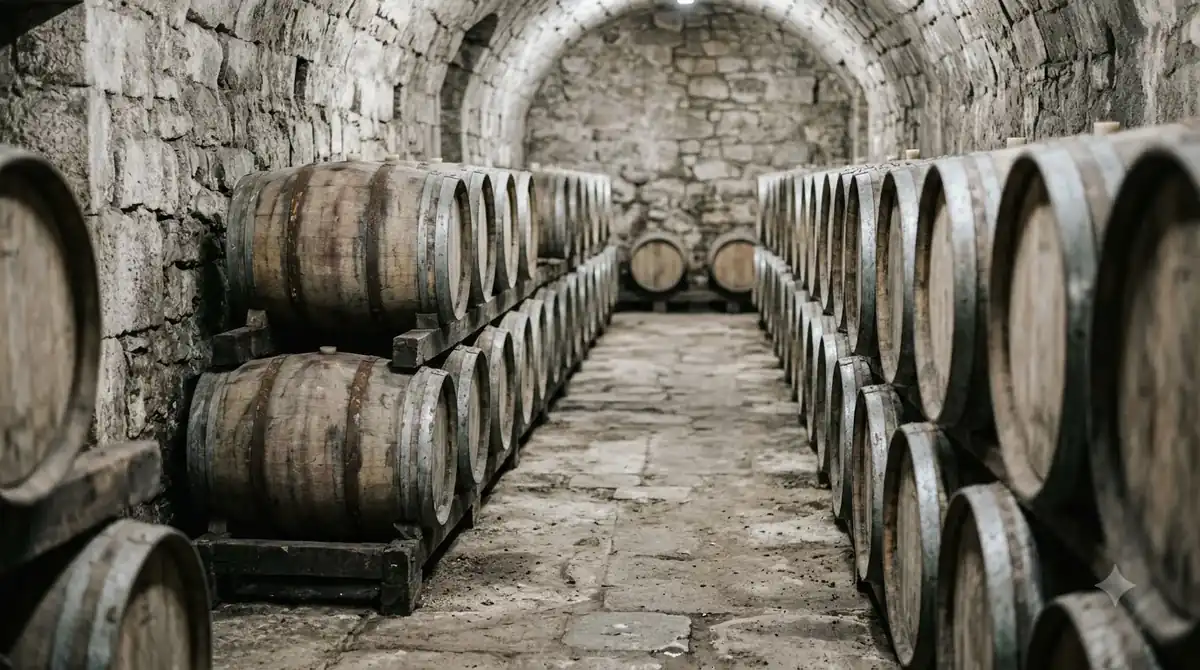
The word can describe more than one part of the tasting experience. You might smell something like struck flint before taking a sip, then notice lively acidity and a slightly chalky sensation along the sides of your tongue. Another wine may have little obvious stone-like aroma but still seem mineral because its finish is brisk, savory, and lean. The same term can therefore cover aroma, taste, and mouthfeel, even though those are different sensory channels.
A review of sensory research published in Beverages describes a study in which 34 wine professionals from Chablis were asked how they recognized minerality. In that small group, 63% said they combined smell and palate information, 20% relied on the palate alone, and 16% relied on smell alone. The percentages total 99% because of rounding. This is a useful illustration of why the word can be hard to pin down: even trained tasters do not all look for the same signal.
| Chablis tasting panel response | Share of 34 professionals | What it indicates |
|---|---|---|
| Smell and palate together | 63% | Minerality can combine aroma with taste or texture |
| Palate only | 20% | Some tasters focus on acidity, bitterness, or grip |
| Smell only | 16% | Some tasters identify aromatic cues such as flint |
This small Chablis panel is not a universal rule, but it shows why “mineral” is incomplete on its own. A useful note adds the clue: flinty aroma, chalky texture, salty impression, or fresh finish.
The Aromas, Flavors, and Textures Behind Mineral Notes
Mineral language usually points to a few recognizable sensory families: stone-like aromas, fresh acidity, and savory or seaside impressions. Naming the specific sensation makes a tasting note clearer than using “mineral” as a catch-all.
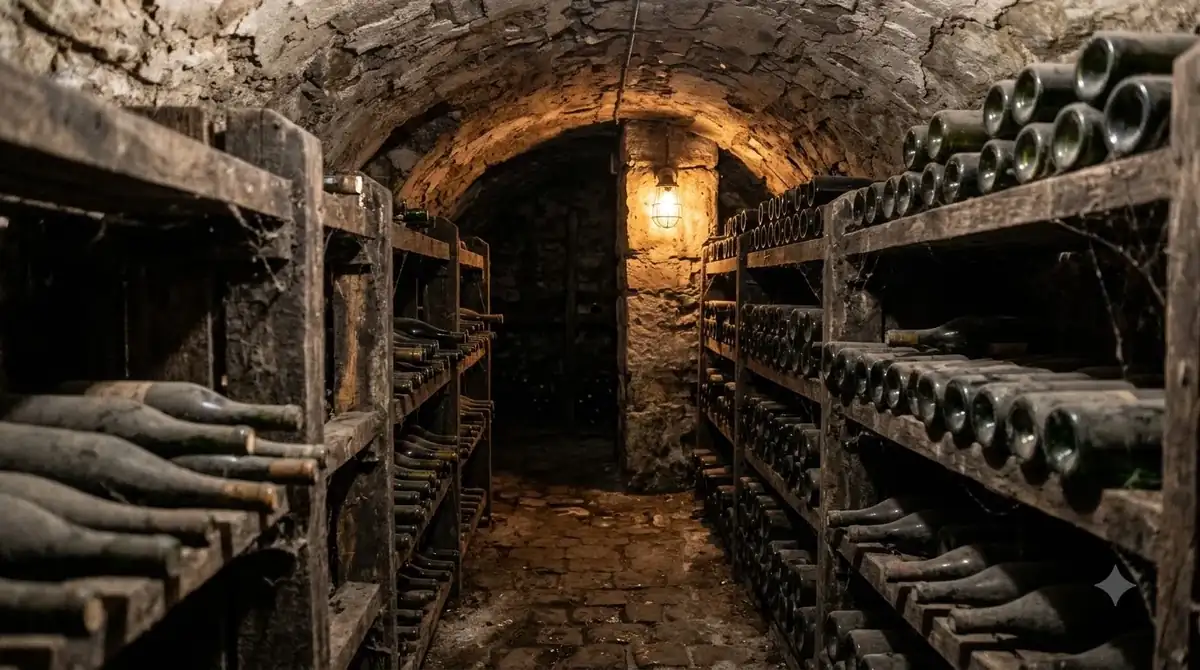
Flint and struck stone describe a dry, smoky, sometimes match-like aroma. The words are often used for lean white wines, including Chardonnay from Chablis and Sauvignon Blanc from Sancerre. Wet stone and slate suggest a cool, stony smell that can seem subtle rather than overtly fruity. Chalk can refer to an aroma, but it is also used for texture: a fine, drying, powdery feel that stays on the palate.
Other tasting notes borrow from the coast. A wine may be described as saline, seashell-like, iodine-like, or reminiscent of sea spray. Those words do not mean that someone has added seawater or crushed shells to the bottle. They are comparisons that help communicate a savory impression. Some tasters use “mineral” for a wine that feels very fresh and precise even when they cannot identify a clear stone or shell aroma.
Minerality differs from ordinary earthiness. Compost, damp leaves, mushrooms, and forest floor are organic references; wet slate, chalk dust, flint, and shell are the usual mineral metaphors. A wine can show both. The Wine Glossary can help distinguish these terms.
Why Vineyard Bedrock Does Not Travel Straight Into Wine
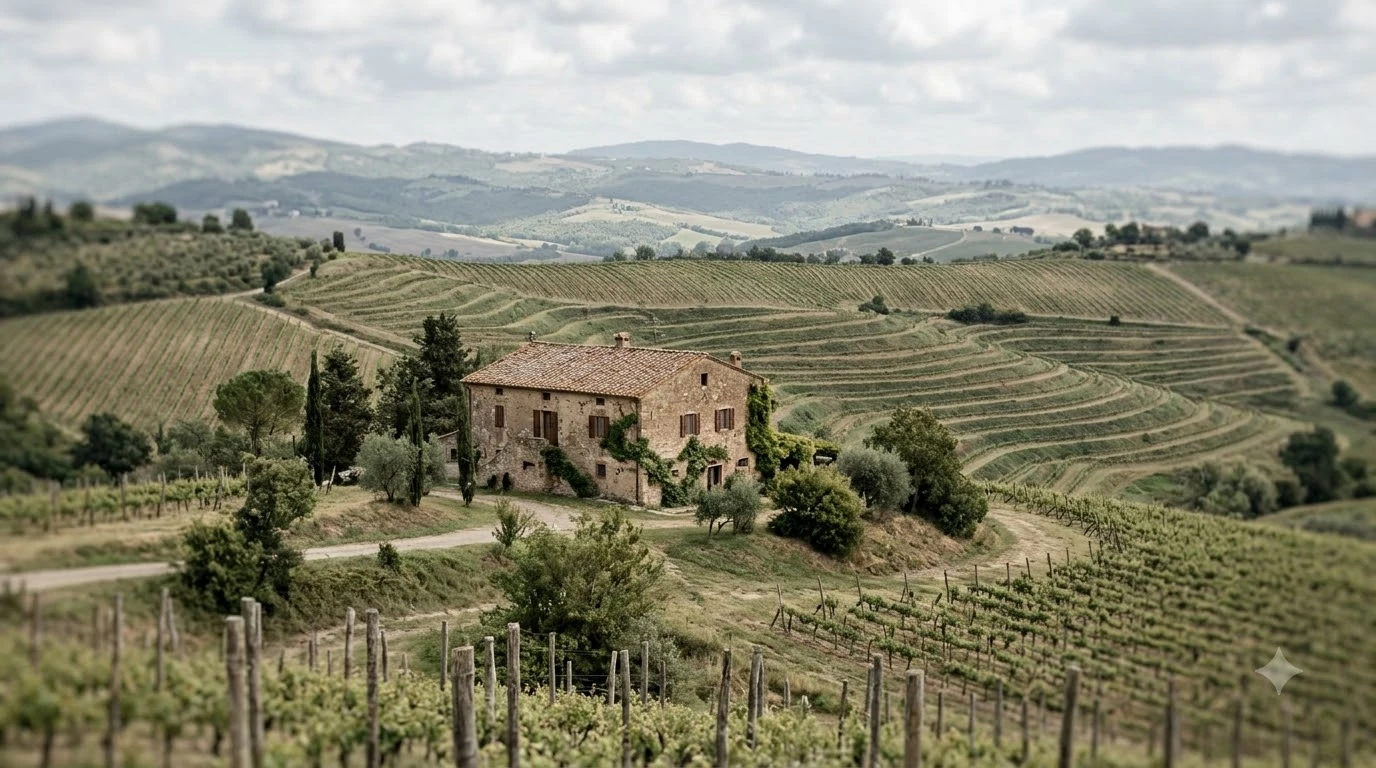
The word “mineral” sounds geological, but the most literal explanation is not supported: vines do not simply absorb pieces of limestone, slate, or granite and pass their taste into the finished wine. Vineyard geology can influence growing conditions, yet a stony sensation in a glass is not proof that the drink contains the flavor of the rock below the vines.
There is an important chemical distinction between geological minerals and the nutrient elements that grapevines use. Rocks contain mineral compounds with complex structures. Vines absorb selected dissolved elements, such as potassium and other nutrients, through their roots; the plant does not identify whether an element originally came from bedrock, topsoil, humus, or fertilizer. The vine also regulates which ions enter its tissues. Winemaking then changes the composition again through fermentation, filtration, fining, and maturation.
A review by Parr, Maltman, Easton, and Ballester reports that the inorganic content of wine is typically around 0.15% to 0.20%, with 0.4% described as an upper level, and that most of this fraction is potassium. The same review explains that these dissolved nutrients are generally present at levels too low to account for the familiar stone-like impressions by direct taste. Most geological rocks also do not dissolve or evaporate readily enough to produce the aromas people describe. Rock salt is an obvious exception because sodium chloride dissolves and tastes salty, but that does not make other vineyard rocks flavor ingredients.
The vineyard still matters indirectly. Soil affects drainage, water and nutrients, vine vigor, and ripening; these conditions can shape grape composition and fermentation. Saying “I taste limestone” is a metaphor, not a chemical analysis. Professor Alex Maltman explains the distinction in his Decanter discussion of what science can and cannot say about minerality.
How Acidity, Sulfur Compounds, and Winemaking Shape the Impression
No single compound has been established as the cause of minerality in every wine. Research instead points to several possible contributors, including acidity, certain sulfur compounds, the balance of fruit aromas, and the chemical changes that occur during fermentation and aging.
Acidity is one of the most common associations because it gives a wine energy and a firm line through the finish. A high-acid white can seem taut, precise, or stony even if it has citrus or orchard-fruit aromas. In sensory studies, tasters have connected minerality with freshness, tension, bitterness, and sometimes a slight saline impression. These features can overlap, but acidity alone is not a minerality test: plenty of high-acid wines are primarily described as citrusy or floral.
Sulfur chemistry is another research area. Some volatile sulfur compounds can smell smoky, flinty, struck-match-like, or shellfish-like at particular concentrations. Wine Enthusiast discusses a proposed connection between methanethiol, a volatile sulfur compound with a shellfish-like smell, and perceived minerality in some Chablis. Researchers have also investigated other sulfur compounds in wines, but the findings do not establish one universal chemical signature. The Wine Enthusiast explanation of minerality is useful for seeing how acidity, aroma, and texture can all contribute to the same descriptor.
Winemaking choices can change these sensations. Fermentation temperature, yeast activity, oxygen exposure, malolactic fermentation, lees contact, and maturation affect acidity and volatile compounds. Malolactic fermentation converts malic acid and changes the acid profile; oxygen and sulfur management can affect reductive aromas. Restrained fruit may leave acidity and savory notes more noticeable, while a highly aromatic wine may lead with citrus, herbs, or flowers. No single cellar technique switches on minerality: similar impressions can arise from different grape and production combinations.
Grapes and Regions Often Described as Mineral
Minerality is especially common in descriptions of dry white wines, but no grape or appellation guarantees it. Chablis Chardonnay and Sancerre Sauvignon Blanc are familiar reference points, while Riesling and Pinot Gris are also often discussed in relation to stony or fresh impressions.
Chablis in northern Burgundy is a classic example. Chardonnay from the area is frequently described with terms such as chalk, wet stone, flint, and oyster shell, and the region’s Kimmeridgian geology is often part of the conversation. That association is culturally strong, but it should not be reduced to the idea that limestone flavor passes directly into the wine. Within Chablis, differences in vineyard site, vintage, ripeness, fermentation, and élevage can create very different balances of fruit, acidity, and savory detail.
Sancerre, in the Loire Valley, offers another useful comparison through Sauvignon Blanc. Depending on site and style, a bottle may show citrus, fresh herbs, flinty notes, or a chalky impression. Riesling and Pinot Gris can also be described as mineral, particularly when their acidity and restrained fruit make the finish feel especially focused. Wine Enthusiast also names Champagne, Etna, Campania, Swartland, and Priorat among regions associated with minerally wines; these are broad stylistic associations, not guarantees that every wine from those places will taste the same.
When comparing bottles, start with the grape and region but pay attention to the producer’s style. A ripe, broad Chardonnay aged in new oak may emphasize creamy texture and toast, while a leaner Chardonnay with less obvious oak may make acidity and stone-like impressions more noticeable. Two Sauvignon Blancs from different climates can similarly shift between tropical fruit, citrus, herbs, and flint. If you are planning a group tasting, it helps to choose a small flight of three wines rather than many unrelated bottles, so the differences remain easy to describe.
How to Taste for Minerality With More Precision
You do not need specialist equipment to identify mineral impressions; you need a repeatable way to separate aroma, acidity, and texture. Compare three dry whites side by side, such as Chablis Chardonnay, Sancerre Sauvignon Blanc, and Riesling, and describe each feature before deciding whether “mineral” is the right word.
Begin with the aroma before taking a sip. Swirl gently, then look for a clear reference: wet pebbles, flint, chalk dust, smoke, seashell, or iodine. Do not force a match. If the wine smells mainly of lemon, peach, apple, herbs, or flowers, write those down first. A mineral note may be subtle and sit behind the fruit rather than replace it.
Next, assess the palate: is the acidity soft or brisk, the middle broad or narrow, and the finish clean, salty, bitter, chalky, or drying? Acidity is a structural sensation; chalkiness may be texture. A useful note might read: “Lemon and green apple, faint flint, brisk acidity, and a chalk-dry finish.” Light whites are generally served around 45–50°F and fuller whites around 50–55°F. Keep the comparison temperature consistent; a very cold bottle can mute delicate aromas.
Tip: Taste the same wine twice: first without reading the label or tasting note, then again after you have written down three specific sensations. This reduces the chance that a phrase such as “limestone minerality” will decide what you think you are smelling before you taste.
If you are organizing a tasting for friends, the pour size and bottle format also affect the plan. A standard 750 ml bottle yields about five 5-ounce glasses; a magnum changes the serving count, so check how many glasses in a magnum before setting out the flight. For a larger event, estimate how much wine for 100 guests separately from the number of wines you want guests to compare. Small, consistent pours make it easier for everyone to focus on aroma and texture rather than on how much is in the glass.
Frequently Asked Questions
Minerality is best treated as a flexible tasting description rather than a measurable ingredient or quality score. The answers below address a few practical questions that come up when people use the term for wines from Chablis, Sancerre, and beyond.
Can red wine show minerality?
Yes. Decanter notes iodine-like or blood-like descriptors in Northern Rhône Syrah and Tuscan Sangiovese, and graphite is sometimes used for fine red wines from places such as Bierzo and Priorat. These are sensory comparisons, not evidence that the wine contains iodine, blood, or pencil lead.
Does minerality mean a wine will age well?
No. Minerality is not an aging rating or a measure of bottle longevity. Ageability depends on the wine’s overall balance, including acidity, tannin, sugar, alcohol, concentration, and how the bottle is stored.
Is a flinty smell always a wine fault?
No. Flint-like or struck-stone notes can appear in tasting descriptions as part of a wine’s aroma. A different smell, such as rotten egg, may point to an unwanted sulfur fault, and Decanter notes that iodine or phenolic aromas from fruit affected by excess rot can also be considered faults.
Can I identify minerality from a wine’s color?
Not reliably. Color can offer clues about grape variety, age, and winemaking, but it cannot tell you whether a wine will smell of flint or feel chalky on the palate. You need to assess aroma and taste directly.
Does a wine have to be bone-dry to seem mineral?
No. Dry white wines are strongly associated with the term, but sweetness and minerality describe different aspects of a wine. A wine with noticeable residual sugar can still have brisk acidity and stony or smoky aromas, so sweetness alone does not rule out a mineral impression.
Minerality is most useful when it makes a tasting note more specific: name the flint, chalk, wet-stone aroma, saline edge, or fresh finish that you actually notice. Once you separate those sensations, the word becomes less mysterious—and comparing wines from Chablis, Sancerre, or Riesling regions becomes a more rewarding exercise.
More in Wine Basics
 What Is The Best Wine For Mimosas? Choose Bubbly That Balances Orange JuiceUpdated Nov 20, 2026
 Which Prosecco Is Best for Your Taste and OccasionUpdated Nov 20, 2026
 Which Wine Is Best For Health? Understand the Risks and BenefitsUpdated Nov 20, 2026
 Which Champagne Is Best for Your Taste and OccasionUpdated Nov 20, 2026
 What To Put In A Wine Gift Basket For A Thoughtful, Memorable GiftUpdated Nov 20, 2026
 What Is the Best Wine for Mulled Wine? Choose a Smooth, Fruity RedUpdated Nov 20, 2026