

We may earn a commission when you buy through links on this page, at no extra cost to you. Learn more.
Sparkling Pointe wine comes from a sparkling-wine specialist on the North Fork of Long Island, New York, that makes its wines with the traditional method. The estate is run by Cynthia and Tom Rosicki, who farm about 40 acres of their own vineyard in Southold. The grapes are the classic Champagne varieties Pinot Noir, Pinot Meunier, and Chardonnay, so the wines are built in the same style as Champagne but grown on American soil.
This guide explains who makes Sparkling Pointe, how its sparkling wines are made, what the grapes bring to the glass, and how to serve and pair the wines. It also shows how a Long Island sparkler compares with Champagne and other domestic bottles, so you can decide whether it fits your table.
Who makes Sparkling Pointe and where
Sparkling Pointe Vineyards and Winery is a family-run estate run by Cynthia and Tom Rosicki. The winery sits on the North Fork of Long Island, a narrow peninsula known for cool maritime weather, sandy and loamy soils, and a growing reputation for quality wine. The estate’s address is in Southold, which places it among the vineyards that give the North Fork its character.
The estate is built around sparkling wine rather than a broad range of styles. Its identity is tied to one method, one set of grapes, and one piece of land, and that focus is the reason many people who love sparkling wine seek it out. A specialist producer tends to put its energy into a narrow range, and Sparkling Pointe follows that pattern.
How the wines are made
The estate says its wines are estate-grown and made exclusively in the traditional method, which it calls Méthode Champenoise. In this process the wine goes through a second fermentation inside the bottle, and the bottle then ages on its yeast before the sediment is removed. That long contact with the yeast builds the toasty, bready notes and the fine bubbles that sparkling-wine lovers look for.
The method is slower and more labor-intensive than the tank method used for many everyday sparklers. It takes more time in the cellar and more hands in the process, and that is why traditional-method wines usually have a more layered character. The estate’s commitment to the method is clear from its website, which describes each wine as a cuvée made through this process.
| Feature | What it means for Sparkling Pointe |
|---|---|
| Location | North Fork of Long Island, Southold, New York |
| Vineyard | About 40 acres, farmed sustainably by the estate |
| Grapes | Pinot Noir, Pinot Meunier, and Chardonnay |
| Method | Traditional method with second fermentation in the bottle |
| Style | Sparkling wine built in the Champagne tradition |
What the grapes bring to the glass
Pinot Noir and Pinot Meunier add body, red-fruit character, and structure to a sparkling wine. Chardonnay adds lightness, citrus, and a fresh finish. Blending these varieties lets a winemaker balance richness with brightness, which is the basic idea behind Champagne and the reason the same grapes work so well on a cool island climate.
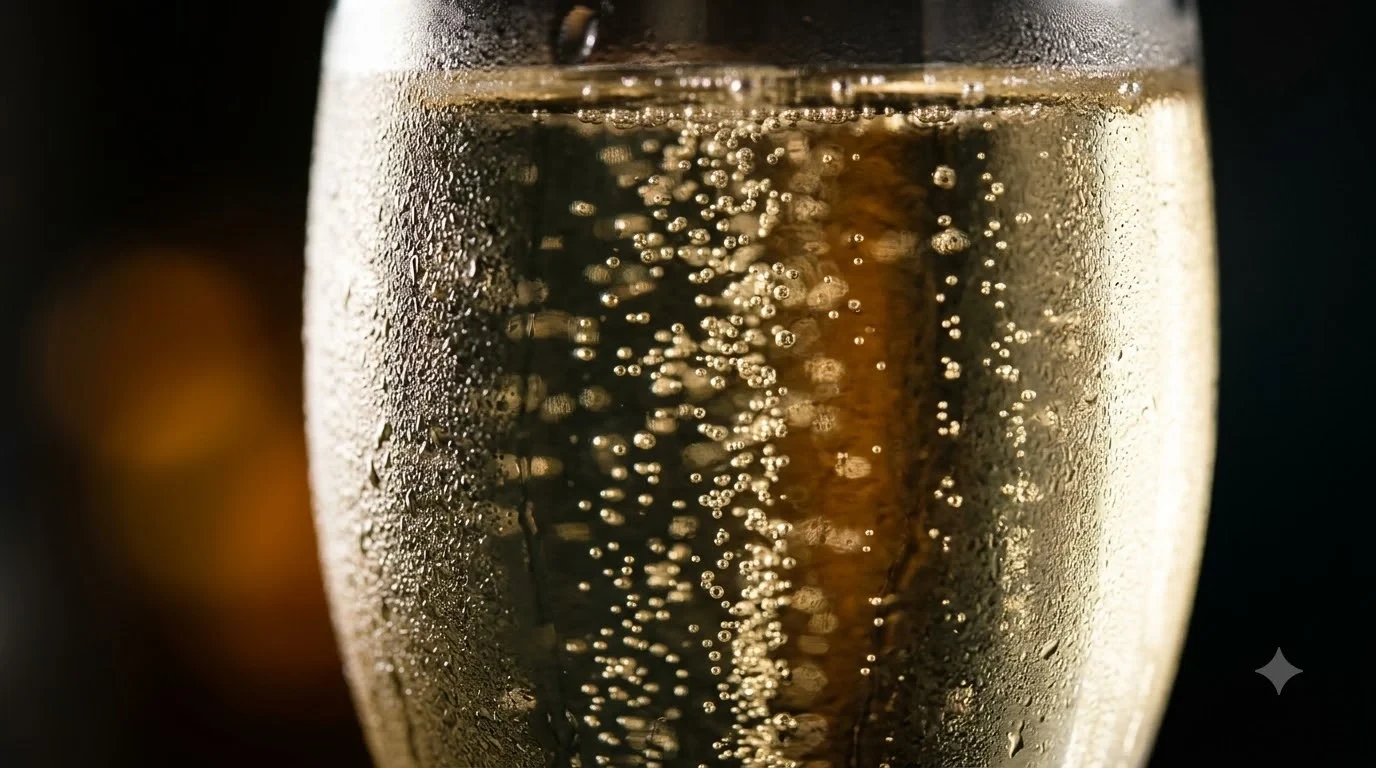
In practice, a bottle like this usually tastes crisp and dry, with fine bubbles and a finish that cleans the palate. Tasting notes change from one cuvée to the next, and the best way to learn the estate’s house style is to taste several bottles over a season. Because the estate publishes its tasting notes separately, check those pages for the most current descriptions of each bottling.
Tip: Sparkling wines made by the traditional method often improve with a few months of bottle age after release. If you buy a bottle for a special night, store it in a cool, dark place and open it when you are ready.
How to serve Sparkling Pointe
Serve the wine well chilled. A cold glass keeps the bubbles fine and the acidity bright, and it stops the wine from tasting heavy. A flute keeps the bubbles visible, while a white wine glass lets you smell the toast and fruit more clearly. Either works, so choose the one you like best.
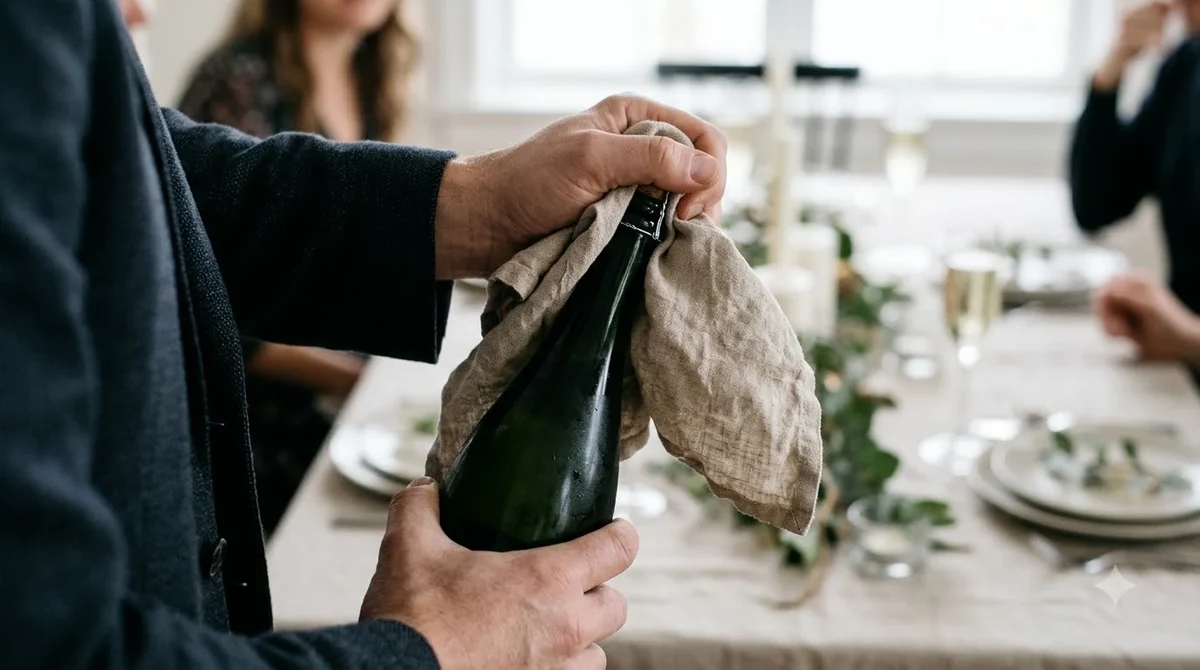
Open the bottle slowly and keep it at an angle so the cork releases gently. Pour in two stages to limit foam, and fill the glass only partway so the aromas can gather at the top. Sparkling wine does not need decanting, and an opened bottle loses its lift over time, so finish it within a day or two for the best experience.
Food pairings for a traditional-method sparkler
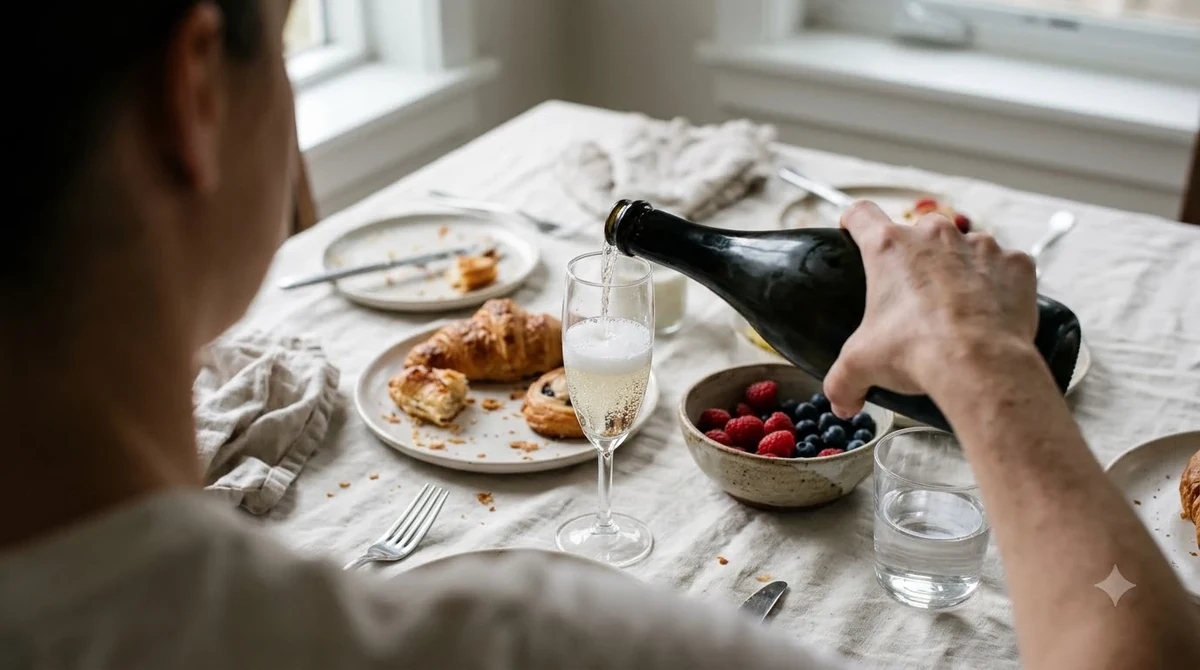
Traditional-method sparklers pair well with a wide range of food because their acidity cleans the palate between bites. Fried chicken, potato chips, and salty popcorn all work, since the bubbles cut through fat and salt. Oysters and raw shellfish are a classic pairing, especially on the North Fork, where local seafood is a major part of the food culture.
For a meal, try a sparkler with roast poultry, soft cheeses such as brie, or a creamy pasta with light sauce. Chardonnay-leaning cuvées pair especially well with delicate fish and citrus dishes. Pinot-led styles can handle richer dishes, such as roast pork or mushroom risotto. Save the driest styles for savory courses, since a sweeter dessert can make a very dry sparkler taste thin.
How Sparkling Pointe compares with Champagne and other sparklers
Sparkling Pointe is often compared with Champagne because it uses the same grapes and the same method. The main differences come from the climate and soil. Long Island’s maritime weather and the estate’s own vineyard shape the fruit, which can give the wine a different balance from a wine grown in the Champagne region of France. Readers who want a domestic alternative to French bubbles often find this comparison useful.
Compared with tank-method sparklers, a traditional-method bottle usually feels richer and more complex. The extra time on the yeast adds texture, and the finish tends to last longer. For a broader look at American producers, the Pedernales wine guide shows how another family estate builds a regional identity around its own grapes and land.
Where to find the wine and what to expect
The estate sells its wines through its own channels, including a webstore and a tasting room on the North Fork. Visiting the property is the best way to learn the house style, and the estate lists reservations and seasonal hours on its site. Check the current details before you plan a trip, since hours and events change through the year.
If you buy by the case, look for the estate’s own release notes. They explain which cuvée is current and how the bottles were aged, which helps you pick the right style for your meal. For more context on how producers build a name around one wine style, the wine brands guide is a useful next read.
Frequently Asked Questions
What grapes does Sparkling Pointe use?
The estate farms Pinot Noir, Pinot Meunier, and Chardonnay on its own vineyard. These are the classic Champagne varieties, and they give the wines their balance of structure and freshness.
Where is Sparkling Pointe located?
The winery is on the North Fork of Long Island in Southold, New York. The estate is run by Cynthia and Tom Rosicki and farms its own vineyard.
Is Sparkling Pointe made like Champagne?
Yes. The estate says its wines are made exclusively by the traditional method, with a second fermentation in the bottle, which is the same basic process used for Champagne.
How should I serve a traditional-method sparkling wine?
Serve it well chilled in a flute or a white wine glass. Open it slowly, pour in two stages, and finish the bottle within a day or two once opened.
Sparkling Pointe is a focused Long Island sparkling-wine estate that uses the same grapes and method as Champagne on its own North Fork vineyard. If you want a domestic bottle with classic structure and a clear sense of place, it is worth tasting. Start with the estate’s website to read the current release notes and plan your next bottle.
More in Wine Brands
 Underwood Wine Price: Compare Bottles, Cans, and Pack SizesUpdated Nov 21, 2026
 Zenato Wine Price: Compare Styles and Choose the Right BottleUpdated Nov 21, 2026
 Zuccardi Wine Price: Compare Bottles and Find the Right RangeUpdated Nov 21, 2026
 Yellow Tail Moscato Review: Taste, Sweetness and Serving TipsUpdated Nov 21, 2026
 Wolf Blass Yellow Label Review: Choose Your Best StyleUpdated Nov 21, 2026
 Wolffer Estate Rose Review: Choose the Right Bottle for Your TableUpdated Nov 21, 2026