

We may earn a commission when you buy through links on this page, at no extra cost to you. Learn more.
Belle Glos wine is a California brand known mainly for vineyard-designated Pinot Noir, with a smaller range of Chardonnay, rosé, and sparkling wine. The winery was created in 2001 by Joe Wagner, who named it after his grandmother, and its wines come from named vineyards along the California coast. If you enjoy elegant, fruit-forward Pinot Noir, Belle Glos is a brand worth knowing about.
Belle Glos is a smaller label than many national brands, and its identity is built around single-vineyard Pinot Noir. This guide covers who makes the wine, what is in the lineup, where the grapes are grown, how to serve the bottles, and what to pair them with. Details come from the brand’s official website and general wine knowledge.
Who Makes Belle Glos Wine?
Belle Glos is made by Joe Wagner, who describes himself on the brand’s site as a fifth-generation winemaker. He is the owner and winemaker, and he has also launched other brands through the company Copper Cane Wines & Spirits.
The name comes from his grandmother, Lorna Belle Glos Wagner. According to the official website, she co-founded Caymus Vineyards in 1972 with Charlie Wagner Sr. and Chuck Wagner, Joe’s grandfather and father. Lorna loved Pinot Noir, and Joe created Belle Glos in 2001 to focus on Pinot Noir from individual vineyards. That family link explains why the brand sits within a larger story of Napa Valley and California winemaking.
The Belle Glos Lineup
The brand’s core is Pinot Noir, with several named single-vineyard bottles. The official site lists Taylor Lane, Clark & Telephone, Dairyman, Las Alturas, and Balade as Pinot Noirs. Each name points to a specific vineyard, which lets the winemaker show how a site shapes the flavor of the wine.
Beyond Pinot Noir, the range includes Chardonnay, listed as Glasir Holt and Balade, and rosé and sparkling wines, including a Blanc de Blanc sparkling wine. The Balade name appears on both a Pinot Noir and a Chardonnay, so check the label carefully to confirm which wine you are buying.
Where Belle Glos Grapes Come From
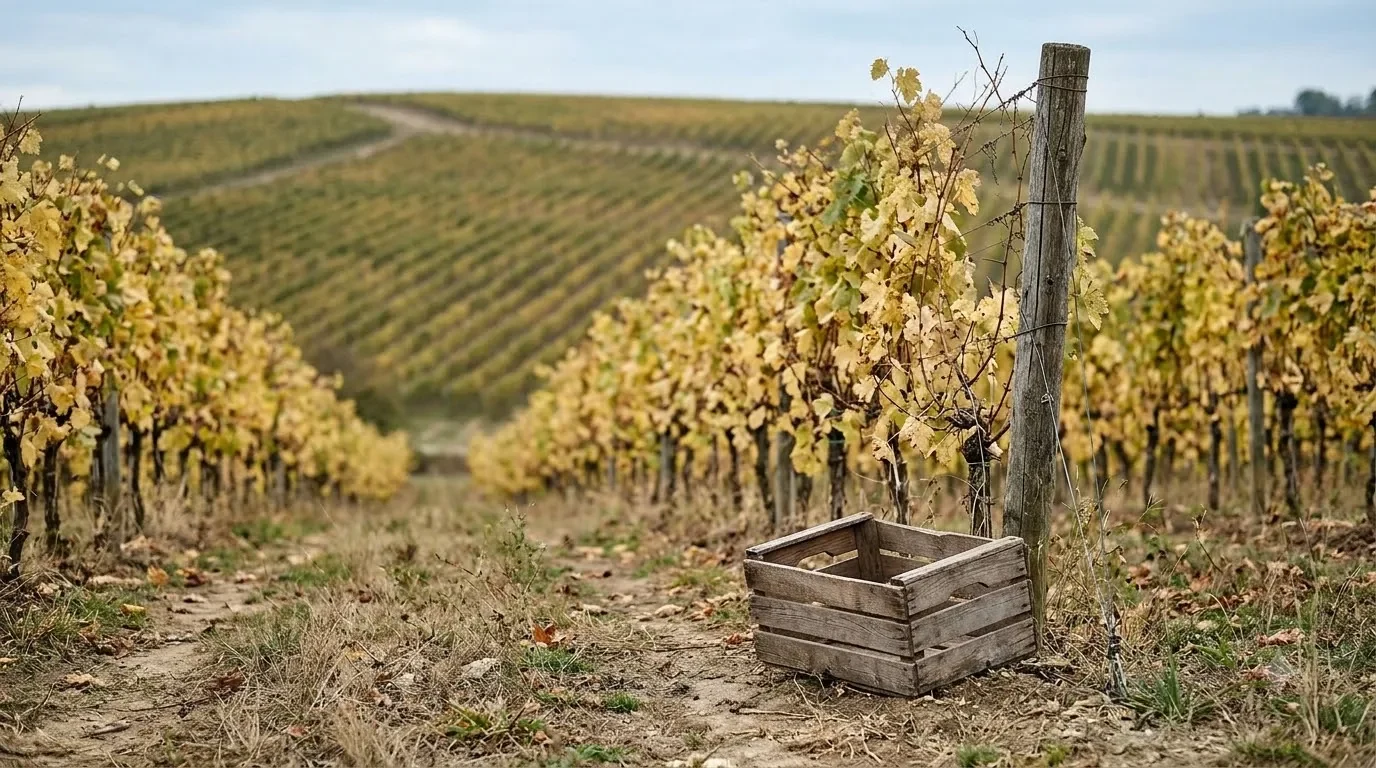
Belle Glos sources its fruit from California’s coastal appellations. The official site names Santa Maria Valley for the Clark & Telephone Pinot Noir, Santa Lucia Highlands for Las Alturas, Santa Rita Hills for the Glasir Holt Chardonnay, and Russian River Valley for the Blanc de Blanc sparkling wine. Those regions are cooler than many inland parts of California, which helps Pinot Noir keep its acidity and aromatic lift.
The site does not list the region for every bottle, so check the individual label or product page for Dairyman, Taylor Lane, and Balade if you want to know the exact vineyard.
| Wine on the official site | Type | Region named on the site |
|---|---|---|
| Clark & Telephone | Pinot Noir | Santa Maria Valley |
| Las Alturas | Pinot Noir | Santa Lucia Highlands |
| Glasir Holt | Chardonnay | Santa Rita Hills |
| Blanc de Blanc | Sparkling | Russian River Valley |
| Taylor Lane, Dairyman, Balade | Pinot Noir and other | Not stated on the site |
How to Serve Belle Glos Pinot Noir
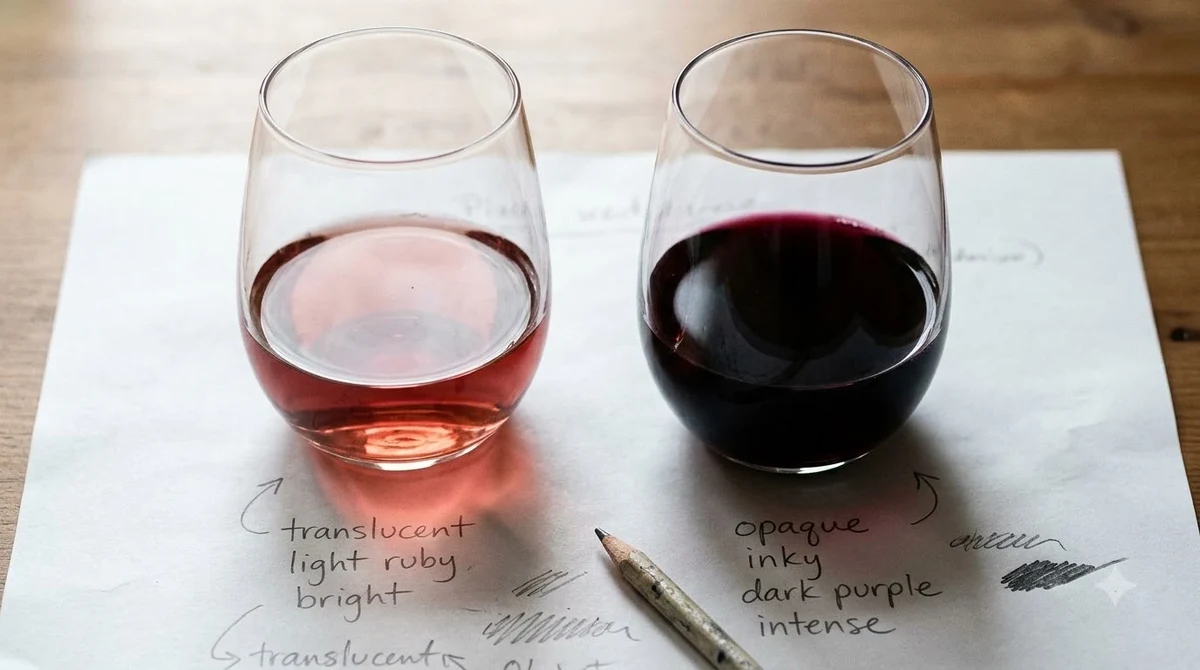
Pinot Noir usually tastes best slightly cooler than many people expect. Serving it a little below room temperature keeps the fruit fresh and the structure clean. A short chill in the refrigerator before pouring is often enough, especially in a warm room.
Many people store Pinot Noir at a steady cool temperature before opening, and that habit helps the wine keep its aromas. Avoid leaving a bottle near a stove or in a sunny window, because heat can flatten fruit flavors quickly. If the bottle has been out on the counter for a long time, a brief stay in the refrigerator will bring it back into balance.
Use a wide-bowled red wine glass so the aroma can open. Pinot Noir benefits from a few minutes in the glass before the first sip. Young bottles can be enjoyed right away, while a more complex single-vineyard bottle may improve with a little more time to open up.
Food Pairing With Belle Glos Pinot Noir
Pinot Noir is one of the most food-friendly red wines because its acidity and moderate tannin suit a wide range of dishes. It pairs well with salmon, roast chicken, mushroom dishes, and duck. It can also carry earthy flavors such as roasted vegetables and herb-driven sauces.
Belle Glos Chardonnay is a good match for creamy pasta, roast chicken, and shellfish, especially when the wine has enough acidity to keep the dish fresh. The sparkling Blanc de Blanc works well as an aperitif or with light appetizers, and it can handle salty snacks and fried foods.
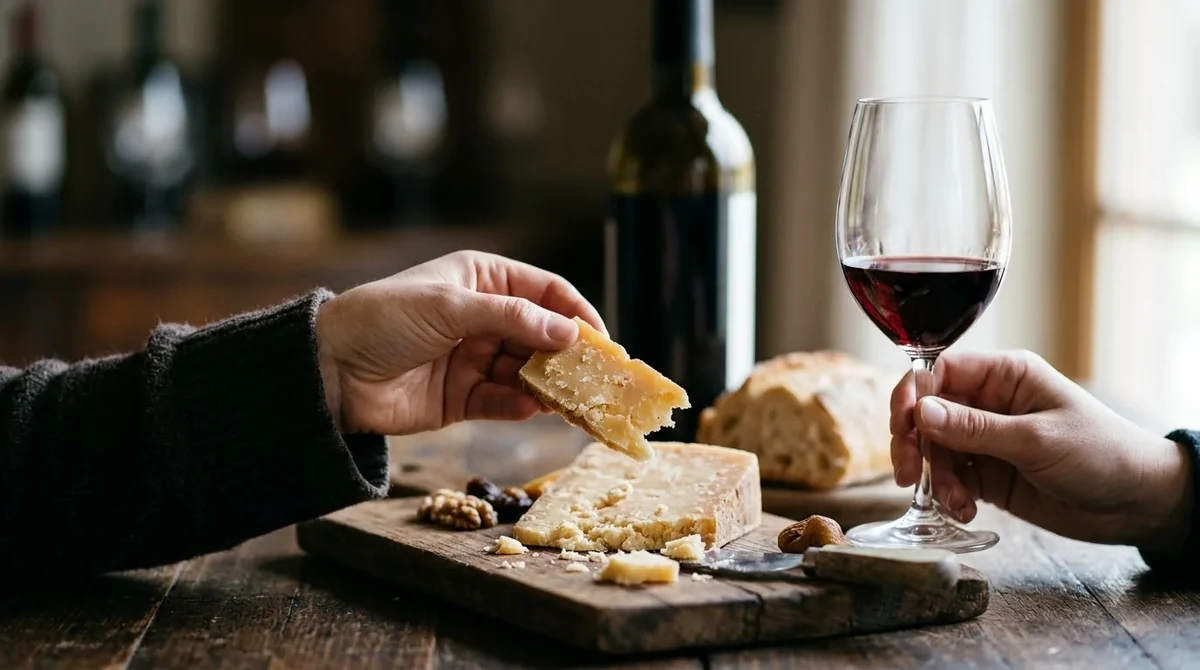
For a more relaxed meal, a Pinot Noir works well with burgers, grilled vegetables, and a board of soft cheeses. For a seafood dinner, the Chardonnay usually makes a better partner than the red, since the delicate flavors of fish can be overwhelmed by a wine with more fruit intensity. Matching weight with weight is a good rule: lighter dishes suit lighter wines, and richer dishes can handle more body.
Tip: If you are choosing one bottle for a mixed dinner, Pinot Noir is the safer red choice because it adapts to many dishes. Save the sparkling wine for the start of the meal.
Who Belle Glos Suits
Belle Glos is a good fit for drinkers who like Pinot Noir with a clear sense of place. The single-vineyard approach suits people who want to compare bottles and notice how different sites produce different wines. It is also a practical choice for a dinner where guests appreciate a polished, fruit-driven red.
If you prefer bold, tannic reds, Pinot Noir may feel too light. In that case, a Cabernet Sauvignon or a Syrah from a warmer region will offer more structure. For people who like brands with a clear story, though, the family history and vineyard focus make Belle Glos easy to recommend.
If you are building a small collection of California reds, it can help to compare producers side by side. Readers who want a different style of red can look at the Spottswoode wine guide for a contrasting approach, or the Pedernales wine guide for a producer with a different regional identity. Comparing a few bottles across styles is the fastest way to learn what you prefer. Keep notes on what you liked in each bottle, such as the fruit character, the acidity, and the finish, so your next purchase is based on taste rather than memory.
Frequently Asked Questions
Who owns Belle Glos?
According to the official Belle Glos website, the brand is made by Joe Wagner, who is the owner and winemaker. He named the brand after his grandmother, Lorna Belle Glos Wagner.
What is Belle Glos best known for?
Belle Glos is best known for its vineyard-designated Pinot Noir. The range also includes Chardonnay, rosé, and sparkling wine.
Where are Belle Glos grapes grown?
The official site names several California coastal regions, including Santa Maria Valley, Santa Lucia Highlands, Santa Rita Hills, and Russian River Valley, depending on the wine.
Is Belle Glos Pinot Noir served chilled?
It is usually served slightly cool rather than at warm room temperature. A short chill in the refrigerator helps the fruit stay bright and the wine feel balanced.
Belle Glos offers a focused look at California Pinot Noir from named vineyards, backed by a clear family story. Check the label for the vineyard and style you want, serve the red slightly cool, and pair it with dishes that match its acidity. You can read the brand’s own description on the official Belle Glos website, and for other producers to compare, browse the wine brands hub.
More in Wine Brands
 Underwood Wine Price: Compare Bottles, Cans, and Pack SizesUpdated Nov 21, 2026
 Zenato Wine Price: Compare Styles and Choose the Right BottleUpdated Nov 21, 2026
 Zuccardi Wine Price: Compare Bottles and Find the Right RangeUpdated Nov 21, 2026
 Yellow Tail Moscato Review: Taste, Sweetness and Serving TipsUpdated Nov 21, 2026
 Wolf Blass Yellow Label Review: Choose Your Best StyleUpdated Nov 21, 2026
 Wolffer Estate Rose Review: Choose the Right Bottle for Your TableUpdated Nov 21, 2026