

We may earn a commission when you buy through links on this page, at no extra cost to you. Learn more.
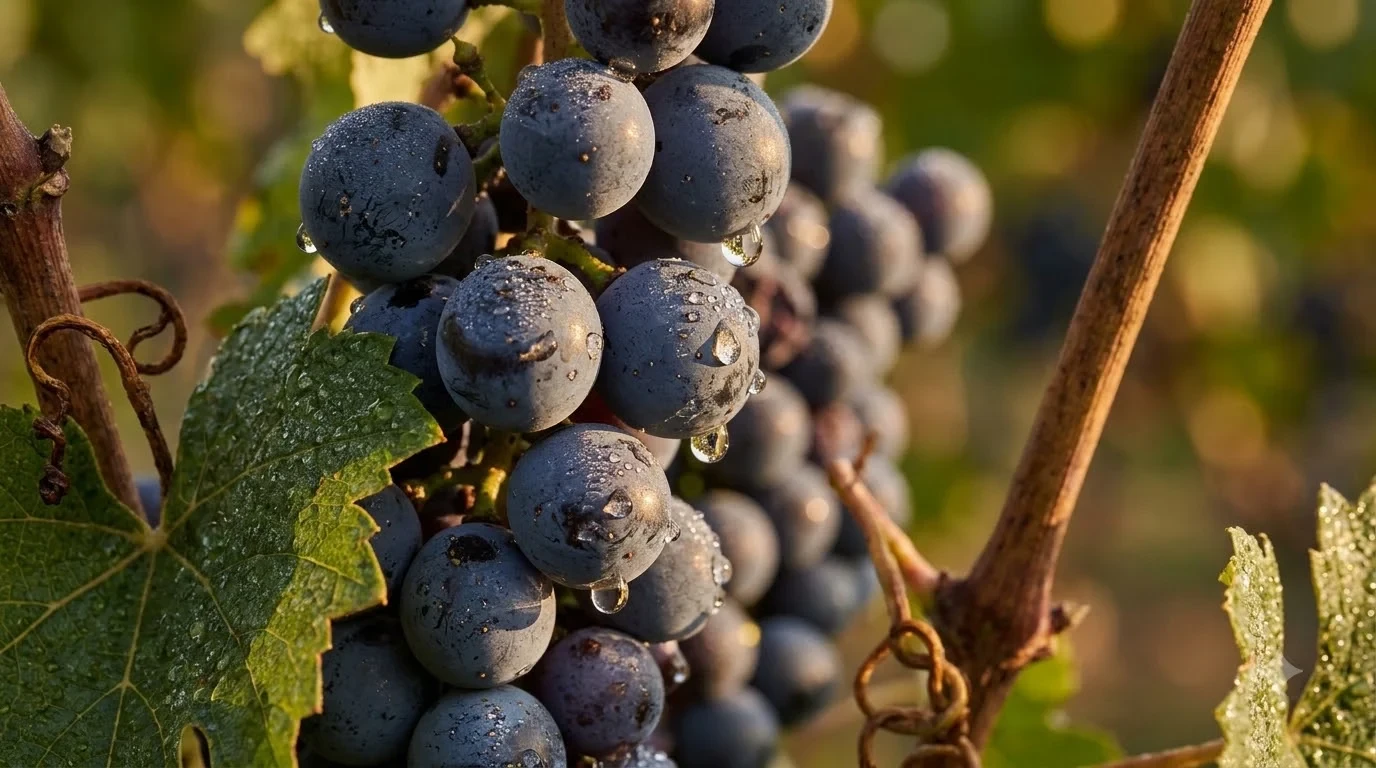
Willamette Valley wine comes from a cool, wet growing region in western Oregon, and Pinot Noir is its flagship grape. The valley stretches about 150 miles, and the Oregon Wine Board counts more than 700 wineries inside its borders, two-thirds of the state’s total. For anyone shopping for Oregon wine, the Willamette Valley is the place to start.
This guide explains where the valley sits, how its climate shapes the wines, which grapes are planted, and how to pick and serve a bottle. If you are comparing it with other American regions, the same questions apply to Hudson Valley wine on the East Coast or to Carmel Valley vineyards in California.
Where the Willamette Valley Is and How Big It Is
The Willamette Valley is a long, narrow basin in northwest Oregon. The Oregon Wine Board describes it as 150 miles long and up to 60 miles wide. The American Viticultural Area (AVA) was established in 1983, and it covers the drainage basin of the Willamette River, running from the Columbia River south to just below Eugene.
The valley also sits between two mountain ranges that shape its weather. The Coast Range to the west and the Cascade Mountains to the east frame the valley floor, and the land rises into rolling hills where many vineyards are planted. Visitors often notice the change in elevation when they drive from a valley-floor tasting room up to a hillside estate, and the view can be as memorable as the wine.
Because the valley is so large, it is divided into smaller appellations. Most visitors and buyers think of it as one region, but the soils and microclimates change from hill to hill, which is why many wineries name their bottles after a specific sub-AVA.
Climate and Soils That Shape the Wines
The Willamette Valley has a cool, moist climate that suits grapes which ripen slowly. The Coast Range blocks much of the cold Pacific air and rain from reaching the valley floor, while the Cascade Mountains keep out the dry conditions of eastern Oregon. The result is a long growing season with warm summers, cool evenings, and a long autumn, which gives grapes time to develop flavor while keeping their acidity.
The soils are varied. According to the Oregon Wine Board, the predominant soils are marine sedimentary, volcanic, and loess. Vineyards on the hillsides often sit on different soil than those on the flat valley floor, and growers use that difference to choose which grape goes where.
Tip: When you read a label, check whether it names a sub-AVA. A bottle from the Dundee Hills and one from the valley floor can taste noticeably different, even when the grape is the same.
The Grapes Grown in the Valley
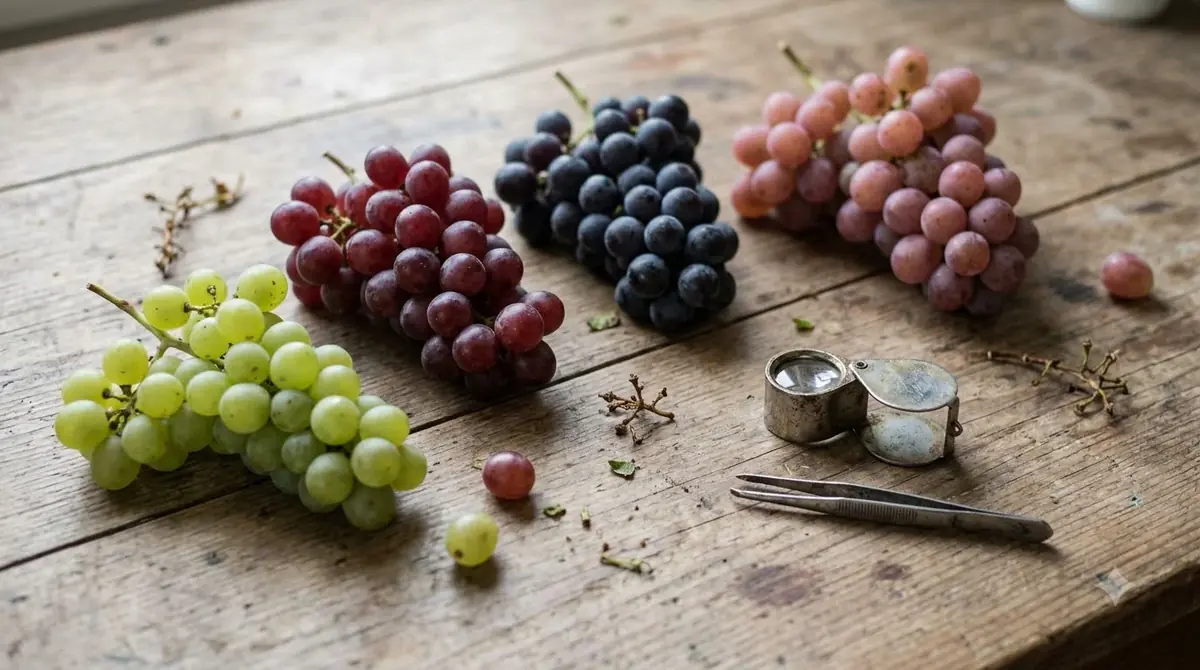
Pinot Noir dominates the region, and the Oregon Wine Board calls it the flagship variety. Several white grapes also do well here, so the valley produces a broad range of styles. The table below lists the main varieties named by the Oregon Wine Board and the general character producers aim for with each.
| Grape | Color | Typical character in the valley |
|---|---|---|
| Pinot Noir | Red | Flagship grape; red fruit, silky texture, and earthy notes |
| Pinot Gris | White | Crisp and fruit-forward, often lighter in style |
| Chardonnay | White | Ranges from crisp and mineral to rich and oaked |
| Riesling | White | Aromatic, with a spectrum from dry to off-dry |
| Pinot Blanc, Gewürztraminer, Sauvignon Blanc | White | Smaller plantings that add variety to the lineup |
| Syrah, Gamay | Red | Smaller plantings, often made in lighter styles |
Pinot Noir is the grape most visitors ask about, but Pinot Gris and Chardonnay are also widely planted and make up a large share of the region’s white wines. If you prefer whites, look for Pinot Gris or Riesling from the valley rather than assuming every bottle will be red.
Sub-Appellations Inside the Valley
The valley contains eleven nested AVAs, which means smaller appellations sit inside the larger Willamette Valley label. Each has its own landscape and reputation. Among the best-known are the Dundee Hills, Chehalem Mountains, Eola-Amity Hills, Ribbon Ridge, and Yamhill-Carlton.
Sub-AVA names also make it easier to compare bottles. If you like one Pinot Noir from the Eola-Amity Hills, a second bottle from the same appellation gives you a direct comparison of producers rather than a comparison of places. That habit turns a single purchase into a small tasting project that teaches you more about the valley with every bottle.
Some of these names are more familiar to Pinot Noir fans than others. Dundee Hills, for example, is a name many buyers recognize on a label, while the Van Duzer Corridor is known mainly to people who follow the region closely. You do not need to memorize all eleven to buy well, but knowing two or three names helps when a bottle lists a specific area.
How to Choose and Serve a Willamette Valley Bottle
Start with the grape. A Pinot Noir from the Willamette Valley is a good match for roast chicken, mushrooms, salmon, and other dishes with savory flavors. A Pinot Gris or Riesling often pairs well with lighter fare such as seafood, salads, and fresh cheeses.
Think about the occasion as well as the food. A Pinot Noir with a simple weeknight dinner is an easy choice, while a sparkling wine or a dry Riesling suits a long lunch on a warm afternoon. Many Oregon wineries also make wines for sharing, so a bottle that works with several dishes at once is a practical choice for a table of guests.
Serving temperature matters more than many people expect. Lighter reds such as Pinot Noir taste better slightly cool than warm, so a short time in the refrigerator before pouring is worth the effort. White wines are best served chilled but not ice cold, which lets their aromas show.
Price is also worth thinking about, though this guide does not list prices because they change by vintage and retailer. A good rule is to decide how much you want to spend on an everyday bottle and how much on a special occasion, then compare within that range rather than across the whole shelf.
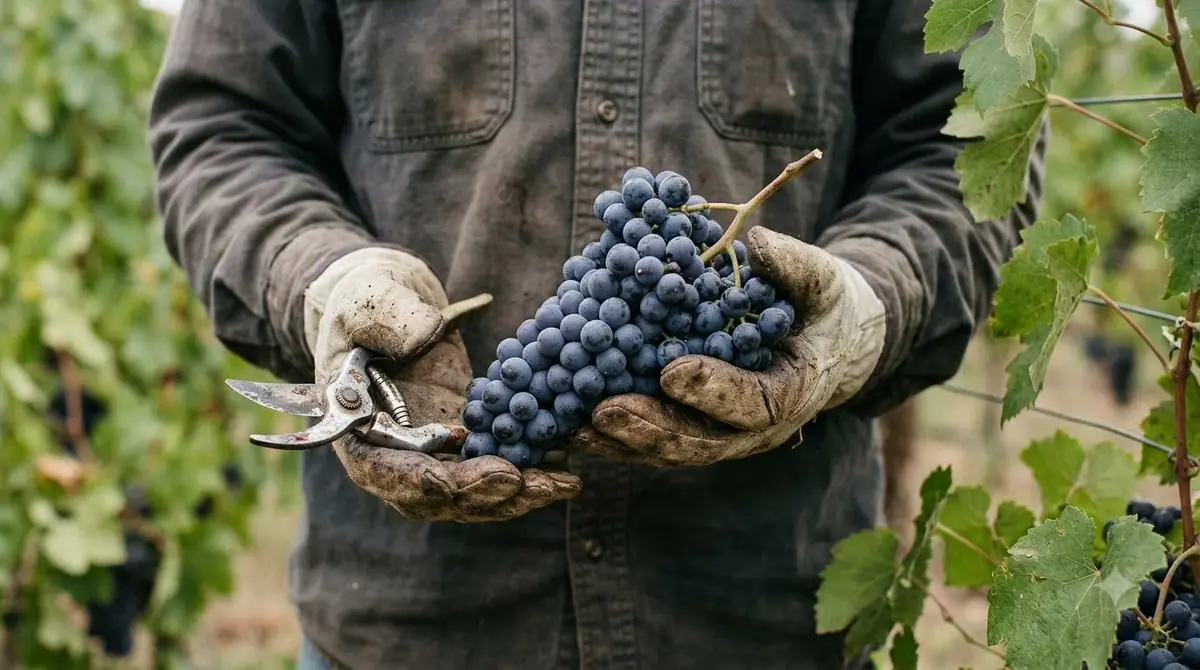
When you buy, consider the vintage and the producer. Many Willamette Valley wineries are small, family-run operations, and their lineups can change from year to year. If you find a producer you like, a reliable guide to their range is their own website or a local wine shop that stocks Oregon wines.
Tip: Ask a staff member which sub-AVA a bottle comes from. Store staff who know the region can point you to a style you will enjoy.
Frequently Asked Questions
Is Willamette Valley wine mainly red or white?
The region is best known for red wine, especially Pinot Noir, which the Oregon Wine Board calls its flagship grape. White wines such as Pinot Gris, Chardonnay, and Riesling are also widely planted, so the valley makes plenty of both colors.
How big is the Willamette Valley AVA?
The AVA covers about 3.4 million acres of the Willamette River basin in Oregon. It is the largest AVA in the state, and the Oregon Wine Board reports that it holds about two-thirds of the state’s wineries and vineyards.
Why is Pinot Noir so common in the valley?
The cool, long growing season suits a grape that ripens slowly and keeps its acidity. The soils, which include marine sedimentary, volcanic, and loess deposits, also give growers many options for matching the grape to a hillside or a valley floor.
Do I need to know the sub-AVAs before buying?
No, but knowing a few names helps. Sub-AVAs such as the Dundee Hills and Chehalem Mountains often signal a particular style, so reading the label for a sub-AVA is a simple way to learn what you like.
Willamette Valley wine rewards curiosity. Start with a Pinot Noir and a Pinot Gris from different sub-AVAs, and you will quickly see how much the landscape shapes the glass. For the official background on the region, the Oregon Wine Board’s Willamette Valley page is a good next stop, and the Wine Regions guide covers other growing areas.
More in Wine Regions
 Willcox Wine Trail: Discover Arizona’s High-Elevation Wine CountryUpdated Nov 20, 2026
 Yakima Valley Wine Region: Find the Best Styles to TryUpdated Nov 20, 2026
 Vosne Romanee Wine Tasting: Identify Aromas and Choose Better PairingsUpdated Nov 20, 2026
 Yakima Valley Wine Festival: Find the Best Seasonal Wine EventsUpdated Nov 20, 2026
 Wales Vineyards: Discover Cool-Climate Wines and Where to VisitUpdated Nov 20, 2026
 Yountville Wine Festival: Discover Napa Wines and Local FoodUpdated Nov 20, 2026