

We may earn a commission when you buy through links on this page, at no extra cost to you. Learn more.
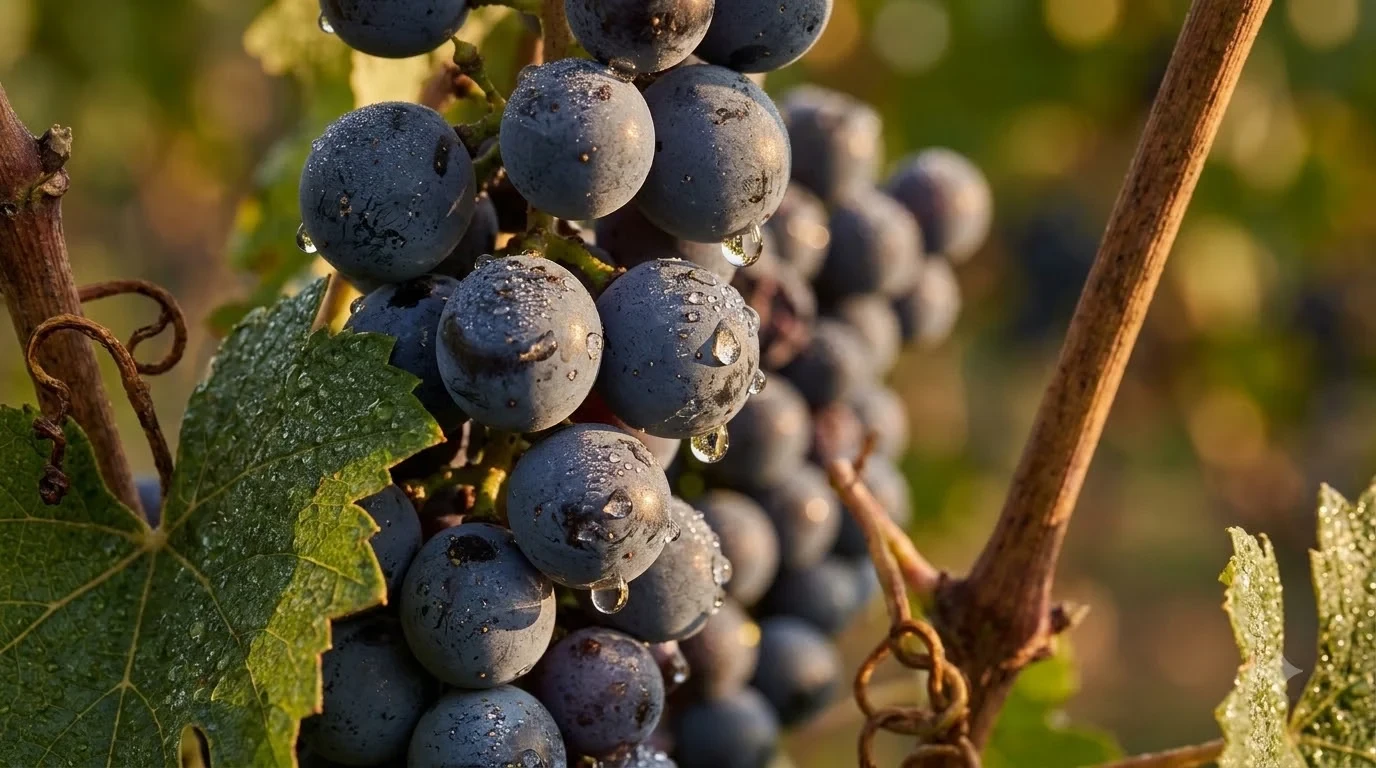
The pinot noir grape is a red variety with thin skin and tight clusters that grows best in cool climates with long growing seasons. Its thin skin gives pale to medium color and soft tannins, and it is famous for delicate aromas of red cherry, raspberry, and forest floor. The grape is the source of red Burgundy in France, and it is also grown in Oregon, California, New Zealand, and many other cool regions.
Pinot noir is one of the most discussed red grapes in the world, and it is also one of the hardest to grow. This guide looks at the grape itself: its character, the conditions it needs in the vineyard, the regions where it grows, and how those differences show up in the glass. For the wine made from the grape, the sister guide on pinot noir wine covers serving and buying.
What Pinot Noir Grape Is Like
Pinot noir is a dark-skinned grape, but its skin is thinner than that of most red varieties. The thin skin is the reason the wine is usually pale to medium in color, and it also means the grape carries fewer tannins than cabernet sauvignon or syrah. Tannins are the drying compounds that come from skins and seeds, so pinot noir tends to feel silky rather than grippy.
The grape also forms tight clusters, which can trap moisture and make the berries vulnerable to rot. Growers often describe pinot noir as a demanding variety for that reason. The same qualities that make it hard to farm also give the wine its sensitivity, because the grape reflects its site and season more clearly than many sturdier varieties.
Flavor Profile of the Grape
Pinot noir usually shows ripe cherry and raspberry on the nose, often with a background of forest floor, tea leaves, and sometimes clove. The grape’s natural acidity is high, which keeps the wine fresh and lifted even when the fruit is generous. Oak aging can add vanilla and smoke, and with age the wine may develop mushroom and leather notes.
The body is typically light to medium. Alcohol usually falls between about 12 and 14 percent, which helps make pinot noir feel lighter than many red wines with similar fruit. Because the flavors are subtle, the difference between a good pinot noir and a great one often comes down to balance: how fruit, acid, and earth fit together on the finish.
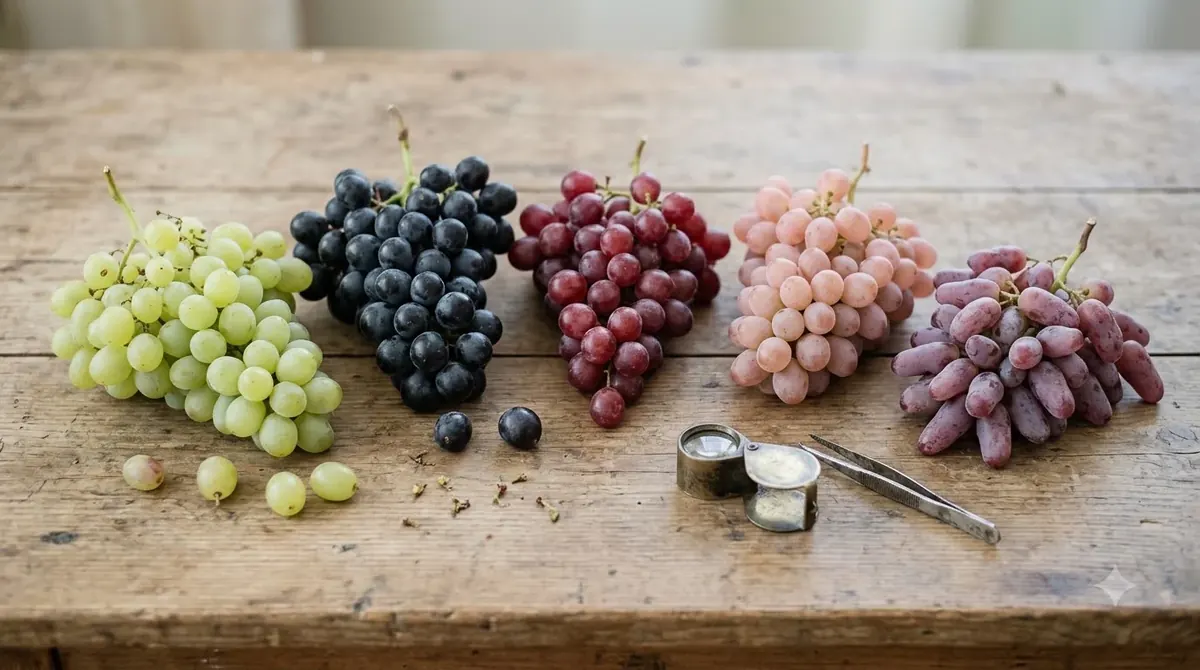
| Trait | What it usually means for pinot noir |
|---|---|
| Skin thickness | Thin, so pale to medium color and soft tannins |
| Cluster shape | Tight, which raises the risk of bunch rot |
| Climate need | Cool, with a long and even growing season |
| Acidity | High, which keeps the wine fresh |
| Typical aromas | Red cherry, raspberry, forest floor, tea |
What the Vine Needs
Pinot noir prefers intermediate climates with long, cool growing seasons. That usually means protected valleys or sites near large bodies of water, where the temperature swings are moderate and the grapes ripen slowly. Warm, dry seasons can be fine, but very hot vineyards tend to push the fruit toward jammy flavors and heavier body than many pinot lovers want.
The grape is sensitive to spring frost, hail, and fungal disease, so vineyard management matters a great deal. Growers pay close attention to canopy management and air flow, and they choose sites with good drainage. Because the vine ripens early in many regions, timing the harvest is just as important as the location. Pinot noir is currently the sixth most planted red grape in the world, with major vineyard areas in France, the United States, and Germany.
Where Pinot Noir Grows Best
Burgundy in eastern France is the historic home of pinot noir, and the region’s villages produce wines that range from earthy and floral to richer and darker. Gevrey-Chambertin tends to be full-bodied, with dark cherry and black currant, while Chambolle-Musigny is usually more elegant and aromatic. Pommard can be fuller and more tannic, with black cherry and plum.
According to the Wine Folly guide to pinot noir, Oregon is often compared with Burgundy because its cool climate and sediment-rich soils suit the grape. Oregon pinot noir is typically a few steps lighter in color than California examples and is more tart, with notes of cranberry, Bing cherry, and truffle. Most of the state’s plantings are in the Willamette Valley. California pinot noir tends to be bigger and more fruit-forward, with sweet black cherry, black raspberry, vanilla, and clove, because the warmer sun pushes the grapes toward riper flavors.
Tip: If you want to compare styles, try one bottle from Burgundy or Oregon and one from California. The difference in fruit weight and color is easy to taste side by side.
How Winemakers Work With the Grape
Winemakers use the grape’s thin skin with care. Because color and tannin are limited, many producers use gentle extraction and avoid long maceration. Oak is used with restraint in many regions, so the cherry and earth can stay in front. Some producers ferment whole clusters, which can add a herbal lift and a more textured structure.
The grape also responds to where it grows. A cool site may give a bright, tart wine with firm acid, while a warmer one can give a rounder, riper style. Many producers blend across vineyards or vintages to build consistency, and that approach is common in both France and the United States.
Food Pairing With Pinot Noir Grape
Pinot noir is considered a versatile food wine. Its acidity and light tannins suit a wide range of dishes, from salmon to roast chicken and duck. The acidity cuts through the fat in duck, and a spiced duck or a cherry sauce brings out the wine’s fruit. Earthy mushroom dishes, especially those with thyme or garlic, pair very well with Old World styles.
Richer meats such as roast pork or lamb also work, as long as the sauce is not too heavy. The wine’s freshness lets it stand up to salt and herbs without overpowering them. For a simple meal, a grilled salmon with a mushroom side and a glass of pinot noir is a classic and easy pairing.
How to Pick a Pinot Noir Style
If you want a bright, lighter red, look for a cool-climate pinot noir from Oregon or a village wine from Burgundy. If you prefer a riper, more fruit-forward wine, a California pinot noir may suit you better. Read the region on the label, because it tells you more about the style than the grape name alone.
Keep in mind that pinot noir often gets better with some time in the bottle, and many young wines benefit from about 30 minutes in a decanter. For more on the grape family, see the guide to pinot noir wine for serving and buying advice, and compare the grape with pinot grigio grape or pinot gris grape, which come from the same family but make very different wines. The wine by type section is a good place to compare more grapes side by side.
Frequently Asked Questions
Why is pinot noir considered difficult to grow?
Its thin skin and tight clusters make it sensitive to rot, frost, and hail, and it needs cool, steady conditions to ripen well. Those demands are why many growers call it a challenging grape.
What does pinot noir taste like?
Pinot noir usually shows red cherry and raspberry with earthy notes such as forest floor and tea. It is light to medium in body with high acidity and soft tannins.
Where is pinot noir grown most?
France, the United States, and Germany have the largest vineyard areas. Burgundy is the historic home of the grape, and Oregon and California are major regions in the United States.
Is pinot noir the same as pinot grigio?
No. Pinot noir is a red grape with thin skin and red-fruit flavors, while pinot grigio is a white grape with a crisp, lighter style. They are related in name only as members of the wider pinot family.
Pinot noir rewards attention, both in the vineyard and at the table. Learn its thin skin, cool-climate preferences, and regional styles, and you will be able to choose bottles that match the flavors you enjoy most.
More in Wine Types & Grapes
 What Does Mourvèdre Taste Like? Flavor Profile, Regions, and PairingsUpdated Nov 20, 2026
 What Does Marsanne Taste Like? Flavors, Styles, and Food PairingsUpdated Nov 20, 2026
 What Does Malvasia Taste Like? Styles, Flavors, and Food PairingsUpdated Nov 20, 2026
 What Does Grenache Blanc Taste Like? Flavor Profile, Styles, and PairingsUpdated Nov 20, 2026
 What Does Garnacha Taste Like? Key Flavors, Styles, and Pairing TipsUpdated Nov 20, 2026
 What Does Fruit Wine Taste Like? A Complete Flavor and Style BreakdownUpdated Nov 20, 2026