

We may earn a commission when you buy through links on this page, at no extra cost to you. Learn more.
The best wine bottle stopper depends on how quickly you plan to finish the bottle and whether you are sealing still or sparkling wine. Vacuum pump stoppers work well for extending still wines across several days, whereas expanding silicone stoppers offer leak-proof reliability for horizontal fridge storage. For bubbly, a clamping Champagne sealer holds internal carbonation under pressure, while inert gas systems protect rare bottles for weeks.
Leaving a half-empty bottle open on the counter exposes your pour to oxygen, which quickly flattens bright fruit aromas and turns delicate flavors dull. Cramming a swollen natural cork back into the glass neck rarely forms an airtight barrier, and it often crumbles or sticks. Choosing the right wine stopper keeps leftovers crisp, aromatic, and ready for tomorrow night’s dinner without cluttering your kitchen drawers.
Quick Comparison
Each stopper design solves a distinct storage problem, balancing preservation time, fridge clearance, and ease of use.
| Stopper Type | Best Use Case | Preservation Window | Side-Storage Safe | Works on Sparkling Wine |
|---|---|---|---|---|
| Vacuum Pump Stopper | Multi-day still wine preservation | Up to 4 to 10 days | Yes, when vacuum seal holds | No |
| Expanding Silicone Stopper | Everyday leak-proof fridge storage | 2 to 4 days | Yes | No |
| Clamping Champagne Sealer | Retaining bubbles in sparkling wine | 2 to 5 days | Not recommended | Yes |
| Inert Gas Preservation System | High-value bottles sampled over weeks | Up to 4 weeks | Yes | Select gas models only |
| Pour-Spout & Aerator Stopper | Dinner parties and drip-free serving | 1 to 2 days | No | No |
Best for Multi-Day Still Wine Freshness: Vacuum Pump Stoppers
Vacuum pump stoppers remove ambient air from the headspace of an opened bottle using a handheld or electric pump paired with a one-way valve rubber plug, slowing down oxidation so reds and whites stay vibrant across the workweek.
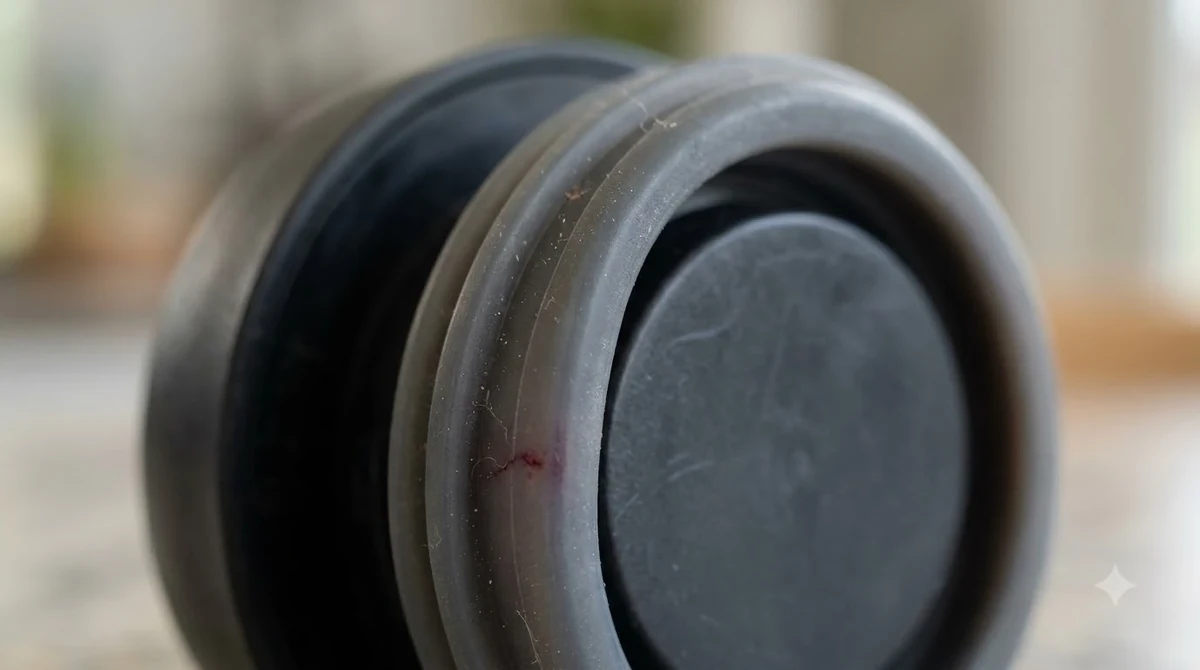
Why it stands out: Because oxygen is the primary culprit behind stale wine, physically drawing air out of the bottle does far more than a simple passive plug. According to editors at Wine Enthusiast, a regular stopper works fine if you finish the bottle the next day, but wine still interacts with trapped air inside the glass unless it is vacuum-sealed. Most manual pumps emit an audible click once you reach the target vacuum level, taking the guesswork out of sealing.
Keep in mind and best for: Vacuum stoppers must never be used on sparkling wines, as pumping out air strips away dissolved carbon dioxide and leaves bubbly flat. Reviewers at TechGearLab also point out that manual pumps require a bit of technique and firm downward pressure to seat properly, while drastic temperature swings can occasionally loosen the seal. This style is best for everyday drinkers who regularly open a bottle on Tuesday and want a fresh-tasting pour on Friday without rushing.

- Material
- Plastic, rubber
- Set Size
- Pump plus 20 stoppers
- Freshness
- Up to 10 days
- Size
- 3.07 x 5.27 in
Aimed at multi-day freshness for still wines, this kit pairs a hand pump with twenty reusable stoppers. Place the pump over a stopper and pump out air until you feel strong resistance, which signals the bottle is sealed. The maker says opened red or white wine stays fresh for up to ten days, so it suits households that open several bottles a week.
Pros & ConsView
- Pump and twenty reusable stoppers in one kit
- Firm resistance signals the bottle is sealed
- Works for opened red or white still wine
- Pump step adds time to every reseal
- Pump is one more item to store
Best for Leak-Proof Refrigerator Storage: Expanding Silicone Stoppers
Expanding silicone stoppers rely on a lever, twist top, or push-button mechanism that compresses a flexible gasket outward against the inner glass neck, creating a tight mechanical grip that will not pop loose in a crowded fridge.
Why it stands out: Standard tapered corks and decorative metal plugs often sit tall and loosen if bumped, causing messy red wine spills across refrigerator shelves. Expanding designs feature a low-profile cap that clears standard fridge door bins and rack spacing effortlessly. Once engaged, the silicone rings press firmly against the bottle wall, giving you the confidence to lay bottles horizontally on wire racks or tuck them into a picnic cooler without leaks.
Keep in mind and best for: While expanding silicone blocks outside air from entering, it does not remove the oxygen already sitting above the wine inside the bottle. Reviewers note that these seals reliably preserve crispness for roughly two to four days—plenty of time for most white wines and rosés, though delicate aged reds may soften faster. Choose this category if fridge space is tight, you store bottles on their sides, or you hate keeping track of separate pump attachments.

- Material
- Plastic lever, rubber seal
- Set Size
- 3 stoppers, assorted colors
- Seal
- Lever press, air-tight
- Care
- Hand wash recommended
Made for leak-proof refrigerator storage, this pack of three uses a lever you press to expand the rubber seal inside the neck for an air-tight fit. It is not limited to wine: the listing names mineral water, beer, champagne, vinegar, and oil as well. Hand washing is recommended to keep the seal and lever in good shape over time.
Pros & ConsView
- Lever press expands a rubber seal
- Three stoppers in assorted colors
- Seals wine, beer, vinegar, oil, and more
- Hand washing is recommended
- Plastic lever, not a metal build
Best for Sparkling Wine and Prosecco: Clamping Champagne Sealers
Clamping Champagne sealers lock onto the thick lip of a sparkling wine bottle using hinged metal wings or a twist-collar mechanism, pressing a thick silicone pad over the opening to trap pressurized carbon dioxide inside.
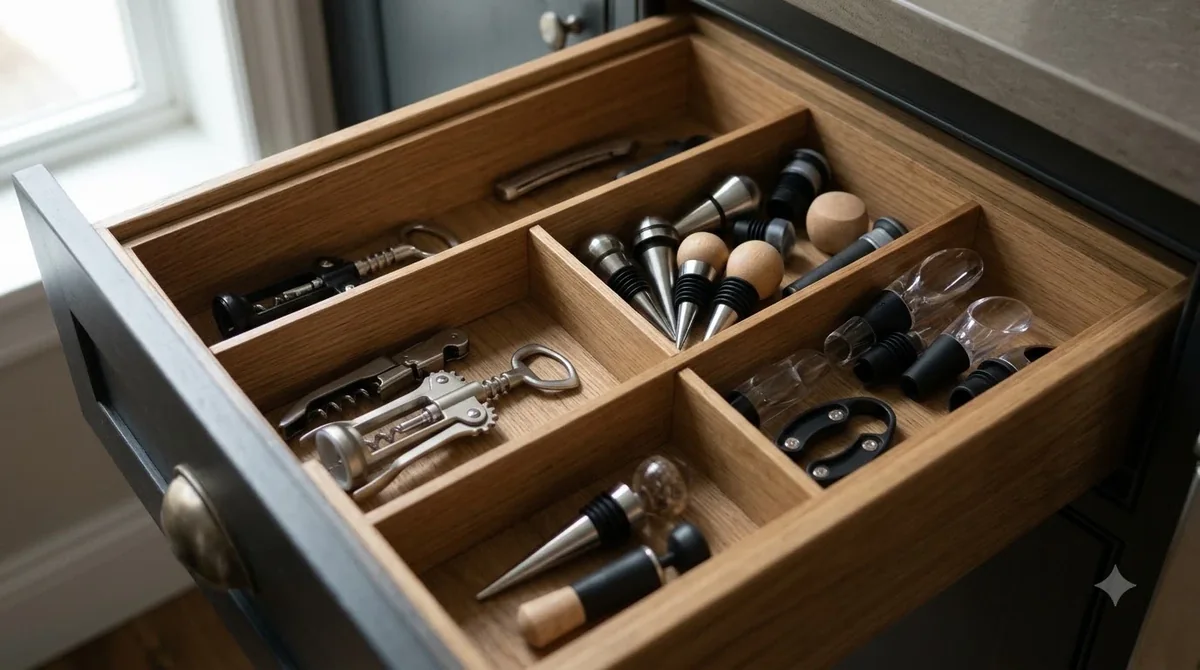
Why it stands out: Sparkling wines hold substantial internal pressure—often around two atmospheres or more even after opening—which will launch a standard friction stopper straight across the kitchen. A dedicated champagne stopper hooks underneath the glass collar of the bottle neck so the internal gas pressure actually reinforces the seal against the silicone gasket. Quality lever-action models snap shut in one smooth motion and preserve lively effervescence for several days in the refrigerator.
Keep in mind and best for: Because sparkling wine necks are wider and feature a pronounced glass lip, clamping sealers will not fit standard still wine bottles. Manufacturers also advise storing sealed sparkling bottles upright rather than on their sides to prevent pressure leaks. This type is essential for anyone who loves pouring a single celebratory glass of Champagne, Cava, or Prosecco on a weeknight without committing to the entire bottle.

- Material
- Food-grade silicone, stainless steel
- Set Size
- 4 stoppers, multicolor
- Size
- 3.5 x 4 in
- Uses
- Wine, soda, oil, vinegar
A set of four food-grade silicone and stainless steel stoppers for opened wine and other drinks, with a flexible grip top that is easy to insert and remove. The listing names soda among its uses, which makes it handy for sparkling bottles, but it is not described as a clamp-style champagne sealer, so expect a general-purpose air-tight stopper.
Pros & ConsView
- Four stoppers in a multicolor set
- Food-grade silicone will not change flavor
- Flexible grip top inserts and removes easily
- Not described as a clamp-style sealer
- Pressure rating for sparkling wine is not listed
Best for Collectors and Cellar Bottles: Inert Gas Preservation Systems
Inert gas systems replace oxygen in the bottle with heavier-than-air argon or nitrogen gas—either through a thin hollow needle that pierces natural cork or via a specialized valve stopper—protecting prized wines for weeks rather than days.
Why it stands out: Even the strongest vacuum pump leaves behind trace oxygen that eventually dulls complex aromatics in fine wine. By blanketing the liquid surface in pure argon, an inert gas system prevents oxidation entirely. As detailed in Coravin’s preservation comparison, needle-based and argon-valve systems let you sample a glass and keep the remaining wine tasting fresh for up to four weeks.
Keep in mind and best for: Inert gas units require ongoing replacement capsules, and needle-style models work only with natural cork rather than synthetic plugs or screw caps. They also carry a larger footprint than pocket-sized rubber stoppers. Still, for collectors tasting mature vintages side by side or pouring one glass of a special bottle each weekend, nothing matches their longevity.

- Material
- Stainless steel
- Hold Time
- Up to 3 days, champagne
- Operation
- One-hand
- Size
- 3.88 x 2 in
This stopper is a short-term tool rather than a true inert gas system. Its stainless steel body gives a leak-proof, airtight seal that keeps champagne bubbly for up to 3 days, and one-hand operation makes resealing quick. It works for a cellar bottle opened for a weeknight pour, but it is not intended for long-term preservation.
Pros & ConsView
- Leak-proof, airtight stainless steel seal
- Champagne stays bubbly up to 3 days
- Easy one-hand operation
- Not an inert gas system
- Three-day window limits cellar use
Best for Dinner Parties and Drip-Free Pouring: Pour-Spout and Aerator Stoppers
Pour-spout stoppers combine a tapered silicone base with a built-in pouring flute and hinged flip-top or push-down cap, allowing hosts to serve smoothly at the table and seal the bottle between rounds without pulling the plug out.
Why it stands out: When you are hosting dinner, constantly prying out a tight rubber plug before every refill slows down service and invites drips down the bottle label. Integrated pour-spout stoppers channel wine cleanly into the glass, and many include tiny air-intake vents that gently aerate young red wines as you pour. Once everyone’s glass is topped up, a simple flick of the thumb closes the cap to keep fruit flies and dust out.
Keep in mind and best for: Flip-top pourers sit tall above the bottle neck and are engineered for short-term convenience rather than airtight horizontal storage. If you have wine left over at the end of the night, swap the pour spout for a low-profile vacuum or expanding silicone stopper before putting the bottle in the fridge. Keep a couple on hand for casual entertaining, outdoor barbecues, and young tannic reds that benefit from quick aeration.

- Material
- BPA-free plastic, made in USA
- Functions
- Aerate, pour, filter, re-cork
- Set Size
- 2 pieces
- Care
- Dishwasher safe
For dinner parties, this one piece aerates newly opened wine, pours without splashing or dripping, and filters cork, sediment, and tartrates on the way out. At the end of the night it doubles as an airtight, liquid-tight stopper, so bottles can be stored upright or on their side. It fits most standard-size bottles and is reusable and dishwasher safe.
Pros & ConsView
- Aerates and filters sediment while pouring
- Drip-free pour keeps tables clean
- Airtight stopper for upright or side storage
- Plastic construction, with no metal parts
- Fits most, but not all, bottles
How to Choose
Selecting the right closure comes down to matching the mechanism to your drinking habits and storage setup. Before adding a stopper to your bar cart, weigh these four practical factors:
- Bottle neck compatibility: Standard 750ml still wine bottles share a uniform inner diameter, whereas sparkling wine bottles have wider openings and thick lips. Check whether a stopper fits screw-top threads cleanly, as thin glass threads can challenge shallow friction plugs.
- Storage orientation and height: Measure your refrigerator door shelves if you chill whites and rosés upright. Tall decorative finials or pump-top valves can hit upper shelves, while low-profile expanding stoppers let you lay bottles flat on wine racks.
- Material safety and cleanup: Look for food-grade silicone and stainless steel components that resist staining from dark reds and will not impart rubbery odors. Dishwasher-safe parts save time, though hand washing with warm soapy water extends the life of flexible gaskets.
- Typical drinking pace: If you finish an opened bottle within 48 hours, a simple silicone plug or pour-spout stopper handles the job. If bottles routinely linger for five days or longer, invest in vacuum seals or argon gas preservation.
Tip: Even with an airtight seal, always store opened red wine in the refrigerator rather than on a warm kitchen counter. Cold temperatures dramatically slow down chemical oxidation, and you can simply let a poured glass warm up for 15 minutes before drinking.
Frequently Asked Questions
How long does wine stay fresh with a bottle stopper?
Most still wines stay fresh for two to four days with a standard airtight silicone stopper and up to a week with a reliable vacuum pump seal. Inert argon gas systems can extend that window to three or four weeks. For a full breakdown by varietal and storage temperature, see our guide on how long wine lasts after opening.
Can you use a vacuum wine stopper on Champagne or Prosecco?
No, you should never use a vacuum pump on sparkling wine. Pumping air out of the bottle lowers internal pressure and pulls dissolved carbonation directly out of the liquid, making your bubbly go flat faster. Always use a clamping Champagne sealer designed to hold pressure inside the glass.
Do wine stoppers work on screw-cap bottles?
Yes, tapered silicone stoppers and vacuum plugs fit inside the neck of most screw-cap wine bottles without issue. However, if the original metal screw cap is undamaged, twisting it back on tightly already creates a surprisingly effective seal for overnight storage. Expanding silicone stoppers are particularly helpful if the original cap gets bent or misplaced.
Why does my vacuum stopper lose its seal overnight?
A lost vacuum seal usually happens when moisture or wine residue sits on the rim, preventing the rubber gasket from gripping the glass. Wipe the inside of the bottle neck dry with a paper towel, press the stopper down firmly with a slight twist, and pump until you feel resistance. Drastic temperature changes, such as moving a warm bottle into a cold fridge, can also shift internal air pressure enough to loosen older seals.
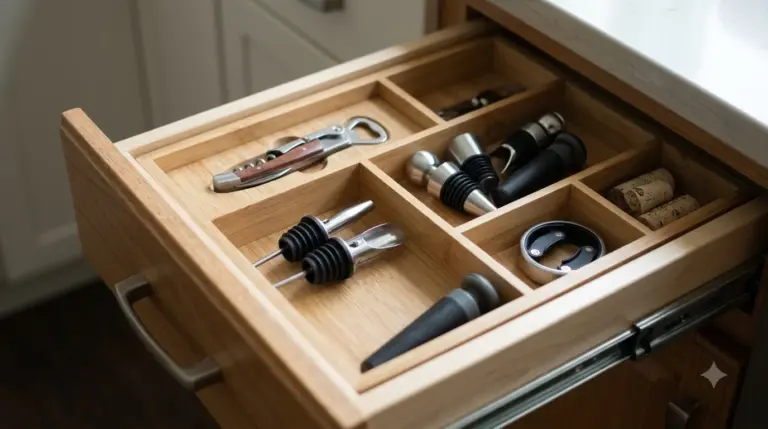
Keeping two or three different stopper styles in your kitchen drawer ensures you are never caught off guard after opening a great bottle. Pair a low-profile expanding silicone stopper for everyday fridge storage with a dedicated clamping sealer for sparkling wine, and explore our full Preservation & Stoppers hub as your collection grows.
More in Preservation & Coravin
 Coravin Model Eleven Review: Preserve Wine Without Opening BottlesUpdated Nov 20, 2026
 Is Coravin Worth It? A Practical Guide to Its Real ValueUpdated Nov 20, 2026
 Coravin Timeless Six: Pour a Glass Without Opening the BottleUpdated Nov 20, 2026
 Coravin Pivot Plus Review: Keep Open Wine Fresh for WeeksUpdated Nov 20, 2026
 Coravin Screw Caps Review: Specs, Lifespan, and Real-World PreservationUpdated Nov 20, 2026
 Coravin Alternatives That Keep Open Wine Fresh LongerUpdated Nov 20, 2026