

We may earn a commission when you buy through links on this page, at no extra cost to you. Learn more.
Franciscan wine is a California wine range from Franciscan Estate, a producer that marks about 50 years of winemaking and sells Cabernet Sauvignon, Chardonnay, and Sauvignon Blanc. The brand describes its approach as traditionally crafted wines with a modern taste, aiming for wines that are bold, smooth, and flavorful. The best way to know what a specific bottle will taste like is to read its vintage and tasting note, since the range covers both red and white styles.
This guide explains what the Franciscan name stands for, the main styles in its range, how to serve and pair the wines, and what to check on a label before you buy. It is written for shoppers who see the brand in a grocery store or on a restaurant list and want a quick sense of what they are choosing.
Where the Franciscan Name Comes From
Franciscan Estate presents itself as a traditional California winery with a long track record. Its website highlights 50 years of winemaking and describes a history rooted in traditional California methods. The brand’s own tagline, “Traditionally Crafted Wines with a Modern Taste,” sums up the house approach: classic winemaking with a fruit-forward, approachable finish.
The site does not give a founding year or detailed vineyard information in the text retrieved for this guide, so this article avoids stating specific sites, acreage, or fermentation methods. For current releases and the producer’s own description of its wines, visit the Franciscan Estate website.
The Main Styles in the Range
The producer’s recent releases highlight three core wines, each with a clear profile. The 2022 Cabernet is described with black cherry, dark raspberry, and caramel notes. The 2023 Chardonnay shows pineapple and peach, and the 2023 Sauvignon Blanc shows grapefruit, green apple, and lemon zest. Those notes give shoppers a useful starting point, because they show the range covers a red, a rich white, and a crisp white.
Across the range, the house style aims for bold but smooth wines. Reds lean toward dark fruit and a rounder texture, while the whites focus on fruit and freshness. The table below summarizes the three wines by category, so you can match a bottle to the food or occasion you have in mind.
| Wine | Listed aromas and flavors | Best match |
|---|---|---|
| Cabernet (2022) | Black cherry, dark raspberry, and caramel | Grilled steak, burgers, and roast lamb |
| Chardonnay (2023) | Pineapple and peach | Roast chicken, creamy pasta, and grilled shrimp |
| Sauvignon Blanc (2023) | Grapefruit, green apple, and lemon zest | Salads, goat cheese, and light seafood |
The notes above come from the producer’s listings for these vintages. Later releases may show different characteristics, so check the label year before you buy.
Tip: When you compare Franciscan wines with others from California, look at the vintage and the grape first. Two bottles from the same winery can taste quite different if one is a warm year and the other is a cool year.
How to Serve Franciscan Wine
Serve the white wines chilled but not ice cold. A cool glass keeps the grapefruit and green apple crisp in the Sauvignon Blanc, and it lets the pineapple and peach in the Chardonnay show without tasting flat. A short time in the refrigerator before serving is usually enough for both, and an open bottle of white keeps its freshness best when it is recorked and returned to the fridge the same evening.
The Cabernet is best served slightly below room temperature. Heat can make a red taste heavy and hot, so bring the bottle out of a warm room and let it rest for a few minutes before pouring. Use a large glass so the dark fruit and caramel notes can open as you swirl.
Food Pairings for Franciscan Wines
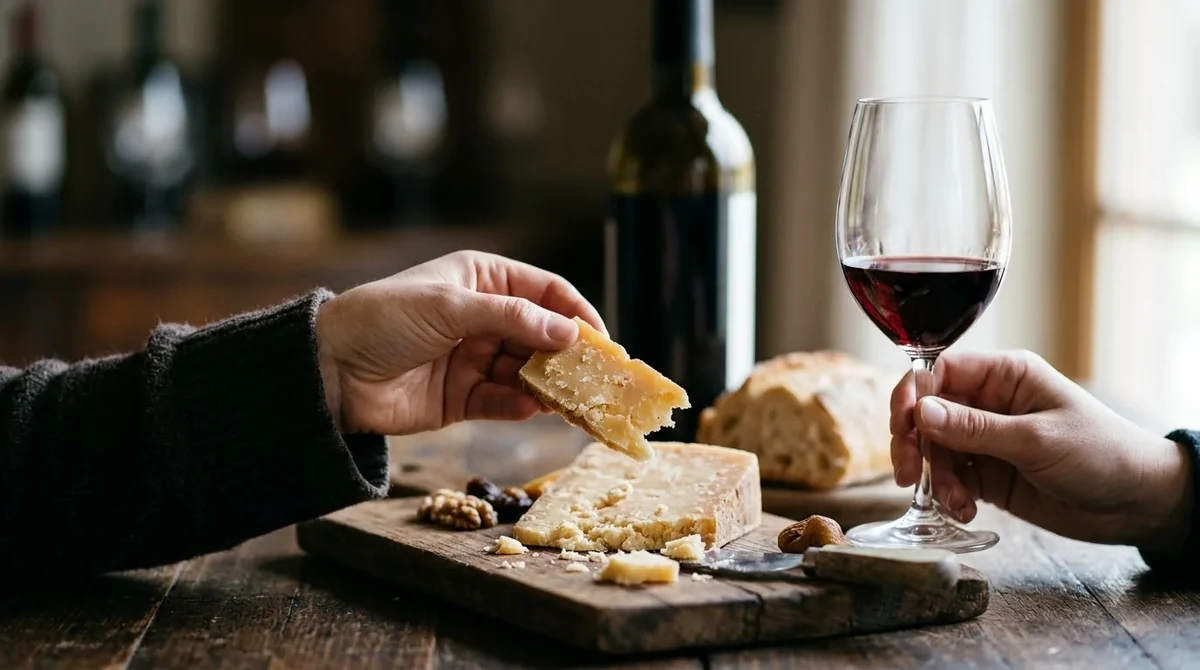
The Cabernet pairs with grilled and roasted meats. Its dark fruit and structure work well with steak, burgers, and roast lamb, and the caramel note suits a barbecue glaze. Hearty vegetable dishes such as mushroom stew or grilled portobellos also match the wine’s body.
The Chardonnay works with roast chicken, creamy pasta, and grilled shrimp. Its pineapple and peach fruit suits dishes with a little sweetness or smoke, such as glazed pork or a fruit salsa. For a richer dinner, it can also pair with buttery sauces and roasted vegetables.
The Sauvignon Blanc is the easiest match for lighter food. Grapefruit and lemon zest cut through salads, goat cheese, and fresh seafood. It also works as an aperitif with a plate of olives or fresh vegetables, because the acidity keeps the palate lively.
A simple dinner that uses all three wines is easy to plan. Start with the Sauvignon Blanc alongside a salad, move to the Chardonnay with roast chicken, and finish with the Cabernet over grilled steak or burgers. Each wine gets a course that suits its body and fruit, and guests can taste the difference between a crisp white, a rich white, and a dark red in one evening.
What to Check on the Label
A label tells you more than the brand name. Look for the vintage year, the grape or blend, and the appellation, which shows where the grapes were grown. A California appellation on the label tells you the region, but the vineyard and blend change from bottle to bottle, so the year and grape are the details that most affect taste.
Check the alcohol level and the style description as well. A reference like Wine Folly’s Cabernet Sauvignon guide notes that the grape is typically dry and full-bodied, with medium-high tannins and flavors of black cherry, black currant, and cedar. That general profile helps you interpret a Franciscan Cabernet against the producer’s own tasting notes.
For a white wine, the grape name is the strongest clue to style. Sauvignon Blanc is usually crisp and herbal, with citrus and green fruit, while Chardonnay can range from lean and mineral to rich and buttery depending on how it was made. The producer’s notes for its Chardonnay point toward the fruit-forward end of that range, with pineapple and peach rather than the tart citrus of an unoaked style.
If you buy a wine as a gift or for a group, a label that lists the vintage and grape is more useful than a shelf-talker alone. Pick a bottle whose grape you know your guests enjoy, and keep one white and one red on hand so you have a choice at the table. That simple plan works for most gatherings and avoids the guesswork of a single unknown bottle.
Frequently Asked Questions
What wines does Franciscan make?
The producer’s recent releases include a Cabernet, a Chardonnay, and a Sauvignon Blanc, covering both red and white styles. Check the current listing on the winery’s website for the full range.
How long has Franciscan been making wine?
The winery’s website highlights 50 years of winemaking, describing a history rooted in traditional California methods.
Is Franciscan Cabernet a full-bodied wine?
Cabernet Sauvignon in general is dry and full-bodied, with medium-high tannins. The producer’s 2022 Cabernet is described with black cherry, dark raspberry, and caramel notes, which fits that broad profile.
Is Franciscan a good choice for a first white wine?
It can be. The Sauvignon Blanc shows grapefruit and green apple with a crisp finish, which is an approachable style for beginners who want a fresh, easy-drinking white.
Franciscan wine offers a clear example of a traditional California house with a fruit-forward approach. To keep exploring, read our Wine Brands guide, and compare the Cabernet style with other California reds in our Caymus Cabernet overview or the white style with our Kendall-Jackson Chardonnay guide.
More in Wine Brands
 Underwood Wine Price: Compare Bottles, Cans, and Pack SizesUpdated Nov 21, 2026
 Zenato Wine Price: Compare Styles and Choose the Right BottleUpdated Nov 21, 2026
 Zuccardi Wine Price: Compare Bottles and Find the Right RangeUpdated Nov 21, 2026
 Yellow Tail Moscato Review: Taste, Sweetness and Serving TipsUpdated Nov 21, 2026
 Wolf Blass Yellow Label Review: Choose Your Best StyleUpdated Nov 21, 2026
 Wolffer Estate Rose Review: Choose the Right Bottle for Your TableUpdated Nov 21, 2026