

We may earn a commission when you buy through links on this page, at no extra cost to you. Learn more.
Domaine Serene chardonnay is an Oregon white made from high-elevation vineyards in the Dundee Hills, the Willamette Valley area southwest of Portland. The winery’s current Chardonnay on its website is the 2022 Aspect, which draws on several Dundee Hills sites, including a south-facing block called Triple Crown and a southwest-facing site called Clos de Lune. The brand says the wine can be enjoyed now or cellared for five years or more.
Domaine Serene is one of the better-known names in Oregon wine, and its chardonnay is often the bottle that shoppers compare with California versions. This guide explains where the fruit comes from, what the winery says about its Chardonnay, and how to serve and pair it so you get the most out of a cool-climate white.
Where Domaine Serene Chardonnay Comes From
The winery’s website invites visitors to the Dundee Hills, the hillside district of Oregon’s Willamette Valley. The brand describes its Chardonnay as coming from several high-elevation Dundee Hills vineyards rather than a single block. Elevation matters in a cool region because it lets the grapes ripen slowly, which tends to keep acidity bright and aromas precise.
The Aspect Chardonnay names two specific sites on the website. Triple Crown faces south, which gives it more direct sun exposure, while Clos de Lune faces southwest and sees afternoon light. Blending the two sites is a common way for a winery to balance ripeness and freshness, because each block contributes a slightly different profile to the final wine.
What the Aspect Bottling Says About Style
The website describes the 2022 Aspect as a wine that can be enjoyed now or held for five years or longer. That range tells you the producer expects structure and acidity that will develop with age, rather than a soft, short-lived white. For most drinkers, that means the wine is serious enough to age but still open enough to drink with a meal in its early years.
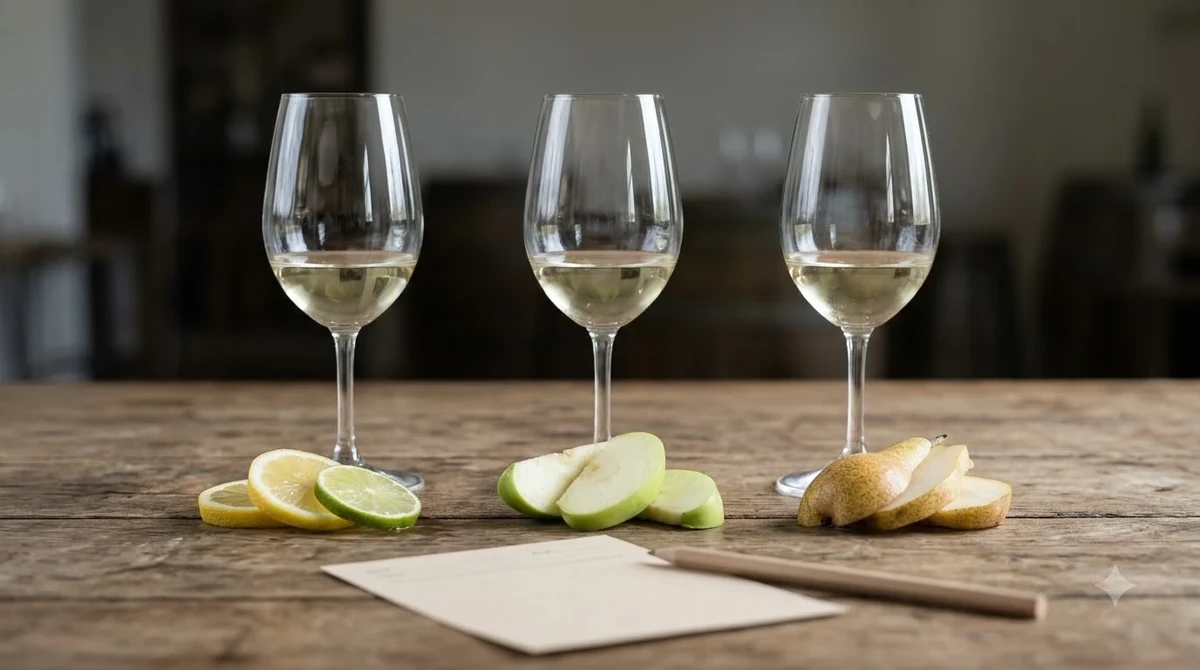
Cool-climate chardonnay generally shows a different profile from warm-region versions. The Wine Folly chardonnay guide describes cool climates as producing lean, crisp wines with high acidity and mineral character, with green apple, citrus and sometimes oyster-shell notes. Warm regions tend to yield fuller wines with stone fruit and tropical tones. Oregon’s cooler conditions usually land on the leaner, more acid-driven side of that spectrum.
| Feature | What the winery says | What it means for the glass |
|---|---|---|
| Current Chardonnay | 2022 Aspect | A release from the 2022 vintage on the brand’s site |
| Vineyard sources | Multiple high-elevation Dundee Hills sites | A blend that balances different slopes and exposures |
| Named sites | Triple Crown (south-facing), Clos de Lune (southwest-facing) | Differences in sun and ripening that add layers |
| Cellaring | Enjoy now or cellar for five years or more | Built to develop with time in the bottle |
Tip: Because the Aspect is meant to age, a bottle from a recent vintage will be more lively and direct. Older bottles show more savory and honeyed notes, so decide which style you want before you buy.
How Oak and Winemaking Influence the Wine
Chardonnay takes its shape from winemaking as much as from the vineyard. Malolactic fermentation softens sharp malic acid into a creamier lactic acid and adds buttery aromas, while barrel aging brings vanilla, spice and texture. Lees stirring can add brioche and a silkier feel. Each of these choices can be used lightly or heavily, which is why two chardonnays from the same region can taste very different.
The website does not list every winemaking detail for the Aspect, so avoid assuming a specific oak regime. What the brand does make clear is its focus on high-elevation fruit and its emphasis on structure that will age. That combination usually points to a wine with good acidity and a balanced use of oak, rather than a heavy, buttery style.
Serving Temperature and Glassware
Serve a structured Oregon chardonnay cool, but not as cold as a sparkling wine. A short time in the refrigerator, followed by a few minutes on the table, usually brings the wine to a good range where the acidity feels bright and the fruit has room to show. Very cold bottles mute the aromas, so do not serve it straight from the coldest shelf.
A medium-sized white wine glass with a moderate bowl is a good choice. It concentrates the aromas without making the wine feel thin. Pour a modest amount and let the glass sit for a few minutes, because a chardonnay with this much structure opens up as it warms. Wait until the second or third sip to judge the balance, since the first taste can be sharper than the wine becomes later on.
Food Pairing for Domaine Serene Chardonnay
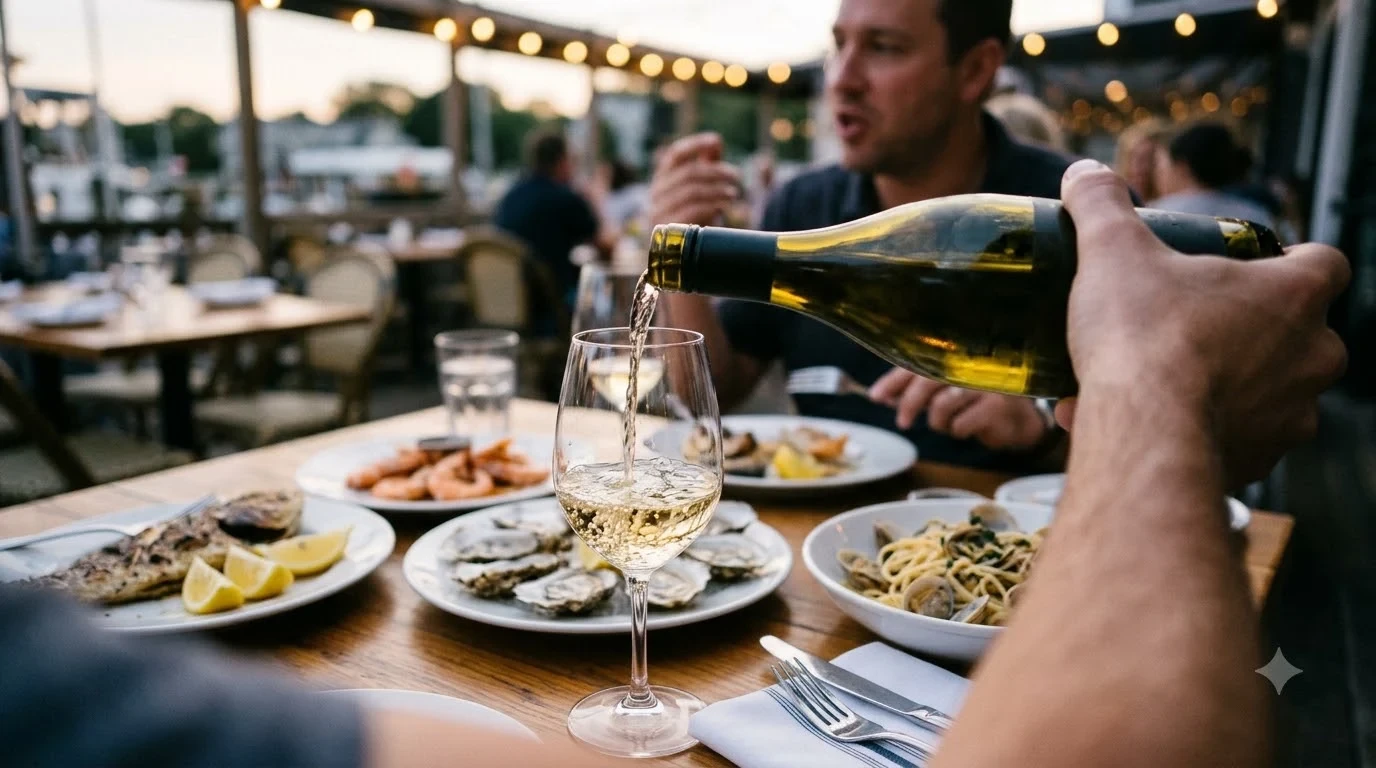
Acidity makes this chardonnay flexible at the table. It suits fish and shellfish, including salmon, halibut, crab and scallops, especially when they are cooked with butter, herbs or lemon. Roast chicken with herbs, pork with apples and creamy pasta with mushrooms are also good matches. The wine’s freshness keeps richer dishes from feeling heavy.
For vegetables, try asparagus, peas, fennel or a simple salad with citrus. Hard cheeses such as aged Gouda or Comté pair well, and a soft goat cheese works if the wine has enough acidity to cut through it. Avoid very spicy or heavily smoked food, because it can make the wine taste sharper and less fruity than you want.
Buying and Cellaring Domaine Serene Chardonnay
Buying a structured Oregon chardonnay is easiest when you match the bottle to your plans. If you want a white for dinner this week, choose a recent release and open it within a year or two of purchase, because the fruit will feel lively and direct. If you plan to keep a bottle, the winery’s own statement that the Aspect can be cellared for five years or more is a useful guide, and you should store it in a cool, dark place with steady conditions.
Storage matters for any white that is meant to age. Heat, light and large temperature swings can speed up oxidation and flatten the fruit, so keep bottles away from windows and warm kitchen counters. A closet or a dedicated wine fridge works well, and a cellar with stable conditions is better still. Once you open a bottle, reseal it and keep it cold, then drink it within a few days so the freshness does not fade.
When you compare vintages, keep notes on the year, the wine’s acidity and the way its flavors change over a few hours. Cool-climate whites often seem tight when young and open up with time, so a bottle that tastes sharp on day one may be more balanced a few hours later. Those small observations will help you decide when to drink your next bottle.
Frequently Asked Questions
Where is Domaine Serene chardonnay grown?
The winery says its Chardonnay comes from high-elevation vineyards in the Dundee Hills, a district of Oregon’s Willamette Valley. The 2022 Aspect draws on several sites, including Triple Crown and Clos de Lune.
Is Domaine Serene Aspect Chardonnay meant for aging?
Yes, according to the winery’s website. The brand says the 2022 Aspect can be enjoyed now or cellared for five years or more, so it is designed to develop with time as well as to drink young.
How is cool-climate chardonnay different?
Cool-climate chardonnay tends to be leaner, with higher acidity and crisp green-apple or citrus notes. Warm-climate versions are usually fuller and show stone fruit or tropical flavors. Oregon’s cooler conditions generally produce the leaner style.
What should I serve with Domaine Serene chardonnay?
Fish, shellfish, roast chicken and creamy mushroom pasta all suit it. Its acidity keeps richer dishes balanced, so it works well at a relaxed dinner as well as a more formal meal.
If you enjoy this style, compare it with the lighter, fruit-forward chardonnays in our wine brands guide. For a sweeter, easy-drinking white for contrast, our look at Barefoot wine shows a very different approach to the same category.
For the current release details, vineyard notes and tasting room information, visit the Domaine Serene website. For the general style differences between cool and warm climate chardonnay, the Wine Folly chardonnay guide is a useful reference.
More in Wine Brands
 Underwood Wine Price: Compare Bottles, Cans, and Pack SizesUpdated Nov 21, 2026
 Zenato Wine Price: Compare Styles and Choose the Right BottleUpdated Nov 21, 2026
 Zuccardi Wine Price: Compare Bottles and Find the Right RangeUpdated Nov 21, 2026
 Yellow Tail Moscato Review: Taste, Sweetness and Serving TipsUpdated Nov 21, 2026
 Wolf Blass Yellow Label Review: Choose Your Best StyleUpdated Nov 21, 2026
 Wolffer Estate Rose Review: Choose the Right Bottle for Your TableUpdated Nov 21, 2026