

We may earn a commission when you buy through links on this page, at no extra cost to you. Learn more.
Stoller wine comes from an estate in Oregon’s Dundee Hills, where the family’s property was established in 1943 and developed into one of the largest contiguous vineyards in the area. The estate highlights Pinot Noir and Chardonnay, and it also makes a white Pinot Noir, rosé, and a sparkling Estate Brut. This guide explains the estate’s history, what the lineup covers, and how to serve and pair Stoller wines at home.
Stoller is one of the better-known names in Oregon wine, but many people who see the bottle in a shop do not know much about the land behind it. Is it a single winery or a group of vineyards? Why does the estate focus so much on Pinot Noir? The sections below answer those questions using the estate’s own site, so you can see what the producer says about its history, vineyard, and wines.
Who Founded the Stoller Estate
The Stoller story starts with land rather than a winery. According to the estate’s website, the property was established in 1943, and the vineyard followed about 50 years later. A caption on the site names Bill Stoller as the founder of the Stoller Family Estate winery, and the family is credited with establishing the property.
That order matters for shoppers because it explains the estate’s focus. The family built the vineyard first and the winery later, so the grapes are central to the brand rather than an afterthought. The estate describes controlling every step of production, from pruning to bottling, which is a common approach for producers who want a consistent link between the vineyard and the glass.
From Dundee Hills Property to Estate Vineyard
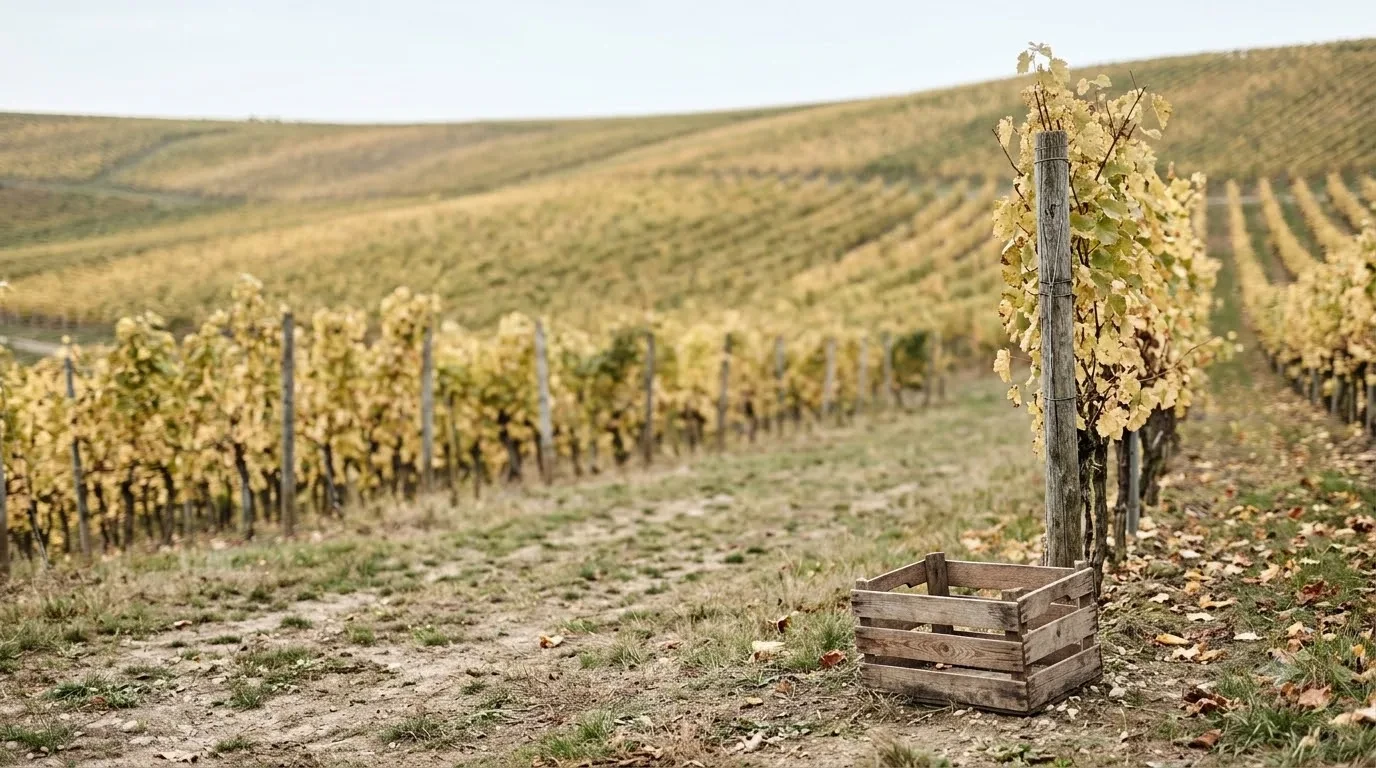
Over the last 30 years, the property was developed into what the estate describes as the largest contiguous vineyard in Oregon’s Dundee Hills, covering about 400 acres. The estate’s address on the official site is in Dayton, Oregon, and the vineyard is in the Dundee Hills, one of the best-known growing areas in the Willamette Valley.
The estate also points to sustainability as part of its identity. It says the winery was the first in the world to receive LEED Gold certification, and it lists several awards on its site. Those claims come from the producer and are best read as the estate’s own description, but they show how the brand presents its vineyard and building work to the public.

The Core Varietals and the Current Lineup
Pinot Noir and Chardonnay are the varietals the estate highlights most clearly. The site also features a white Pinot Noir, a rosé, a range of still wines, and sparkling wine, including an Estate Brut. The table below sets out the main categories and what each type usually offers, based on the estate’s description and the general character of each grape.
| Style | How the estate describes it | What to expect |
|---|---|---|
| Pinot Noir | The estate’s signature red, with single-vineyard expressions | Red fruit, silky texture, and a lighter body than many reds |
| Chardonnay | A core white wine in the lineup | Crisp to creamy depending on oak and winemaking choices |
| White Pinot Noir | A white wine made from a red grape | Pale color, fresh fruit, and a light, lively style |
| Rosé | Pink wine in the red, white, and rosé range | Dry, fruity, and a good match for warm-weather meals |
| Estate Brut | The sparkling wine in the lineup | Dry bubbles with a fine, persistent texture |
The estate describes its wines as balanced and complex, and it highlights single-vineyard bottlings in its lineup. That focus means the vineyard name on a label tells you more about the wine than a general brand name would. If you want to see how the estate’s approach compares with other American producers, the wine brands guide offers a broader set of comparisons.
Sparkling wine is a good reminder that a producer’s style is not limited to a single grape. The Estate Brut gives shoppers a dry option for celebrations and everyday meals alike, and it can be compared with an everyday sparkler such as La Marca Prosecco to see how a dry sparkling style differs from a Prosecco-based bottle.
What Estate-Grown Means on a Label
An estate wine comes from grapes grown on the producer’s own land, which gives the winery more control over farming decisions and harvest timing. For Stoller, the vineyard is the main story, so the label is best read as a statement about the Dundee Hills site and the estate’s practices.
Vintage matters as much as the varietal. Weather in Oregon changes the balance of fruit and acidity from one year to the next, so two bottles of the same Pinot Noir can taste different. Reading the vintage and, when available, the vineyard name helps set expectations before you open the bottle. Shoppers who want to explore further can taste a second bottle from a neighboring vintage to see how the estate’s style holds across seasons.
Buying a single-vineyard wine asks a little more of the shopper than buying a generic label, but the reward is a clearer sense of place. A bottle that names a vineyard tells you that the grapes came from one site, and that the winemaking was designed to reflect that site rather than a blend of sources. Shoppers who enjoy comparing bottles often find that two single-vineyard Pinot Noirs from the same estate show how small differences in slope, soil, and exposure can change the wine.
Price is a separate question from style. A premium estate bottle may cost more than a blended red, but the label alone does not show which bottle will suit your table. Reading the varietal, vintage, and vineyard together, then tasting with a simple meal, gives a more reliable answer than the brand name by itself. Sparkling and rosé bottles from the same estate can also serve as a quick comparison point for shoppers who want to learn the style.
Serving and Pairing Stoller Wine
Serving temperature changes how a wine tastes, and it matters across the Stoller range. Chardonnay and white Pinot Noir taste best cool rather than cold, which keeps the acidity lively without muting the fruit. Pinot Noir is usually at its best slightly cooler than room temperature, and a brief stop in the refrigerator before pouring is often enough to bring out its fruit and texture. Sparkling wine should be served well chilled, and the glass should be poured with a little room left at the top to keep the bubbles lively.
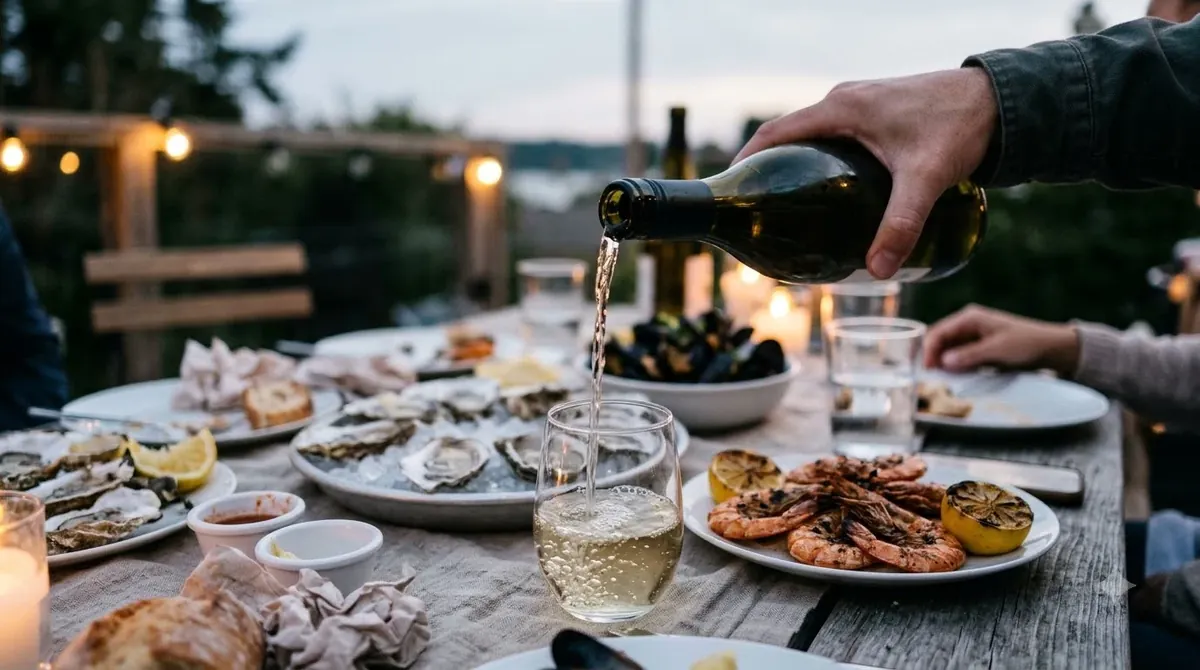
Pairing follows the same logic. Pinot Noir works with roast chicken, salmon, mushroom dishes, and roast duck. Chardonnay suits seafood, creamy pasta, and roast poultry. Rosé is a good match for salads, grilled fish, and summer vegetables, while the Estate Brut works with appetizers, oysters, and celebratory meals. The easiest rule is to match the weight of the food with the weight of the wine so neither one overwhelms the other.
Hosting a dinner with Stoller wine is easier when you plan the order of the bottles. Start with the sparkling Estate Brut or a crisp Chardonnay as guests arrive, move to a rosé or white Pinot Noir with lighter courses, and finish with Pinot Noir alongside the main dish. This order lets each wine show its character without competing with the one before it, and it gives guests a clear sense of how the estate’s styles differ.
Storage is the other practical detail. Keep bottles in a cool, dark place away from heat, and store reds on their sides if you plan to keep them for a while. Most everyday rosé and sparkling bottles are best opened sooner rather than later, while a Pinot Noir from a good vintage may reward a few more months of rest. These habits matter more than any single serving tip when you want the bottle to taste the way the producer intended.
Frequently Asked Questions
When was the Stoller estate established?
According to the estate’s website, the property was established in 1943, and the vineyard was planted about 50 years later. The site credits the Stoller family with establishing the property.
Where is Stoller wine made?
The vineyard is in Oregon’s Dundee Hills, part of the Willamette Valley. The estate says it covers about 400 acres and is the largest contiguous vineyard in the Dundee Hills.
What is Stoller best known for?
The estate highlights Pinot Noir and Chardonnay most clearly. It also produces a white Pinot Noir, rosé, and a sparkling Estate Brut.
Should Stoller Pinot Noir be served chilled?
Pinot Noir is usually best slightly cooler than room temperature. A short time in the refrigerator before pouring is often enough to bring out its fruit and texture.
Stoller wine rewards a bit of attention to the vineyard and the vintage on the label. Start with Pinot Noir or Chardonnay to see the estate’s core style, try the sparkling Estate Brut for a dry alternative, and use the serving and pairing tips above to match each bottle to the meal.
More in Wine Brands
 Underwood Wine Price: Compare Bottles, Cans, and Pack SizesUpdated Nov 21, 2026
 Zenato Wine Price: Compare Styles and Choose the Right BottleUpdated Nov 21, 2026
 Zuccardi Wine Price: Compare Bottles and Find the Right RangeUpdated Nov 21, 2026
 Yellow Tail Moscato Review: Taste, Sweetness and Serving TipsUpdated Nov 21, 2026
 Wolf Blass Yellow Label Review: Choose Your Best StyleUpdated Nov 21, 2026
 Wolffer Estate Rose Review: Choose the Right Bottle for Your TableUpdated Nov 21, 2026