

We may earn a commission when you buy through links on this page, at no extra cost to you. Learn more.
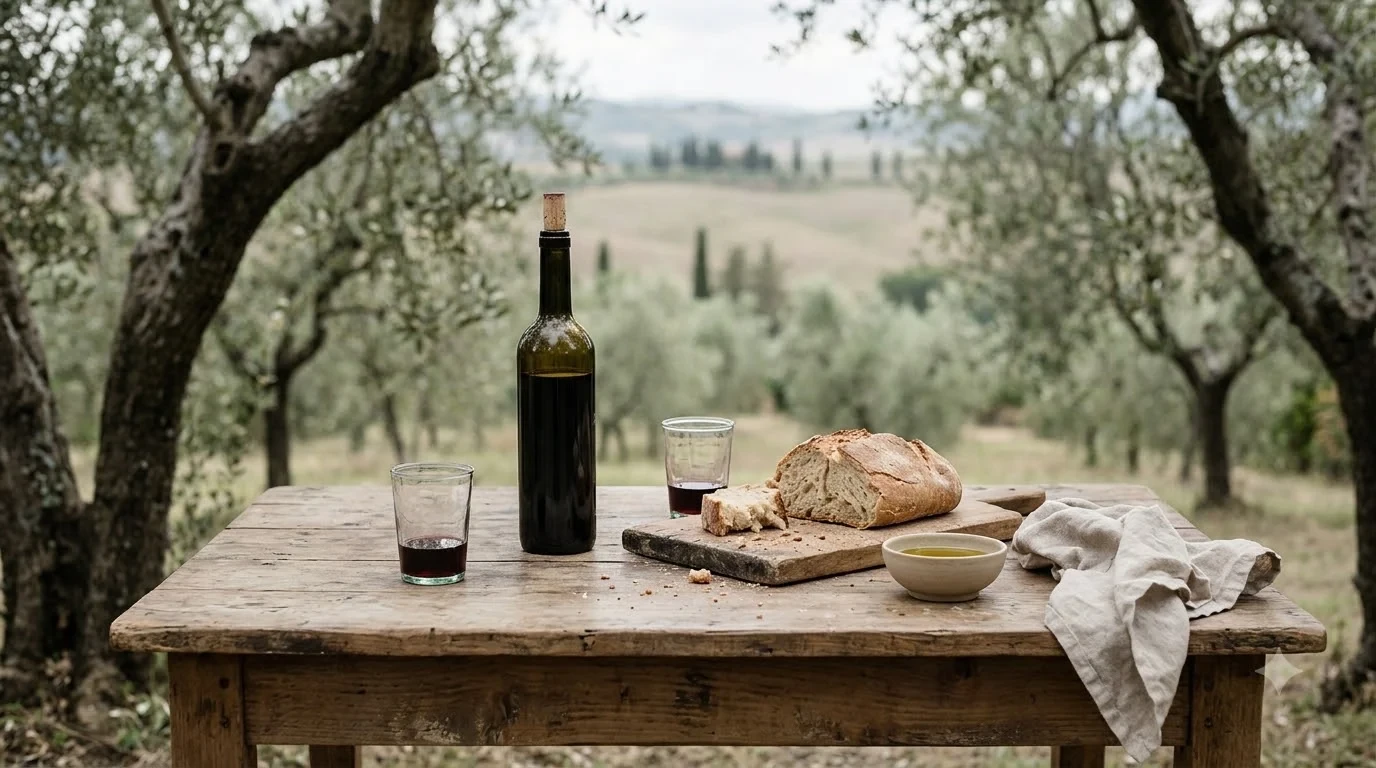
Antinori wine comes from Marchesi Antinori, a Florence-based Italian family company whose history in wine goes back to the 14th century and whose best-known bottle is Tignanello. The house is rooted in Tuscany, especially Chianti Classico and Sangiovese, but its estates now span several Italian regions and beyond, which makes it a useful name to know when you explore Italian wine.
Antinori is a name that appears on wine lists in restaurants and on shelves in many shops, yet people often wonder what the label stands for. This guide covers the family behind the bottles, the estates they own, the grapes and styles that define the range, and how to serve and pair them. The goal is to help you choose a bottle with a clear sense of what it is.
Who Makes Antinori Wine
The Antinori family has been making wine in Florence for a very long time. According to the company’s history, a family member joined the Florentine Guild of Winemakers in 1385, and the family’s earlier records go back further. Over the centuries the Antinori name became tied to Florence through the purchase of the Palazzo Antinori in 1506 and through a long period of business beyond wine, including silk weaving and banking.
The modern company took shape in the twentieth century. Piero Antinori bought vineyards in Chianti Classico around 1900, and his son Niccolò later made a Chianti blended with Bordeaux varieties in 1924, a move that surprised many Tuscan producers at the time. When Piero Antinori, Niccolò’s son, took over in 1966, he pushed the house further into new ideas. That spirit of experiment is still part of how the company describes its work today.
Tignanello and the Super-Tuscan Story
The wine most people connect with Antinori is Tignanello. It was first made from the 1971 vintage and was released in the 1970s, and it helped drive the so-called Super-Tuscan movement. Super-Tuscans are wines that break from traditional Chianti rules, often by blending Sangiovese with Bordeaux grapes or by using French oak. Solaia followed in the late 1970s, adding another landmark wine to the house’s range.
For a buyer, this history explains why the name carries weight. Tignanello is built around Sangiovese, with a share of other varieties in the blend, and the wine is widely regarded as a reference point for the style. Understanding that background helps you see why the bottle tastes the way it does, and why it often sits at the top of Antinori’s range.
The Estates and Where the Wines Come From
The company’s estates include Antinori nel Chianti Classico, Badia a Passignano, and Tenuta Guado al Tasso in Bolgheri, among others. The company’s official website also lists Prunotto, La Braccesca, and several properties outside Tuscany. That spread gives the house access to different soils and climates, from the hills of Chianti to the coastal vineyards of Bolgheri.
The family has invested in other places as well. Its Californian estate, Antica Napa Valley, and later ownership of wineries such as Stag’s Leap Wine Cellars show that the company has looked well beyond Italy. For a shopper, the key is to check which estate produced the bottle, because the name on the front tells you the house but the estate tells you the site.
| Wine or estate | Region | Main grape or style |
|---|---|---|
| Tignanello | Tuscany, Chianti Classico area | Sangiovese blend with other varieties |
| Solaia | Tuscany | Bordeaux-influenced red blend |
| Guado al Tasso | Bolgheri, coastal Tuscany | Bordeaux and Mediterranean varieties |
| Castello della Sala | Umbria | White wines including Orvieto Classico |
Tip: Antinori uses many labels and estates. When you shop, check the estate name and vintage on the back label, since the same house can produce a very different wine from one estate to another.
How the Wines Taste and How to Serve Them
Sangiovese is at the center of the range. It is a red grape that usually shows red cherry, savory herbs, and firm acidity, and its tannins can be grippy when young. Blends with Cabernet Sauvignon, Merlot, or Syrah add weight and a darker fruit profile. White wines from the portfolio, such as those from Umbria, tend to be lively and crisp, with citrus or stone fruit notes.
Serve the reds slightly cooler than room temperature so the fruit stays bright and the tannins feel smooth. Decanting a young, structured red for a short time can soften it and open up aromas. White wines do best chilled but not icy, which lets their aromas come through. A few minutes in the glass often reveals more than the first sip.
How to Pair Antinori Wine With Food
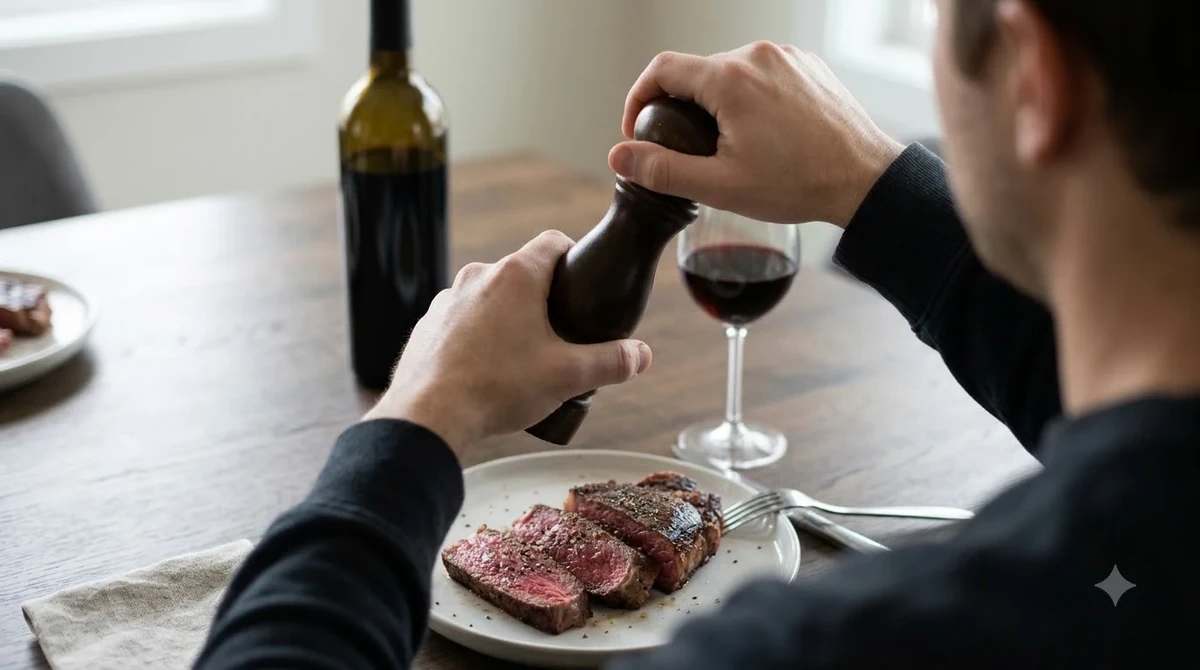
Sangiovese-based wines pair naturally with tomato dishes, grilled meats, and aged cheeses, since the acidity cuts through rich food and the tannins work well with protein. A roast or a braised dish with herbs is an easy match for a Chianti Classico. Super-Tuscan blends with more Bordeaux grapes can handle heavier cuts such as steak or game.
White wines suit seafood, lighter pasta dishes, and grilled vegetables. The general principle is to match weight with weight, and to let the wine’s acidity handle richness. For a wider look at how producers approach style and food, the wine brands section is a useful place to compare.
Antinori is often compared with other popular names, and a shopper may look at different tiers of price and style. A useful reference point is Barefoot wine, which targets a much broader, easy-drinking market. For Italian sparkling wine, La Marca Prosecco offers a lighter, everyday style. Antinori sits in a more site-focused, traditional category, and the right choice depends on the occasion.
How to Read an Antinori Label
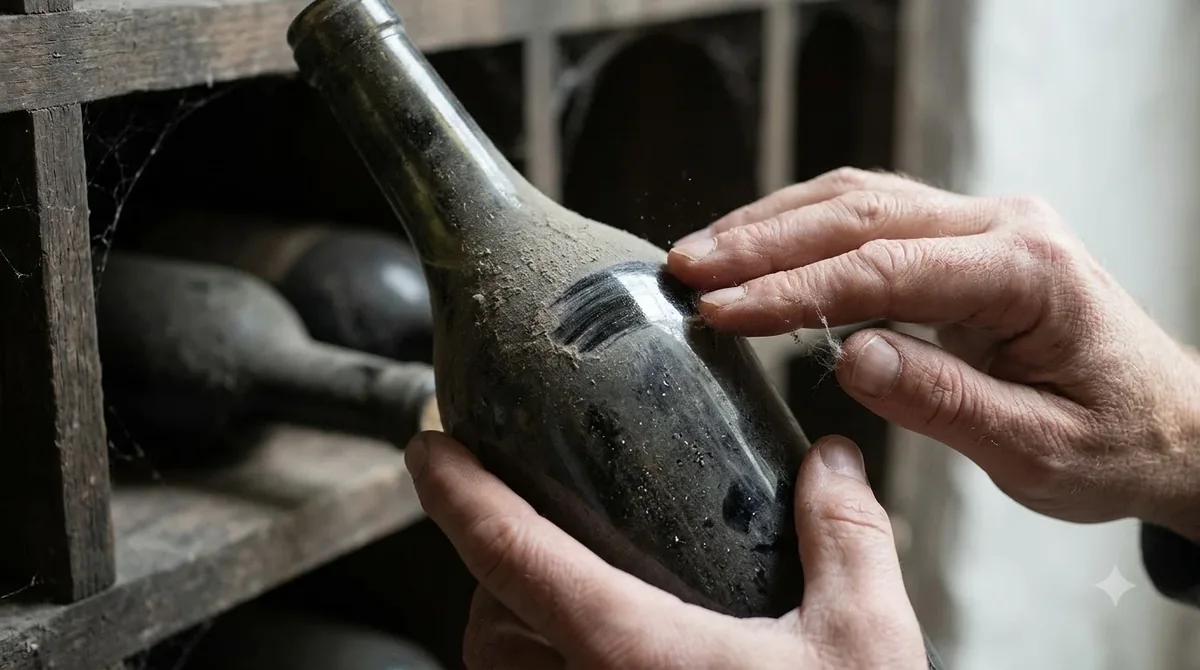
Italian labels can be dense, and Antinori’s range uses several names that may be unfamiliar. The estate name tells you where the grapes were grown, the vintage tells you the year, and the wine name often signals the style or the blend. A Chianti Classico label, for example, points to a specific appellation with its own rules, while a Super-Tuscan name such as Tignanello is a brand that sits outside those rules.
If you want to learn more, look at the producer’s own site for each estate. It explains the vineyards and the winemaking approach in more detail than a short shop description can. Comparing two bottles from different estates in the same region is one of the quickest ways to understand how place shapes the wine.
Frequently Asked Questions
Where is Antinori wine made?
The company is based in Florence, and its estates are spread across Tuscany and several other Italian regions. Some of its properties are outside Italy, including a Californian estate.
What is Antinori best known for?
The house is best known for Tignanello, a Sangiovese-based wine that helped shape the Super-Tuscan movement. It also produces Solaia and a broad range of Chianti Classico and other Italian wines.
What grape is most important to Antinori?
Sangiovese is central to the range, especially in Tuscany. Several blends also include Cabernet Sauvignon, Merlot, or Syrah, depending on the estate and the wine.
Is Antinori a good wine for a gift?
It can be a thoughtful choice, particularly for someone who enjoys Italian wine. Choosing a bottle from a well-known estate such as Tignanello or Chianti Classico often makes the gift easy to appreciate.
Antinori is a good name to know if you want to explore Italian wine through a house with a long history. Start with a Sangiovese-based bottle, check the estate on the label, and compare two wines from different parts of Tuscany to see how the same grape takes on a different character.
More in Wine Brands
 Underwood Wine Price: Compare Bottles, Cans, and Pack SizesUpdated Nov 21, 2026
 Zenato Wine Price: Compare Styles and Choose the Right BottleUpdated Nov 21, 2026
 Zuccardi Wine Price: Compare Bottles and Find the Right RangeUpdated Nov 21, 2026
 Yellow Tail Moscato Review: Taste, Sweetness and Serving TipsUpdated Nov 21, 2026
 Wolf Blass Yellow Label Review: Choose Your Best StyleUpdated Nov 21, 2026
 Wolffer Estate Rose Review: Choose the Right Bottle for Your TableUpdated Nov 21, 2026