

We may earn a commission when you buy through links on this page, at no extra cost to you. Learn more.
How long does wine last after opening? Most red, white, and rosé wines stay drinkable for about 3 to 5 days when the bottle is re-corked and kept in a cool, dark place. Sparkling wine loses its fizz within hours, and fortified wines such as port and sherry can hold up for 1 to 3 weeks. The exact window depends on the style of wine, how much air is left in the bottle, and where it is stored.
This guide explains how long each style keeps once the cork is out, why open wine loses its character, and how to store a half-finished bottle so it tastes better for longer. It also covers the easiest ways to use wine that is starting to fade, so a leftover glass or two does not go to waste.
How Long Each Wine Style Lasts Once Opened
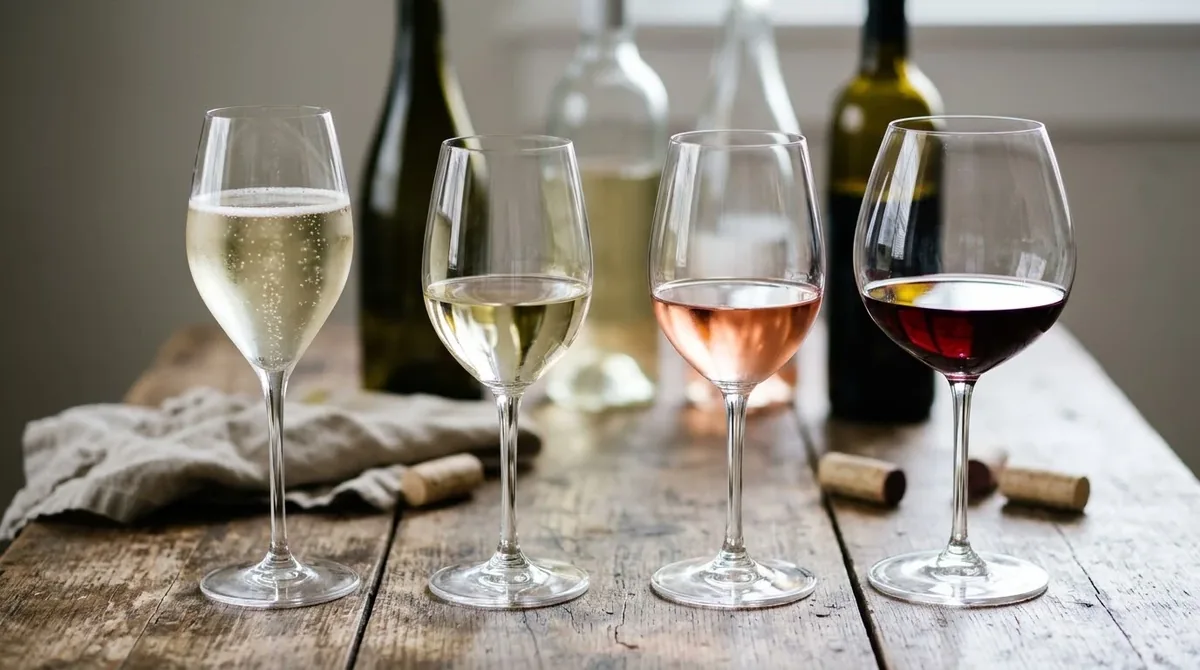
Once wine meets air, oxidation starts to change its flavor and aroma, so the style of wine sets the clock. Lighter, more delicate bottles fade quickly, while tannic reds and high-alcohol fortified wines hold up longer. The ranges below come from the opened-wine guide published by Coravin, a company that sells wine preservation systems, and they are the most consistent figures across that guide.
| Wine style | Typical window after opening | What to know |
|---|---|---|
| Red (Cabernet Sauvignon, Merlot, Syrah) | 3 to 5 days | Higher tannin reds generally last longest |
| Light white (Pinot Grigio, Sauvignon Blanc) | About 2 days | Delicate aromas fade first |
| Full-bodied white (Chardonnay) | 2 to 3 days | Richer texture holds up a little better than light whites |
| Rosé | 2 to 3 days, best within 3 to 5 days | Treat it like a light white |
| Sparkling (Champagne, Prosecco) | Drink within the first few hours; up to 3 days with a stopper, but flat | Bubbles disappear quickly after opening |
| Fortified (port, sherry) | 1 to 3 weeks | Higher alcohol slows spoilage |
Red wine is the most forgiving table wine, which is why many people keep a half bottle for a couple of days without a problem. White and rosé are more sensitive to air and warmth, so they are best finished within the first two or three days. If a bottle is going to sit longer than that, it helps to know that the clock is running faster for lighter styles.
Tip: Write the opening date on a sticky note on the bottle. It is much easier to plan your next glass when you know how many days are left.
Why Opened Wine Loses Its Character
Open wine changes for a few clear reasons. Air is the main one. Oxygen slowly reacts with the compounds that give wine its fruit and freshness, so the flavors become flat and dull over time.
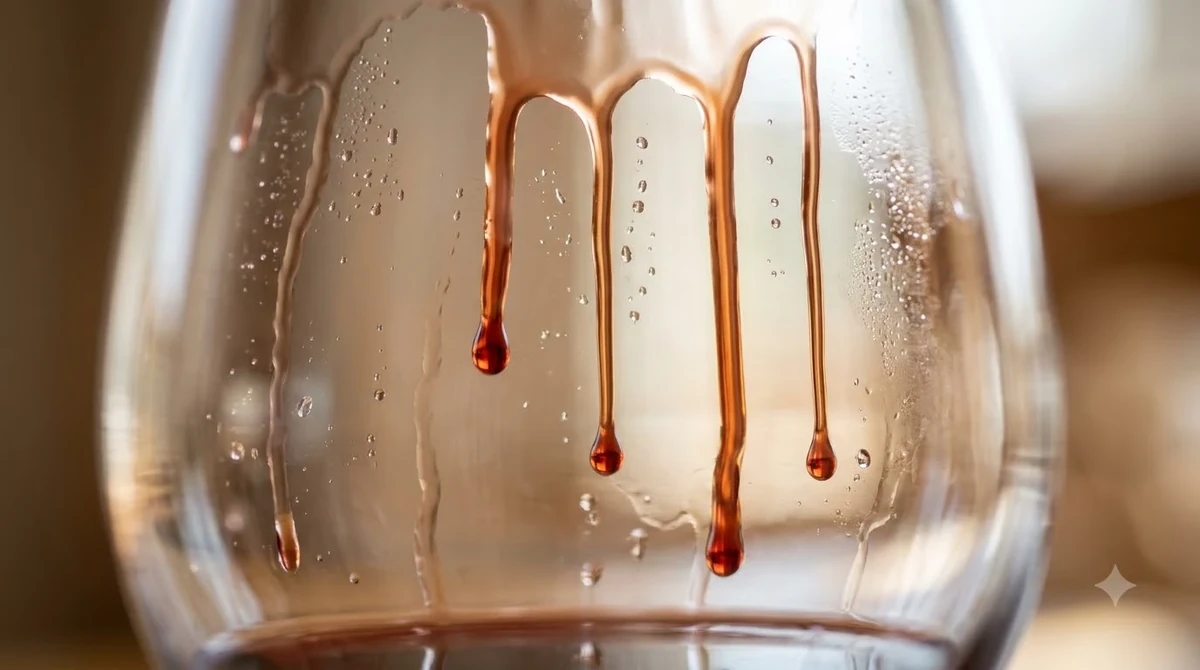
The most noticeable change is the vinegar taste that appears when bacteria get into an open bottle. According to Coravin’s guide, acetic acid bacteria turn alcohol into acetic acid, which gives the wine a sour, vinegar-like smell and taste. This is the point where most people stop drinking a bottle, and it tends to come after several days rather than within the first few hours.
Heat and light speed up all of these changes. The guide notes that fluctuating temperatures and direct sunlight can harm taste, aroma, and color. Clear and green bottles let more light through than dark glass, which is one reason they age faster on a sunny shelf. Tannins and alcohol work in the opposite direction, which is why a firm Cabernet Sauvignon or a glass of port usually outlasts a delicate Pinot Grigio.
How to Store an Opened Bottle
Good storage will not make an open bottle last forever, but it can stretch the window by a day or two. Start by putting the cork or a stopper back in right after pouring, and keep the bottle in a cool, dark place. Coravin recommends a range of about 50 to 60°F (10 to 15°C) with humidity near 70 percent, which describes a basement or wine cellar better than a kitchen.
The kitchen is usually the worst spot. Stoves, ovens, and dishwashers create temperature swings and cooking aromas that can change the wine. A shelf in a closet, a cabinet away from the range, or a wine cooler set to a steady temperature works much better for a bottle you plan to finish later in the week.
The refrigerator is a useful tool for red, white, and rosé. Chilling slows the chemical changes that come with oxidation, so a cold bottle usually keeps longer than one left on the counter. Coravin advises against storing wine in the fridge for the long term, however, because the cork can dry out and the wine can pick up odors from other food. Sparkling wine is different. Pop it back into the fridge right away, and use a sparkling stopper if you have one, because the bubbles fade much faster than the flavor.
Bottle position also matters for a while. The guide suggests keeping bottles horizontal so the cork stays moist, which is most useful when a bottle is still corked and you plan to keep it for a long time. For a bottle that will be finished within a few days, the practical choice is simply to seal it well and keep it cool.
Using Leftover Wine Before It Turns
A bottle that is past its best for drinking often still has a place in the kitchen or in a pitcher. A dry white that has lost its freshness can still work in a pan sauce, a risotto, or a pot of mussels, where cooking softens the sharp notes. Our guide on cooking with dry white wine covers which dishes handle a little age best and how much to add.
Sangria is another practical option. Its fruit, sugar, and citrus cover up the flatter flavors that come from a few days of air exposure, so an older red or white can still make a pleasant pitcher. The dry red wine sangria guide walks through how to balance a red base, and what is sangria explains the basic recipe if you have never made one before.
The same logic applies to fortified wines. Port or sherry that has been open for a couple of weeks is usually still good for sipping and for cooking, since higher alcohol keeps it stable longer than a table wine. Sparkling wine past its fizz can be turned into a base for a fruit spritzer, though it should be used soon after opening if you want the bubbles.
Signs an Open Bottle Has Gone Bad
The clearest sign is smell. A sharp, vinegar-like odor, or a note that resembles nail polish remover, means the wine has turned. Color can also shift. Whites may turn darker and browner, while reds can look more brick-colored at the rim than they did when fresh.
Taste is the last check. If the wine is flat, sour, or lacks any fruit at all, it is past its best and is no longer enjoyable to drink. Reds with a lot of tannin can seem fine for longer, so trust your nose first. When in doubt, pour a small taste into a glass before deciding whether to serve it.
For a broader look at how wine styles differ and what each one needs in the glass, the Wine by Type section is a useful next stop. Knowing what a wine is supposed to taste like makes it much easier to notice when something has changed.
Frequently Asked Questions
Does an opened bottle of wine go bad overnight?
Usually not in a way that makes it undrinkable. Light whites and sparkling wines lose freshness fastest, so the next day can already taste flatter. Most reds still taste good after one night when the cork is replaced and the bottle is kept cool.
Should opened wine go in the fridge?
For red, white, and rosé, a cool fridge helps slow down the changes that come with air exposure, especially in the first few days. Coravin advises against keeping wine there for the long term because the cork can dry out. Sparkling wine should always go back in the fridge right after opening.
How long does opened champagne last?
Champagne is best within the first few hours after opening. With a good stopper it can keep some fizz for up to about three days, but it will be noticeably flat by then. Keep it upright and cold to get the most out of it.
Do wine preservation systems make opened wine last longer?
They can help by limiting how much air reaches the wine. Products that remove oxygen or add inert gas are sold on longer windows, but those figures come from the manufacturers themselves. Treat them as claims to check rather than as general rules, and use the style-based ranges above as a baseline.
In short, a red or a rosé usually has a few days, a light white or sparkling wine should be finished within a day or two, and a fortified wine can last a couple of weeks. Storing the bottle cool, sealing it well, and checking the smell before pouring will get you the most out of every bottle.
More in Wine Types & Grapes
 What Does Mourvèdre Taste Like? Flavor Profile, Regions, and PairingsUpdated Nov 20, 2026
 What Does Marsanne Taste Like? Flavors, Styles, and Food PairingsUpdated Nov 20, 2026
 What Does Malvasia Taste Like? Styles, Flavors, and Food PairingsUpdated Nov 20, 2026
 What Does Grenache Blanc Taste Like? Flavor Profile, Styles, and PairingsUpdated Nov 20, 2026
 What Does Garnacha Taste Like? Key Flavors, Styles, and Pairing TipsUpdated Nov 20, 2026
 What Does Fruit Wine Taste Like? A Complete Flavor and Style BreakdownUpdated Nov 20, 2026