

We may earn a commission when you buy through links on this page, at no extra cost to you. Learn more.
Michigan wine comes mostly from vineyards that sit within about 25 miles of Lake Michigan, where the lake moderates the climate enough to grow cool-climate European grapes. The state has five American Viticultural Areas, and the Traverse City area, including the Leelanau and Old Mission peninsulas, grows about half of the state’s wine grapes. The state grows European varieties such as Riesling, Pinot Gris, Chardonnay, and Cabernet Franc, and its tasting-room culture has grown steadily since the 1970s.
Most people outside the Great Lakes region do not think of Michigan when they picture American wine, but the state has one of the largest wine industries in the Midwest. This guide explains how the lake shapes the climate, which regions matter most, which grapes make the best-known wines, and how to get the most from a visit. It is written for drinkers who want to understand Michigan wine, not only to visit it.
How Lake Michigan shapes the vineyards
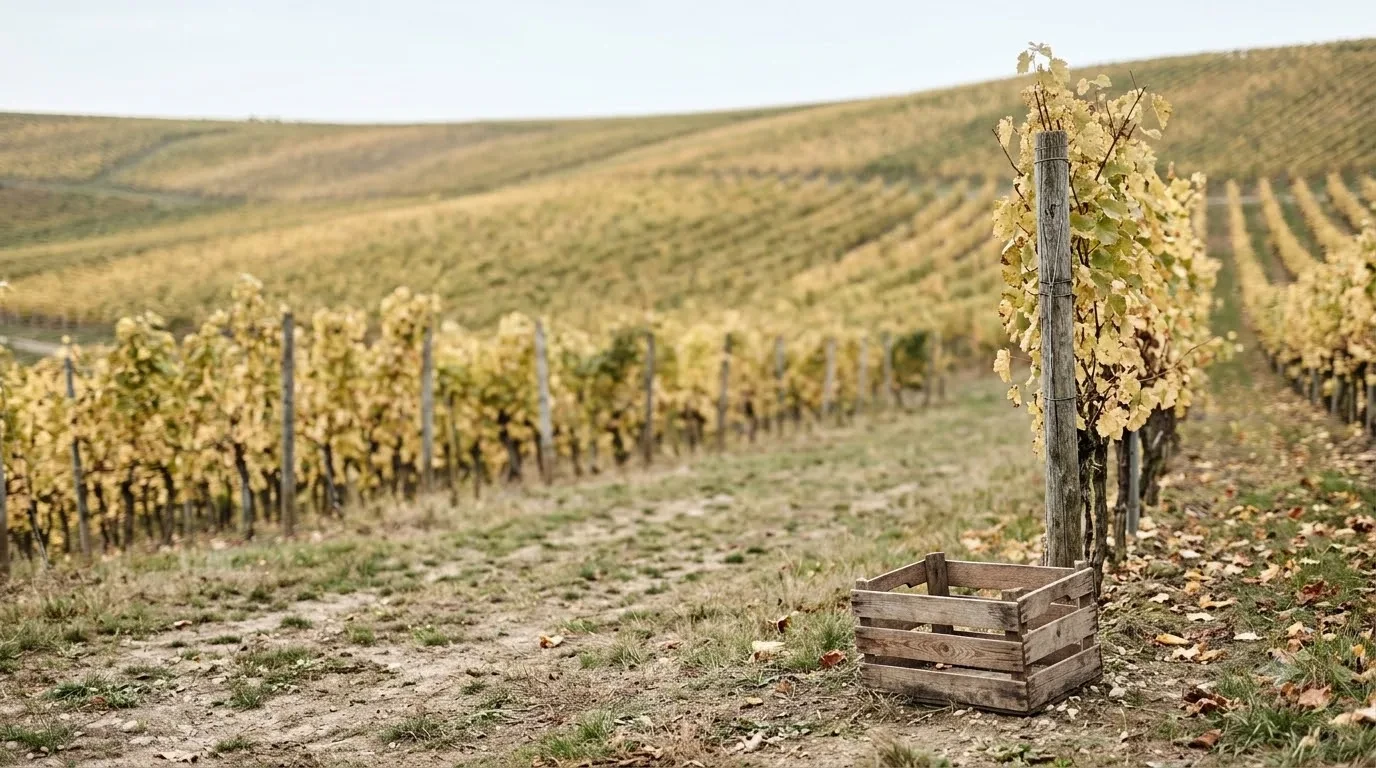
The lake is the single most important factor in Michigan viticulture, and it is a useful contrast with the gravel-and-estuary setting behind Bordeaux wine. Almost all of the state’s wine grapes are grown within about 25 miles of Lake Michigan, and the lake creates a favorable microclimate compared with the state’s interior. In spring and early fall the water keeps the air a little cooler, which delays budbreak and helps protect young buds from frost. In autumn it holds some warmth, which gives the grapes a longer period to ripen.
The climate is still continental, and winters can be hard on vines. Growers face late spring and early fall cold snaps, as well as winter injury, so site selection matters. Northern regions have a growing season of about 145 days, while southern areas get closer to 160 days. Sandy, well-drained soils in areas such as the Traverse area help the vines cope with wet years.
The five American Viticultural Areas
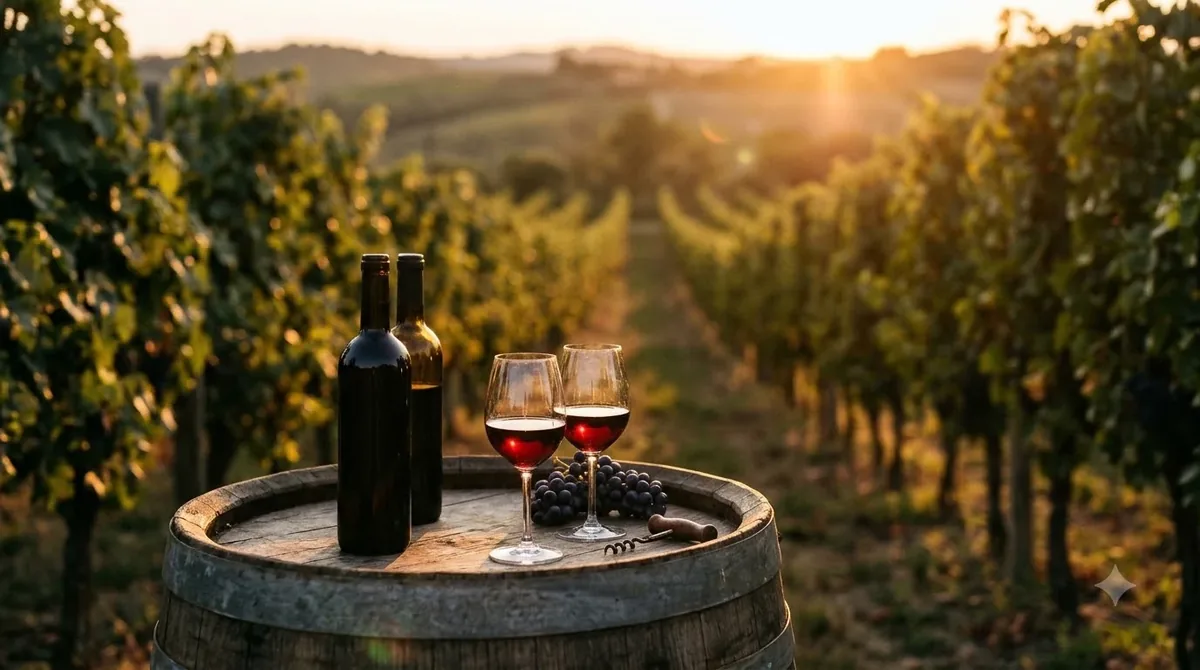
As of 2025, Michigan has five American Viticultural Areas, all close to Lake Michigan. Each has its own character, and visitors often start with the one nearest to their route.
| Viticultural area | Where it is | Share of state wine grapes |
|---|---|---|
| Leelanau Peninsula | Near Traverse City, on the lake | Included in the Traverse City group, about 51% combined |
| Old Mission Peninsula | Near Traverse City, on Grand Traverse Bay | Included in the Traverse City group, about 51% combined |
| Lake Michigan Shore | Southwest Michigan, along the lake | Included in the southwest group, about 45% combined |
| Fennville | Southwest Michigan, near the lake | Included in the southwest group, about 45% combined |
| Tip of the Mitt | Northern Lower Peninsula | Not broken out in the source |
The Greater Traverse City area, including the Leelanau and Old Mission peninsulas, grows about 51% of the state’s wine grapes. The Fennville and Lake Michigan Shore regions grow about 45%. The numbers explain why the Traverse area gets so much attention, while the southwest is also a major growing area.
The grapes that define Michigan wine
Michigan grows native and hybrid grapes, including Catawba, Concord, and Niagara, which were historically used for sweet wine and juice. These varieties still appear on local menus and in older-style bottles, and they give the state an identity that differs from the vinifera-focused regions of the West Coast.
The state’s most important wine grapes are European vinifera varieties. Riesling and Pinot Gris are among the whites that suit a cool climate. Chardonnay and Gewürztraminer are also grown. On the red side, the list includes Cabernet Franc, Pinot Noir, Merlot, and Syrah.
When you taste, look for wines that show freshness and balance rather than heaviness. Michigan’s cool-climate character often shows in the acidity and in the bright fruit, and it can be a good fit for food that needs a lively partner.
A short history of Michigan wine
Winemaking in Michigan goes back much further than its modern tasting rooms. French settlers in the Monroe area found grapes growing along the River Raisin in the 1780s, and a viable wine industry took shape in Monroe County in the mid-1800s, although that claim needs more documentation. Many producers of the early twentieth century were shaped by Prohibition, and one of the state’s best-known early producers, St. Julian Winery, was founded in Windsor, Ontario, before moving to Paw Paw, Michigan.
The modern era began to take shape in the 1970s. Tabor Hill Winery opened in 1971 as the state’s first winery to specialize in vinifera wines, and Chateau Grand Traverse opened in the Traverse Bay region in 1974. In 1983, Mark Johnson produced the state’s first ice wine, a milestone that helped show what the cold climate could achieve.
Policy has also shaped the industry. Liquor law revisions in 2005 allowed wineries to sell from their tasting rooms, ship directly to consumers, and bypass wholesale distributors, which gave small producers more room to grow. The state’s industry body changed in 2018, when the Michigan Grape and Wine Industry Council was replaced by the Michigan Craft Beverage Council.
How big is the Michigan wine industry?
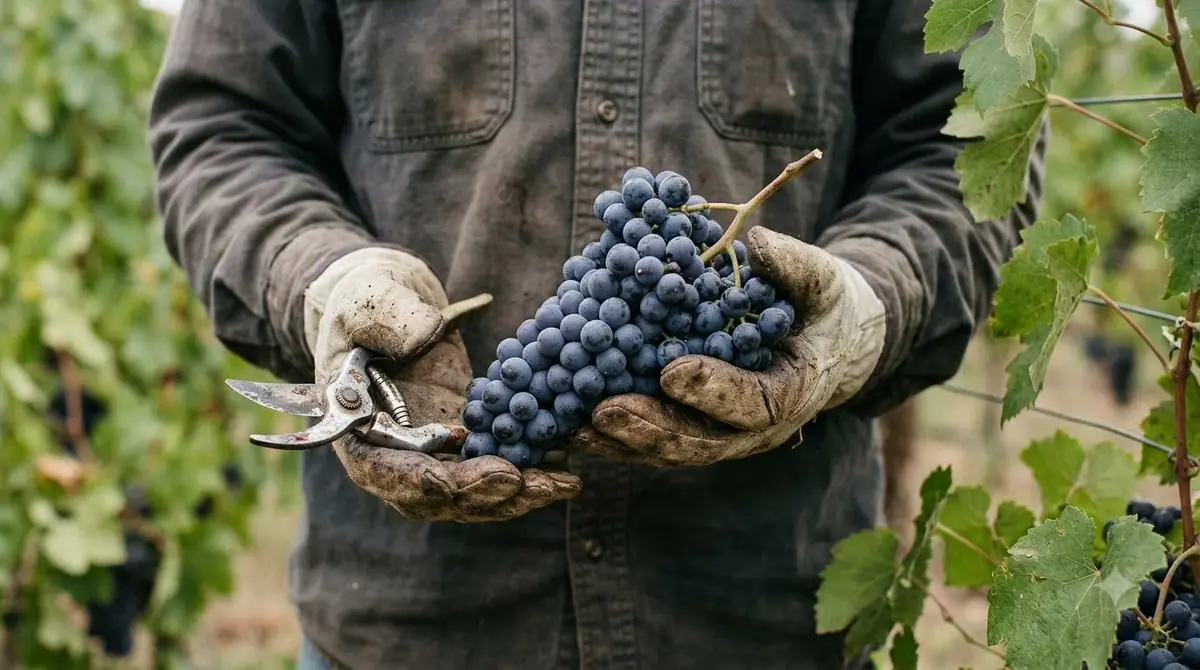
Michigan’s industry is large by Midwest standards. Counts vary by year and by source, but reports in recent years put the number of commercial wineries above 200, producing around 3 million U.S. gallons of wine. Earlier counts were much lower, which reflects how fast the industry has grown since the 2005 law and the expansion of tasting rooms across the state.
The industry’s growth is also visible in its tourism. Many wineries offer tasting rooms, tours, and events, and some combine wine with local food and cider. For visitors, that mix makes a weekend trip easy to plan, even without a detailed wine background.
How to plan a Michigan wine visit
The Traverse City area is the most popular base, because it puts the Leelanau and Old Mission peninsulas within an easy drive. Plan at least one full day for the peninsulas, since the roads are scenic but slower than a highway. The southwest, around the Lake Michigan Shore and Fennville, is a good choice if you want to combine wine with beaches and small towns.
Book ahead for popular tasting rooms, especially on summer weekends and during harvest events. Ask whether a tasting fee is waived with a purchase, and plan a designated driver or a ride service between wineries. Many tasting rooms can ship bottles home, which is useful if you buy more than you can carry.
Frequently Asked Questions
What is Michigan wine known for?
Michigan is known for cool-climate whites such as Riesling and Pinot Gris, along with Chardonnay and Cabernet Franc. Its wines benefit from the moderating effect of Lake Michigan, which helps the vineyards near the shore.
Where are the main wine regions in Michigan?
The state has five American Viticultural Areas: Fennville, Lake Michigan Shore, Leelanau Peninsula, Old Mission Peninsula, and Tip of the Mitt. The Traverse City area and the southwest grow most of the state’s wine grapes.
Does Michigan make ice wine?
Yes. Mark Johnson produced the state’s first ice wine in 1983. The cold winters that make ice wine possible are one reason the industry has developed around the lake’s cooler sites.
How is Michigan wine different from wine from other states?
Michigan wine tends to be cooler and fresher in style than wine from warmer states, because the lake moderates the climate but the growing season is still short. Many producers also grow native and hybrid grapes alongside European varieties.
If you cannot get up to the peninsulas, you can still taste across the state in one stop. Michigan By The Bottle runs tasting rooms in Auburn Hills, Lake Orion and Royal Oak that pour wines from partner producers such as Chateau Chantal, Brys Estate, Bonobo Winery, Peninsula Cellars and Domaine Berrien Cellars, so a single flight can move from northern whites to southwest reds.
Michigan wine rewards a curious visitor. Start with a Riesling or Pinot Gris from the Leelanau or Old Mission peninsulas, then compare it with a red from the southwest. To see how the state fits into the wider world of wine, visit our wine regions guide, and read more about the Michigan industry’s history and climate on Wikipedia’s Michigan wine article.
More in Wine Regions
 Willcox Wine Trail: Discover Arizona’s High-Elevation Wine CountryUpdated Nov 20, 2026
 Yakima Valley Wine Region: Find the Best Styles to TryUpdated Nov 20, 2026
 Vosne Romanee Wine Tasting: Identify Aromas and Choose Better PairingsUpdated Nov 20, 2026
 Yakima Valley Wine Festival: Find the Best Seasonal Wine EventsUpdated Nov 20, 2026
 Wales Vineyards: Discover Cool-Climate Wines and Where to VisitUpdated Nov 20, 2026
 Yountville Wine Festival: Discover Napa Wines and Local FoodUpdated Nov 20, 2026