

We may earn a commission when you buy through links on this page, at no extra cost to you. Learn more.
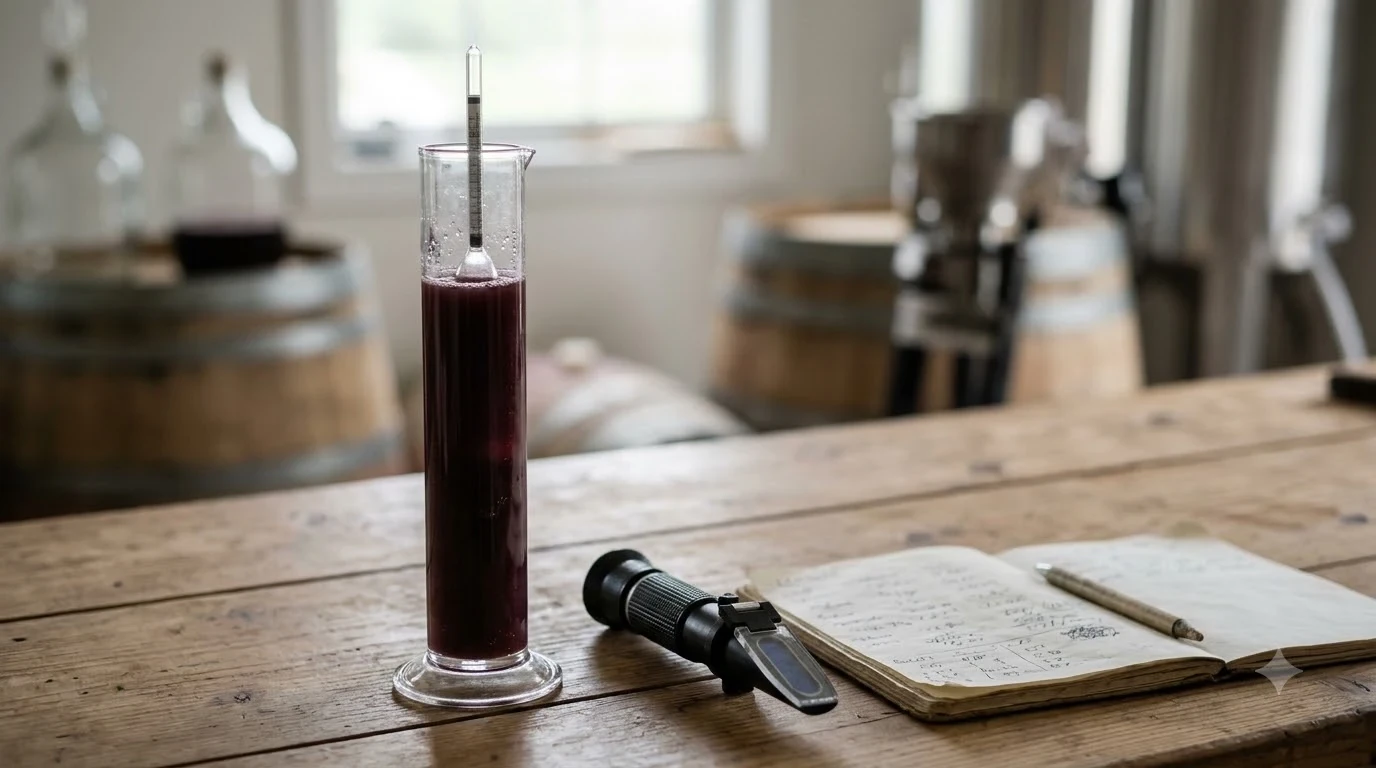
St Julian Winery is a family-owned producer in Paw Paw, Michigan, that makes wine, cider, and spirits from Michigan fruit. The company traces its roots to 1921, when Italian immigrant Mariano Meconi started a business in Ontario, and it adopted the St. Julian name in 1941. It celebrated 100 years in 2021 and is one of the longest-running wineries in the state. This guide covers the history, the range, and how to choose and serve a bottle.
Many Americans know St. Julian from the shelf at a grocery store or a wine shop near Lake Michigan. The brand is easy to overlook because it sits far from the California producers that dominate national advertising. Its story, though, is one of the most unusual in American winemaking, and understanding it helps explain why the bottles taste the way they do.
What St Julian Winery Is
St. Julian operates as a family company with production in southwest Michigan. According to the winery’s centennial article, the company is focused on both today and the future, and it describes itself as drawing on the fruit belt of Michigan. Over the years it expanded beyond wine into cider and spirits, so the modern company is more than a single winery.
Its tasting room and shop sell a wide mix of styles: red, white, rosé, sparkling, fruit, and dessert wines, along with spirits and hard cider. That breadth is part of what sets St. Julian apart from a single-variety producer. Shoppers who like sweeter or fruit-forward bottles often find more options here than at a typical vineyard estate.
From Ontario to Michigan: The Founding Story
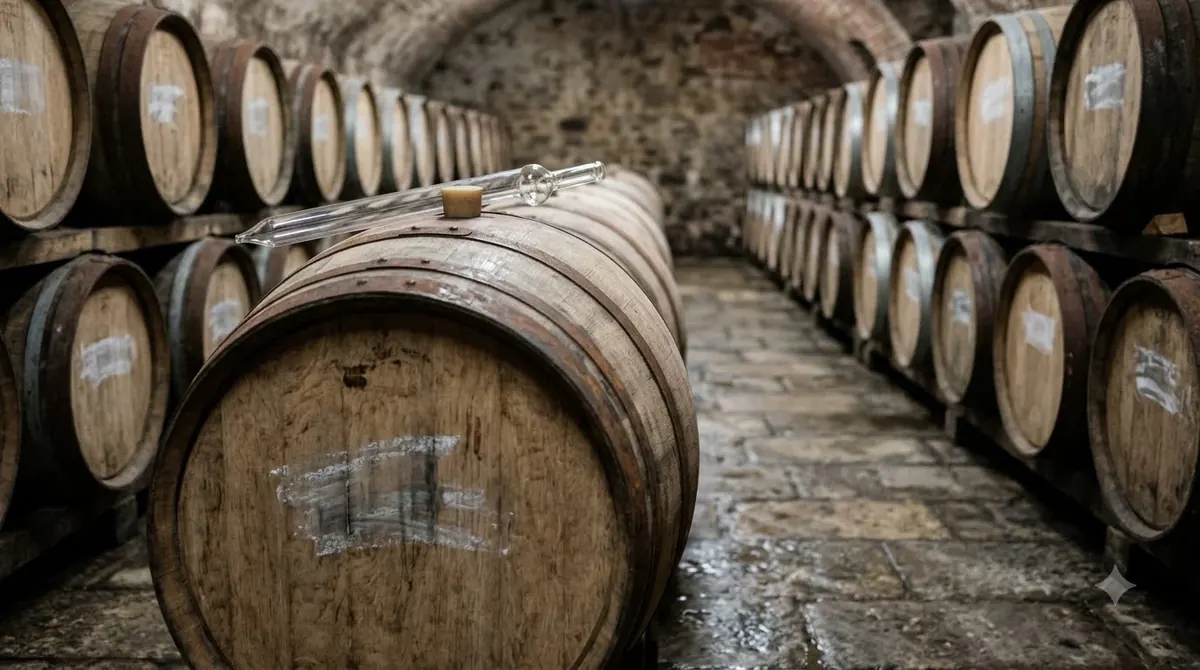
The business began in 1921 in Canada, when Italian-born Mariano Meconi founded Border City Wine Cellars. It later became Meconi Wine Company. Over the following decades the company moved its operations, first to Detroit and then to Michigan’s Lake Michigan Shore American Viticultural Area. Sources do not fully agree on the exact dates of each move, so the broad sequence is the safest way to describe it.
In 1941, the business operated as The Italian Wine Company and then adopted the St. Julian Winery name. Production in Paw Paw has been documented from 1936 onward, according to the winery’s own history. The name became the brand that appears on bottles today, and it has stayed with the company through several generations of the same family.
The company’s centennial in 2021 marked a long run for a winery that started in a border city and grew into one of the best-known names in Michigan wine. For readers who like history-driven brands, the wine brands guide covers how other family labels built their reputations over time.
Family Leadership and Growth
St. Julian has been run by the same family across several generations. Control passed through the Braganini family, and the company’s current leadership includes President John Braganini. The company’s centennial article names Dario Braganini as outstate sales director, which shows the family still has members working across the business.
Continuity also matters for a company with a century of records. Winemaking decisions, grape contracts, and bottling lines all carry forward from one generation to the next, so the house style changes gradually rather than in sudden swings. Shoppers who return to a favorite bottle year after year are benefiting from that patience.
Family ownership has shaped the company’s long-term approach. Rather than chase a single trend, St. Julian has kept a broad portfolio, which lets it serve different customers in the same tasting room. That steady, wide range is a common reason regional brands survive, even when national trends change.
The Range: Wine, Cider, and Spirits
St. Julian’s portfolio covers the main wine styles, and the table below helps set expectations before you shop. Individual bottlings change over time, so always check the current label or product page for details.
| Category | What to expect | Good for |
|---|---|---|
| Red wine | Varietal and blended reds across the range | Dinner with roasted meat or pasta |
| White wine | Lighter whites, often easy to drink | Warm weather and casual meals |
| Rosé and sparkling | Fresh, fruit-led wines for celebrations | Brunch and parties |
| Fruit and dessert wines | Sweeter styles built on Michigan fruit | After-dinner sipping and mixing |
| Spirits and cider | Brandy, whiskey, and hard cider from the same company | Cocktails and gift choices |
Fruit-based wines deserve a closer look than their reputation sometimes allows. They are made from fruit rather than only grapes, so the flavor comes from the fruit itself and is often bright and direct. Many people who think they dislike sweet wine find that a well-made fruit wine, served cold, is a pleasant change of pace on a warm evening.
Because the portfolio is broad, a good approach is to decide what you want first, then narrow the choice. Someone looking for a dry red at dinner will have a different shopping path from someone choosing a fruit wine for a party.
Serving and Pairing Tips
Glassware is a smaller but real factor. A wide-bowled glass lets a red breathe and show more aroma, while a narrower flute keeps sparkling wine lively for longer. Keep the glass clean and free of soap residue, which can dull the smell of any wine.
Serving temperature matters for every style on the list. Whites, rosés, and sparkling wines should be properly chilled, while reds taste better slightly cooler than a warm room. Sweeter fruit and dessert wines usually show best cold, since chilling keeps them from tasting heavy.
For pairing, fruit-forward wines pair well with spicy food, grilled chicken, and cheese plates. Dry reds suit hearty dishes, and dessert wines are good with fruit tarts or simple cakes. Because St. Julian makes so many styles, starting with a bottle you already know and expanding from there is often the easiest route.
How to Choose a Bottle
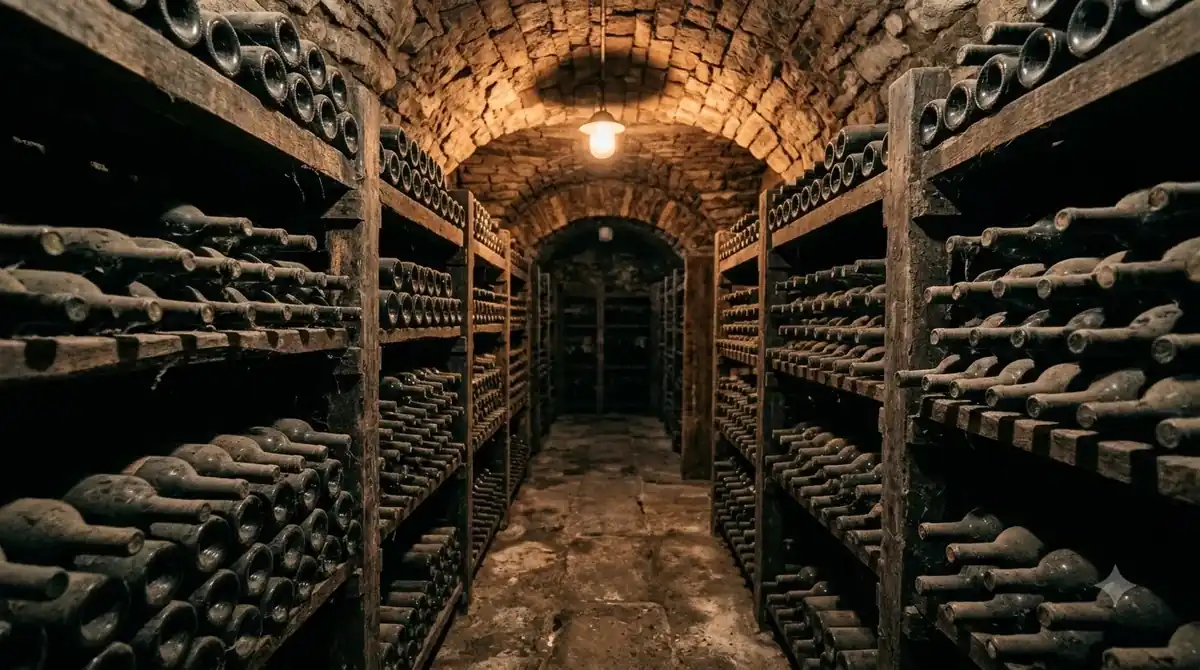
Think about the occasion before you think about the bottle. A wine for a long dinner with several courses needs a different style from one for a backyard gathering, and a wine for a single evening at home is different again. Matching the style to the moment usually matters more than chasing a specific label.
Start by thinking about how you plan to drink the wine. A casual sipper may prefer a semi-sweet white or rosé, while a food-focused shopper will likely want a dry red. Check the sweetness and style on the label before you buy, since fruit-based wines can taste very different from grape-only bottlings.
If you are shopping for a gift, the spirits and cider lines offer more variety than a single wine bottle. Some shoppers also compare Michigan producers with other Midwestern names. For a close look at another regional label, you can read about St. James Winery and compare how it presents its range.
Frequently Asked Questions
Where is St Julian Winery located?
The main winery and production are in Paw Paw, Michigan, in the southwest part of the state. The company also runs tasting rooms, including one in Union Pier near Lake Michigan.
When was St Julian Winery founded?
The company traces its roots to 1921, when Mariano Meconi started a business in Ontario, Canada. It adopted the St. Julian Winery name in 1941 and celebrated its centennial in 2021.
Does St Julian make only wine?
No. The company makes wine across many styles, plus hard cider and spirits such as brandy, whiskey, and vodka. The company describes its range as wine, cider, and spirits.
Is St Julian a good choice for beginners?
It can be. The brand offers many approachable styles, including fruit and dessert wines, so beginners can start with a sweeter or lighter bottle and move toward drier styles later.
St Julian Winery is a good example of a regional family business that has grown across generations without losing its roots. Start with a style you already enjoy, read the label, and try a few bottles to learn which direction suits your taste. For the company’s own account of its centennial, see the St. Julian centennial article.
More in Wine Brands
 Underwood Wine Price: Compare Bottles, Cans, and Pack SizesUpdated Nov 21, 2026
 Zenato Wine Price: Compare Styles and Choose the Right BottleUpdated Nov 21, 2026
 Zuccardi Wine Price: Compare Bottles and Find the Right RangeUpdated Nov 21, 2026
 Yellow Tail Moscato Review: Taste, Sweetness and Serving TipsUpdated Nov 21, 2026
 Wolf Blass Yellow Label Review: Choose Your Best StyleUpdated Nov 21, 2026
 Wolffer Estate Rose Review: Choose the Right Bottle for Your TableUpdated Nov 21, 2026