

We may earn a commission when you buy through links on this page, at no extra cost to you. Learn more.
If you are wondering what does muscadine taste like, expect an intensely aromatic, juicy burst of ripe concord-style grape, tropical banana, peach, and wildflower honey balanced by a punchy, tangy finish. Unlike European wine grapes, native North American muscadines have thick skins that impart a distinctive musky, slightly earthy, and occasionally saline edge. While traditional bottlings lean sweet and porch-ready, modern Southern winemakers also produce crisp dry whites and structured reds.
Whether eaten fresh off the vine in late summer or poured into a chilled glass, muscadine delivers one of the most unmistakable flavor profiles in American wine. Knowing how its wild aromatics, natural acidity, and varying sweetness levels interact will help you pick the right style for your palate.
What Is Muscadine?
Muscadine (Vitis rotundifolia) is a hardy grape species native to the southeastern United States, completely distinct from the European Vitis vinifera family that gives us Cabernet Sauvignon and Chardonnay. Rather than growing in tight, conical clusters, muscadines hang in small, loose bunches of large, round berries with noticeably thick skins and large seeds.
Because these vines evolved in warm, humid climates, they resist diseases and pests that wipe out European vines across the American South. You will often see bronze-green muscadines labeled under the famous cultivar name Scuppernong, while dark purple to black varieties include Noble and Ison. According to Wine Folly, ripe muscadines naturally hold much lower sugar levels at harvest—typically 10 to 15 Brix compared to 20 or higher in European wine grapes—which shapes how winemakers ferment them.
To reach standard table-wine alcohol levels of 10 to 11.5 percent ABV, many producers add sugar before or during fermentation, a traditional technique called chaptalization. Depending on when fermentation is stopped, the resulting wine can range from bone-dry and tart to lush and dessert-sweet. That dual personality makes muscadine stand apart from mainstream bottles found in standard wine by type guides.
Flavor Profile and Styles
Muscadine wine tastes boldly fruity, floral, and unapologetically musky, combining familiar orchard and tropical notes with a brisk, tangy backbone. Even in sweet bottlings, noticeable natural acidity and mid-palate skin astringency keep the wine from feeling flat or syrupy.
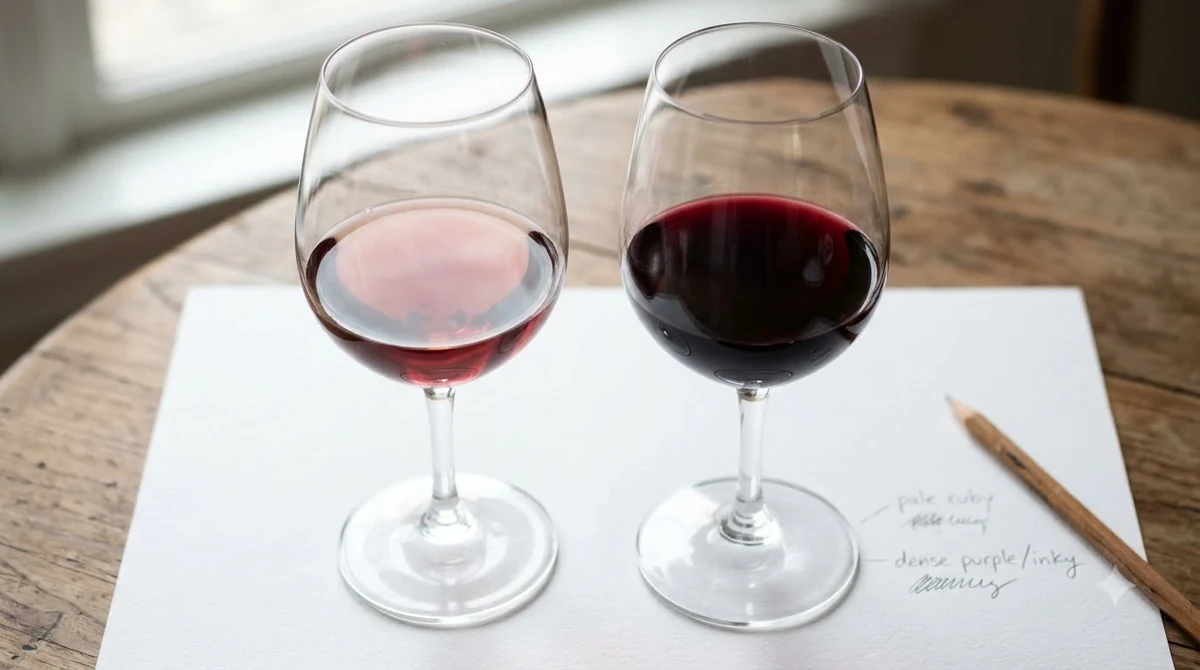
When tasting a glass of bronze or white muscadine—often made from Scuppernong or Carlos grapes—your nose hits immediate aromas of ripe banana, yellow apple, honeysuckle, and fresh peach. On the palate, those sweet tropical and stone-fruit flavors transition into bright lime peel and a clean, slightly saline or pine-like finish. Reviewers at Wine Folly also note a fleeting, volatile ester aroma reminiscent of model glue or crushed green stems in certain traditional fermentations, which blows off quickly with a gentle swirl.
Dark purple muscadine wines, frequently crafted from the Noble variety, shift toward ripe blackberry, cranberry, concord grape jelly, and damp earth. Because the dark skins carry noticeable tannins, red muscadines grip the sides of your mouth more firmly than white versions. While sweet Southern classics remain the most common style on store shelves, a growing wave of regional producers now ferments dry and off-dry muscadine wines that highlight the grape’s savory, herbal, and crisp citrus character.
| Muscadine Style | Primary Grape Varieties | Key Tasting Notes | Sweetness and Body |
|---|---|---|---|
| Traditional Sweet White / Bronze | Scuppernong, Carlos, Higgins | Ripe banana, peach, wildflower honey, yellow apple | Sweet, light-to-medium body, bright finish |
| Dry White / Bronze | Carlos, Magnolia, Sterling | Lime peel, green apple, white blossoms, wet stone | Dry, crisp acidity, light body |
| Sweet Red | Noble, Ison, Nesbitt | Concord grape, blackberry jam, cranberry, sweet plum | Sweet, medium body, soft grip |
| Dry Red | Noble, Ison | Tart cranberry, forest floor, dried herbs, black tea | Dry, medium body, noticeable skin tannin |
Where Muscadine Grows
Muscadine thrives across the hot, humid coastal plains and rolling Piedmont regions of the American South, stretching from Delaware and Virginia down to Florida and west to Texas. Unlike fragile European vines that struggle in summer humidity, muscadine vines flourish in long, steamy growing seasons and resist Pierce’s disease.
North Carolina sits at the cultural and agricultural heart of muscadine winemaking, where the Scuppernong serves as the official state fruit. According to the North Carolina Wine and Grape Council, growers across the state’s Piedmont and Coastal Plain cultivate bronze and dark varieties that connect modern wineries to centuries of local farming history. Georgia, South Carolina, Mississippi, Alabama, and Florida also maintain commercial muscadine vineyards alongside thousands of backyard arbors.
In the vineyard, muscadines behave quite differently from traditional wine grapes. Individual berries ripen unevenly within the same small cluster, which means growers must harvest them by hand from late August through October rather than picking entire bunches all at once. Because the wines oxidize faster than high-tannin European reds, regional wineries bottle and release them young to preserve their fresh, vibrant fruit aromatics.
How to Serve Muscadine Wine
Every style of muscadine wine—including sweet reds, dry reds, rosés, and bronze whites—tastes best served well chilled. A cool temperature sharpens the grape’s natural acidity, reins in residual sweetness, and keeps the exuberant floral aromas feeling refreshing rather than heavy.
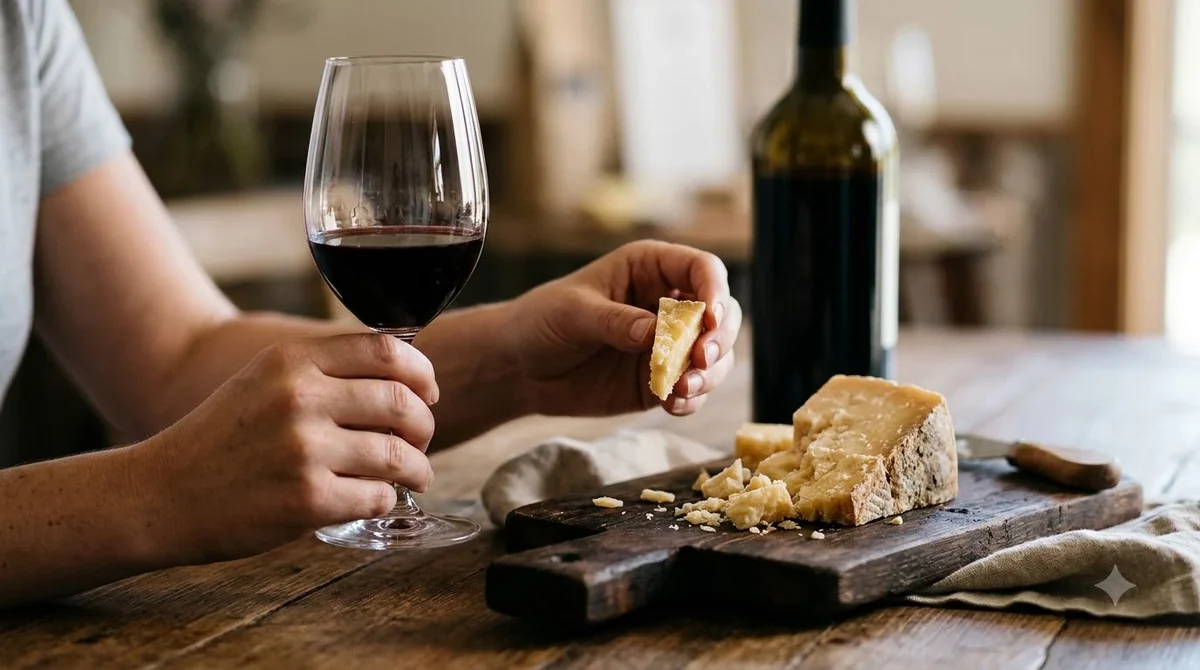
For white, bronze, and rosé muscadine wines, aim for a refrigerator chill of roughly 40 to 45 degrees Fahrenheit. Sweet red muscadines shine at around 45 to 50 degrees Fahrenheit, while drier red styles open up nicely near 50 to 55 degrees Fahrenheit after fifteen minutes out of the fridge. If a sweet bottle tastes overly candied at room temperature, dropping the temperature by ten degrees immediately restores balance on the palate.
Because muscadine wines are built for youthful freshness rather than cellar aging, store unopened bottles in a cool, dark spot and enjoy them within one to two years of purchase. Once opened, recork the bottle and keep it in the refrigerator, where the fruit flavors will stay lively for three to five days. You do not need oversized crystal goblets; a standard white wine glass concentrates the honeysuckle and stone-fruit aromatics without trapping too much alcohol warmth.
Tip: If you ever eat fresh muscadine grapes before tasting the wine, hold the stem scar toward your mouth and squeeze the sweet pulp out—chewing the thick outer skin releases sharp tannins and bitterness that explain why winemakers carefully limit skin-contact time.
Food Pairing Ideas
Muscadine wine excels alongside bold, smoky, spicy, and salty Southern dishes that often overwhelm delicate European wines. Its combination of vibrant fruit, bright acidity, and varying residual sugar gives you plenty of flexibility at the dinner table.
Off-dry and sweet bronze muscadines are natural partners for spicy barbecue, vinegar-pulled pork, jerk chicken, and fiery Thai or Sichuan takeout. Just like a cold glass of Lillet before dinner or a floral pour when exploring what dandelion wine tastes like, chilled sweet muscadine cools capsaicin heat on the tongue while echoing smoky-sweet glazes. Salty snacks such as aged cheddar, prosciutto-wrapped melon, and boiled peanuts also play wonderfully against a semi-sweet Scuppernong.
Dry white and red muscadines handle richer savory plates without clashing. Pair a crisp, dry Carlos with crispy fried chicken, blackened catfish, or shrimp and grits, letting the lime-peel acidity cut through rich butter and fry batter. For a dry Noble red, reach for smoked brisket, grilled pork chops, or mushroom-heavy dishes, where its cranberry tartness and earthy undertones feel right at home—much like how savory cooking wines discussed in our guide to what Shaoxing wine tastes like bridge umami and fruit.
How to Choose a Bottle
When shopping for muscadine wine, start by checking the label for both the grape variety and a sweetness scale. Because one winery’s “classic” bottling might be dessert-sweet while another’s is crisp and off-dry, reading the back label prevents any surprises when you pull the cork.
Look for grape names to predict the core flavor direction: Scuppernong and Carlos indicate golden-bronze wines packed with peach, banana, and floral notes, whereas Noble and Ison signal dark purple wines loaded with berry and plum character. Many Southern wineries print a simple sweetness gauge on the back label ranging from dry to sweet, or list residual sugar percentages directly.
Finally, check the vintage date if one is listed, and favor the youngest bottle on the shelf. Because muscadine lacks the heavy preservative tannins of Cabernet Sauvignon or Nebbiolo, freshness is everything. Buying directly from regional producers in North Carolina, Georgia, or neighboring states—or looking for bottles stored away from bright overhead shop lights—ensures you experience the grape at its punchiest and most aromatic.
Frequently Asked Questions
Is muscadine wine always sweet?
No, muscadine wine is not always sweet, even though traditional Southern styles are famous for high residual sugar. Many modern wineries ferment muscadine grapes completely dry, producing crisp, tart whites and medium-bodied reds with bright citrus, cranberry, and earthy flavors.
Are muscadine and Scuppernong the same thing?
Scuppernong is a specific bronze-green variety of the muscadine grape species rather than a separate fruit. In short, every Scuppernong is a muscadine, but not every muscadine is a Scuppernong, as the broader species also includes dark purple grapes like Noble and Ison.
Is muscadine the same grape as Muscat?
No, muscadine and Muscat are completely unrelated grape species despite their similar-sounding names. Muscat belongs to the European Vitis vinifera family and grows in tight clusters, while muscadine (Vitis rotundifolia) is native to the southeastern United States and grows in loose bunches of thick-skinned berries.
Does red muscadine wine need to be chilled?
Yes, red muscadine wine tastes much better when served chilled rather than at warm room temperature. Chilling sweet red muscadine to around 45 to 50 degrees Fahrenheit keeps its bold concord-grape and berry sweetness refreshing, while dry reds show their best balance near 50 to 55 degrees Fahrenheit.
From honeysuckle-scented Scuppernong whites to jammy Noble reds, muscadine offers an authentic taste of American wine heritage that refuses to blend into the background. Serve your next bottle well chilled alongside smoky barbecue or spicy weeknight takeout to see why this resilient native grape has loyal fans across the South.
More in Wine Types & Grapes
 Zinfandel Sugar Content: Dry Red vs. White Zinfandel GramsUpdated Nov 21, 2026
 Best Zinfandel Substitute Options for Sipping and CookingUpdated Nov 21, 2026
 Zweigelt Food Pairing: Best Dishes, Cheeses, and Serving TipsUpdated Nov 21, 2026
 Zinfandel Tannins Explained: How Structure Shapes Every BottleUpdated Nov 21, 2026
 Zinfandel Sweetness Level: Dry Red vs. Sweet White Zin ExplainedUpdated Nov 21, 2026
 Xinomavro Food Pairing: Best Dishes, Styles, and Serving TipsUpdated Nov 21, 2026