

We may earn a commission when you buy through links on this page, at no extra cost to you. Learn more.
Sutter Home white wine refers to the California-made portfolio of approachable, fruit-forward white varietals produced by Sutter Home Winery, including Chardonnay, Pinot Grigio, Sauvignon Blanc, Moscato, and Riesling. Owned by St. Helena-based Trinchero Family Estates, the brand focuses on consistent, everyday table wines ranging from crisp and dry to lusciously sweet, packaged in standard 750 mL bottles, 1.5 L magnums, 500 mL Tetra Paks, and 187 mL four-packs.
For decades, Sutter Home has served as an entry point to American wine culture, largely famous for accidentally creating sweet White Zinfandel in the mid-1970s. Beyond its signature pink blush wines, however, the winery produces an extensive roster of true white wines crafted to highlight ripe California fruit, clean acidity, and easy drinkability without heavy oak interference.
Who Makes Sutter Home White Wine
Sutter Home white wine is produced by Sutter Home Winery, a historic St. Helena, California estate operated by Trinchero Family Estates, one of the largest family-owned wine companies in the United States. The Trinchero family has owned and managed the winery continuously since reopening it after Prohibition in 1948.
Originally founded in 1890, the Napa Valley property sat dormant until Italian-born brothers Mario and John Trinchero relocated from New York City and purchased the facility in late 1947. Their first harvest took place in 1948, and notably, the very first wine the family bottled under the Sutter Home label was Moscato. In 1960, Mario’s son Bob Trinchero stepped into the role of head winemaker, guiding the cellar toward accessible, everyday styles aimed at American grocery shoppers rather than exclusive collectors.
While Bob Trinchero’s 1975 stuck-fermentation White Zinfandel turned Sutter Home into a household name—eventually earning him Wine Spectator’s Distinguished Service Award in 1994—that commercial momentum funded a broader California production network. Today, Trinchero Family Wine and Spirits operates winemaking facilities across Napa Valley, Lodi, and California’s Central Coast, sourcing grapes statewide to keep Sutter Home’s white varietals consistent across millions of cases each year, as detailed in SevenFifty Daily’s profile of the Trinchero family.
The Sutter Home White Wine Lineup
The core Sutter Home white wine lineup spans five primary varietals—Chardonnay, Pinot Grigio, Sauvignon Blanc, Moscato, and Riesling—alongside semi-sweet blush wines like White Zinfandel and White Merlot that shoppers often group with whites. Each bottle targets a distinct level of sweetness, body, and alcohol by volume (ABV) to match different palates.
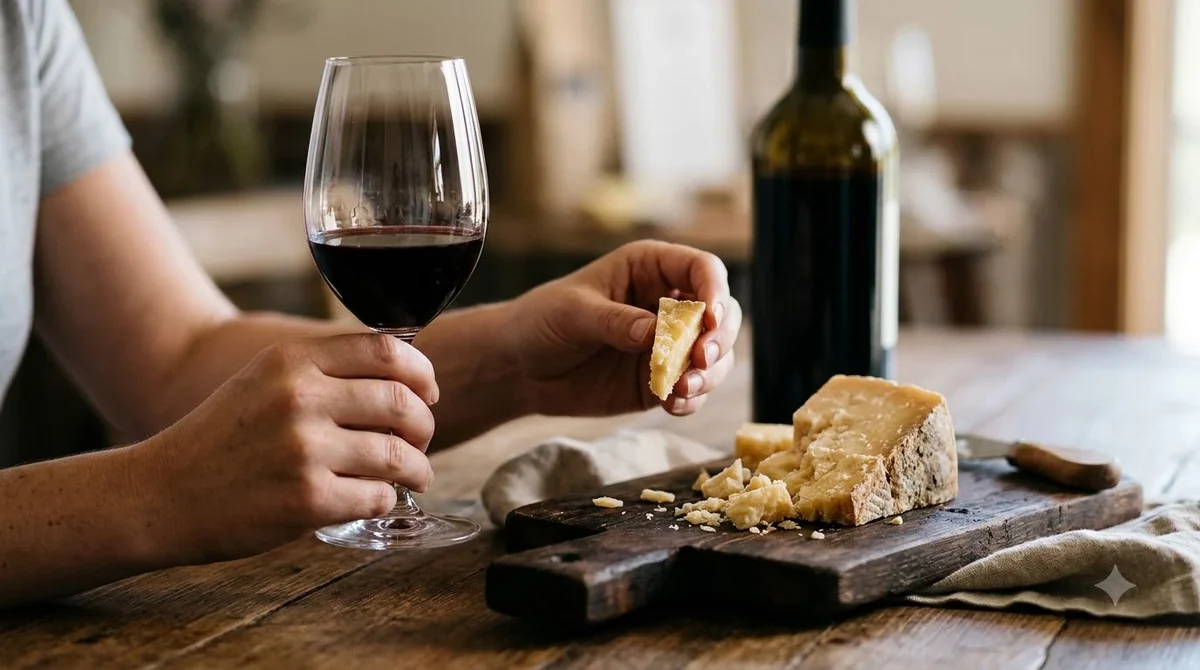
Rather than relying on complicated proprietary blends, the official Sutter Home wine portfolio organizes its white releases around recognizable single-varietal labels. Most of the lineup is fermented cold in temperature-controlled stainless steel tanks to lock in fresh orchard, citrus, and stone-fruit aromatics. Chardonnay is the main exception in the cellar, undergoing partial malolactic fermentation and brief wood aging before finishing in stainless steel to balance creamy roundness with bright apple and pear notes.
Consumers also encounter Sutter Home’s non-alcoholic Fre line—which includes alcohol-removed Chardonnay, Pinot Grigio, Moscato, and Sauvignon Blanc—as well as fruit-infused wine beverages on the same retail shelves. However, the traditional Sutter Home white wines sit between 10.1% and 13.5% ABV, offering standard table-wine strength. Shoppers comparing entry-level domestic producers across popular American wine brands will recognize Sutter Home’s Victorian house label across almost every packaging format, from single-serve 187 mL bottles to family-sized 1.5 L magnums.
| Varietal | Sweetness Level | ABV | Carbs (per 5 oz) | Key Flavor Notes |
|---|---|---|---|---|
| Sauvignon Blanc | Dry | 13.5% | 2.70 g | Grapefruit, lime, honeydew melon, passionfruit |
| Chardonnay | Dry to Off-Dry | 13.1% | 3.80 g | Ripe pear, juicy apple, creamy peach, subtle vanilla |
| Pinot Grigio | Dry to Off-Dry | 13.1% | 4.00 g | White peach, pear, bright citrus, floral notes |
| Riesling | Medium-Sweet | Not listed (130 cal) | 7.64 g | Sweet orchard fruit, apricot, crisp citrus finish |
| Moscato | Sweet | 10.1% | 11.40 g | White peach, nectarine, lychee, rose petal, caramel |
Taste Profile and Winemaking Style
Across the board, Sutter Home white wines emphasize ripe California fruit character, soft textures, and clean finishes over sharp minerality or heavy oak spice. Even the driest bottles in the range carry a touch of fruit-driven roundness that makes them approachable for casual wine drinkers.
In the cellar, winemakers tailor fermentation temperatures to preserve each grape’s natural aromatics. Pinot Grigio is cold-fermented at 55°F without malolactic fermentation, keeping its pear, melon, and citrus flavors lively and crisp. Sauvignon Blanc and White Merlot are fermented slightly warmer at 60°F in stainless steel, allowing tropical passionfruit, lime, and herbal notes in the Sauvignon Blanc to develop without losing briskness. According to producer notes, Sutter Home models its Sauvignon Blanc after cool-climate styles, leaning into zesty grapefruit and melon rather than grassy astringency.
On the sweeter end of the spectrum, Sutter Home Moscato is cold-fermented at 50°F after the winemakers cap and drain the juice to concentrate varietal aromas of rose petal, white peach, and lychee. Skipping malolactic fermentation keeps natural acidity intact so the 11.4 grams of carbohydrates per 5-ounce pour feel refreshing rather than syrupy. Similarly, those who enjoy organic, crisp-styled bottles like Avaline white wine will notice that Sutter Home’s dry whites prioritize fruit clarity, though Sutter Home generally delivers a softer, riper California profile.
How to Serve and Pair Sutter Home White Wine
Sutter Home white wines taste best well-chilled, with lighter, sweeter bottles like Moscato and Pinot Grigio served colder than fuller-bodied Chardonnay. Pairing them successfully comes down to matching the wine’s sweetness and acidity to the richness or spice level of your meal.
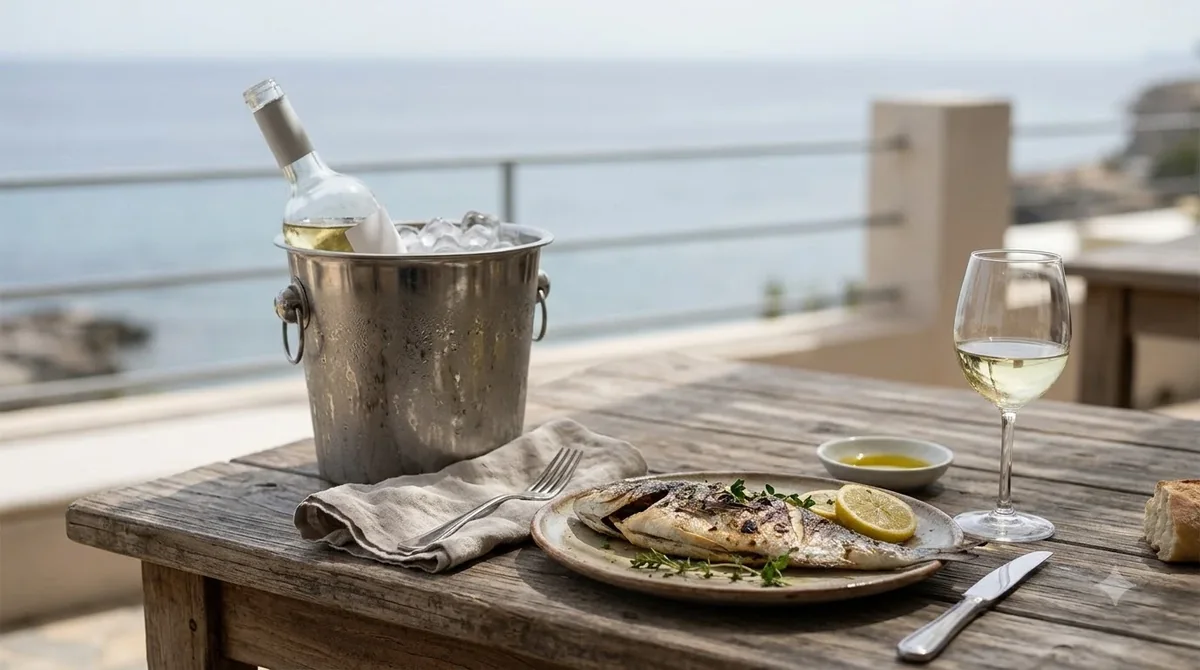
For crisp, aromatic whites—specifically Pinot Grigio, Sauvignon Blanc, and Moscato—refrigerate the bottle for at least two to three hours so it pours between 45°F and 50°F. At this temperature, the bright citrus and peach notes stay focused while residual sugar in the Moscato or Riesling remains balanced. Chardonnay benefits from a slightly warmer chill, closer to 50°F to 55°F; letting it sit on the counter for 15 minutes after leaving the fridge opens up its creamy peach, baked apple, and subtle wood-aged notes.
At the dinner table, each varietal fills a clear culinary role. Sauvignon Blanc’s brisk acidity cuts through herb-driven dishes such as pesto linguine, tarragon shrimp, and thyme-roasted chicken. Pinot Grigio works effortlessly alongside grilled white fish, citrusy salads, and light vegetable pasta. Chardonnay’s rounder mouthfeel stands up to creamy pastas, pan-seared pork chops, and soft cheeses like Brie, while Moscato and Riesling act as natural counterweights to spicy Thai curries, barbecue ribs, and salty appetizers. If you are stocking a casual gathering alongside crowd-pleasing blends like 14 Hands Hot to Trot wine, keeping both a dry Pinot Grigio and a sweet Moscato on ice covers nearly every guest’s preference.
Tip: Screw-cap 750 mL bottles and 187 mL four-packs of Sutter Home white wine store upright in a standard refrigerator for three to five days after opening without losing their fresh fruit aromatics.
Who Sutter Home White Wine Suits Best
Sutter Home white wine is built for everyday convenience, casual entertaining, and drinkers who prefer straightforward, fruit-forward flavors without wine-shop intimidation. It also appeals to shoppers looking for predictable nutrition numbers and flexible bottle sizes.
Because the winery publishes full calorie and carbohydrate counts for every varietal—ranging from 114 calories and 4 grams of carbs in Pinot Grigio to 122 calories and 2.7 grams of carbs in Sauvignon Blanc—health-conscious hosts can easily see how dry and sweet options compare before pouring. Furthermore, the availability of 187 mL single-serve bottles and 500 mL Tetra Paks makes these wines practical for outdoor picnics, poolside afternoons, or recipes that call for a splash of dry white wine without opening a full bottle.
Conversely, drinkers seeking complex terroir expression, pronounced oak aging, or razor-sharp Old World minerality will likely find Sutter Home’s style too soft and fruit-centric. Those looking for zero-alcohol alternatives rather than traditional wine will also want to look toward dedicated dealcoholized labels like Ariel wine or Sutter Home’s separate Fre collection. Within the mainstream supermarket aisle, however, Sutter Home remains a reliable, consistent benchmark for accessible California white wine.
Frequently Asked Questions
Is Sutter Home white wine sweet or dry?
Sutter Home produces both dry and sweet white wines depending on the varietal you choose. Sauvignon Blanc, Pinot Grigio, and Chardonnay are fermented dry to off-dry with low carbohydrate counts, whereas Riesling is medium-sweet and Moscato is distinctly sweet.
Which Sutter Home white wine is the driest?
Sauvignon Blanc is the driest white wine in the Sutter Home lineup, containing 2.70 grams of carbohydrates and 122 calories per 5-ounce serving at 13.5% ABV. Pinot Grigio and Chardonnay follow closely behind as crisp, dry-leaning table wines.
Is Sutter Home White Zinfandel considered a white wine?
Despite its name, Sutter Home White Zinfandel is actually a sweet pink blush wine made from red Zinfandel grapes rather than white grapes. Winemakers separate the clear juice from the dark grape skins early in pressing, resulting in its signature pale pink color and strawberry-melon flavor.
Does Sutter Home white wine need to be refrigerated?
Yes, all Sutter Home white wines should be chilled before serving, ideally between 45°F and 55°F depending on the varietal. Once opened, recapping the bottle and keeping it in the refrigerator preserves freshness for up to five days.
Whether you prefer the zesty citrus snap of a dry Sauvignon Blanc or the lush stone-fruit sweetness of Moscato, Sutter Home white wine offers a straightforward California option for almost any casual occasion. Checking the varietal name and carbohydrate profile on the bottle makes it simple to pick the exact level of crispness or sweetness you want in your glass.
More in Wine Brands
 Underwood Wine Price: Compare Bottles, Cans, and Pack SizesUpdated Nov 21, 2026
 Zenato Wine Price: Compare Styles and Choose the Right BottleUpdated Nov 21, 2026
 Zuccardi Wine Price: Compare Bottles and Find the Right RangeUpdated Nov 21, 2026
 Yellow Tail Moscato Review: Taste, Sweetness and Serving TipsUpdated Nov 21, 2026
 Wolf Blass Yellow Label Review: Choose Your Best StyleUpdated Nov 21, 2026
 Wolffer Estate Rose Review: Choose the Right Bottle for Your TableUpdated Nov 21, 2026