

We may earn a commission when you buy through links on this page, at no extra cost to you. Learn more.
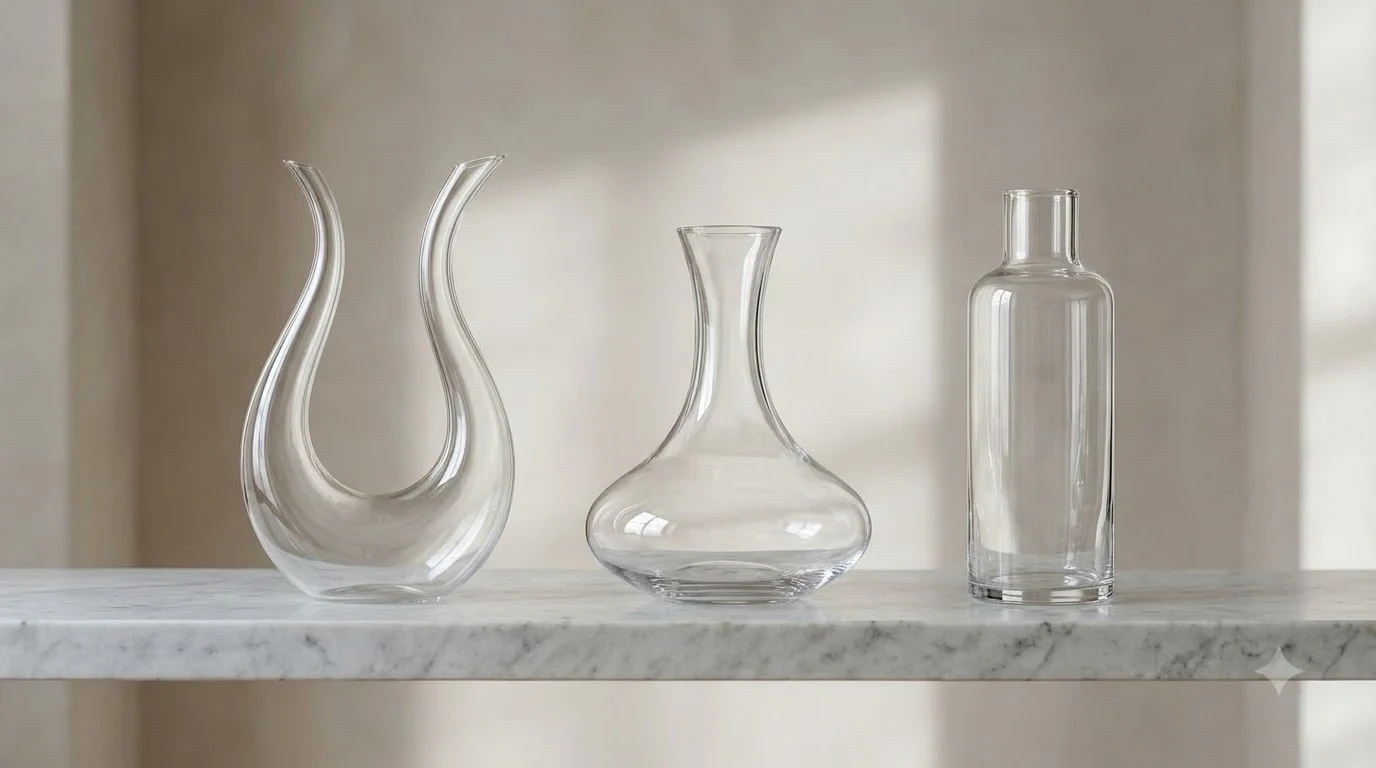
What is a decanter for? It holds wine poured out of its bottle so the wine can take in air and any sediment stays behind. Those two jobs, aeration and sediment separation, explain almost every reason people decant. A decanter is a simple glass vessel, and it does not change the wine’s basic character.
This guide explains why decanters exist, which wines benefit most, and when you can skip the step entirely. It is written for beginners who are thinking about buying their first decanter and want plain answers.
What Is a Decanter and Why Wine Is Decanted
A decanter is a large glass container used to hold wine after it leaves the bottle. Decanting is the act of pouring wine slowly into that container. Sources on the subject describe two main reasons for the practice: removing sediment and letting the wine aerate.
Many people also enjoy decanters for presentation. A clear glass vessel shows the color of the wine and makes a table look more formal. That styling benefit is real, but it is secondary. The useful work happens inside the glass.
According to a wine-education guide on decanting and aerating, decanting and aerating are separate steps. Decanting moves the wine. Aeration happens as the wine sits in contact with air afterward.
How Aeration Softens Tannins and Opens Aromas
Aeration means exposing wine to oxygen, and it is the main reason most people decant young red wines. Oxygen can soften the grippy tannins that make a young red taste tight. It can also help aromas become easier to smell.
The same guide notes that air helps carry away some volatile compounds, including certain sulfites and ethanol. When those aromas leave the glass, the fruit, spice and oak notes have more room to show. Many drinkers describe the result as a rounder, more open wine.
Air works gradually, and more is not always better. A wine that sits too long in a decanter can lose its freshness. Taste the wine every so often, and stop when it tastes balanced to you.
Separating Sediment From Older Wines
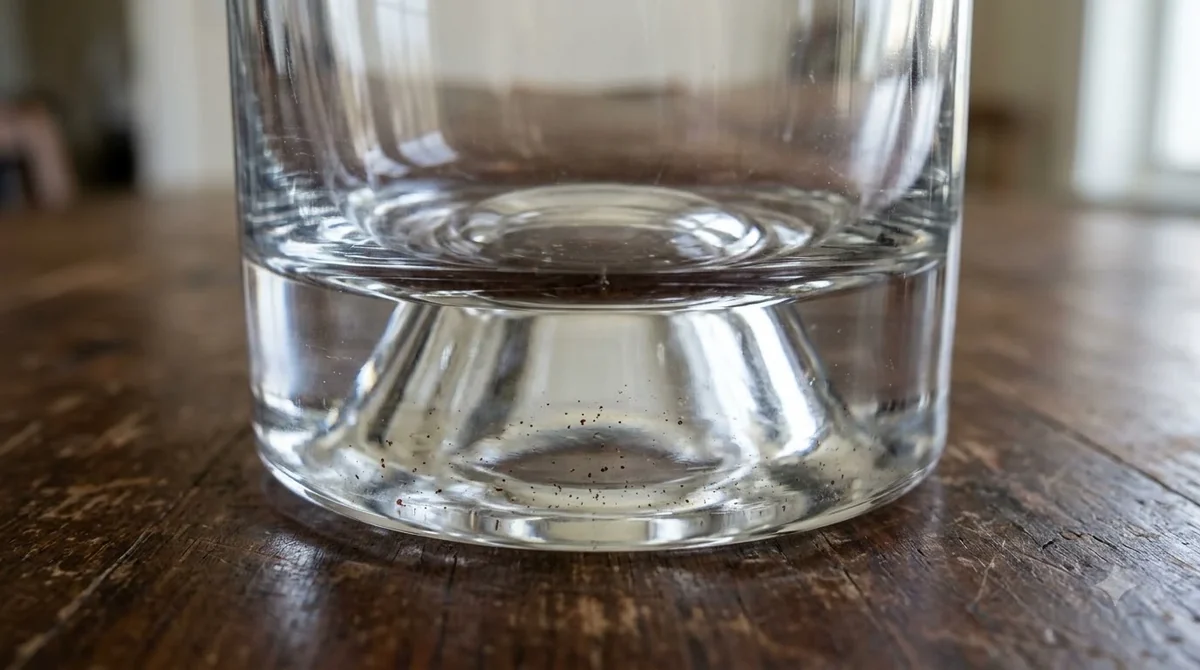
Sediment separation is the second main job of a decanter, and it matters most for older bottles. Over years in the bottle, pigments and tannins can clump together and settle. These particles are harmless, but they can taste gritty or bitter.
Brooks Wine, in a guide on decanting, explains that sediment forms as wines age and settles at the bottom of the bottle. Standing the bottle upright gives the particles time to drop. Then you pour slowly and stop before the sediment reaches the neck.
Watch the neck of the bottle as you pour. Once you see particles heading toward the opening, stop. Leaving a small amount of wine in the bottle is a common practice. Some people pour through a fine mesh strainer or funnel to catch stray bits.
Which Wines Benefit and Which Do Not Need One
Decanting is not a requirement for every bottle, and many wines taste fine straight from the bottle. The table below sums up the general guidance from the sources. Always check the producer’s notes for a specific bottle when you can.
| Wine type | Usually benefits from decanting? | Why |
|---|---|---|
| Young, tannic red wines such as Cabernet Sauvignon or Syrah | Yes | Air softens firm tannins and helps aromas open |
| Full-bodied reds such as Malbec, Bordeaux or Barolo | Often yes | Structure and tannins may need time to relax |
| Older reds with visible sediment | Yes, carefully | Separating the clear wine keeps grit out of the glass |
| Vintage port and other older fortified wines | Yes, often | Sediment is common and aeration can bring out subtle notes |
| Oak-aged white wines such as Chardonnay | Sometimes | A brief rest can help oak and fruit notes show |
| Crisp whites, most rosés and sparkling wines | Usually no | They often show their charm right out of the bottle |
| Delicate Pinot Noir and very old wines | Usually no, or go gently | Too much air can dull delicate flavors |
Young, bold reds are the clearest case for a decanter. Cabernet Sauvignon, Bordeaux blends and Syrah often feel closed when first opened. Air gives them a chance to soften. Many guides suggest that young bottles can benefit from an hour or more of aeration.
Light, delicate wines need a lighter touch. Crisp whites, most rosés and most sparkling wines are generally best served right after opening. Very old bottles are fragile, and too much air can flatten them. If you are unsure, pour a small glass first and taste it, as many sommeliers suggest.
How to Decant Wine and How Long to Wait
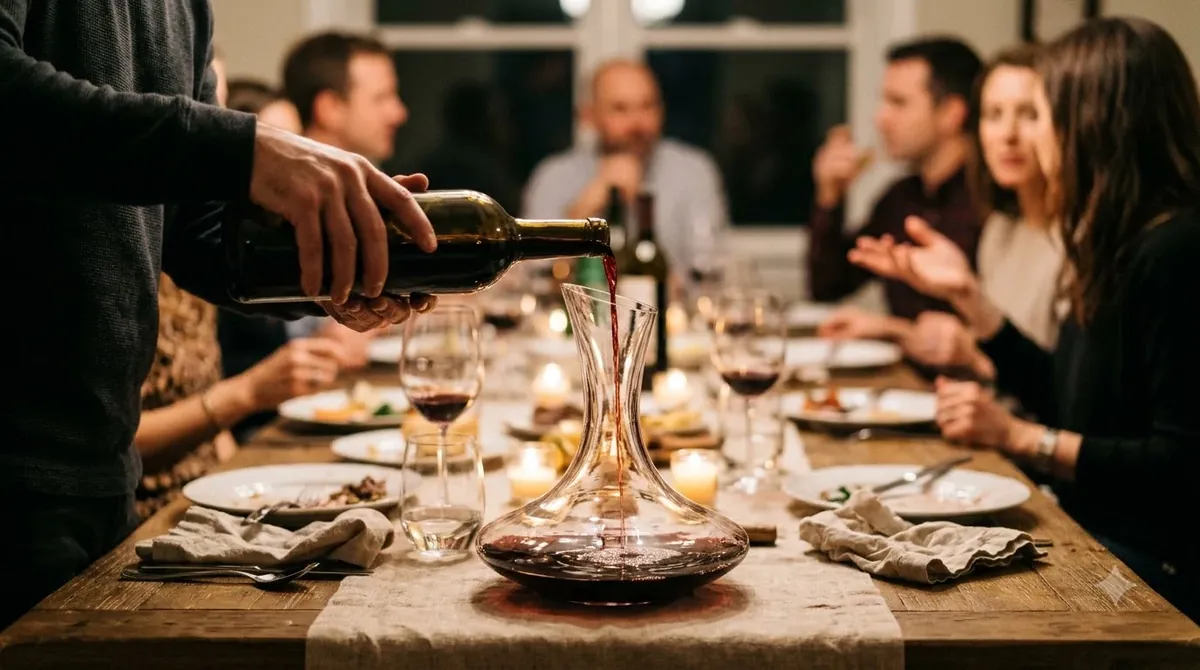
Decanting is simple, but a few steps matter. Start with a bottle that has stood upright long enough for sediment to settle, if it is an older wine. Then open it gently and pour in one steady motion.
- Stand the bottle upright. Older wines benefit from a long rest, and the sources mention anywhere from an hour to a full day or more.
- Open the bottle carefully. Avoid shaking it, since that stirs up sediment.
- Pour slowly into a clean, odor-free decanter. Tilt the bottle gradually.
- Stop as soon as you see sediment reaching the neck of the bottle.
- Let the wine rest in the decanter for the time suited to its style, then pour and taste.
Timing depends on the wine. One guide suggests that many wines only need 15 to 20 minutes, while decanting can be done up to four hours ahead. Brooks Wine suggests 30 minutes to one or two hours for young, tannic reds, and 15 to 30 minutes for older reds. Taste periodically, and serve once the wine tastes right to you.
Once decanted, wine is best enjoyed within a few hours. Air keeps working on the wine, so a long wait can flatten it. For more background on the vintage date printed on bottles, you can read what vintage means in wine before you decide how old a bottle is.
Decanter Care and Cleaning Basics
A clean decanter matters, because leftover odors can affect the next wine you pour. Rinse the decanter soon after use, while residue is still soft. Good drying and storage help prevent unpleasant smells from building up.
Decanters with narrow necks and wide bases can be hard to clean by hand. A long-handled brush or a rinse with warm water and a little mild dish soap often works well. Follow the manufacturer’s care instructions, especially for crystal or hand-finished pieces. For a step-by-step approach, see how to clean a decanter.
Let the decanter air dry upside down on a clean towel, and keep the stopper separate if it has one. Store it with the opening uncovered or loosely covered. Trapped moisture is more likely to cause odors than a clean, dry glass.
Frequently Asked Questions
Do all wines need to be decanted?
No. Many wines taste fine straight from the bottle, including most crisp whites, rosés and sparkling wines. Decanting is most helpful for young, tannic reds and for older bottles that have thrown sediment.
Is decanting the same as aerating?
They are related but different. Decanting is the act of pouring wine from the bottle into another vessel. Aeration is the exposure to oxygen that happens during and after that pour.
How long should I decant a young red wine?
Sources commonly suggest about 30 minutes to an hour or two for young, tannic reds. Older reds usually need less time, often 15 to 30 minutes. Taste the wine as it opens and stop when it tastes balanced to you.
Is a carafe the same as a decanter?
Not exactly. One guide notes that decanters are designed to maximize aeration, while carafes are mainly for presentation. A carafe works for serving a wine that needs little air, but a decanter suits bold reds that need to breathe.
A decanter is a useful tool, not a must-have. If you mostly drink young reds or own older bottles, it can make a noticeable difference. Start with one bottle, taste before and after, and see what you prefer. For more beginner questions, browse the Wine Q&A section.
More in Wine Basics
 Which Rose Is Best for Your Taste, Budget, and Food PairingsUpdated Nov 21, 2026
 Is Cheap Wine Bad? How to Find Bottles Worth DrinkingUpdated Nov 21, 2026
 What To Write On A Wine Gift Tag: Thoughtful Messages For Every OccasionUpdated Nov 21, 2026
 Which Wine Is Best For Weight Loss? Compare Lower-Calorie ChoicesUpdated Nov 21, 2026
 What Is The Best Wine For Mimosas? Choose Bubbly That Balances Orange JuiceUpdated Nov 20, 2026
 Which Prosecco Is Best for Your Taste and OccasionUpdated Nov 20, 2026