

We may earn a commission when you buy through links on this page, at no extra cost to you. Learn more.
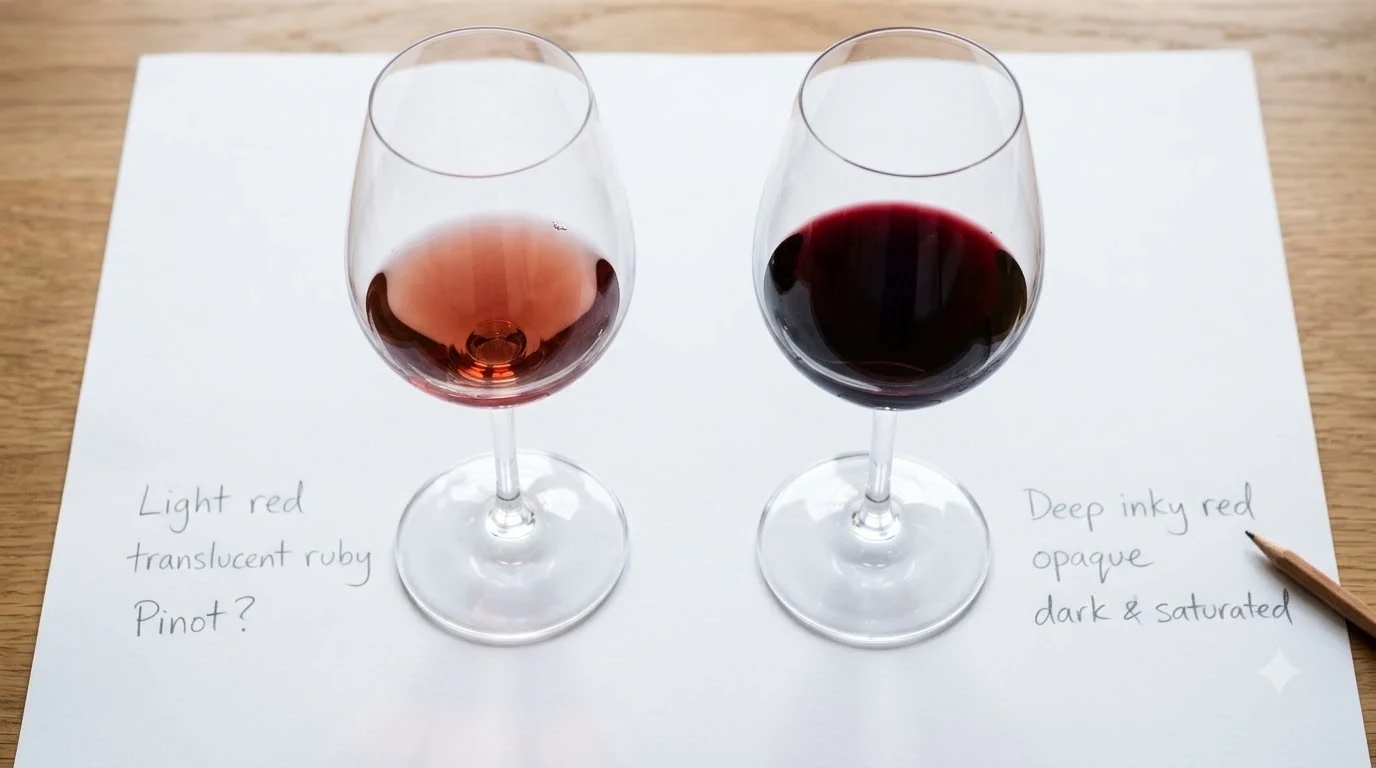
A dry pinot noir is a red wine with little or no residual sugar left after fermentation, so it tastes fruity and savory rather than sweet. The word dry describes sugar, not flavor, body or tannin. Most Pinot Noir made in the usual way is dry, but a few styles are labeled or made to taste softer, so it helps to know what to look for.
This guide explains what dryness means in Pinot Noir, how winemaking decisions affect sweetness, and how to read a label or tasting note to find a truly dry bottle. It also covers regional styles, food pairings, and buying and storage tips for American shoppers.
What Dry Pinot Noir Means
Dry Pinot Noir has very little sugar left in the wine once fermentation ends. Winemakers call that leftover sugar residual sugar. Coravin’s beginner guide to dry wines describes dryness as a measure of this sugar, not of how fruity or bold a wine tastes. You can read the full explanation in Coravin’s beginner guide to dry wines.
That distinction matters for Pinot Noir. Its red berry and forest floor flavors can make a wine seem sweet even when the sugar level is very low. Fruit ripeness and alcohol can add a sense of sweetness, so your palate may read a dry wine as softer than it really is.
Another useful term is off-dry. Armen’s Barrels describes off-dry wines as having a little more residual sugar than fully dry wines. These bottles taste faintly sweet but are not dessert wines. If you are new to dry reds, an off-dry Pinot Noir can feel like an easy step.
How Winemaking Affects Sweetness in Pinot Noir
Sweetness in any wine comes down to how much grape sugar yeast converts during fermentation. Yeast eats the natural sugars in grape juice and turns them into alcohol and carbon dioxide. When most of that sugar is gone, the wine is dry.
Winemakers can stop fermentation early to keep some sweetness. KJ’s wine guide explains that most producers let fermentation run its full course for red wines, which is why the vast majority of red wines are dry. Pinot Noir follows this pattern in most regions, so dry is the usual outcome rather than a special style.
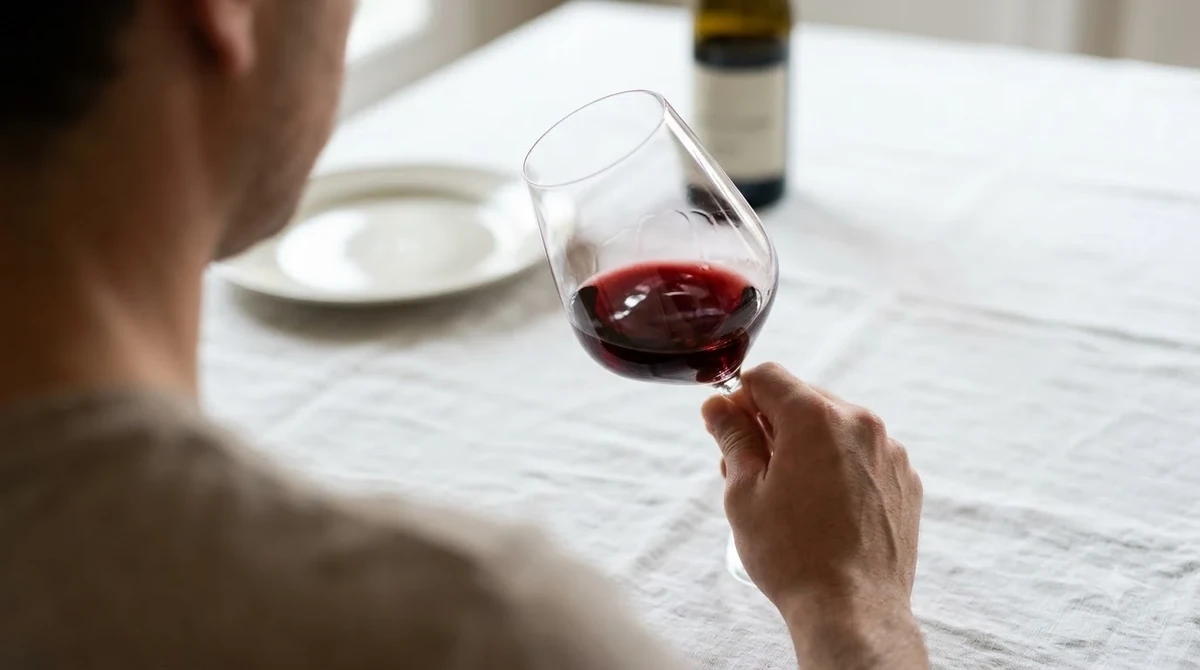
Pinot Noir is a thin-skinned grape that needs a cool climate and gentle handling in the winery, according to Coravin’s overview of dry reds. Its tannins are usually delicate and silky. Those traits shape the wine’s texture, but they do not change its sugar level. A silky Pinot Noir can be fully dry.
Reading Labels and Tasting Notes to Spot a Dry Bottle
Many Pinot Noir labels do not state the sugar level, so you need to read the clues. Some words suggest dryness, while others hint at residual sugar. The table below sums up the most useful signals.
| Label or note clue | What it usually suggests | What to check next |
|---|---|---|
| The word dry on the label | Low or no residual sugar | Confirm with the producer’s tech sheet if available |
| Words like savory, firm or earthy | Structure and savory character, often dry | Read the rest of the tasting note |
| Words like jammy, sweet or honeyed | Ripe fruit, which can be mistaken for sugar | Look for other dryness clues |
| Alcohol level stated on the label | Higher alcohol often means more sugar was fermented | Compare with similar bottles |
| Sweetness chart on the back label | A direct visual guide to dry or sweet | Use the chart as your main reference |
Alcohol is a helpful but imperfect clue. KJ’s guide notes that higher alcohol generally suggests the yeast ate most of the sugar. Lower alcohol can point to a wine that was stopped early. Still, alcohol alone cannot prove dryness, so treat it as one signal among several.
Tip: When a label is vague, look at the producer’s website or ask the shop staff. Many wine shops keep sweetness charts for their bottles.
Dry Pinot Noir Styles and Regions
Pinot Noir is grown in many places, and the style of each dry bottle depends on climate, soil and winemaking. Cooler growing areas often produce lighter, more delicate wines, while warmer areas can produce riper fruit. Both can be dry, so region helps you predict flavor rather than sweetness.
Armen’s Barrels notes that Pinot Noir usually has lower tannins than Cabernet Sauvignon or Syrah. That makes it a common first dry red for beginners. The fruit tends to show red cherry and a bit of earthiness, which many newer drinkers find easy to follow.
Regional names on a label can also signal style. Check the bottle’s origin and ask a shop for a few examples from that area. For a broader look at dry reds from other grapes, the dry cabernet sauvignon guide shows how a bolder red differs in structure and food matching.
Best Food Pairings for Dry Pinot Noir
Pinot Noir works with many savory dishes because its acidity and gentle tannins keep it from overwhelming the food. The goal is balance, so lighter reds suit delicate dishes and richer reds suit heavier ones. This makes Pinot Noir one of the most flexible dry reds at the table.
Armen’s Barrels suggests pairing Pinot Noir with roasted chicken, duck, mushroom dishes or mild cheeses. Those choices match its earthy character and fresh red fruit. Coravin’s guide adds that Pinot Noir can suit tomato-based dishes because its brightness lifts the sauce.
Serving temperature changes how a dry Pinot Noir tastes. Armen’s Barrels gives a range of 55 to 60 degrees Fahrenheit for light-bodied reds like Pinot Noir. A cooler red keeps the fruit lively and the alcohol in check. Try chilling the bottle in the refrigerator for about 20 minutes before you open it.
How to Buy and Store Dry Pinot Noir
Buying a dry Pinot Noir is easier when you know which labels and styles to trust. Start with bottles that name the grape, the region and the producer. Then compare the tasting note against the clues in the label table above, and ask staff if the wording is unclear.
- Check the label for the word dry, then read the tasting note for savory or firm language.
- Look at the alcohol statement and compare it with other Pinot Noir bottles you have seen.
- Ask the shop staff whether the producer’s sheet or a sweetness chart is available.
- Buy one bottle to start, then taste it with food before buying a case.
Store your bottles on their sides in a cool, dark place if you plan to keep them. Keep them away from heat and strong light. Check the label or the producer’s guidance for how long a specific wine should age, since Pinot Noir styles vary widely.
If you are building a broader collection, the Wine Buying Guides section covers labels, shopping and storage in more depth.
Dry Pinot Noir Compared to Other Dry Reds
Pinot Noir is dry, but it differs from other common dry reds in texture and structure. Comparing these traits helps you choose the right bottle for your meal. Sweetness is not the main difference, since most dry reds share very low sugar.
| Dry red | Typical tannin feel | Common flavor notes | Good with |
|---|---|---|---|
| Pinot Noir | Delicate and silky | Red berries, forest floor, earth | Poultry, mushrooms, mild cheese |
| Merlot | Softer than Cabernet | Ripe plum, black cherry, cocoa | Comfort dishes, milder cheeses |
| Cabernet Sauvignon | Firm and structured | Black currant, cedar, tobacco | Red meat, hard aged cheese |
Pinot Noir usually feels lighter on the palate than Cabernet Sauvignon. Coravin’s guide describes its tannins as delicate, which means the drying feeling is less pronounced. This makes Pinot Noir a good choice when you want red wine without a heavy grip.
Merlot sits between the two in many cases. Armen’s Barrels notes that Merlot is often plush and approachable, while Pinot Noir tends to show more earthiness. Both are dry, so the choice comes down to the flavors and foods you enjoy most.
Frequently Asked Questions
Is all Pinot Noir dry?
Most Pinot Noir is made dry, because red wines are usually fermented until most of the sugar is gone. Some producers may leave a little sweetness, so check the label or the producer’s information when you want a certain style.
Does dry Pinot Noir taste bitter?
Dry Pinot Noir should not taste bitter, because bitterness is not the same as dryness. Tannins can create a drying feel, but Pinot Noir usually has delicate, silky tannins. Serving it slightly cool can make it taste fresher.
How can I tell if a Pinot Noir is dry?
Look for the word dry, savory or firm tasting notes, and a sweetness chart if the shop has one. Words like jammy or honeyed can describe ripe fruit rather than sugar. When in doubt, ask staff or check the producer’s website.
What foods go well with dry Pinot Noir?
Roasted chicken, duck, mushroom dishes and mild cheeses are reliable matches. Pinot Noir’s bright acidity also works with tomato-based sauces. Because it is lighter than many reds, it suits meals that are not heavily spiced.
A dry Pinot Noir is easy to enjoy once you know how to read the clues on the label and in the tasting notes. Start with one bottle, serve it slightly cool, and pair it with a simple savory dish. Drink responsibly, and explore the organic pinot noir options if you want to compare producers and growing methods next.
More in Wine Buying Guides
 Riesling Gift: Choose a Bottle They’ll LoveUpdated Nov 21, 2026
 Sweet Red Wine Gift: Choose a Bottle They’ll LoveUpdated Nov 21, 2026
 Malbec Gift: How to Choose a Memorable Bottle for Any OccasionUpdated Nov 21, 2026
 Sherry Gift Ideas That Match Every Wine LoverUpdated Nov 21, 2026
 Moscato Gift: How to Choose a Sweet Wine They’ll LoveUpdated Nov 21, 2026
 Merlot Gift: How to Choose a Bottle They’ll AppreciateUpdated Nov 21, 2026